|
Getting your Trinity Audio player ready...
|
By Jane Mugambi
The sun has barely risen over Kitui County, but Gladys Nzengi is already exhausted. She straps a jerrican to her back—twenty litres of water pressing into her spine—and begins the long walk home. It is a journey her donkeys once made easy. Now, with three of them stolen in the dead of night, every step is a reminder of what she has lost.
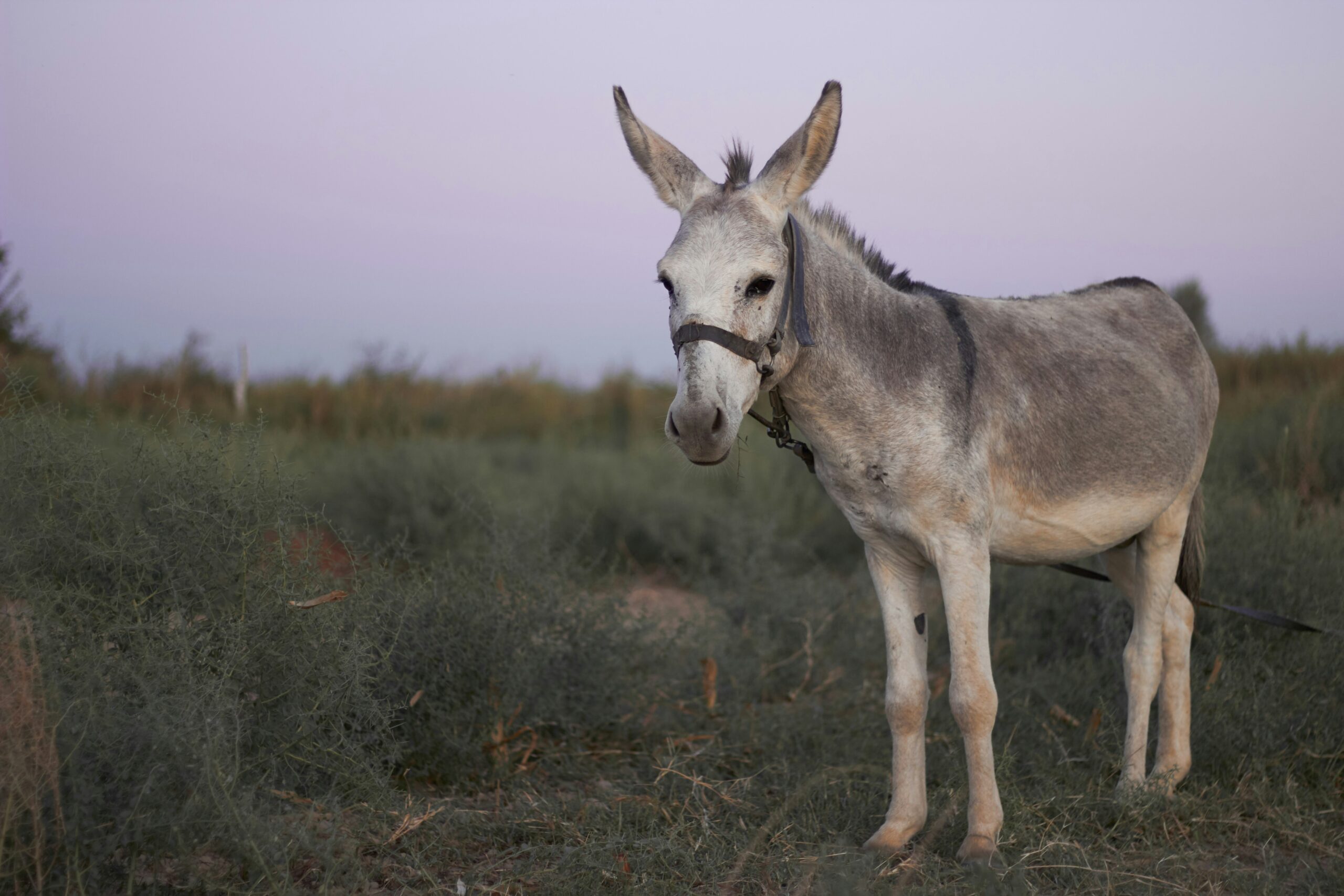
Women across Kitui County are suffering silently as rampant donkey theft strips them of their livelihoods, their independence, and their health. The animals, stolen under cover of darkness, are more than beasts of burden—they are the backbone of daily life. Without them, women who once fetched water and ferried goods with ease now walk long distances under the scorching sun, jerricans cutting into their backs, performing a duty they had not done in years.
For Gladys Nzengi, the theft of her three donkeys shattered more than her daily routine. It shattered her peace of mind. “I lost three donkeys that I used to fetch and ferry water home with,” she says. “Now that they have been stolen, I have lost peace of mind and also a livelihood. The donkeys would do tasks for neighbours—tasks I would do in hours; I am now forced to spend more hours on it.”
The distance she once covered quickly now consumes her entire day. One task. One jerrican. One long, painful journey.
Josphine Musau Musembi, a farmer from Kavululo, cannot hold back her tears. The mother and farmer has been left helpless, her back permanently damaged from carrying jerricans. “The last time I visited the hospital was many years ago,” she says, her voice breaking. “Lately, due to the backache, I spend more of my time there seeking treatment for my aching back. It’s so painful that I cannot do anything else.”
For Ms. Nzengi, a widow with six girls in school, the loss cuts deeper still. The donkeys were not just her transport—they were her children’s ticket to education. “I have been forced to plead with the school administration not to send my children home due to school fees balance,” she says. “The donkeys would ensure they are in school.”
Josephinda Mwendwa explains just how central these animals are to life in Kitui County. “A donkey is considered as a second wife in every household in Kitui County homestead,” she says. “It helps in fetching water, ferrying firewood, collecting sand among other materials for a pay.”
Donkeys fetch water. They carry firewood. They transport sand. They bring goods from the market. They put food on the table and fees in the school bursar’s office. Without them, women are left with nothing but their own backs—and those backs are breaking.
“For the first time, I have been forced to plead with the administration where my girls are schooling,” Ms. Mwendwa adds. “My husband died many years ago, leaving them under my care. The donkeys were also a source of their fees. I would get money from my donkeys.”

The women took their grievances to Eastern Regional Commissioner Jacob Muganda, who issued a stern warning against the illegal slaughter of donkey meat. “We issue a stern warning,” he said. “It is very distressing to witness such old women shedding tears from the pain they are enduring due to the theft of their animals. We will not spare anyone involved in the illegal business. Donkey meat has not been licensed by the Kenyan government.”
Investigations have begun, and authorities say anyone involved in the trade will face the full force of the law.
There is, however, a glimmer of hope. Donkey farmers could not hide their joy after four donkey slaughterhouses were closed down to curb the illegal trade. The closure, they say, will restore hope among farmers who have watched their animals disappear night after night.
The farmers took their grievances to the regional commissioner, handing him the equipment to fight the illegal trade. But for women like Gladys Nzengi and Josphine Musau Musembi, the damage is already done—written in the ache of their backs, the emptiness of their homesteads, and the uncertain future of their children’s education.
The fight against donkey theft in Kitui is not just about animals. It is about women’s dignity, children’s education, and the survival of families who have already lost too much.