|
Getting your Trinity Audio player ready...
|
By Omboki Monayo
Cape Town, South Africa: The paradox is as glaring as it is infuriating. Across Africa, health systems are starved of workers, with a shortage of 5.5 million professionals crippling care from Cape Town to Cairo. Yet nearly one million trained doctors, nurses and midwives sit idle, their qualifications gathering dust because the systems meant to employ them are broken.
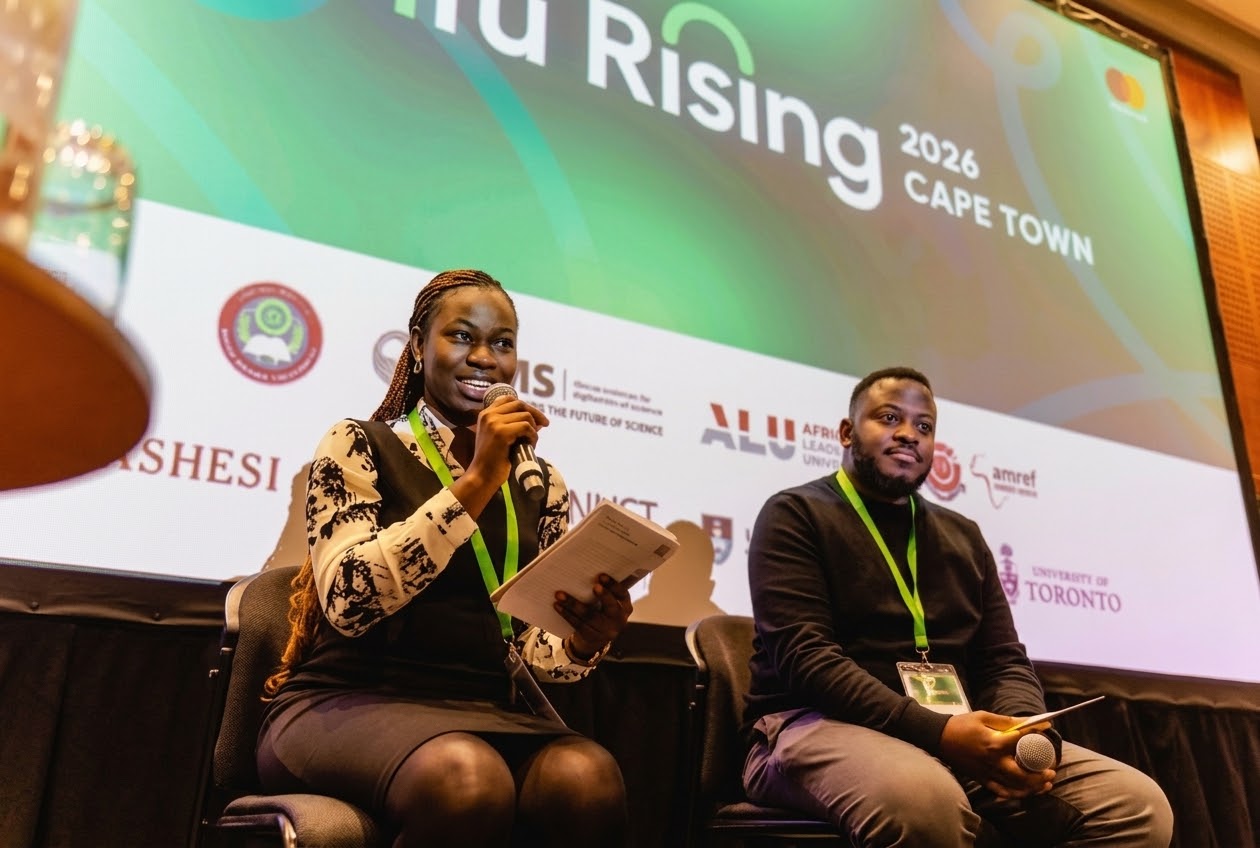
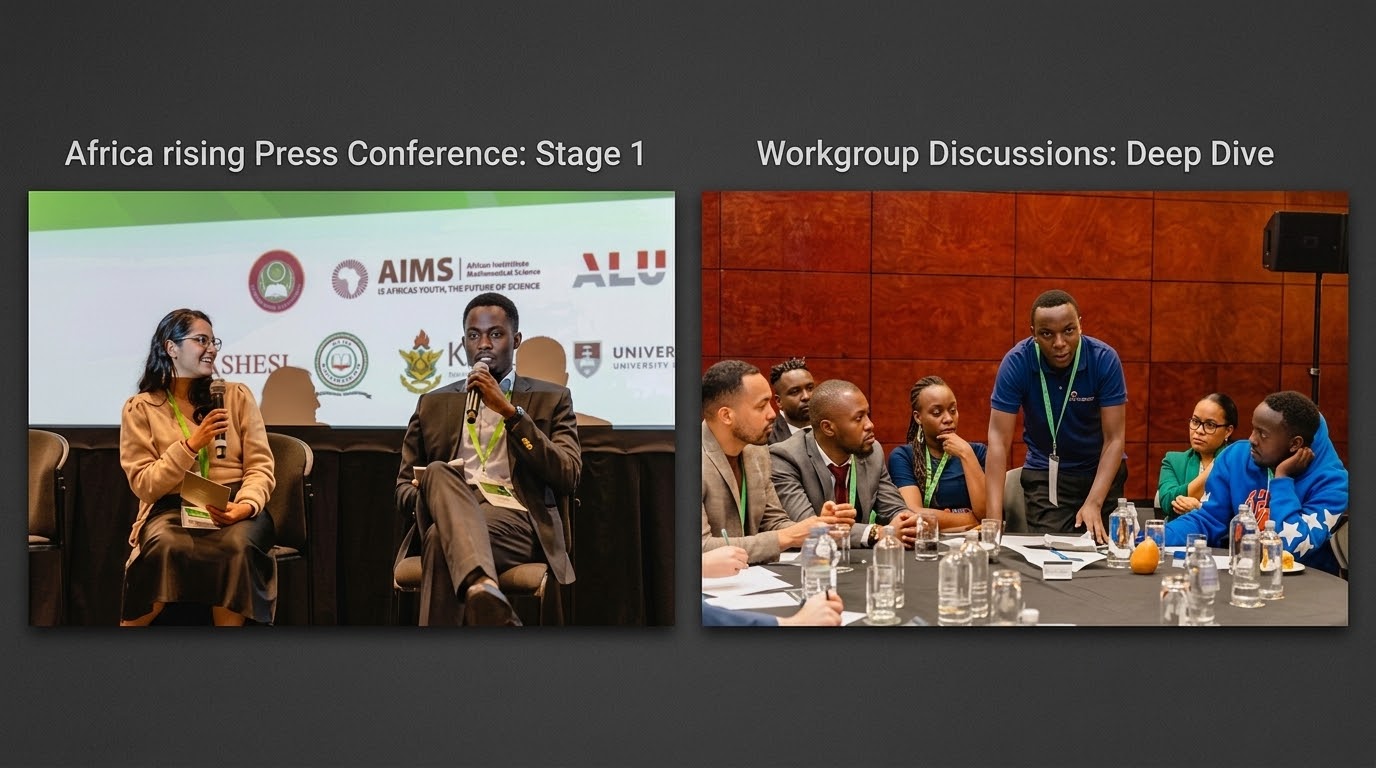
At a gathering in Cape Town this September, more than 80 young health professionals, researchers and entrepreneurs refused to let that contradiction stand. Convened by the Africa Health Collaborative ahead of the 18th World Congress on Public Health. The Ubuntu Rising 2026 was not designed as another consultation exercise. It was a demand for a different kind of conversation, one where young people don’t just speak, but shape what happens next.
A Contradiction at the Heart of the Workforce
The numbers tell a story that should outrage anyone who believes in the promise of Africa’s youth. According to the Mastercard Foundation’s Africa Youth Employment Outlook 2026, 90% of employed young Africans work in the informal economy. Only one in ten holds a formal job, and just 9% have completed tertiary education. The result is a generation that is often overworked but underpaid, trapped below the poverty line.
The health sector mirrors this distortion. Kenya, often held up as an economic bright spot in East Africa, has just 8.6% of its employed youth in formal jobs, among the lowest rates on the continent. Health worker density stands at roughly 14.3 per 10,000 people, far below the WHO’s minimum threshold of 23. Meanwhile, the Mastercard Foundation report notes that more than a third of Kenya’s employed youth live in extreme poverty, even as the country’s economy grows.
“Employment, on its own, is not the goal we should be measuring ourselves against,” said Prof. Brandon Collier-Reed, Deputy Vice-Chancellor for Teaching and Learning at the University of Cape Town.
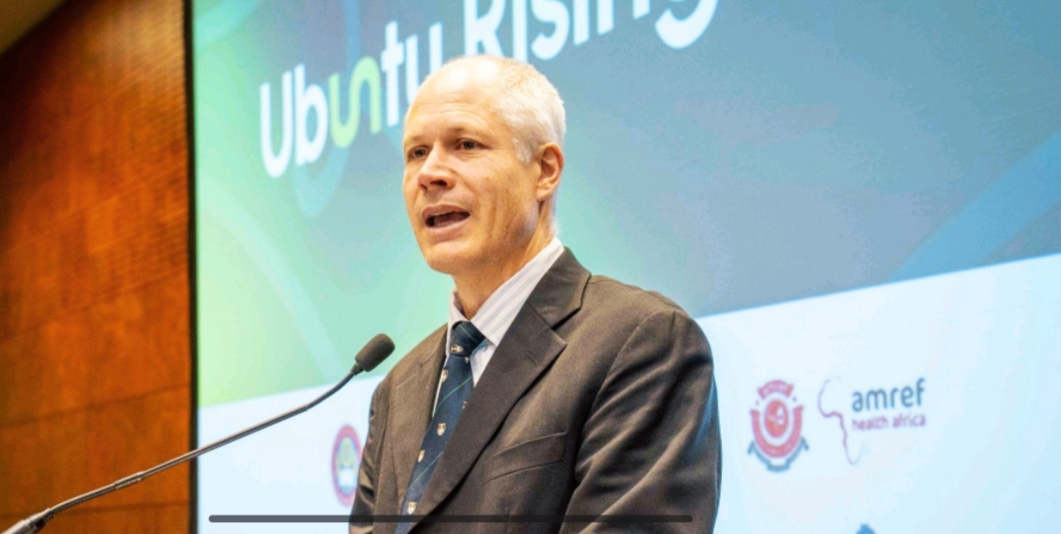
Adding “The question before us is not whether young Africans are working. It is whether the systems we have built are working for them” said Prof. Brandon
Nine Recommendations, Three Areas for Action
The recommendations that emerged from Ubuntu Rising cut across three areas: leadership, innovation and employment. But running through all nine is a single, unifying demand: stop treating young people as beneficiaries of programmes designed by others, and start treating them as architects of the systems they will inherit.
On leadership, participants called for creating learning and networking spaces that help technically skilled young people understand health policy and how health systems operate; measuring youth leadership by its influence and system-level outcomes rather than by participation numbers; and building institutional environments where young people can genuinely contribute to decision-making.
Turning its focus on innovation, the forum urged universities and training programmes to embed leadership, problem-solving and entrepreneurship into existing curricula rather than treating entrepreneurship as a standalone intervention.
Ubuntu also called on academic institutions to develop structured capacity-building frameworks that help young people turn ideas into viable health innovations; and to connect young innovators with cross-disciplinary expertise and existing infrastructure instead of creating disconnected structures.
On employment, the recommendations centred on harmonising curricula across Africa so that skills are transferable across borders, and on advancing policies that expand pathways into dignified health work, including paid internships, while strengthening young people’s participation in health policy and decision-making.
Event participants also called for embedding entrepreneurship and a stronger understanding of community needs into curricula and training systems. Taken together, the nine recommendations represent a shift from merely creating opportunities for young people to participate, towards building pathways through which they can influence decisions, develop solutions and progress into meaningful work. This vision will now feed into the Africa Health Collaborative’s Youth Agenda and inform its future programming and partnerships.
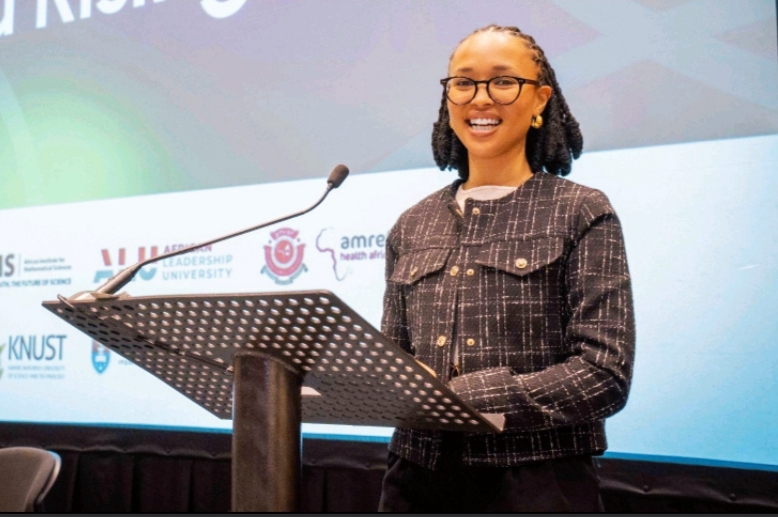
Dr. Nathina Pakade, a public health medicine registrar at UCT and the Western Cape Department of Health and Wellness, captured the frustration of a generation that has been consulted endlessly but heard selectively.
“There is a difference between asking young people what they think and giving them a meaningful role in deciding what happens next,” she said in her keynote address.
Adding “For me, meaningful participation is moving beyond simply being present in the room to having the opportunity to influence what happens in that room.”
The Data Kenya Can’t Ignore
The stakes are particularly high in Kenya, where the health workforce paradox plays out in especially stark terms. A 2026 projection suggests youth unemployment could reach 16.53%, while the informal sector absorbs the overwhelming majority of new jobs. A recent labour market report found that Kenya’s economy created just 78,600 formal jobs in 2024, compared to 703,700 in the informal sector.
In health specifically, Kenya faces a projected shortage of 114,000 professionals by 2030, even as 14% of trained health workers remain unemployed due to budget constraints and hiring freezes. The geographic inequity is just as severe: some regions are staffed seven times better than others, leaving rural clinics dangerously under-resourced.
 This is the context in which the Ubuntu Rising recommendations land. They are not abstract aspirations. They are a roadmap for countries on the African continent that cannot afford to waste another generation of talent.
The Economics of Getting It Right
The cost of inaction is staggering. The WHO estimates that closing Africa’s health workforce gap would require an additional $4 to $6 per person per year. But the returns are transformative: every dollar invested in health workers generates up to $10 in economic benefits and roughly 30 times that value in broader social returns through healthier populations, increased productivity and stronger economies.
African health ministers have already committed to training, employing and retaining 3 million additional health workers by 2035, under the Africa Health Workforce Agenda adopted in August 2026. But as the Ubuntu Rising participants made clear, targets mean nothing without the systems to achieve them.
Creating funded positions, harmonising qualifications, embedding entrepreneurship into education these are the levers that turn political commitments into paychecks and, ultimately, into care.
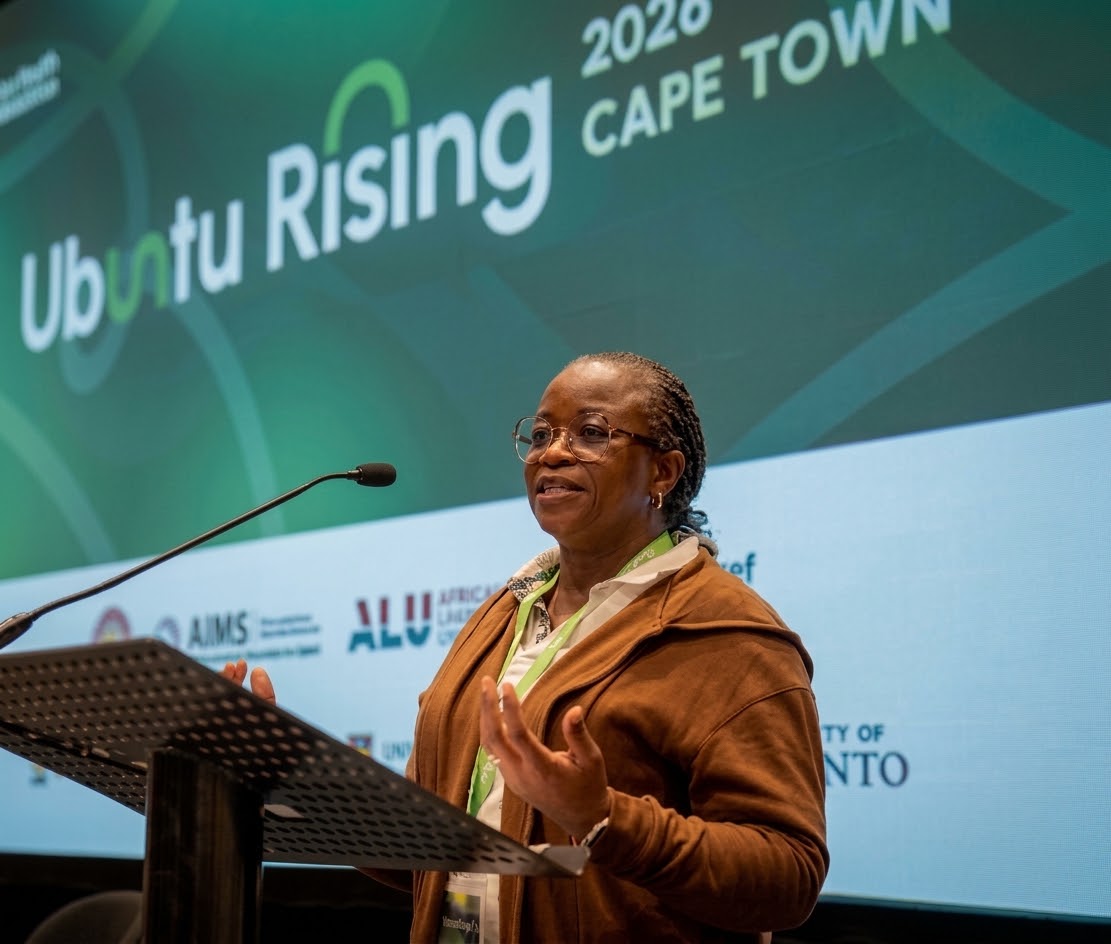
Prof. Tracey Naledi, Deputy Dean for Social Accountability and Health Systems at UCT and host of Ubuntu Rising, framed the challenge in terms that cut through policy jargon. “If we’re building a world we won’t be part of, then those who will inherit it must help create it,” she said.
In addition “At the Africa Health Collaborative, everything we do is done with young people and informed by young people and increasingly, led by young people, with us in a supporting role. For us, this is more than participation or consultation. It’s a co-creation of the future we all want to see.”
The nine recommendations from Ubuntu Rising will now feed into the Africa Health Collaborative’s Youth Agenda, shaping its programmes and partnerships. Whether they translate into real change depends on whether institutions including governments, universities and health systems are willing to cede some control.
The alternative, as the data makes painfully clear, is a continent that trains its brightest minds only to watch them wait for opportunities to apply their skills and expertise in the workplace.