
|
Getting your Trinity Audio player ready...
|
By Mercy Kachenge
Nairobi, Kenya: UNESCO declared September 28th the International Day for Universal Access to Information in 2015. The United Nations General Assembly formally proclaimed the day at the UN level in 2019 through Resolution 74/5, recognising access to information as important to democracy, development and equality.
This year’s commemoration, held under the theme “Upholding Information Integrity in the Digital Age: The Role of Access to Information in Addressing Information Disorder,” comes as Kenya prepares for the 2027 General Election. Stakeholders warned that delayed or inaccessible official information can create space for misinformation and deliberate disinformation.
The UN says the 2026 theme focuses on the need for timely and reliable information, proactive disclosure, credible data and media and information literacy in an increasingly digital environment.
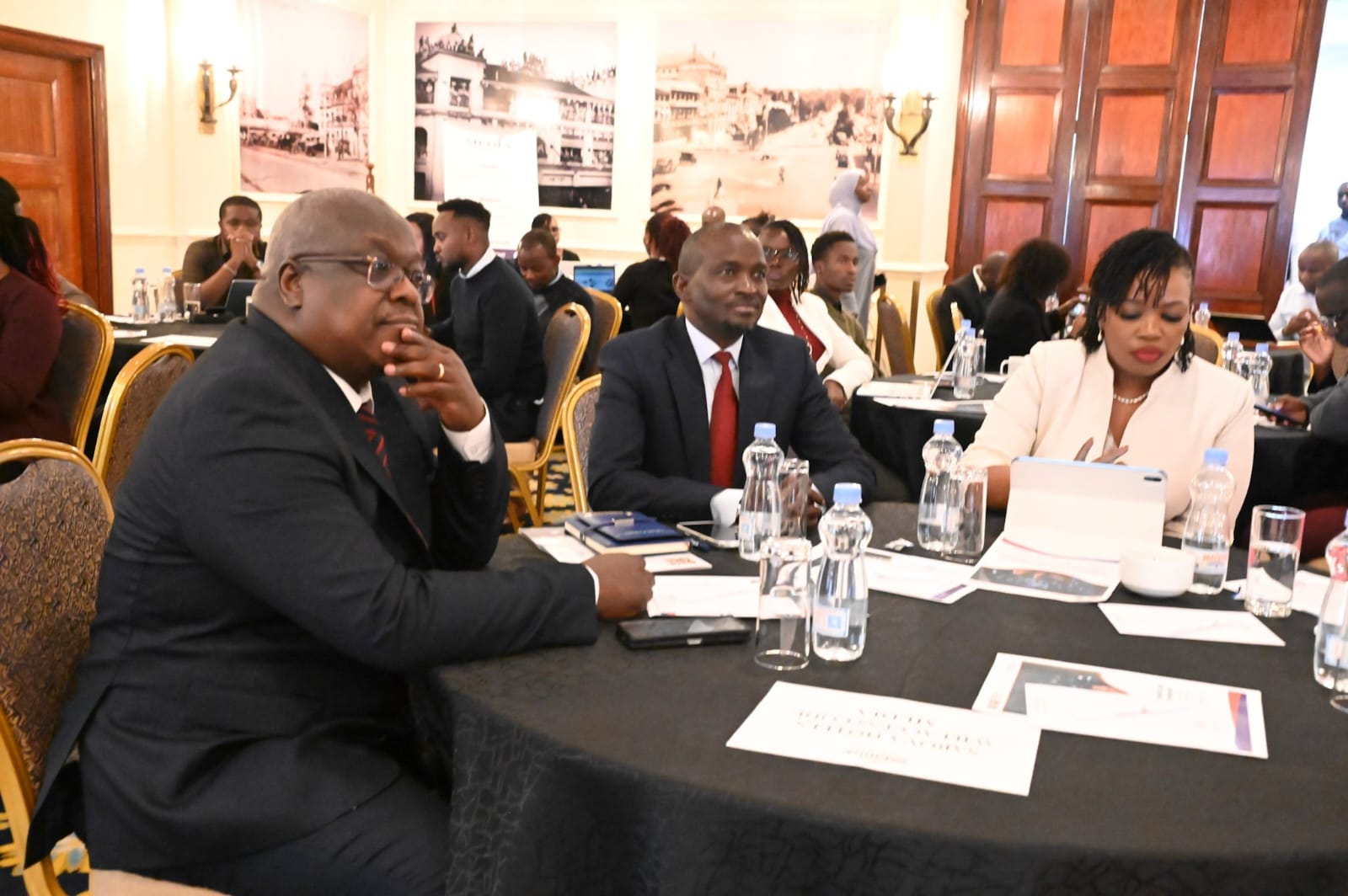
Kenya commemorated the day as Victor Bwire,Director Media Training and Development at Media Council of Kenya said the right to information must move beyond being a constitutional provision and become something citizens can exercise easily in their daily lives.
Article 35 of the Constitution guarantees every citizen the right to access information held by the State and requires the State to publish and publicise important information affecting the nation. The Access to Information Act, 2016, provides the legislative framework for exercising that right.
Bwire said the challenge is increasingly not only whether information exists, but whether citizens can obtain it on time, from an authoritative source and in a form they can understand.
Eric Oduor of the Kenya Union of Journalists said information gaps can quickly be filled by rumours, screenshots, anonymous posts and social media content, particularly when public institutions delay responding to questions.
“You cannot fight misinformation by withholding information” was the message emerging from the discussion, with speakers stressing that timely official information gives journalists and citizens the material needed to verify claims.
The concern takes on greater significance ahead of the 2027 election, when Kenyans will seek information on voter registration, polling locations, electoral timelines, results transmission and other electoral processes.
The Independent Electoral and Boundaries Commission (IEBC), represented at the event, said it has established channels through which citizens can obtain election information, including its customer-care centre at Anniversary Towers, where Kenyans can seek information without an appointment or payment.
The commission also uses digital platforms, media briefings, radio and television engagements and community outreach to take electoral information closer to citizens. The message from the electoral body was that journalists should use its doors, ask questions and seek clarification before relying on information circulating elsewhere.
John Cox Lorionokou of the Office of the Registrar of Political Parties similarly outlined several channels through which citizens can access information, including the office’s website, e-Citizen services, WhatsApp and social media platforms, as well as physical offices across the country.
He urged journalists to seek clarification from the Registrar, particularly on political and electoral processes where inaccurate interpretations can quickly spread.
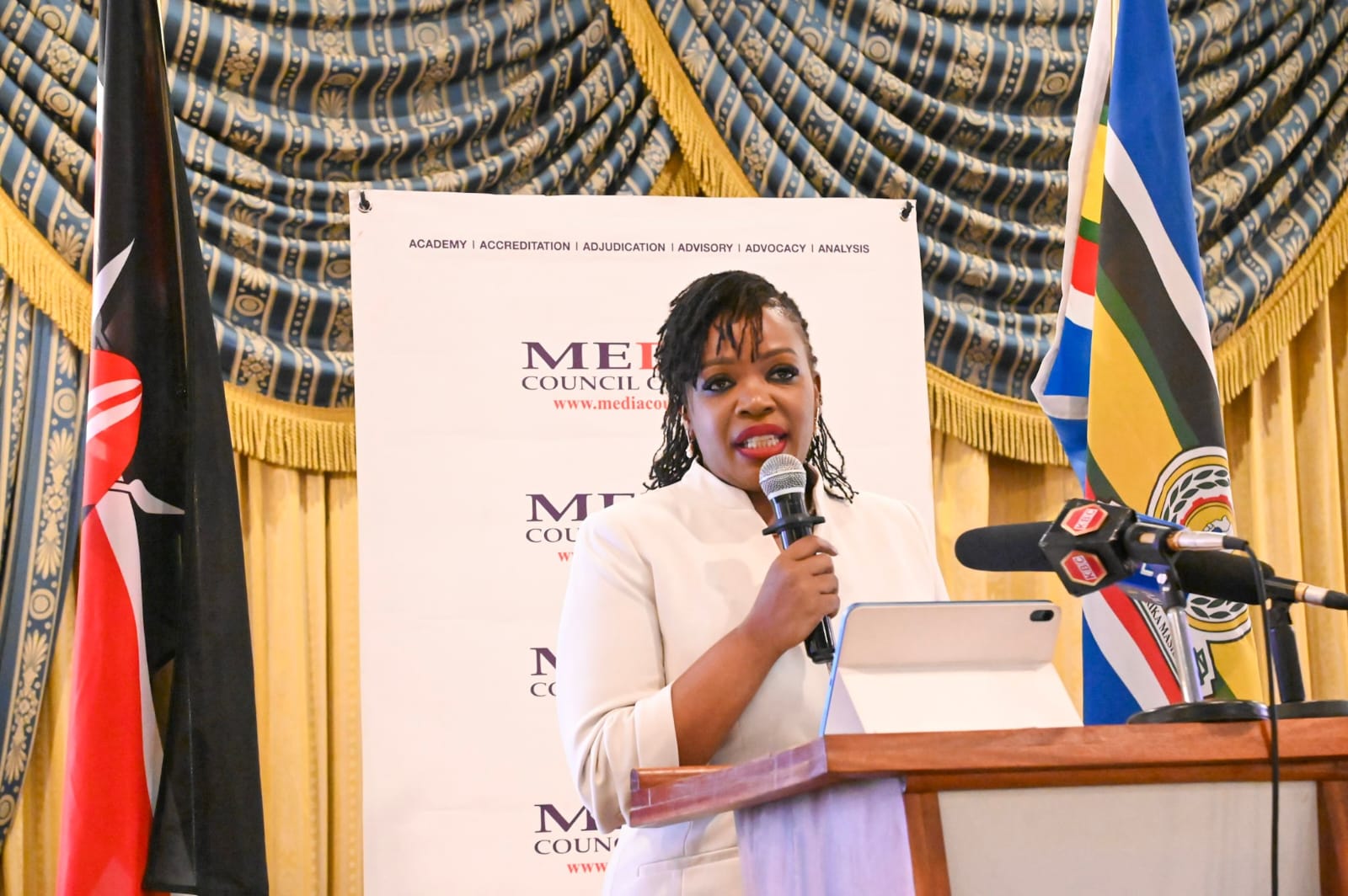
For the Kenya Editors Guild, access to authoritative information remains essential to the media’s ability to verify claims and hold institutions accountable.
Zubeidah Kananu of the Guild said the country must continue strengthening access to information as a foundation for public participation and accountability. Speakers also identified campaign finance as an area where citizens will require greater disclosure as the election approaches.
The discussion also highlighted the difference between information being available and information being accessible.
Nora Mbagathi of the Katiba Institute
Nora Mbagathi of the Katiba Institute said putting information on a website does not automatically make it accessible, particularly for people facing geographical, language or disability-related barriers.
Nora called for proactive disclosure in formats that citizens can actually access and understand, reducing the need for people to repeatedly request information that public institutions should already be making available.
The need for reliable information also places pressure on the media to maintain standards of verification at a time when technology is making content easier to produce and distribute.
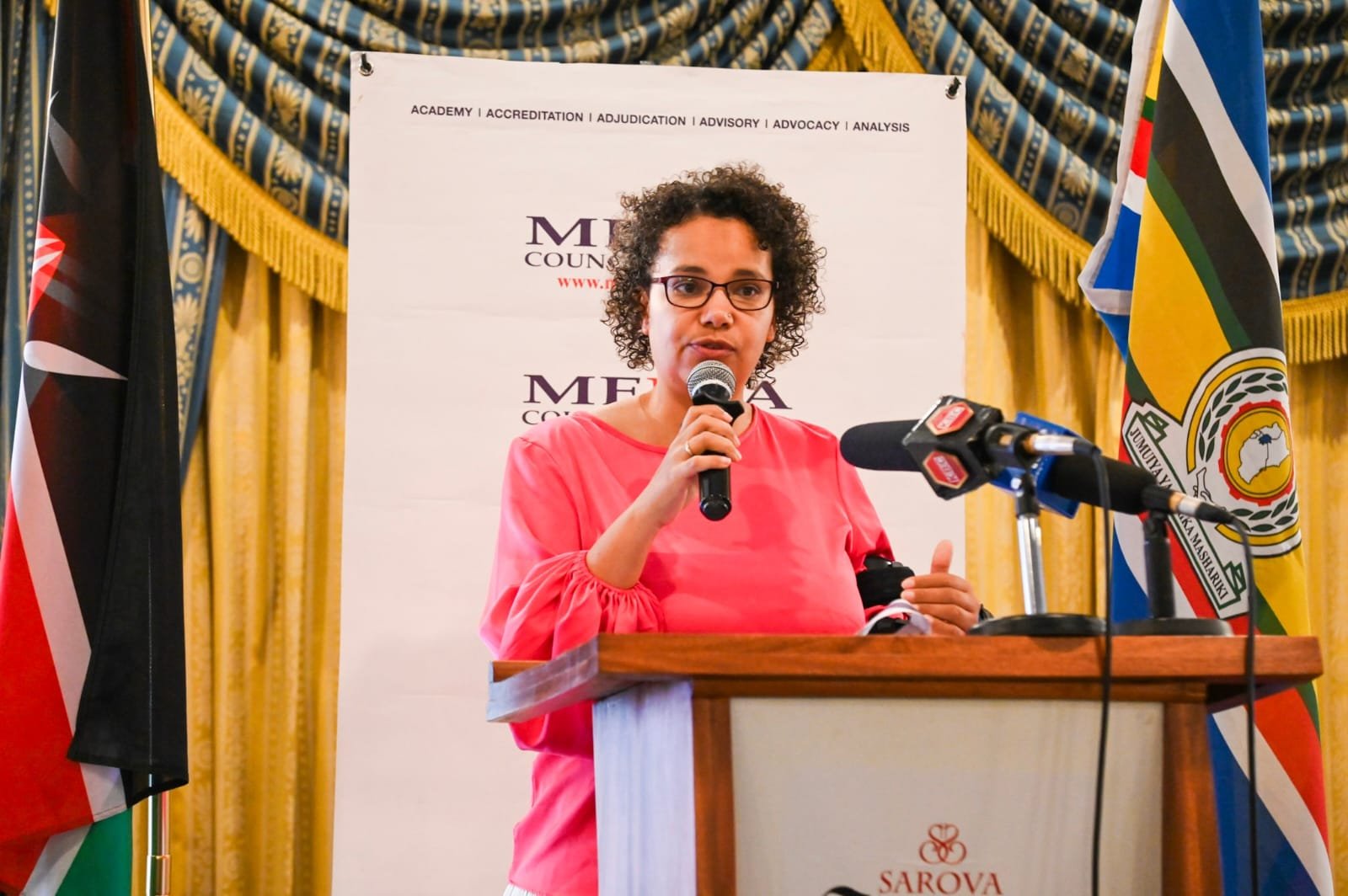
Maina Muiruri Chairperson of Media Council of Kenya linked information integrity to investment in quality journalism, arguing that journalists must be able to process, verify and contextualise information rather than simply add to the volume of content available to the public.
Trust deficit and the electoral commission
Dr. Oliver Waindi, Executive Director of Uraia Trust, brought the discussion to the question of public trust, which he said may decide whether accurate information is believed.
Kenya, he said, is suffering from “extremely high levels of trust deficit,” with citizens distrusting institutions of governance for reasons rooted in the country’s troubled past. “We’ve had a very chequered past,” he said, adding that he understood why so much mistrust exists.
Speaking about the electoral commission, Dr. Waindi said that as someone who works closely with the IEBC and has observed several elections, he has “a good feeling” about the current commission’s ability to deliver a credible election.
He said the commission has done nothing out of the ordinary to warrant distrust, and that Kenyans have a responsibility to support it.
He said Kenya has a habit of turning the electoral body into a “punching bag” whenever an election approaches, with both the opposition and the government blaming it for real and imagined problems. That leaves the commission in a position where it is criticised whether it acts or not, he said.
Dr. Waindi said the commission is not getting the support it needs, either in budget allocation or public backing. He called on Parliament to provide the funding required for what he described as elections of national, regional and historical significance, and urged politicians to stop attacking the commission.
He linked this directly to the information environment. When politicians use disparaging language against the electoral body, he said, Kenyans end up believing politicians more, because politicians are skilled at persuading people to follow false premises, including by discrediting the commission. Giving the commission a chance to deliver a credible election, he said, would help hand over a better country to the next one.
On whether Kenyans can be taught to trust the commission, he said the challenge is not one of hardware. The country, he said, knows what needs to be done. The harder part is what he called “software”: skills and attitudes. Civil society is doing its best to educate the public, he said, but civic education can only change knowledge, not attitudes and skills.
“Trust is earned,” Dr Waindi said. As Kenyans see improvement in how elections are delivered, he said, the country may eventually have an electoral commission that is trusted as it ought to be.
Institutions and citizens share the responsibility
Charles Dulo of the Commission on Administrative Justice called for stronger institutional mechanisms, clear procedures, proactive disclosure and information that is both accessible and comprehensible.
The discussions also placed responsibility on citizens to verify information before sharing it, while urging public institutions to communicate early and clearly.
For journalists, speakers said access to information remains the raw material of verification. Without authoritative information, journalists can struggle to establish whether claims circulating online are accurate, misleading or deliberately false.
That challenge is expected to intensify as Kenya moves closer to the 2027 election, when political communication, social media and artificial intelligence will increasingly shape the information environment.
The United Nations notes that informed citizens are better positioned to make decisions, including when going to the polls, and describes universal access to information as a cornerstone of healthy and inclusive knowledge societies.
For Kenya, the significance of the September 28 commemoration therefore extends beyond marking an international observance. It is a reminder that access to information is not simply about making documents available. It is about ensuring that Kenyans can obtain accurate, timely, credible and understandable information before misinformation fills the gap, and that they trust the institutions providing it.
As the country approaches another election, stakeholders say strengthening that access, and the trust that goes with it, will be critical to enabling citizens, journalists and institutions to navigate an increasingly crowded and contested information environment.