|
Getting your Trinity Audio player ready...
|
By Elizabeth Angira
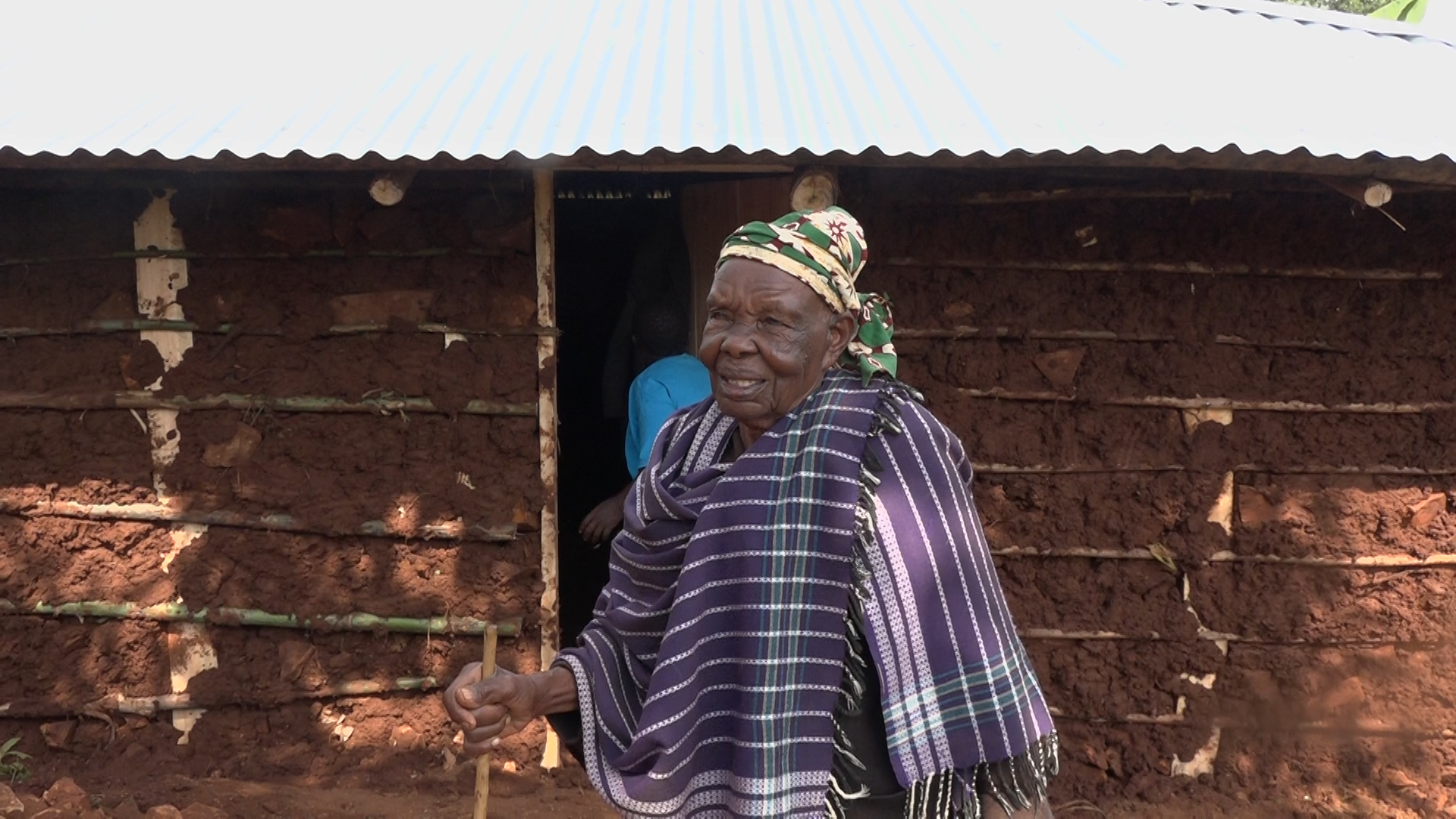
Nyamira, Kenya: For Sabina Kerubo, caring for her 72-year-old mother-in-law, Hellen Nyaboke, has become a full-time job. It demands patience, constant watchfulness and a great deal of sacrifice.
Kerubo lives in Nyamira. She never imagined that a woman she had known and lived alongside for so long would one day struggle to even just recognise her, other relatives and friends or tell vegetables from weeds.
The changes were subtle but gradual. Nyaboke had always tended the family garden. Then Kerubo began to notice something odd. Instead of pulling out only the weeds, Nyaboke would prune everything, vegetables included. Sometimes she carried the weeds home and cooked them, unable to see any difference.
“At first, I did not understand what was happening,” Kerubo recalls.
Then came the tea. Nyaboke would use up all the flour, all the tea leaves and all the sugar in the house in a single sitting.
“She would cook all the flour and put in all the tea leaves and sugar when preparing tea. I started feeling that something was very strange,” Kerubo says.
Nyaboke also began to forget where she had put things, and ordinary chores became harder to manage on her own. Slowly it started dawning on Nyaboke that this was more than the natural forgetfulness that comes with age.
The diagnosis came as a shock. Dementia was something no one in the family had faced before. They sought medical help, and health workers explained the condition to them. They were also advised not to worry too much about what neighbours might say.
Understanding Dementia
The World Health Organization (WHO) says dementia is a condition that affects memory, thinking and the ability to perform daily activities. It can be caused by many different diseases that damage the brain. It gets worse over time.
“Although more common after age 65, it is not an inevitable part of aging,” says WHO.
Its global health body says health conditions such as high blood pressure (hypertension), high blood sugar (diabetes), being overweight or obese, depression, vision and hearing loss, poor sleep, traumatic brain injury and stroke increase the risk of developing dementia.
“Lifestyle factors such as smoking tobacco, harmful alcohol use, physical inactivity, social isolation, and low educational attainment; and environmental factors such as air pollution increase the risk,” says WHO.
Dementia in Numbers
WHO says, in 2021, 57 million people were living with dementia worldwide, over 60% of whom live in low-and middle-income countries.
“Every year, there are nearly 10 million new cases,” it says.
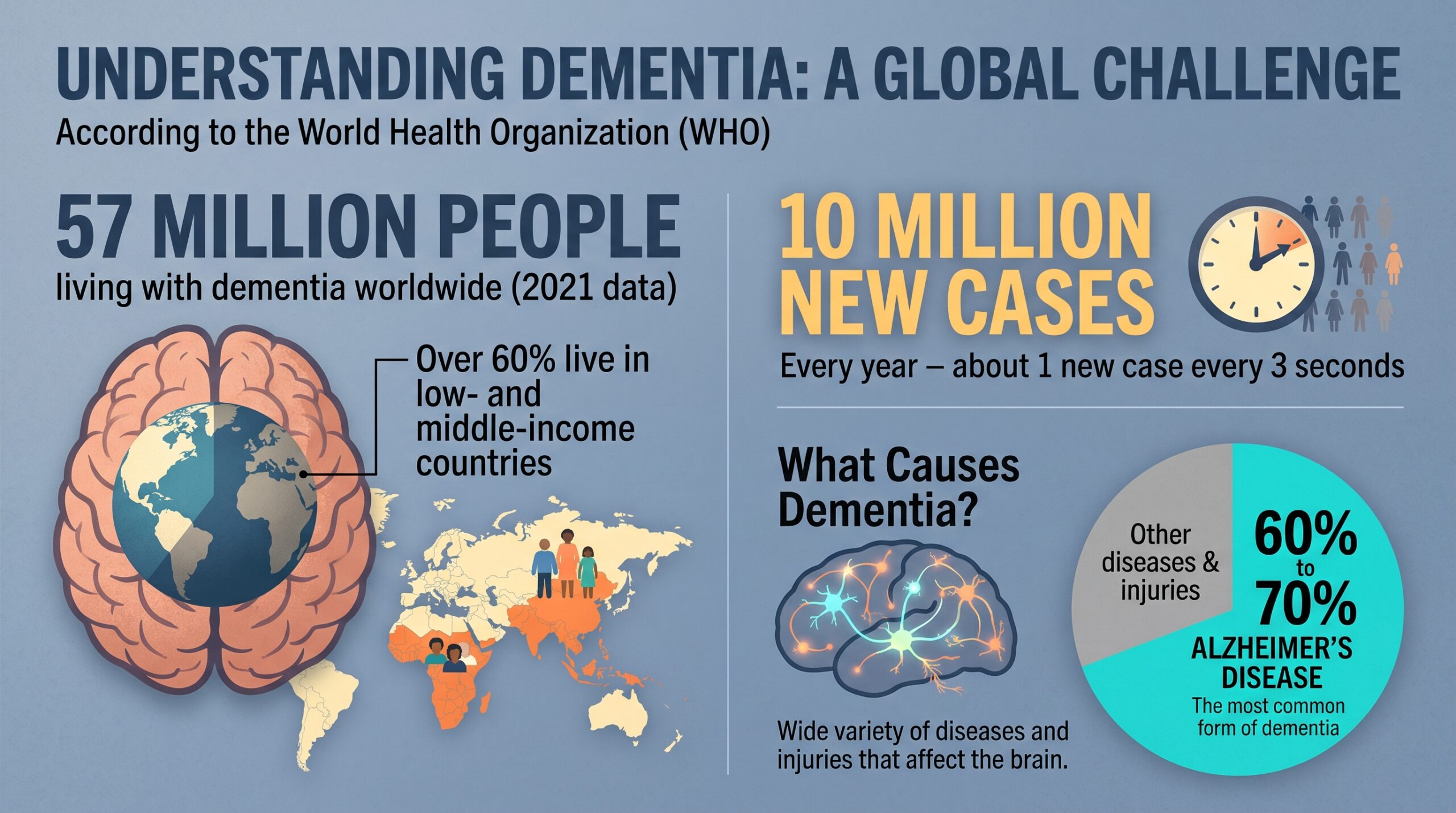
Dementia results from a variety of diseases and injuries that affect the brain.
“Alzheimer disease is the most common form of dementia and may contribute to 60%–70% of cases,” it says.
A Prison Built From Love
But understanding the illness did not make caring for Nyaboke any easier.
Today, Kerubo rarely lets Nyaboke out of her sight. Even a short trip outside the compound feels like a risk. She would wander off without warning, and once she is gone, there is no telling where she will end up.
It has happened before. One day, the fear turned real. Kerubo searched everywhere in panic, until strangers who recognised Nyaboke brought her home.
The experience left Kerubo permanently on guard.
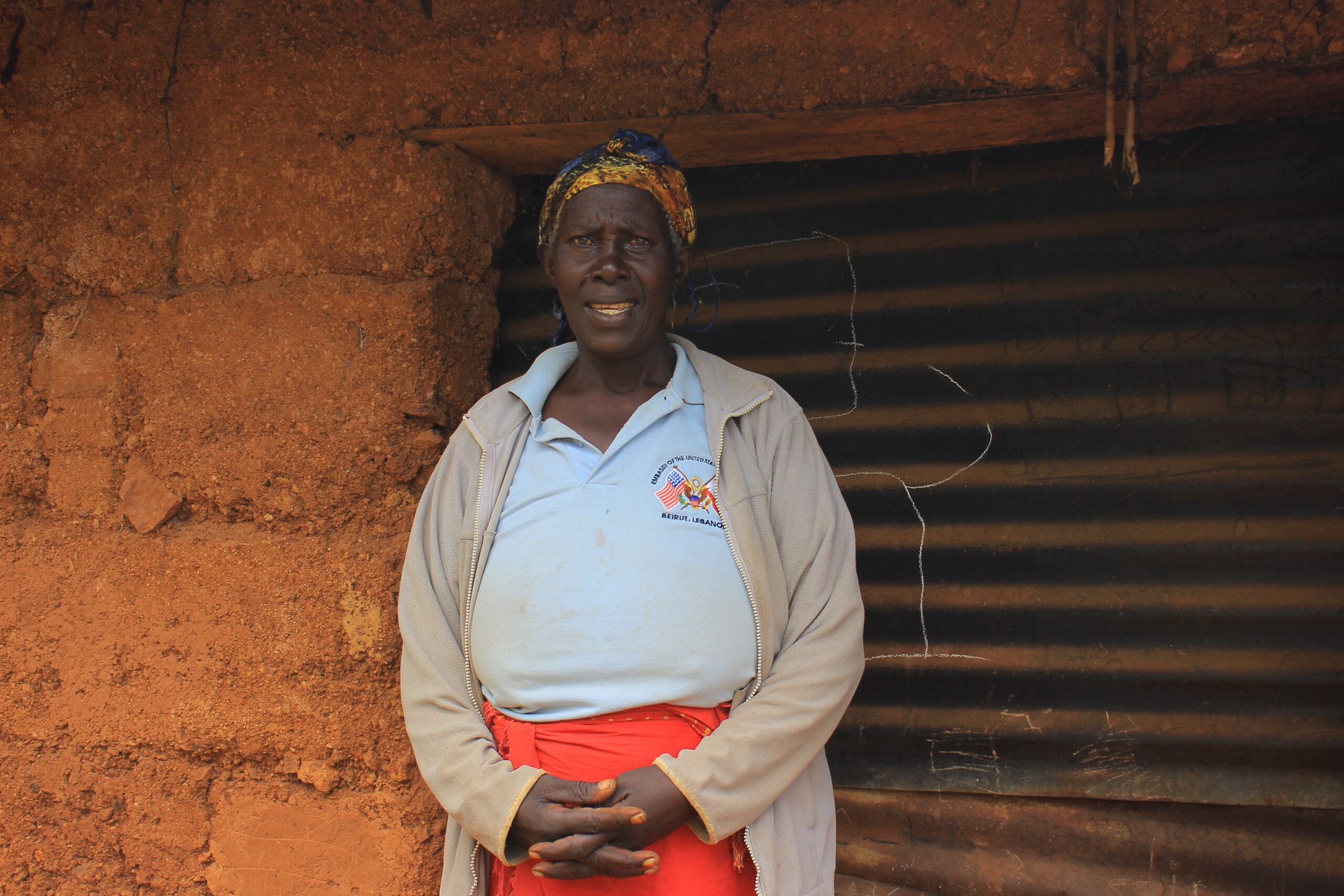
“I have to be on the lookout. She is like a child who has started walking, you never know when she will do something that will harm her or get up and wander off,” she says.
The compound itself holds dangers: sharp objects, fire, electricity and boreholes.
Caregiving has also cost the family income. Kerubo used to pluck tea in the gardens, but she no longer does it.
“You cannot work unless she is near you,” she says.
On paper, the monthly expense of care may look modest. Kerubo puts it at about Ksh. 2,500, with transport and hospital visits accounting for the biggest share. For a household that has lost a source of income, though, every shilling counts.
Forgotten By The Person Who Once Knew Me Best
Yet, as her condition advanced, the woman Kerubo knew began to change.
“It breaks my heart seeing a woman who used to dot us with love and care failing to recognise even us, her immediate family members,” she says.
Still, she says dementia has not altered the love between them. What it has done is teach her to be careful and patient.
“Dementia requires patience,” she says, “Whenever she becomes angry, frightened or restless, we have learnt not to argue or confront her.”
Sometimes she offers Nyaboke her favourite meal. At other times she simply gives her space until she calms down.
None of this came from a manual. Kerubo learnt it through trial and error, and she wishes someone had told her at the start that caring for a person with dementia calls for an entirely different approach.
“Taking care of someone with dementia literally requires a full syllabus to learn how to take care of them,” she says.
The strain goes well beyond the physical work. Kerubo’s sleep has suffered because she has to stay alert at night, haunted by one question.
“What if Nyaboke wakes up at midnight and does something harmful to herself?” she asks.
When Kerubo has urgent business to attend to, she must find someone willing to stay with Nyaboke. The longest she has been away recently was a trip to visit her children in boarding school.
The constant vigilance has left her tired in body and mind. Long hours sitting beside Nyaboke have given her backaches, and watching someone she has known for years slowly lose her memory has taken an emotional toll.
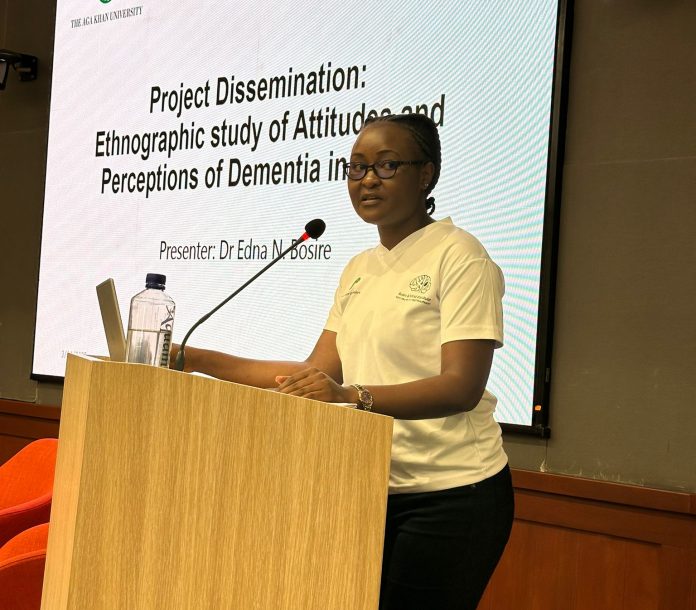
A study by the Brain and Mind Institute at Aga Khan University, titled The Ethnographic Study on Attitudes and Perceptions of Dementia in Kenya, found out that caregivers sacrifice their time, health and livelihoods to care for loved ones with dementia.
“Our research shows that they feel isolated and overwhelmed, lacking even the most basic information about how to support a person living with dementia,” said Dr. Edna Bosire, an assistant professor at the Institute.
The study, which looked at how patients, caregivers and health providers at Aga Khan University Hospital in Nairobi view the condition, found out that many do not know where to go for help, and those who do often find that healthcare facilities are not equipped to provide specialised dementia care.
WHO says dementia affects a person’s independence, dignity and safety, and it places heavy burdens on families and caregivers.
“It costs the global economy an estimated $1.3 trillion (Kshs. 168.90 trillion) a year, and about half of that comes from unpaid care given by relatives and friends,” it says.
When Neighbours Start Whispering
The Aga Khan also assessed how well communities in Nairobi’s informal settlements understand it.
“Many patients viewed symptoms such as forgetfulness as a normal part of ageing, delaying care-seeking behaviour,” said Dr Edna Bosire, an assistant professor and medical anthropologist at the Institute.
Stigma and limited knowledge caused further delays, and some caregivers kept patients indoors to avoid being judged.
For Lilian Kwamboka, who cares for her mother, Jane Nyarinda, the pain has been made worse by what people say.
At first, some in the community called Nyarinda a mad woman. Others said she had been bewitched, or even labelled her a witch. Some teased and laughed at her because she had lost her memory and could no longer recognise them. The remarks wounded the whole family.
“It is heart wrenching to hear your ill mother badmouthed,” she says.
Kwamboka believes communities need more civic education to understand dementia and stop blaming it on supernatural forces. She wants them to know that it is a health condition, not witchcraft or madness.
Her family chose to go to a health facility rather than turn to traditional or religious remedies. There, doctors explained the illness and helped them understand what they were facing.
The Aga Khan University study, however, found out that primary health facilities are usually the first stop for people with dementia.
“But with little knowledge or training in the condition, they are also a source of misdiagnosis,” it says.
The researchers note that patients are often treated for depression, hallucinations, malaria, arthritis and other illnesses.
“Before the patient can see a specialist like a neurologist, they have gone through misdiagnosis and treatment for other conditions that actually they don’t have,” said Dr Bosire, who is the study’s principal investigator.
A Call For Better Support
Kwamboka is grateful to the health workers who have tried to sensitise the public about dementia and how members can look after someone living with it. But she says the information falls short.
“It is too hectic to start learning from scratch on how to handle them,” she says.
She would like trained personnel to play a bigger part in supporting families.
“If only national and county governments would have facilities and specialist doctors to take care of dementia victims at local levels it would make things easier,” she says.
This would save the time, money and efforts families spend by traveling long to reach health facilities.
In the Aga Khan study, health providers listed their own obstacles: a shortage of neurologists and neuropsychologists, no national dementia care protocols to guide diagnosis and treatment, limited diagnostic tools, and no formal support systems for patients and caregivers.
Most patients had no health insurance and paid for diagnosis and treatment out of pocket. Even for the insured, cover often ran out because diagnostic procedures are so expensive, and some insurers do not cover degenerative conditions like dementia at all.
“Providers frequently had to prioritize tests based on a patient’s financial capabilities, which could compromise comprehensive diagnosis and care,” the study reads.
The Moments Outsiders Do Not See
Despite the hardship, Kerubo and Kwamboka continue to care for their relatives with the same affection they have always had. Dementia has not erased the bond. It has changed how that care is shown.
Kerubo now watches over Nyaboke the way a parent watches over a child, making sure she is safe, clean, well fed and comfortable.
The hardest moments are often the ones nobody else sees. One of the most difficult is when Nyaboke needs to answer a call of nature but forgets what to do, and sometimes ends up relieving herself inside the house. Moments like these test a caregiver’s patience.
Yet the commitment does not waver. Kwamboka says that if Nyarinda could one day understand everything done for her, there is one thing she would want her to know: that her daughter never stopped caring.
“I would wish she could remember how I have cared for her like a little baby, making sure she is clean and smart,” Kwamboka says.
Dementia has taken away many of Nyaboke’s memories. It has not taken away her family’s duty to look after her with dignity.
What The Experts Say
These stories point to a burden that rarely gets noticed: the family caregivers who give up income, sleep, personal time and sometimes their own health to look after someone they love.
Dr. Moses Kibegwa, a neurosurgeon, says burnout is among the biggest difficulties facing caregivers at home.
“Caring for someone living with dementia is a 24/7 task,” he says, “A person with dementia may not sleep, or may wake in the night wanting to wash curtains or go to town.”
He adds that caregivers may have to reorganise their lives to keep the person safe, because familiar kitchen tasks can become dangerous. They must also learn to cope with physical aggression and lapses in hygiene.
Psychiatrist Dr. John Omambia says education can reduce the stigma attached to dementia symptoms and change how society sees what is often called a “slow motion disaster.”
Dr. Omambia says: “Even sympathetic people tend to use demeaning language, describing a person as “lost” to their family, dementia as a “long death,” or someone as “fading away.”
He advises caregivers and family members not assume that a person living with dementia is a passive recipient of care, forgetting that they are still active agents in their own lives and can still participate in the world around them.
Every person’s experience of dementia is different, he explains, shaped by their abilities, their surroundings and how the disease progresses.
Seeing the symptoms as a disability rather than only a disease can help caregivers work around reactions that are sometimes baffling.
He says many of their actions might be an attempt to communicate.
“If someone starts hitting in the shower, they might be trying to tell you that the water is too cold or hot,” he says.
The question for caregivers, he says, is what in the environment needs to change when a person can no longer put their needs into words.
Treatment Is Not A Pill, It Is A Person
There is no cure but WHO says up to 45% of the risk can be linked to factors that can be changed.
These include tobacco, alcohol use, social isolation, physical inactivity, air pollution, and noncommunicable diseases such as high blood pressure and diabetes.
“Countries now have clear, evidence-based recommendations they can put into practice immediately to protect people’s cognitive health,” says Dr. Tedros Adhanom Ghebreyesus, WHO Director-General.
A Way Forward
The study recommends affordable care packages for dementia patients, including bringing them under the national health insurance scheme and subsidising services such as diagnosis.
It calls for public hospitals to be equipped with the tools needed for early screening, and for more health workers to be trained in neurology.
It also urges awareness campaigns at community level to make communities more dementia-friendly and improve access to services.
It further proposes dementia-specific policies, more research into how widespread the condition is in Kenya, and training to help caregivers manage care effectively.
For Kerubo, the message to her community is simple: understand the condition, support caregivers and, above all, treat people living with dementia with dignity.