|
Getting your Trinity Audio player ready...
|
By Mary Mwendwa
NAIROBI, Kenya — As African nations brace for another round of global climate negotiations, one of the continent’s leading climate scientists is warning that the very science meant to save the planet is being weaponized to take African land.
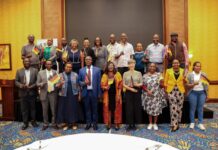
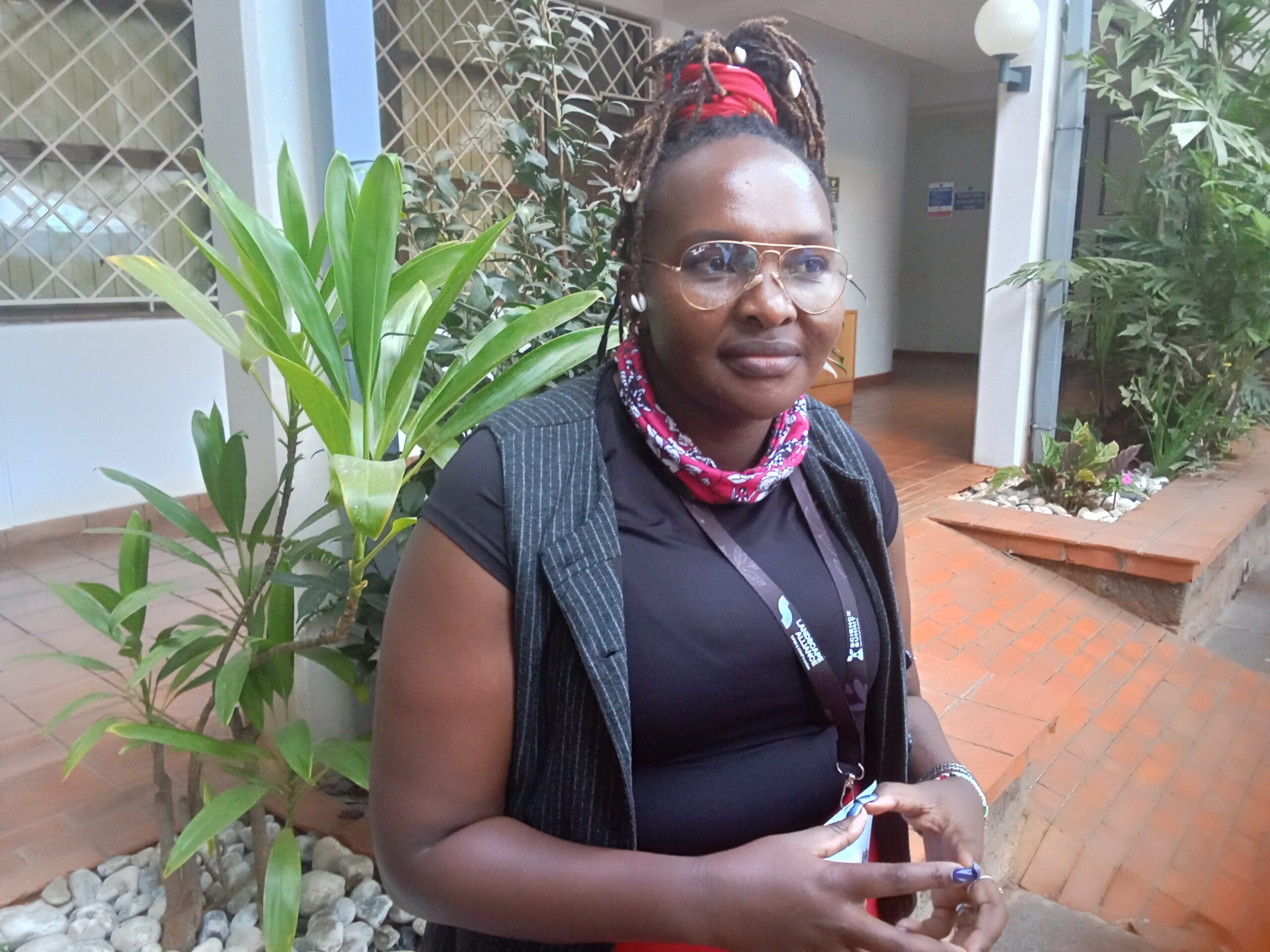
Dr.Joyce Kimutai, a climate scientist and a lead author on the Intergovernmental Panel on Climate Change (IPCC), and a key negotiator for Kenya at UN climate talks, spoke exclusively to TalkAfrica’s Mary Mwendwa on the sidelines of the Science Summit held this week in Nairobi, organized by the Landscape Alliance (formerly CIFOR-ICRAF).
In a wide-ranging interview, Kimutai unpacked the troubling paradox at the heart of global climate policy: sub-Saharan Africa, responsible for just 4 percent of global emissions, is being asked to bear a disproportionate burden of carbon sequestration—on land that communities depend on for food and survival. From the overshoot report released last week to the carbon market deals being signed without community consent, from the gap between pledges and action to the urgent need for a unified African voice, Kimutai spoke with rare candor about the inequities driving the climate crisis and what must change before it’s too late.
Q: You’ve been attending this Science Summit focused on food systems and climate financing. What are the key issues you’re thinking about as an African climate scientist?
Dr. Kimutai: As an African climate scientist, I’m really thinking about how resilient African economies are to changes in climate extremes—whether it’s weather shocks or climate shocks as the climate continues to warm. And it’s actually the resilience of the food sector. How food secure or how food resilient are we as a continent as the climate continues to warm?
We know that as the climate warms, we’re seeing increases in the frequency and intensity of extreme weather events—droughts, extreme rainfall causing flooding, heatwaves, tropical cyclones. These extreme weather events continue to dampen the resilience of our food systems. They reduce domestic production in the agricultural sector and increase prices because if we don’t have food, we have to import. And most imports are paid for in foreign currencies.
Q: You mentioned land being a permanent agenda in negotiations. Can you elaborate on that?
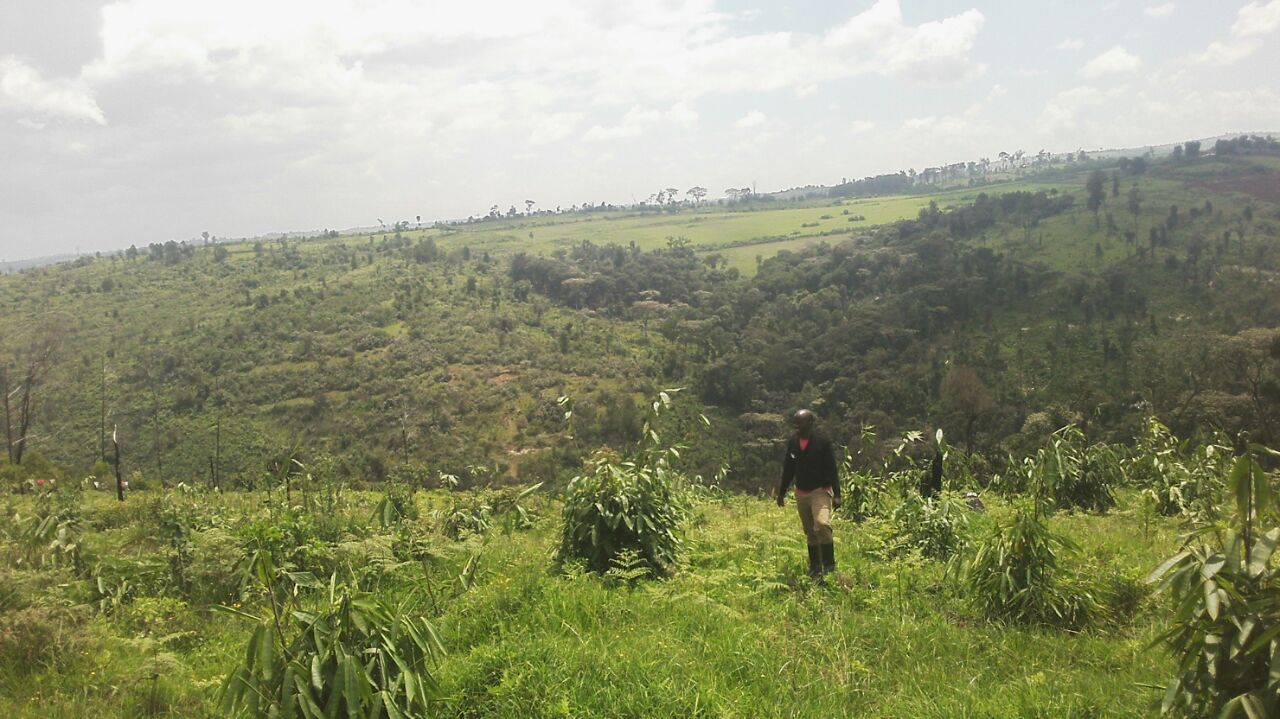
Dr. Kimutai: When we talk about global mitigation pathways, a critical gap that exists now is that a huge, substantial burden of mitigation has been assigned to the Global South, particularly sub-Saharan Africa. Most of this would mean that a lot of sub-Saharan African land will actually be committed to sequester carbon, to remove carbon.
A lot of carbon market projects that we see now are not just an artifact of an economic need to get resources out of our land—this is actually something that stems from science. I am part of discussions where much of this happened in labs, in modeling activities, where a lot of assumptions were put into understanding how mitigation is going to happen in the future.
The huge gap we see in mitigation pathways is that they do not consider changes in consumption patterns, population patterns, or rapid urbanization in sub-Saharan Africa. What has come out of that is that a lot of carbon sequestration needs to happen in sub-Saharan Africa. And that’s why you see this need to use African land to sequester carbon.
Q: Why is this a problem?
Dr. Kimutai: This is going to compromise food security on the African continent. If we are committing more land to sequestering carbon, it means there will not be sufficient land to provide food and water for a growing population.
And then that brings me to a discussion that is already happening in some landscapes where communities are up in arms. They’re saying their land is being taken and contracts are being signed. They do not have enough information about the agreements regarding their land being used for carbon sequestration.
Q: You mentioned equity. Can you explain that?
Dr. Kimutai: Sub-Saharan Africa is only responsible for 4 percent of global emissions. But now, with all this burden being placed on it, that is a question of inequality and injustice. And so you see a lot of communities actually not even being involved in these carbon market projects. You find that a deal is being struck between a broker and a few institutions without involving communities.
But I think a very critical question we need to ask is: what framework can actually support communities? If there are going to be carbon projects, how do those projects actually support communities themselves? Go to the grassroots, to the farmer at the village level.
We know of a case now in Laikipia where there’s a case in court where the community doesn’t really see the benefit of an agreement that was signed many years ago. These are discussions I’m speaking about as a scientist because I know how these discussions began. I know the foundation. It’s actually based on science. People model future pathways without considering very critical issues about who is responsible, what changes will happen in terms of populations, urbanization, or thinking about common but differentiated responsibilities, especially in mitigation.
Q: What is science saying about the timeline for climate impacts? Do we have data for the next 5 or 10 years?
Dr. Kimutai: There is a report that came out last week called the Overshoot Report. This report basically says we’ve committed to 1.5 degrees of warming. What that means is that within the next few years, we will inevitably surpass 1.5.
The reason this goal was set for us as a globe was to avoid these dangerous impacts of climate change because we knew from science it was very clear that if we surpass 1.5 or 2 degrees, we’re going to experience widespread, devastating impacts of climate change—things that we can’t even adapt to.
A good example is what happened in Paris two weeks ago. This is an event that no one could adapt to. You’re having glaciers or climate systems just breaking in a way that you cannot prepare for. Even an early warning system cannot help you. This is exactly what we were saying we needed to avoid by keeping warming below 1.5 or 2 degrees.
But that Overshoot Report is basically saying that now that we’ve committed to that warming, we will see impacts. There’s something called overshooting—trying to bring the warming back to 1.5. But unfortunately, we don’t have the technology to bring the warming back to 1.5. So most of what will be used to bring warming back to 1.5 is actually land. The removal of carbon will largely depend on land. And who has the land? If you go to the north, a lot of land has been committed. So it’s actually the Amazon; it’s the Congo Basin. And now they’re moving to Africa.
Q: As a negotiator for Kenya, what are you enthusiastic about bringing to the table?
Dr. Kimutai: This is the discussion we are thinking about. You heard me mention today these structural deficiencies that have been created in our system—in food, in energy, and in technology.
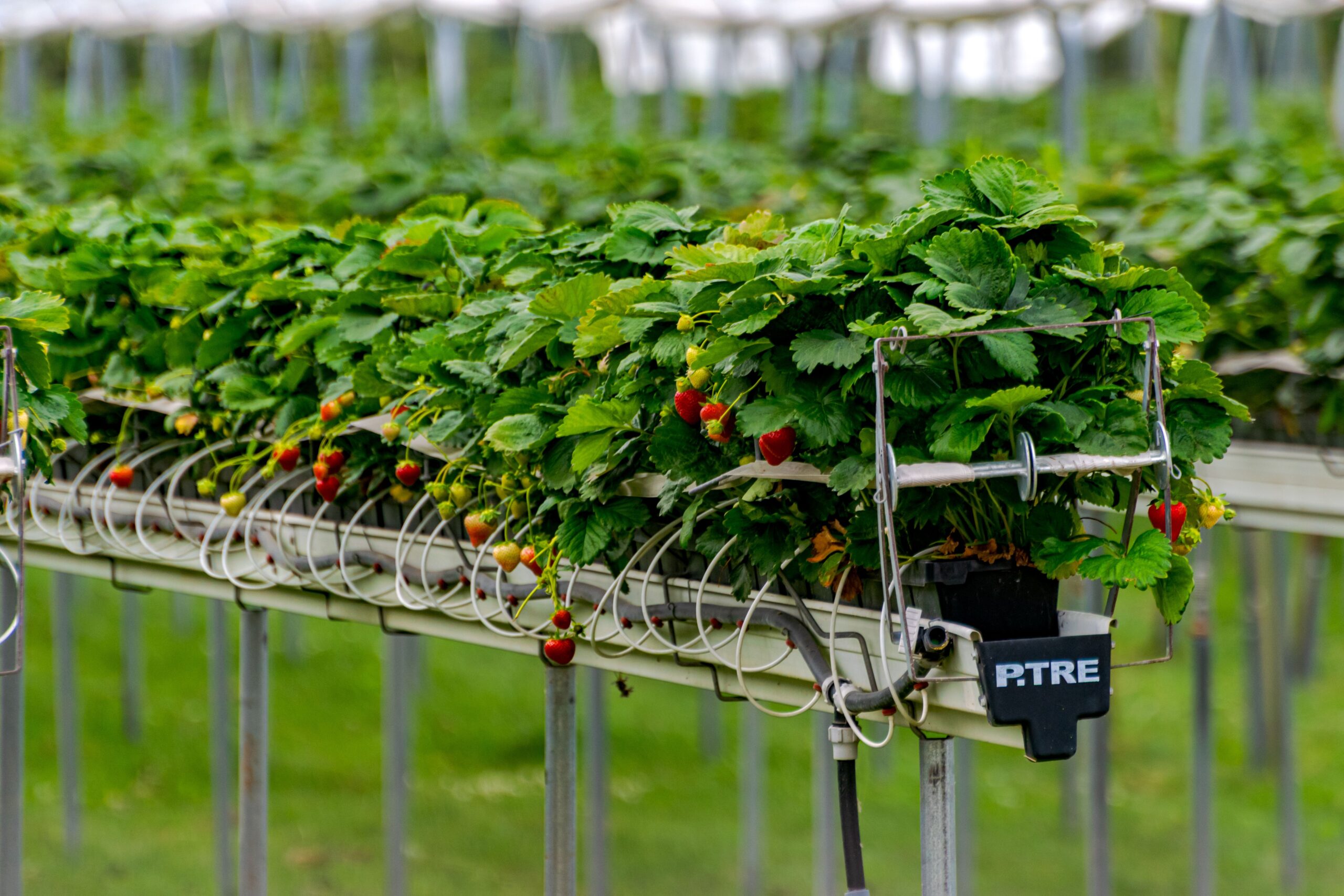
For example, we are not food secure at all as Africa. And it’s such a pity because we have huge arable land. There are figures that say Africa could feed almost the entire globe. But we are still importing food. In Kenya, for example, we import maize. It’s such a pity.
So I think what we are having discussions about with other scientists is thinking about the discussion from COP30 about implementation—not just thinking about what needs to happen, the workshops, all the discussion, but really thinking about what, in terms of climate finance, is required to make Africa food secure, food resilient as this warming continues. Because this is a crisis we did not cause.
An equity imperative would mean that it’s actually for countries who are responsible for the warming or responsible for the emissions to support countries that are least responsible and need these resources the most. We’re really thinking about food security, energy security, and technology security.
And I hope we can have—which I think is very important—a joint African position. Because for the longest time, that is what has divided us. We go to negotiation rooms with African countries speaking different languages, which I think has been a problem. But a lot of scholars now on the African continent, a lot of Pan-African scholars, are saying this is actually the only game changer, the only path to success for us.
The path to success is coming together, having a joint voice, understanding what our issues are, sitting at the table and saying: “54 African countries, this is what we want.” Whether it’s about our natural resources—copper in Zambia, cobalt in DRC, diamonds in South Africa, oil in Nigeria—how do we come together to trade our own resources to make sure that we benefit from them? Otherwise, we will be barging into colonial and neocolonial extractive systems that continue to extract from us and continue to make us dependent and food insecure.
Q: When you go for negotiations, you’re at par with what countries commit to. But when you come on the ground as a scientist, do they match? What disparities do you observe?
Dr. Kimutai: The problem with pledges and commitments in climate discussions, in the core process, for example, is that most of it can be in the form of pledges. Sometimes you go there, you negotiate for days and days only to get pledges which do not actually translate into commitment. And we’ve seen that quite a lot.
For example, on the issue of cutting emissions: if the Global North really wanted to commit to stay on its pledges and commit to cutting emissions, we would not be where we are now. Actually, the crisis that we see now with decarbonization—shifting decarbonization to the South, saying it’s the Brazilian rainforest or the Congo rainforest or African land that is used for decarbonization—it’s because those who are responsible don’t actually want to commit and take the action that is required. And that’s in terms of cutting their emissions, like phasing out fossil fuels entirely, or actually providing the finance that is required.
Q: Is there a role for the African Union in these negotiations?
Dr. Kimutai: There’s been a suggestion about the AU taking a lead initiative in terms of those negotiations. I think it can be a good body because it’s already African. A joint African position, coordinated through the African Union, could be the game changer we need.
Q: What is your message to African policymakers and communities?
Dr. Kimutai: The science is clear. We have committed to warming that will surpass 1.5 degrees. The impacts are already here—droughts, floods, heatwaves. And now, the same science that predicts catastrophe is being used to justify taking African land for carbon sequestration.
We need a framework that supports communities. We need carbon projects that actually benefit the farmer at the village level. We need climate finance that reaches the people who are actually keeping forests standing and producing food.
And most importantly, we need to come together as 54 African countries with one voice. The era of speaking different languages in negotiation rooms must end. Our resources, our land, our minerals, our forests must benefit our people first. That is the path to food security, energy security, and climate justice.