By Henry Owino
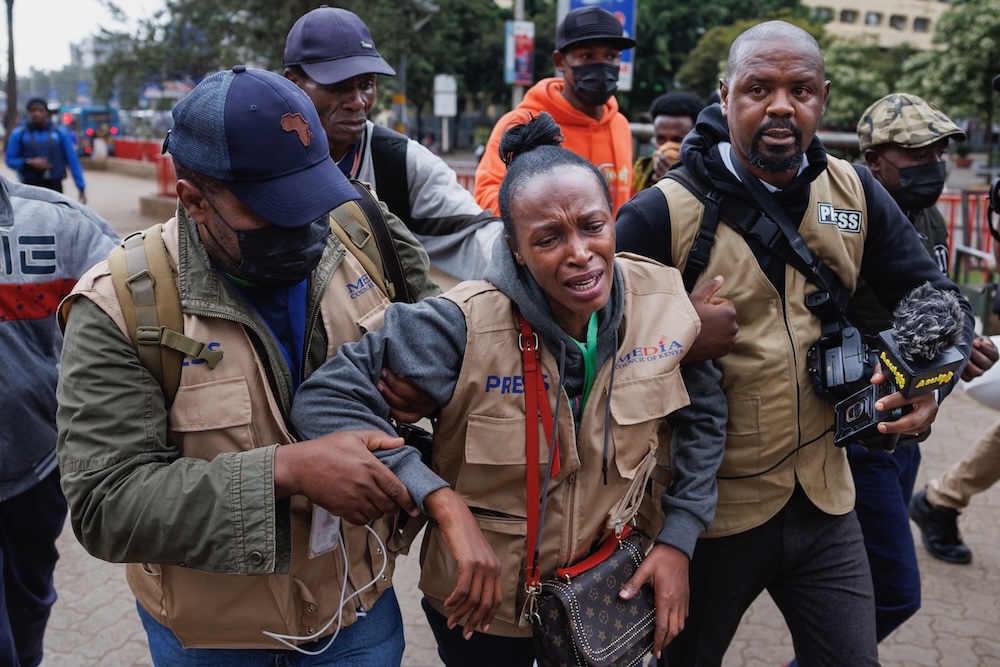
Nairobi, Kenya: Growing threats to press freedom are casting a shadow over Kenya’s preparations for the 2027 General Election, raising serious concerns about journalists’ safety and their ability to inform the public without fear or interference.
Persistent reports of threats, intimidation, abductions, arbitrary arrests, harassment and disruptions to communication signals point to an increasingly hostile environment for media practitioners.
As the country approaches another electoral cycle, journalists are sounding the alarm, demanding firm safety guarantees and protection against attempts to silence independent reporting, restrict access to information and undermine the public’s right to know.
Several journalists are currently operating under a climate of fear and intimidation due to heightened surveillance of their activities by State agencies. The situation has become so alarming that many have opted to work remotely, significantly limiting their movements and avoiding unnecessary public appearances for fear of being monitored, harassed or targeted.
Some journalists have been forced to alter their daily routines, including changing their usual routes to and from work, adjusting their reporting and departure times, and adopting new personal security measures. Others have gone as far as changing their dress codes, modifying their appearance and frequently relocating their residences to avoid detection and potential surveillance.
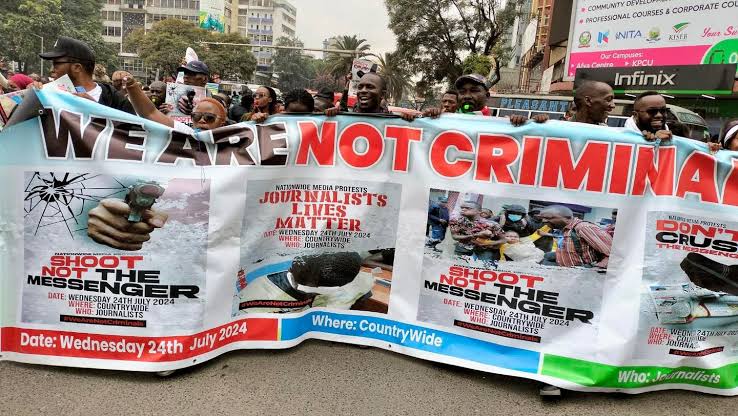
These developments point to an increasingly hostile working environment in which journalists are compelled to compromise their personal safety, freedom of movement and professional responsibilities simply to continue performing their duties.
These were among the disturbing experiences shared by a handful of investigative journalists based in Nairobi, Kenya, during the 2026 commemoration of the International Day to End Impunity for Crimes against Journalists (IDEI).
Observed annually on November 2nd, IDEI provides an opportunity to reflect on threats, attacks and violations targeting journalists, as well as the need to strengthen mechanisms for their safety and protection. This year’s theme was “Enhancing Journalists’ Safety and Protection Mechanisms Ahead of the 2027 General Election.”
Increasingly Hostile Working Environment for Journalists
A majority of the journalists who spoke singled out police officers as the leading perpetrators of violence and brutality against media practitioners while carrying out their professional duties. They recounted experiences of harassment, intimidation and other forms of interference with press freedom, alleging that police officers were frequently responsible for such violations.
The journalists warned that persistent police brutality and intimidation risk creating an environment of fear and self-censorship, undermining the media’s ability to independently report on matters of public interest, particularly as Kenya approaches the 2027 General Election.
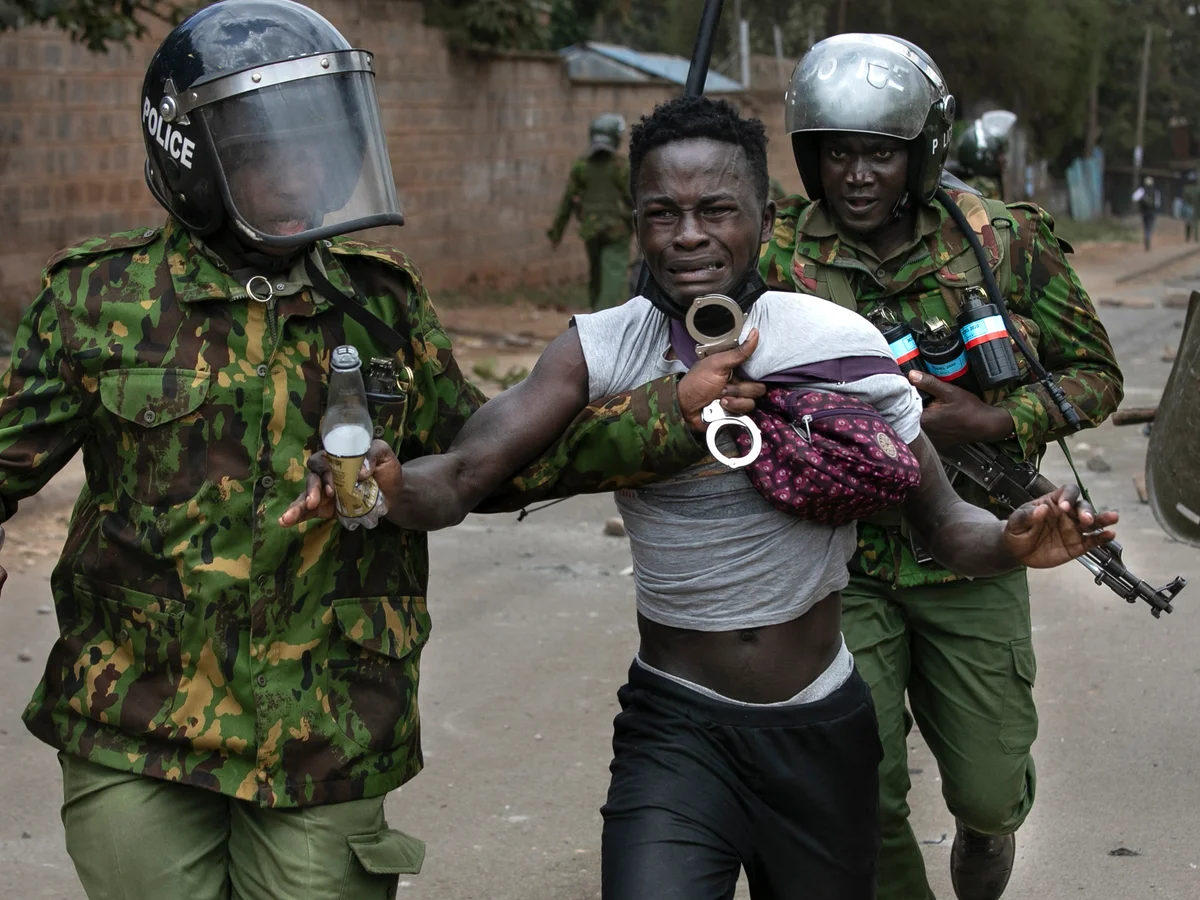
Police are mentioned to be very brutal in handling journalists while both perform different duties though on the same ground. Journalists’ responsibilities are meant to inform the public on situations, while police are to protect life and property by maintaining law and order.
However, in any demonstrations being covered by journalists, police always target the journalists with the aim to arrest, injure and to sojourn their livestreaming or filming for news bulletins.
“I was arrested by police officers while covering a demonstration by activists who were against high-cost fuel making life unbearable within the city centre. Despite identifying myself as a journalist by displaying my press-card and shouting more than seven times, none of them listened but bangled me in a waiting landcruiser as a rogue activist to Central Police Station,” the media personality narrated.
Another group accused of contributing to the insecurity of journalists comprises young people who identify themselves as Generation Z (Gen Z), alongside hired political youth commonly referred to as goons, as well as media colleagues allegedly involved in betraying their fellow journalists.
Goonism and Rising Attacks on Journalists Threaten Press Freedom
According to the journalists interviewed, some of these individuals are allegedly recruited and paid by politicians to physically attack media practitioners or digitally harass them while they undertake their professional duties.
The journalists claimed that such payments are reportedly determined by the severity of injuries inflicted, the extent of damage to media equipment, and the intensity of online attacks, including abusive language intended to intimidate, humiliate or inflict psychological distress on targeted journalists.
The alleged attacks, they said, extend beyond physical violence to coordinated online harassment, intimidation and verbal abuse, creating an atmosphere of fear that threatens journalists’ safety, mental well-being and freedom to report independently.
The journalists expressed concern that the growing use of politically mobilized youth and online harassment tactics could further undermine press freedom and expose media practitioners to heightened risks, particularly as the country approaches the 2027 General Election.
Some journalists also raised concerns about alleged breaches of professional ethics and confidentiality within media organizations, accusing a few editors of being compromised and leaking sensitive information about investigative stories to politicians, individuals implicated in wrongdoing, or other parties with vested interests.
Such disclosures, they said, expose investigative journalists to retaliation, intimidation and threats. In some cases, stories are allegedly shelved altogether or watered down despite the time, resources and effort invested in their production.
An investigative journalist, who requested anonymity for fear of reprisals, revealed that he and his reporting team had once been offered a KES 3 million bribe to suppress a major investigative story scheduled for broadcast just two days later. The team declined the offer but subsequently faced a wave of online threats that forced them to seek safe havens for their protection.
“Nowadays, I work from different locations, minimize my internet usage and communicate using a basic mobile phone. I also avoid sharing the contents of investigative stories with senior management until a few days before publication. These precautions are necessary to protect myself from threats, attacks and possible harm,” the investigative journalist emphasized.
Early Warning Signs Calls for Journalists Preparedness
The growing threats to journalists are warning signs of the challenges facing the media during Kenya’s August 2027 General Election. With many young and relatively inexperienced journalists expected to cover political developments live across all 290 constituencies, the risks of violence, intimidation and professional pressure are likely to increase.
Journalists deployed to unfamiliar counties may face hostility from residents, language and cultural barriers, volatile political environments, police brutality and pressure from newsrooms to deliver real-time reports, often without editing. These challenges are compounded by fatigue, limited local knowledge and the demands of livestreaming.
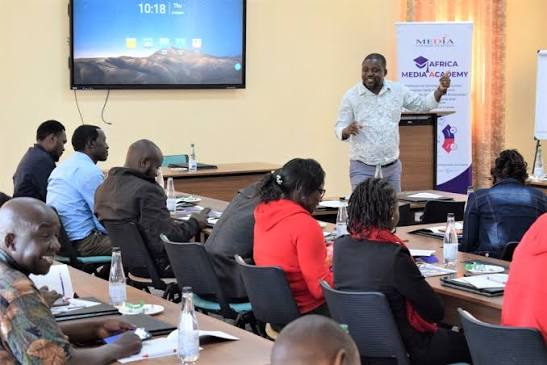
The situation calls for urgent safety training, preparedness and security planning to equip journalists to cover highly contested elections without exposing themselves to unnecessary risks. Failure to address these early warning signs could leave many media practitioners vulnerable to violence and intimidation.
Mapping potential election hotspot counties is critical at this stage to enable the electoral body, police and media organizations to understand local terrain, anticipate security challenges and establish coordinated safety measures.
Although journalists are expected to uphold objectivity, fairness and professional independence, their credibility may increasingly be questioned by politically divided voters, placing them at greater risk of hostility and intimidation while reporting.
The warning signs are already emerging, and the drumbeats of potential electoral violence are becoming louder. There is no room for complacency. Media organizations, security agencies and electoral stakeholders must act now through early-warning mechanisms, targeted safety training, risk assessments and coordinated protection strategies.