|
Getting your Trinity Audio player ready...
|
By Henry Owino
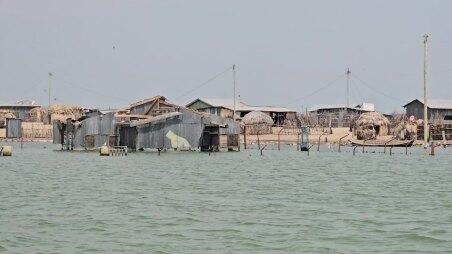
Turkana, Kenya: Lake Turkana in northern Kenya is experiencing rising water levels that are swallowing homes, schools, roads, grazing land, businesses and ancestral burial grounds, forcing communities to relocate and threatening their cultural heritage.
Families in affected areas, including Long’ech and Kalokol, face growing uncertainty as flooding disrupts education, fishing and access to essential services.
The crisis is also undermining livelihoods. Fishermen face declining catches and increasingly dangerous conditions, while fish traders struggle with reduced supplies and rising transportation costs. Some residents have turned to alternative activities, including boat transport, motorcycle services and water vending, to survive. The video Link for the interview.
Scientists attribute the lake’s expansion to several interacting factors, including climate change, prolonged and intense rainfall in the catchment areas, increased river inflows, deforestation, soil erosion and changing land-use practices. The Omo River in Ethiopia supplies more than 90% of the lake’s water. Strong winds also generate waves that push water further inland, intensifying shoreline flooding. Some researchers point to possible geological changes beneath the lake basin.
The expanding lake has also submerged public infrastructure and increased concerns about waterborne diseases. Scientists warn that further flooding could displace more households. The crisis highlights the urgent need for coordinated research, disaster preparedness, safer relocation plans and sustainable environmental management to protect vulnerable communities and their livelihoods.
Climate Change and Human Activities
James Last, a senior research scientist at the Kenya Marine and Fisheries Research Institute (KMFRI), says the primary driver of Lake Turkana’s rising water levels is heavy and prolonged rainfall in the catchment areas of its feeder rivers—particularly the Omo River, which supplies more than 90 percent of the lake’s inflow.
Human activities, he adds, have intensified the impacts of climate change, both deliberately and inadvertently.
“Long-term shifts in temperature and weather patterns, combined with human activities, are driving climate change here in Turkana,” Last explains.
Adding “Deforestation for charcoal and wood fuel, land clearing for farming, and construction have significantly worsened the situation”.
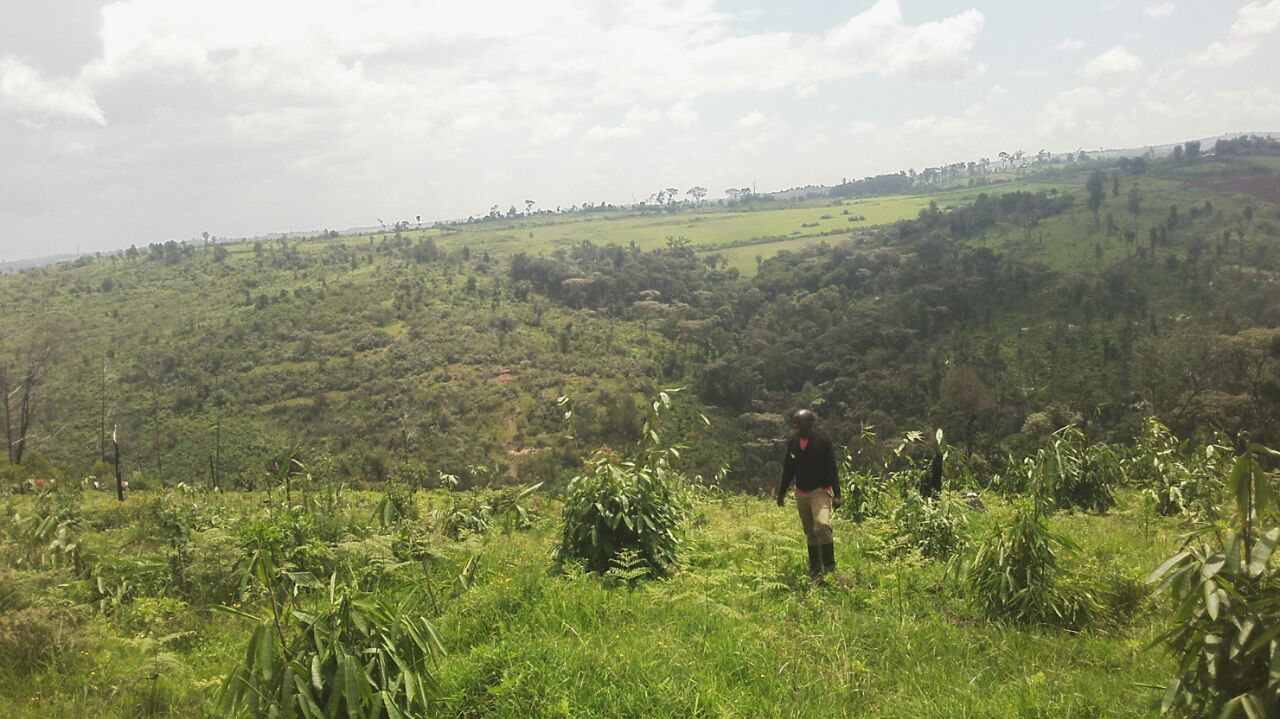
Last notes that land-use changes in the river basins have increased surface runoff into the lake. Clearing forests and expanding agriculture on steep slopes have reduced the land’s capacity to absorb rainwater, leading to soil erosion. As vegetation cover declines, runoff increases, carrying more sediment and water into rivers that feed Lake Turkana, accelerating siltation.
Strong, uninterrupted winds across the lake further compound the problem. Lake Turkana’s vast, open surface with few landmasses to break wind flow—allows winds to act on the water over long distances. Wind speeds frequently exceed 8–10 meters per second, generating large “wind waves” that push water far beyond the shoreline.
“The stronger the wind and the longer it blows, the larger the waves become,” Last says. Adding “Wind strength and duration determine how far water floods inland.”