|
Getting your Trinity Audio player ready...
|
By Mercy Kachenge
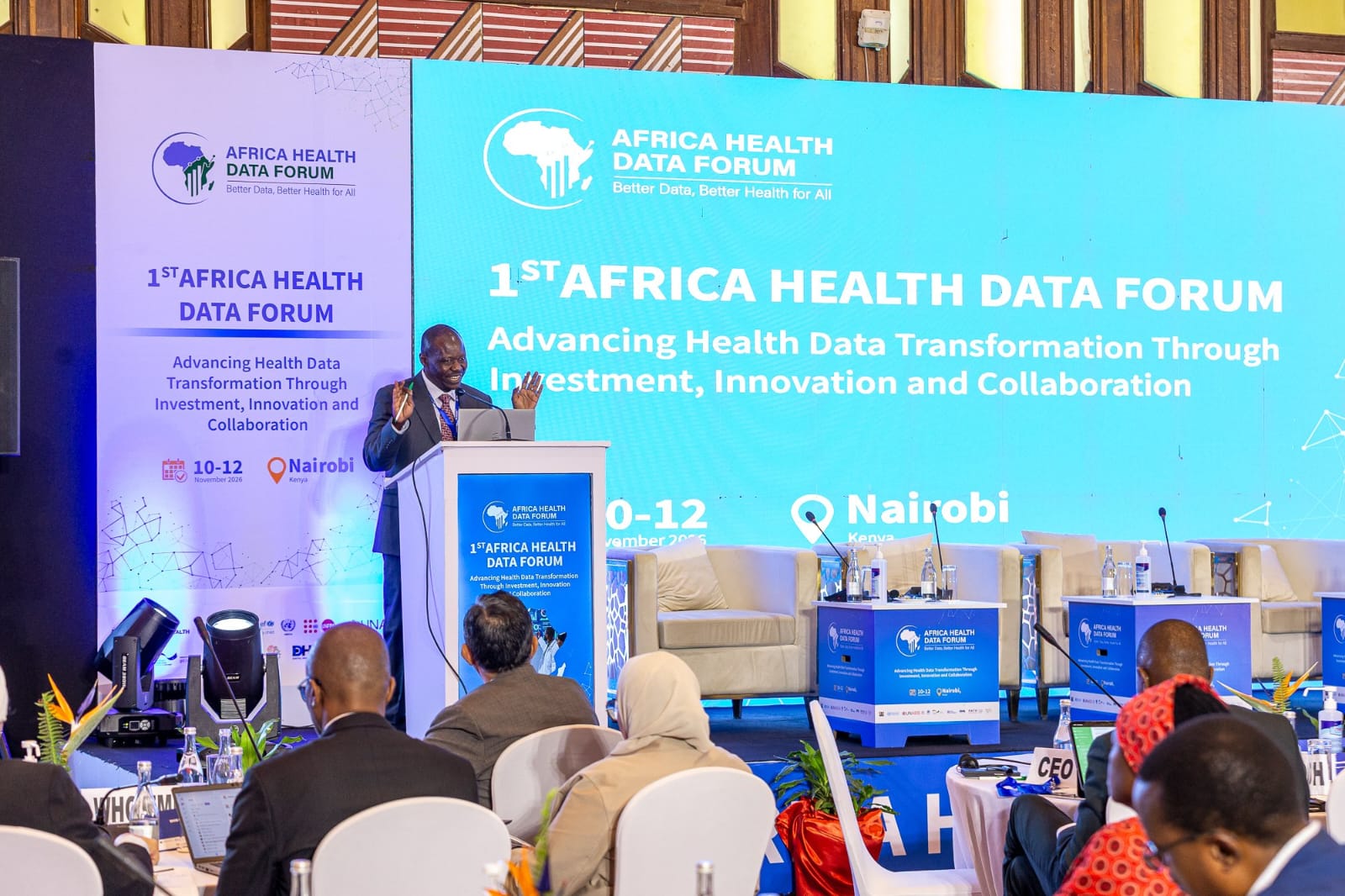
Nairobi, Kenya: On a screen displaying Africa’s health indicators, Dr. Benson Droti moves between country profiles, performance dashboards and interactive data tools. With a few selections, he pulls up Kenya’s health information, compares its performance with other countries and demonstrates how policymakers can track progress towards global health targets.
Then he turns to maternal mortality. What if a government wants to reduce the number of women dying during pregnancy and childbirth? Which health indicators should it prioritize? How might changes in health expenditure, fertility and contraceptive prevalence influence progress towards that target? And how can policymakers identify where investment is most urgently needed?
As Droti, from the World Health Organization (WHO) Regional Office for Africa, demonstrates, these are questions that countries can begin exploring through the Regional Health Data Hub.
Launched in August 2026, the platform is designed to bring together health information from different sources, allowing governments to examine health system performance, compare progress, monitor development targets and generate intelligence to guide policy decisions.
During a live demonstration at the inaugural Africa Health Data Forum in Nairobi last week, Droti showed participants how the platform could move health information beyond conventional reporting.
Rather than simply displaying statistics, the hub allows users to examine relationships between health indicators, explore possible interventions and assess how different policy choices could influence national health targets.
Its development follows a mandate from WHO African Member States in 2024 to establish a regional platform that supports country-owned health information systems and strengthens evidence-based decision-making.
Droti emphasized during the demonstration that the platform was designed for member states rather than as another WHO-owned information system.
Its country profiles allow policymakers to select individual countries, generate information on relevant health indicators and compare performance with other nations. A separate feature tracks progress towards the Sustainable Development Goals (SDGs), using a traffic-light system to distinguish indicators where countries are on track from those where progress remains limited.
Artificial intelligence has also been integrated to generate concise country profiles from available information, potentially reducing the time policymakers spend searching through multiple reports before accessing relevant findings.

Another component under development could significantly change how countries prepare health sector performance assessments.
Droti explained that governments and their partners have traditionally spent between six months and one year consolidating information, analyzing performance and preparing strategic reports, sometimes at a cost of millions of dollars.
The proposed functionality could allow countries to generate initial analytical reports within a day by integrating their strategic plans and performance frameworks into the platform.
This would make it possible to consolidate information continuously rather than waiting until annual reviews or evaluations are due.
But perhaps the most consequential component for health planning is the platform’s scenario intelligence feature.
Using maternal mortality as an example, Droti demonstrated how policymakers could examine the relationship between different health indicators and national development targets.
A government seeking to reduce maternal deaths could explore how changes in selected variables, including government health expenditure, fertility and contraceptive prevalence, might influence progress towards its target.
The model uses conceptual frameworks identifying indicators and variables associated with particular health outcomes. It allows policymakers to explore possible changes, identify areas requiring improvement and use the resulting analysis to inform investment discussions.
It does not guarantee that changing one indicator will automatically produce a particular health outcome. Rather, it provides a structured way of examining potential relationships and considering where policy interventions may be necessary.
For countries where maternal deaths remain a major public health concern, this could strengthen decisions about where investments are most urgently required.
Yet the promise of such technology raises a more fundamental question: how useful can sophisticated health intelligence become when countries still struggle to establish the full extent of their populations’ health needs?
When Numbers Determine Investment
For Dr. Mohamed Janabi, WHO Regional Director for Africa, the challenge extends beyond collecting information to ensuring that it informs decisions that protect lives.
Janabi emphasized the importance of reliable health information in identifying populations missing essential services, understanding health risks and directing investments towards communities most in need.
His message reflected a broader concern running through the forum: countries cannot effectively address health inequalities when they lack reliable information about who is being left behind and why.
For Dr. Abdourahmane Diallo, Director of Programme Management at the WHO Regional Office for Africa, the importance of reliable information becomes particularly clear when governments negotiate public budgets.
He illustrated this through the example of a health minister making a case for additional funding before a finance minister.
Describing overcrowded hospitals, inadequate medicines and overstretched healthcare workers may establish the urgency of the problem, but it does not necessarily demonstrate what additional resources would achieve.
Governments must also account for previous investments, identify preventable deaths and explain how proposed funding will improve health outcomes.
Reliable information provides the evidence needed to make those arguments.
Diallo explained that health information systems are essential not only for planning but also for determining whether public investments are producing the intended results.
A hospital may record thousands of consultations, but those figures do not reveal how many people failed to access care or why some communities remain underserved. Similarly, recording a maternal death does not automatically explain the circumstances that led to it or what interventions could have prevented it.
This distinction matters for African countries where health budgets must respond to competing demands while addressing persistent gaps in essential services.
A WHO assessment of health information systems across 40 countries in the African Region, released during the Nairobi forum, found an overall maturity score of 59 out of 100.
The assessment highlighted weaknesses in financing, governance, coordination and the capacity to analyze and use reliable health information.
Only 18% of the countries assessed reported having a dedicated budget line for health information systems, raising questions about how governments will sustain investments in the infrastructure needed to support digital transformation.
Although 43 of the region’s 47 member states had adopted digital platforms for collecting and reporting routine health information, the assessment identified continuing weaknesses in digital patient records and the ability of different systems to exchange information.
This means information collected by hospitals, laboratories and separate health programmes can remain disconnected, making it difficult to develop a complete picture of population health needs.
The findings expose a challenge facing Africa’s digital transformation: governments are expected to build increasingly sophisticated information systems, yet many have not established dedicated financing to sustain the infrastructure.
The Deaths Africa Is Still Struggling To Count
A second WHO report, Health Data Systems and Capacity in Africa, based on the Global SCORE 2025 assessment of 52 countries, provides a broader examination of progress, strengths and persistent gaps in countries’ capacity to generate and use health information.
One of its most significant findings is the contrast between countries’ ability to review health system performance and their capacity to translate evidence into policy.
The assessment found that 49 of the 52 countries, representing 94%, had achieved a well-developed or sustainable capacity to review progress and performance in their health systems.
Of these, 31 countries, equivalent to 60%, had attained sustainable capacity, while 18 countries, representing 35%, had well-developed capacity.
However, none had achieved sustainable capacity in using health data and evidence for policy and action.
Only 14 countries, or 27%, had well-developed capacity in this area, while 31 countries (60%) remained at moderate capacity and seven (13%) had limited capacity.
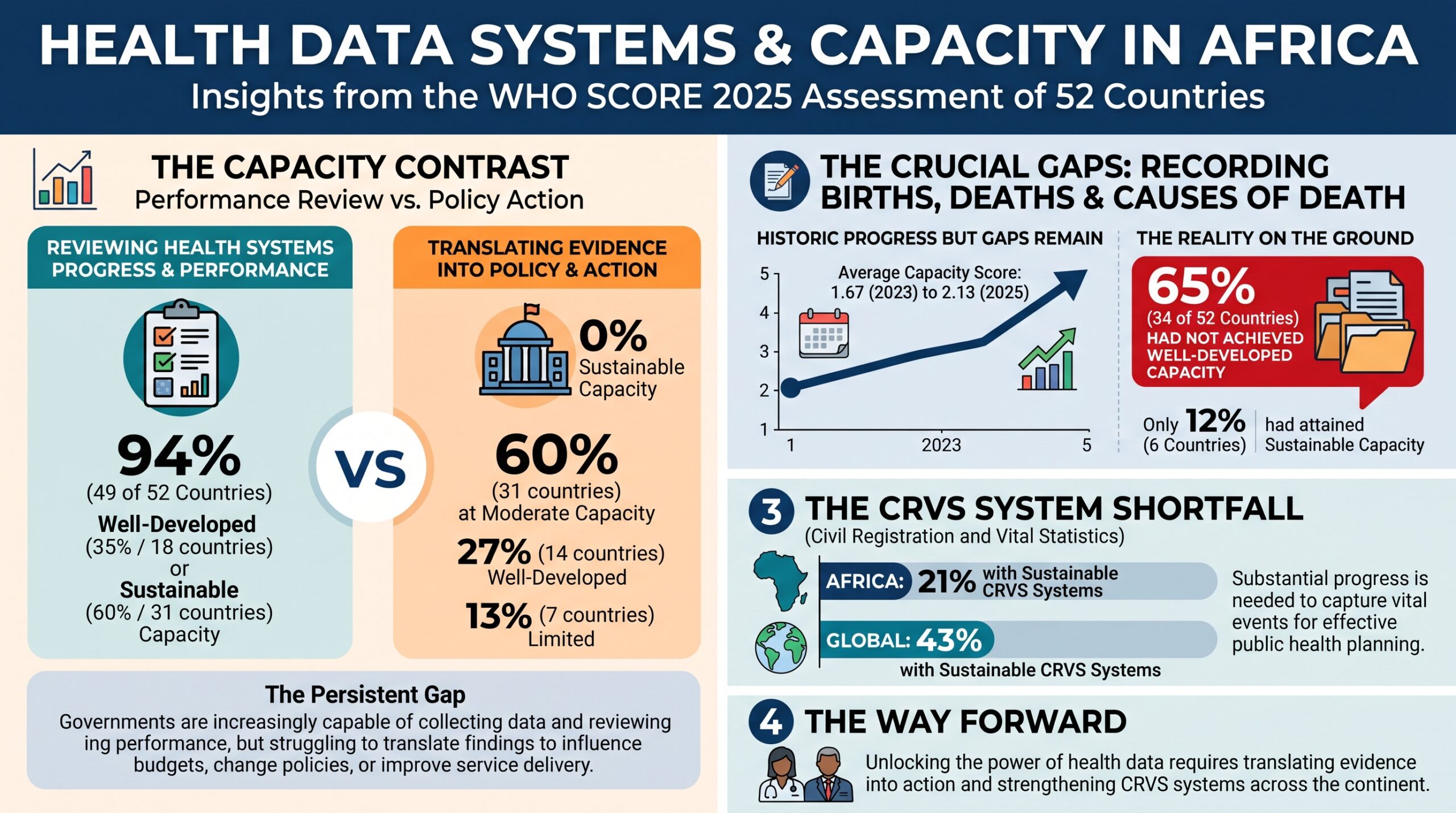
The distinction exposes a significant weakness in Africa’s health information systems. Governments may be increasingly capable of collecting information and reviewing performance, but that does not necessarily mean they can use the findings to influence budgets, change policies or improve service delivery.
Perhaps the most troubling findings concern the recording of births, deaths and their causes.
Although countries have made considerable progress compared with the previous SCORE assessment, the average capacity score for counting births, deaths and causes of death increased from 1.67 in 2023 to 2.13 in 2025 on a five-point scale.
Despite the improvement, 34 of the 52 countries, representing 65%, had not achieved well-developed capacity in this area.
Only six countries, or 12%, had attained sustainable capacity.
The report also found that just 21% of African countries had sustainable civil registration and vital statistics (CRVS) systems, compared with 43% globally.
These weaknesses have consequences far beyond administrative record-keeping.
Accurate registration of births and deaths, including reliable information on causes of death, is essential for understanding population changes, identifying leading causes of mortality, monitoring health outcomes and developing effective public health responses.
When deaths are not adequately documented and their causes established, health authorities may struggle to identify recurring patterns of preventable mortality, detect emerging health threats or determine where healthcare services need strengthening.
For maternal and newborn health, the implications are particularly significant.
Understanding preventable maternal deaths requires more than recording the number of women who die. It requires reliable information about the circumstances surrounding those deaths, including access to antenatal services, emergency obstetric care, referral systems and the quality of treatment received.
Without complete information, governments risk overlooking weaknesses in healthcare delivery and directing resources without fully understanding where interventions are most urgently needed.
The assessment also identified gaps in population-based surveys, which provide information about health needs beyond people who access hospitals and clinics.
Although reproductive, maternal and newborn health indicators are relatively well covered, information on non-communicable diseases, mental health, infectious diseases and household healthcare expenditure remains insufficient.
Only 31% of countries included mental health disorders in their population-based surveys, according to the assessment.
These omissions can leave governments with an incomplete understanding of the health conditions affecting their populations, the financial pressures households face when seeking care and the services requiring greater investment.
The findings suggest that Africa’s data challenge is not simply about connecting digital systems. It is also about ensuring that the information collected reflects the full range of health needs across communities.
Five Priorities For Strengthening Africa’s Health Information Systems
The SCORE 2025 assessment identifies five priority areas requiring coordinated and sustained action across the continent.
The first is strengthening national health information systems through investment in essential infrastructure, institutional capacity and a skilled health information workforce capable of producing reliable, timely and quality data.
The second is improving civil registration and vital statistics systems by expanding and strengthening the recording of births, deaths and causes of death. This would provide more complete mortality information, helping governments understand health risks and improve public health planning.
Third, countries need sustainable financing, including increased domestic investment in population-based surveys and censuses. Such investment is essential to ensure that governments regularly collect information reflecting the health needs and living conditions of their populations.
Fourth, the assessment calls for improved health service information systems and digital integration to support routine information exchange between interconnected health systems. This would reduce fragmentation and enable information collected at different levels of healthcare delivery to inform wider planning and decision-making.
The fifth priority is strengthening coordination and partnerships among governments, development partners and other stakeholders to ensure that investments in health information systems are aligned, sustained and translated into measurable improvements.
Together, these priorities underline that building stronger health information systems requires more than introducing digital platforms. It demands sustained investment in the people, institutions, infrastructure and governance arrangements responsible for generating and using health evidence.
Kenya’s Experience With Fragmented Health Systems
Kenya’s digital health transformation illustrates why integrating information has become an important priority.
Speaking at the forum, Eng. Antony Lenaiyara, Chief Executive Officer of the Kenya Digital Health Agency (DHA), explained that the country had previously struggled with multiple information systems operating independently within healthcare facilities.
An assessment conducted during the establishment of the agency found that some hospitals had approximately 70 different information systems handling different aspects of patient care.
One system could collect information on malaria, another on HIV and others on separate health programmes, without necessarily communicating with one another.
The result was fragmented information that made it difficult to develop a comprehensive understanding of patients’ health needs and use available data for wider decision-making.
Lenaiyara said Kenya subsequently strengthened the legal foundations of its digital health transformation through the Data Protection Act of 2019 and the Digital Health Act of 2023.
The government also sought to create incentives for healthcare providers to adopt digital systems by linking digitization of processes to payments under the social health insurance framework.
According to Lenaiyara, the expansion has been particularly visible in health insurance registration.
He said Kenya had previously managed to register approximately eight million people over more than six decades. With digital registration, the number had increased to 33.5 million, with between 25,000 and 30,000 people registering daily.
The agency has also introduced a drug-tracking solution intended to follow medicines from manufacturers to patients, improving visibility into the movement and distribution of health products.
However, Lenaiyara acknowledged that digitization requires more than purchasing technology. Systems must remain operational, receive maintenance and be upgraded to continue serving healthcare facilities and patients.
He also stressed the importance of public trust, particularly regarding the protection, storage, use and sovereignty of personal health information.
Kenya’s experience demonstrates that digital transformation depends on institutional leadership, legislation, sustainable financing and public confidence, not technology alone.
The Danger Of Leaving Communities Invisible
The opportunities presented by the Regional Health Data Hub and other digital initiatives ultimately depend on the quality and representativeness of the information feeding into them.
If records from remote health facilities are incomplete or certain populations are consistently missing from national databases, policymakers risk making decisions based on an inaccurate picture of healthcare needs.
This is particularly concerning in countries where access to electricity, internet connectivity, trained personnel and functioning digital infrastructure remains uneven.
Artificial intelligence introduces another dimension to the challenge. Systems trained on incomplete or unrepresentative information may generate misleading profiles and recommendations, potentially reinforcing existing inequalities rather than helping governments address them.
The Nairobi forum consequently placed considerable emphasis on strengthening governance, interoperability, the health information workforce, data analysis, responsible artificial intelligence and sustainable financing.
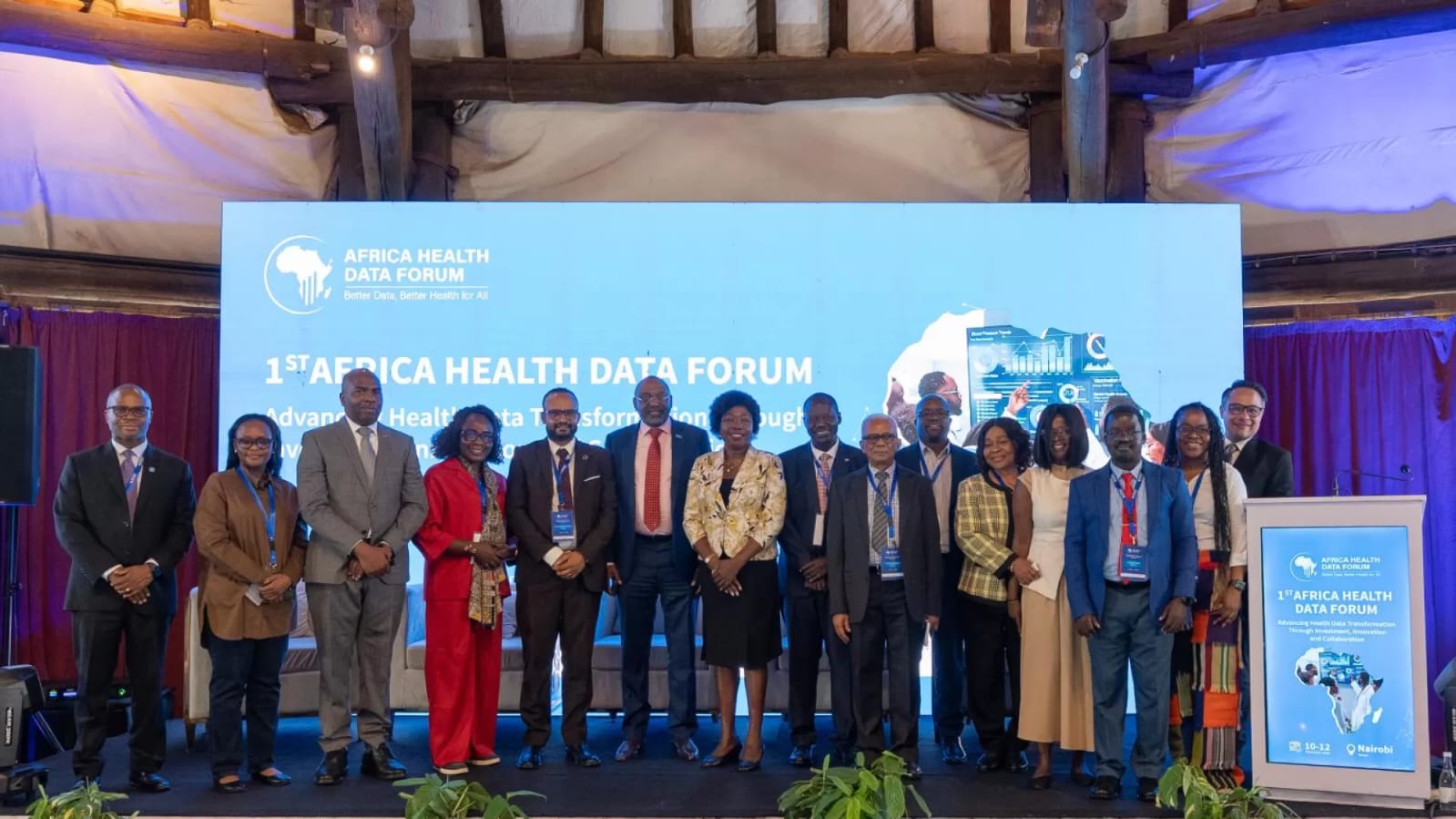
These priorities were carried into the Nairobi Health Data Action Agenda, adopted by representatives of 51 countries at the conclusion of the three-day meeting on November 12.
The agenda commits countries to strengthening national leadership, increasing sustainable domestic financing, improving data quality, connecting fragmented systems and investing in skilled professionals.
It also establishes a continental monitoring and accountability framework through 2030, with annual national reviews to assess progress.
For African governments, this represents an attempt to move beyond repeatedly identifying weaknesses in health information systems towards coordinated action and measurable commitments.
The commitments must translate into practical investments rather than remain declarations of intent. Countries need to strengthen civil registration, improve data collection, connect information systems and ensure that the people responsible for analyzing health information have the necessary skills and resources.
Ultimately, the value of health information lies not only in its availability, but in how effectively it is used to identify risks, guide investment, improve healthcare services and protect people’s health.
In Droti’s demonstration, maternal mortality illustrated how health intelligence could help governments examine targets, explore policy options and identify investment priorities.
Yet the wider WHO assessments reveal a more fundamental challenge: many countries are still struggling to count births and deaths accurately, capture the full burden of disease and turn the information they already possess into effective public policy.
For a continent seeking to accelerate Universal Health Coverage, the transformation of health data into intelligence could change how governments plan and finance healthcare.
But the ultimate measure of progress will not be the sophistication of a dashboard or the speed at which artificial intelligence generates a country profile.
It will be whether governments can use that knowledge to reach communities overlooked by national statistics, strengthen essential health services and prevent deaths that better healthcare could have avoided.