|
Getting your Trinity Audio player ready...
|
By Pauline Achieng Tom
Bangkok, Thailand: Lured in by the Promise of lucrative jobs in Thailand, young Kenyans instead found themselves trafficked into heavily guarded scam cities in Myanmar and Laos, where violence, coercion, and debt were used to force them into online fraud. Through the voices of survivors and those working to rescue them, this investigation exposes a rapidly evolving form of human trafficking that is preying on Job seekers.
I am already seated at the Talitha Kum Kenya offices when Duncan walks into the room; he scans the room nervously before briefly shaking my hand and sitting opposite me. I cautiously inquire if he is alright.
“Nacheza chini,” he replies, a Swahili slang phrase for ‘playing it cool’.
Ever since he came back, he explains, people have been after him, calling and threatening him for speaking out, a painful reminder that although he is finally safe, he cannot completely escape the horrors of his past.
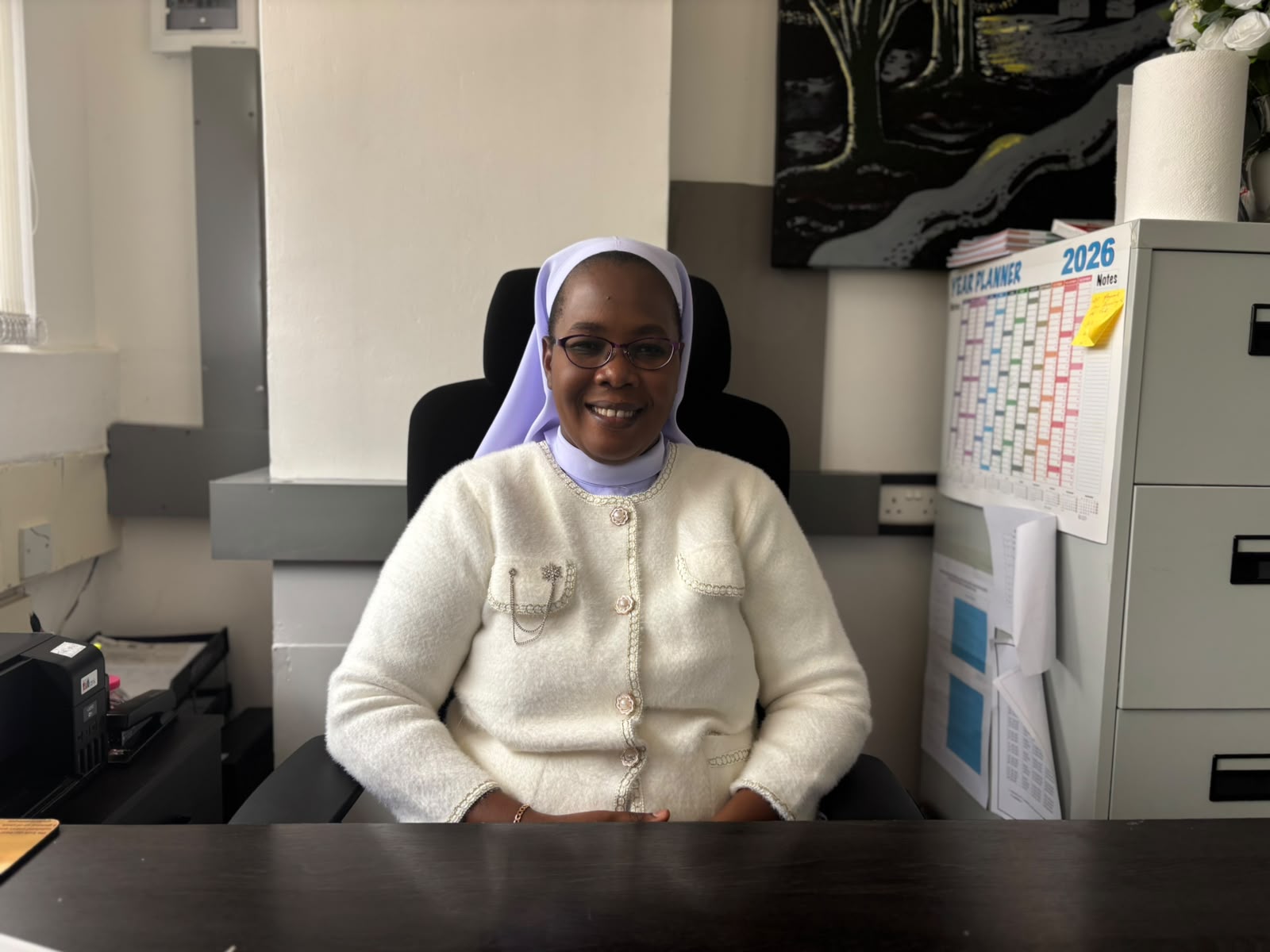
It is through Sister Mercy Mwai, Executive Director of Talitha Kum Kenya, that I meet Duncan. The Catholic anti-trafficking network, established by the International Union of Superior Generals, works on two fronts: preventing human trafficking through community awareness while helping survivors rebuild their lives after returning home.
For Sister Mercy, the work has become increasingly urgent.
“When we started, most of the cases we handled involved domestic workers in the Gulf,” she tells me. “Today, we are seeing more young people trafficked into Southeast Asia, particularly into online scam compounds.”
Sister Mercy attributed this labour migration trend to the unavailability of decent work or pay in Kenya. The World Bank estimates that about 85% of Kenyan youth rely on informal work, where jobs are often insecure and poorly paid, making promises of well-paying jobs abroad especially attractive.
Duncan, who had a Diploma in Journalism, had to defer his studies to ensure his sisters remained in school. Eventually, the pressure to provide became too much, and he set out to seek opportunities abroad.
“I am the firstborn in a family of four,” Duncan explains, “I had to take care of my three younger sisters.”
In 2024, he sought out an agent, a woman simply referred to as ‘Virginia ’. After an earlier recruitment process stalled for months, she offered him what seemed like a better opportunity -a job in Thailand with a higher salary than he hoped to earn in Dubai, with a Visa process that would take less than a week.
The agent asked for a KSh200,000 ( US$1,546) fee, and after draining his savings and scraping the rest from friends and family, he managed to pay half the amount.
True to her word, the visa came in only three days. She, however, asked him to wait a little longer so he could travel with six other Kenyans headed for the same destination.
Nothing about the process seemed unusual. The only detail that gave him pause was the visa itself. It was a tourist visa and not a work permit.
“I Have Bought You”: Inside the Scam Compounds Trapping Young Kenyans
When he questioned it, he was reassured that many workers entered Thailand on visitor visas before employers converted them into work permits.
“I’d heard similar stories before,” he says. “So, I wasn’t worried.”
Neither were the six other Kenyans travelling with him.
The Dream
After landing in Bangkok, the group, which consisted of 6 men and one woman, was received by an Asian man who did not speak to them at all. He took pictures of them and carried their luggage and passports into the Van.
“I still was not worried,” Duncan explains when I ask about surrendering his passport, “He placed them next to him in a casual way that did not seem at all threatening.”
It was during the journey that his confidence began to fade. After driving for more than six hours, they stopped for lunch; by then the driver’s behaviour had become increasingly unsettling.
“I kept noticing him hovering around, even when I went to use the washroom. I felt like he was watching all of us a little too closely,” he recalls.
They, however, got to a beautiful hotel in an hour, and Duncan chalked up previous worries to an overactive imagination.
At dawn, a knock came at their hotel door, and they were ushered out by two different men of Chinese descent; the journey would take them across the river by boat into what they would later find out to be Myanmar.
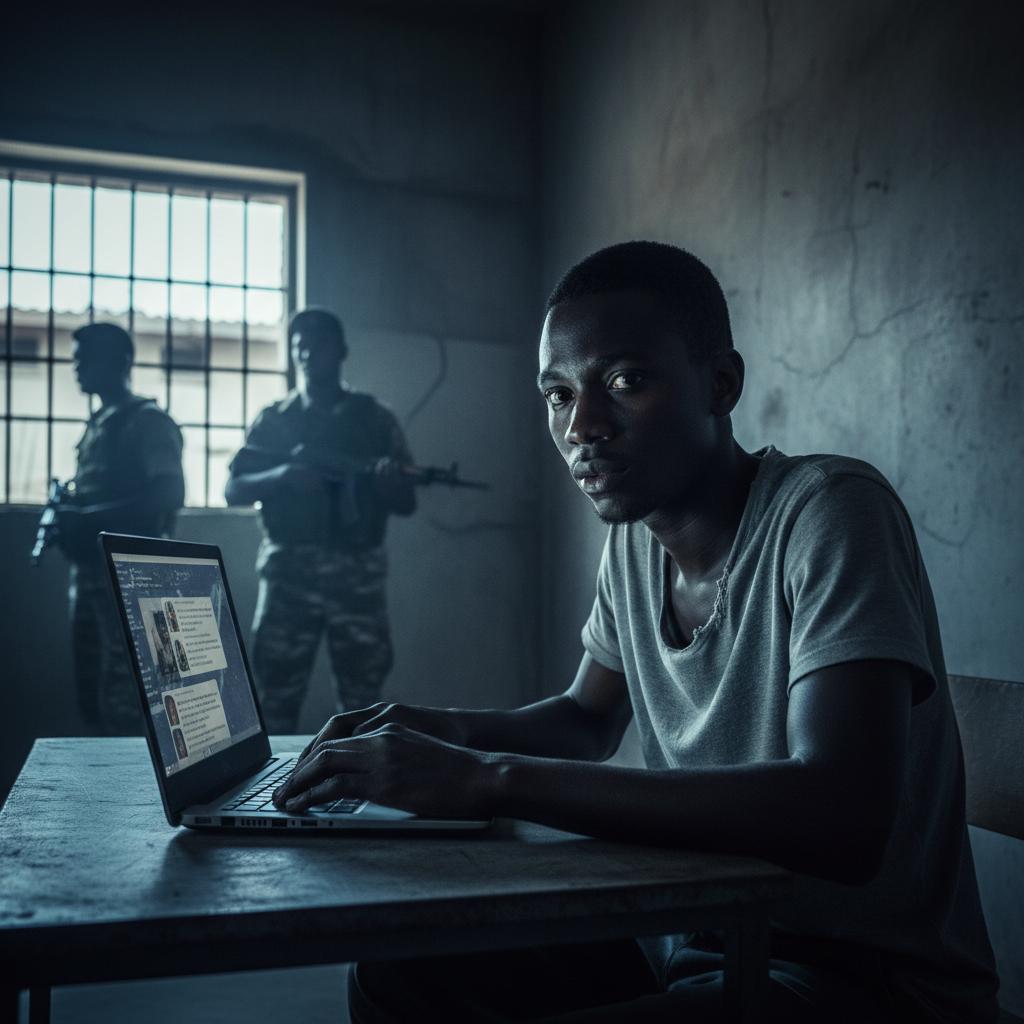
The moment they arrived at the compound, the illusion of a legitimate job evaporated. Armed men in military-style uniforms met them at the gates. Their phones were confiscated immediately. The seven Kenyans were separated and assigned to different “teams” inside a sprawling complex of concrete buildings surrounded by high walls and watchtowers.
Within hours, Duncan was told the truth: he had not come for customer service or any legitimate job. None of them had. In his little group, everyone thought they had come for different jobs, including teaching and driving; instead, they were now expected to run online scams targeting people in the United States.
“I have bought you” Duncan was told by the manager when he tried to resist doing the job, demanding USD 4,000 from him plus air ticket and other expenses. The look in his eyes made Duncan scared, and he decided to be a little more cooperative.
The work involved creating fake identities, building trust through social media, especially Instagram and luring victims into fraudulent cryptocurrency schemes. Failure or resistance brought swift punishment. Duncan describes an environment where workers could be beaten for yawning, scratching an itch, or shifting position at their desks. Everyone had to sit perfectly still with their hands on their keyboard at all times.
As time passed, he witnessed electrocution to intimate parts of the body done in public to instill fear . Food was unfamiliar and often inedible, and medical attention was discouraged since some people came back with missing organs and some disappeared without explanation.
The system was designed to keep workers indebted and trapped. Even when they were told they could earn a percentage of what they scammed, fines and deductions ensured they remained in debt.
“They would do it deliberately by deducting your earnings for offenses such as yawning; they thrived in public humiliations no one batted an eye at; we were all just trying to survive.”
For months, he lived under constant surveillance, with eight people crammed into a single room; he slept on thin mattresses while expensive cars sat outside the compound. The only moments of relative freedom came when they were briefly given access to phones, usually for one hour and fifteen minutes, and even then the network was unstable and monitored.
After five months in captivity, his eventual escape was made possible by growing international pressure on the scam compounds, especially scrutiny by the United States.
“During that time they would move us constantly for fear the authorities would spot us,in between the movement, it was constant torture by the rebel groups.”
Duncan describes a harrowing two weeks following raids into the compounds,
“I was locked in a small room, and food was thrown at me once a day,” he says, pausing for a second. “I have pain in my lower back from the kicks and torture there; the goal was to make us submit so that we wouldn’t want to leave.”
Eventually they were rescued and several non-governmental organisations paid for their flight home.
At Tabitha Kum, Duncan pauses and stares at his hands in deep thought,“Those five months felt so long; it felt like I had been in there for years.”
Back home, he is not alone; a Thai-based Civil Society Network for Human Trafficking Victim Assistance (CSNHTV), released a report stating that an estimated 1,600 people are trapped in Myanmar, including Chinese nationals, Kenyans,Ugandans,Russians and Zimbabweans.
One of them is Nancy* (name changed to conceal identity), the then 32-year-old Kenyan woman who was trafficked to Laos through Thailand.
Inside the scam city, the reality of a job she did not know or want weighed on her as her ‘supervisors’ demanded results.
“We kept getting threatened that we would be sent to Vietnam for Sex work if we did not produce results.”
The threats sometimes crossed into physical abuse at perceived misconduct.
Her salvation came from the then Ambassador of Kenya to Thailand, Lindsay Kiptiness, when one of the people in her cohort snuck a phone into the compound and found the ambassador’s number.
After countless phone conversations between the ambassador and Nancy’s group a plan was finally formed.
“They could not just storm the compound, they had to get into negotiations with the local government and the syndicate that we worked for.”
“The boss of our ‘company’ was a woman,” Nancy recalls, “She demanded Kshs 1.5 M for each of us otherwise she wouldn’t let us leave.”
After endless negotiations, they were finally rescued and couldn’t even go through Thailand for fear of arrest.
Prevention and Protection
As Kenya keeps facing an unemployment crisis, more and more young people are leaving the country in search of work.
The scale of Kenya’s international labor market remains significant. A report by the International Labour Organization (ILO) reveals that over 103,800 Kenyan migrant workers relocated globally during the 2024/25 financial year, subsequently sending home US$4.9 billion in remittances in 2024. Additionally, unemployment data from IGAD countries underscores the stark economic realities experienced by numerous young people throughout the Horn of Africa.
“When we tell them to be wary of the dangers of keeping pace with the criminal networks, it is another uphill battle. Sister Mercy says organisations like Talitha Kum Kenya operate with limited staff and donor funding, while the syndicates behind the scam compounds function as sophisticated transnational criminal enterprises with vast financial resources.
“We are dealing with thousands, but they are dealing with millions and billions,” she says. “By the time we understand one method, they have already changed to another.”
The evolving nature of the crime also carries personal risks for those trying to stop it. Talitha Kum Kenya operates a toll-free helpline for victims and their families; however, the same line has been used by individuals linked to the trafficking syndicates to threaten and intimidate the Catholic sisters.
For Duncan, the threats have not ended either. Even after returning to Kenya, he says anonymous callers continue to warn him against speaking publicly about what happened.
Yet he has chosen to tell his story in the hope that someone else will recognise the warning signs before it is too late.
“If the story can save someone from going through what I went through, then I will be happy.”