|
Getting your Trinity Audio player ready...
|
By Winnie Kamau
Nairobi, Kenya: Africa is positioned at the center of a historic transformation as the Internet Governance Forum (IGF) marks its 20-year history by becoming a permanent United Nations platform. In December 2026, Nairobi, Kenya will host the first annual forum under this renewed mandate, drawing thousands of global leaders, policymakers, civil society representatives, academics, youth, and technology innovators, with the Global IGF receiving $1 million in support from the Internet Corporation for Assigned Names and Numbers (ICANN).
This milestone carries a significance that goes far beyond hosting another international conference. It highlights the expanding recognition that Africa’s voice is vital in global conversations concerning artificial intelligence, digital inclusion, cybersecurity, data governance, and the ongoing evolution of the Internet.
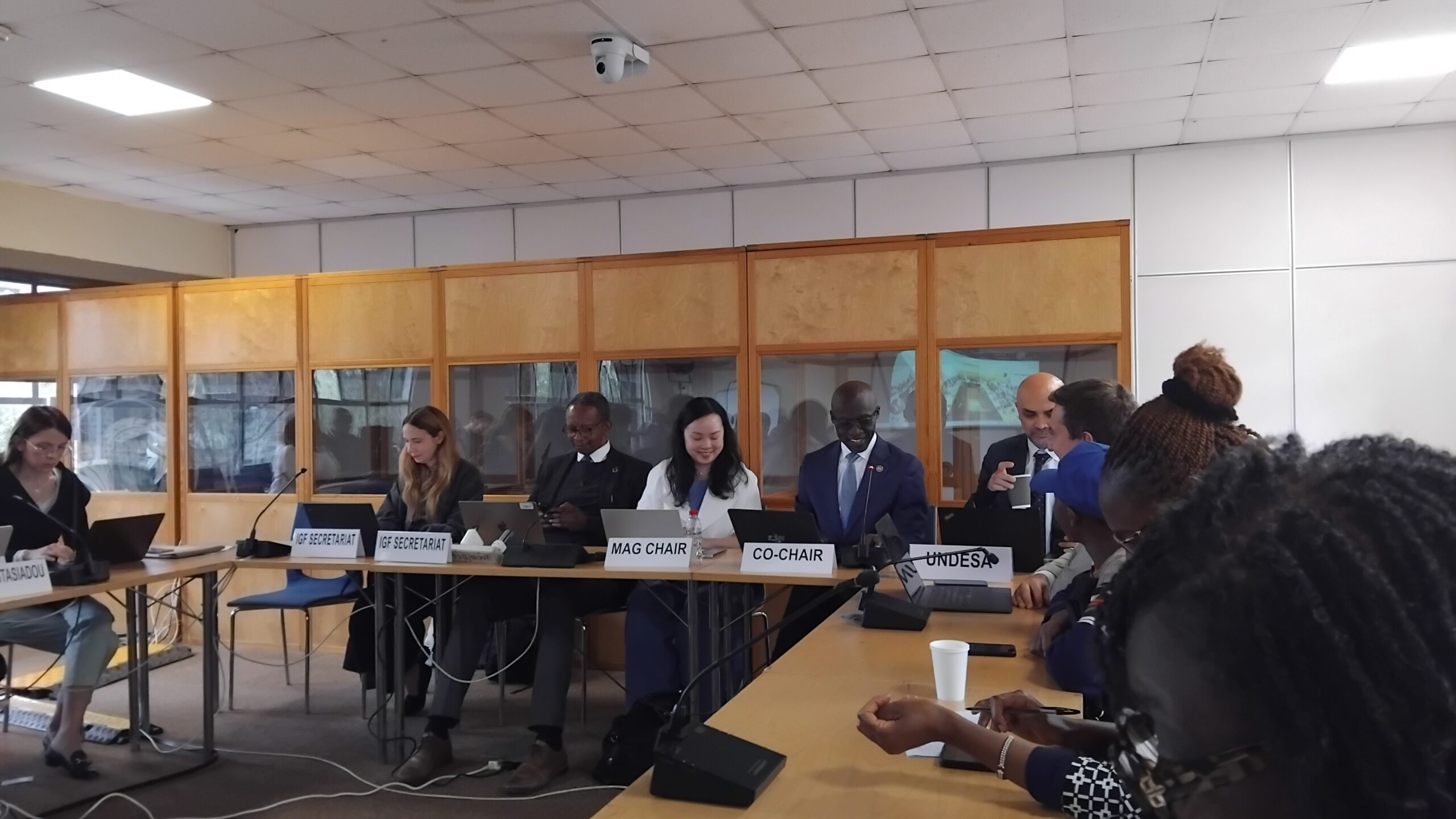
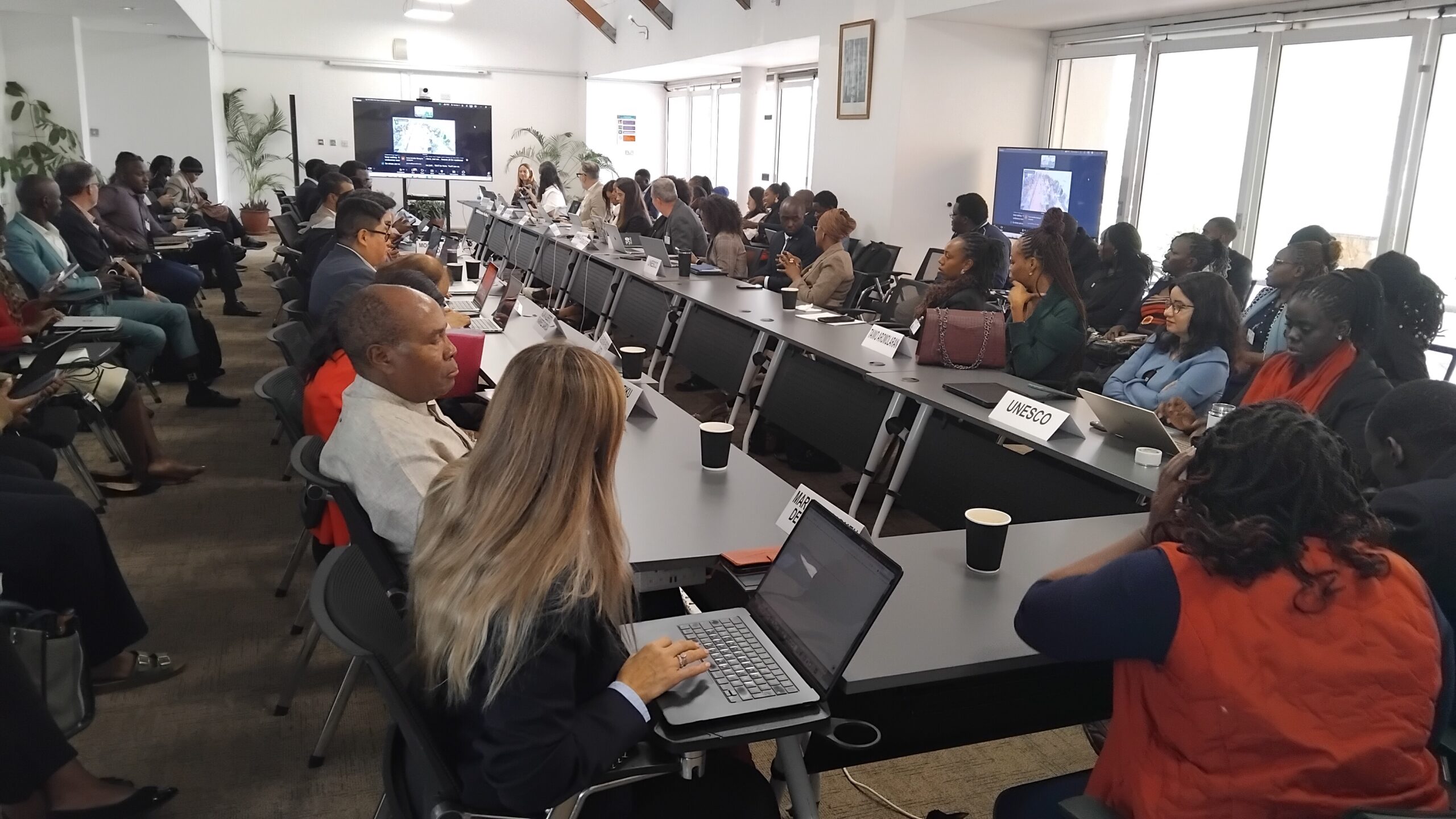
The tone for this historic moment was set during the First IGF 2026 Open Consultations and Multistakeholder Advisory Group (MAG) Meeting held in Nairobi, where global stakeholders began shaping the agenda for what is expected to be one of the most consequential Internet governance gatherings in the Forum’s history.
 Opening the consultations, MAG Chair Jennifer Chung emphasized that preparations for the 2026 Forum would be closely aligned with major global digital governance processes, including the outcomes of the WSIS+20 review, the Global Digital Compact and the Global Dialogue on Artificial Intelligence Governance.
“We will have inputs on the IGF 2026 programme, including in the context of WSIS+20, the Global Digital Compact, the Global Dialogue on AI Governance and other major digital governance processes,” Chung told participants. “We’ll be hearing from a range of different IGF partner organizations and relevant UN entities on opportunities for alignment.”
For Kenya, Responsibility Extends Beyond a Successful Conference
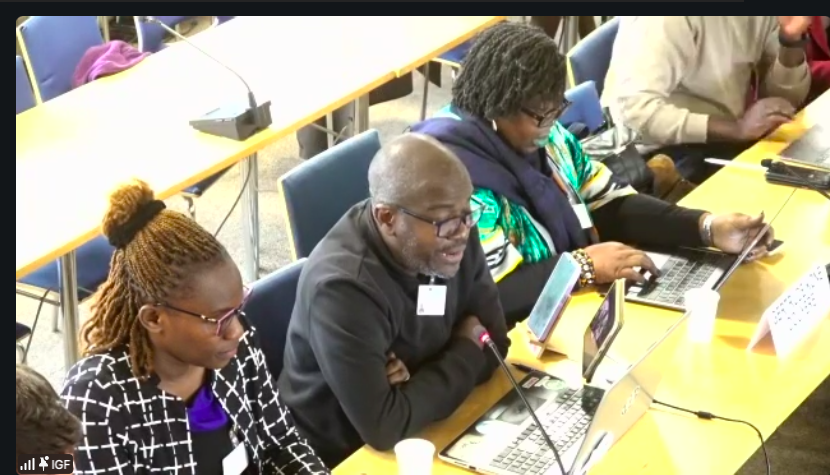
Speaking on behalf of the host country, Ambassador Philip Thigo, Kenya’s Special Envoy on Technology, said the permanent status of the IGF comes at a time when the world is confronting unprecedented technological change.
“We are preparing IGF under this renewed mandate, which calls for a spark of imagination but also a clear understanding of the challenges we have, the fragmented world that we live in and the new framework within which this forum operates,” he said.
 According to Amb. Thigo, the Internet that was discussed when the IGF was created in 2006 bears little resemblance to today’s digital ecosystem.
Artificial intelligence is transforming economies, digital platforms shape political discourse, cyberattacks have become more sophisticated, and access to digital technologies increasingly determines who can participate in education, employment and innovation.
“Twenty years later the terrain has really shifted,” he said. “We live in an era of generative artificial intelligence… the digital divide has evolved beyond connectivity to an opportunity divide.”
For Africa, These Changes Present Both Risks and Opportunities
The continent is home to one of the world’s youngest populations, rapidly expanding digital economies and growing innovation ecosystems. Yet many countries continue to grapple with unequal Internet access, online misinformation, cyber threats, Internet shutdowns and limited participation in global digital policymaking.
Rather than allowing Africa to remain on the margins of technology governance, Thigo argued that the continent should help shape the rules.
“The Global South must not be treated only as a market or a user of technology or a risk category, but basically as a potential space for innovation,” he said.
He challenged delegates to focus on three critical questions: how countries can build the capacity to shape their own digital futures, how trust in digital institutions can be strengthened in the age of AI, and how the world can preserve an open, secure and interoperable Internet amid increasing geopolitical competition.
The preparations also reflect Kenya’s ambition to make the 2026 Forum more inclusive than ever before.
The host country has established an organizing committee that brings together government, civil society, academia, the private sector, youth representatives and development partners. Parliament and the Judiciary are also expected to play a more prominent role through dedicated tracks, ensuring that discussions on digital governance extend beyond the executive arm of government.
Representing the United Nations Department of Economic and Social Affairs (UNDESA), Dennis Susar welcomed Kenya’s leadership and described Nairobi as a fitting location for the first in-person meeting following the decision to make the IGF permanent.
“We deeply appreciate Kenya’s leadership and efforts during the WSIS+20 process which led to the decision to establish the IGF as a permanent forum. It is also very meaningful that this first in-person meeting of the new cycle is in Nairobi,” he said.
The Renewed Momentum Attracted New Financial Support
In June, the Internet Corporation for Assigned Names and Numbers (ICANN) announced a US$1 million contribution to strengthen the long-term sustainability of the IGF. The funding will support the Secretariat’s operations, strengthen participation from developing countries and enhance long-term planning as the Forum begins its permanent phase.
We met up with the IGF Executive Coordinator Chengetai Masango who noted that the new permanent mandate provides stability that the Forum has never enjoyed before.
“The IGF permanency shows the faith and the trust that Member States and the community as a whole have in the IGF and the good work that it has done. It means that we can do more long-term planning,” he said.
As preparations continue over the coming months, expectations are high that Nairobi will deliver more than another global conference. For Africa, IGF 2026 represents an opportunity to help shape international conversations on artificial intelligence, digital rights, cybersecurity, innovation and inclusive development at a time when the Internet is increasingly influencing every aspect of society.
The Forum’s new permanent status means these conversations will no longer be temporary or periodic. They will become part of a lasting global institution and for the first time, Africa will help define what that future looks like.