|
Getting your Trinity Audio player ready...
|
By Talkafrica Correspondent
Nairobi—A coalition of environmental groups has raised alarm over the systematic destruction of Kenya’s mature forests and protected areas, even as the government champions its ambitious target of growing 15 billion trees by 2032.
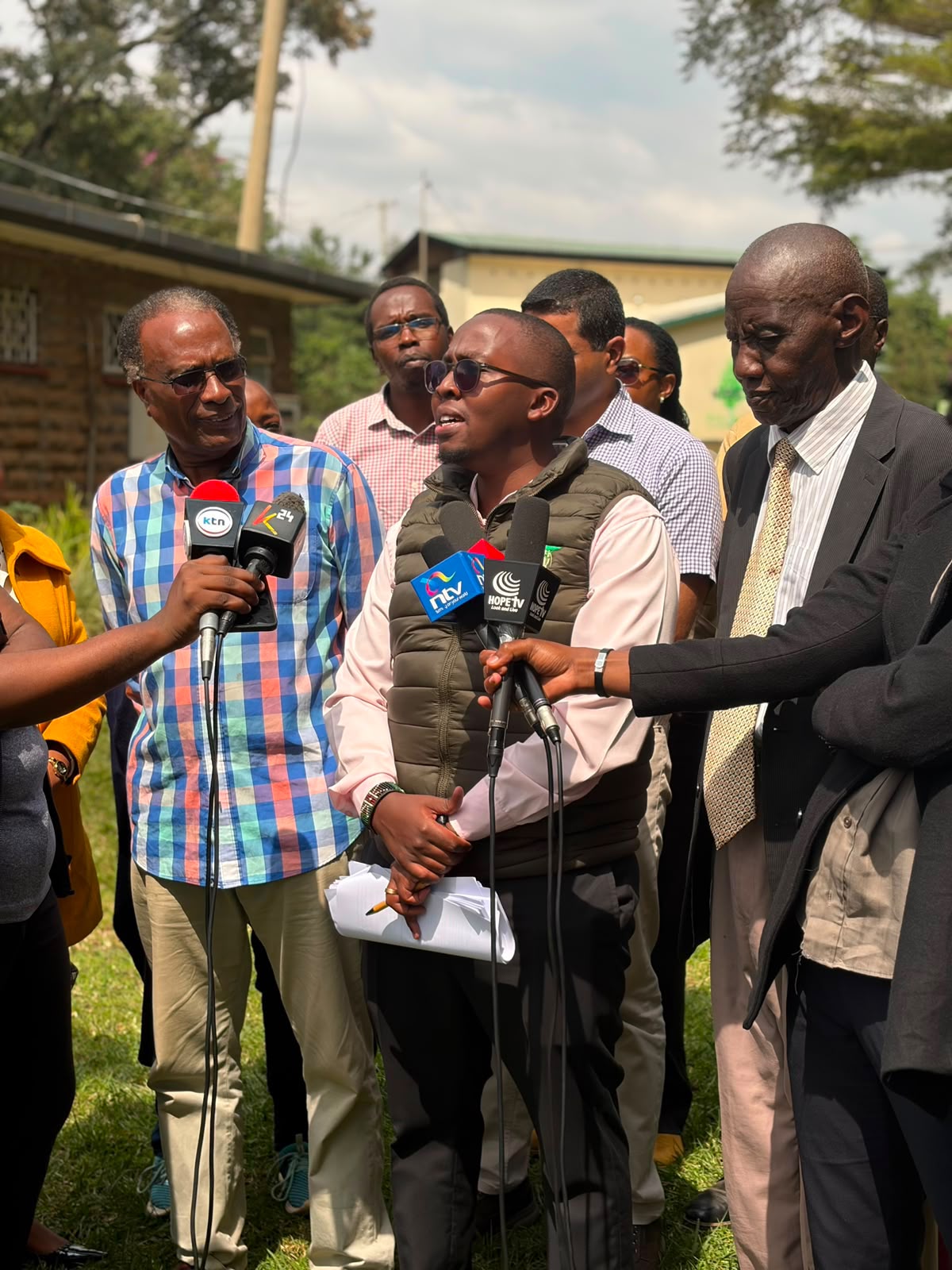
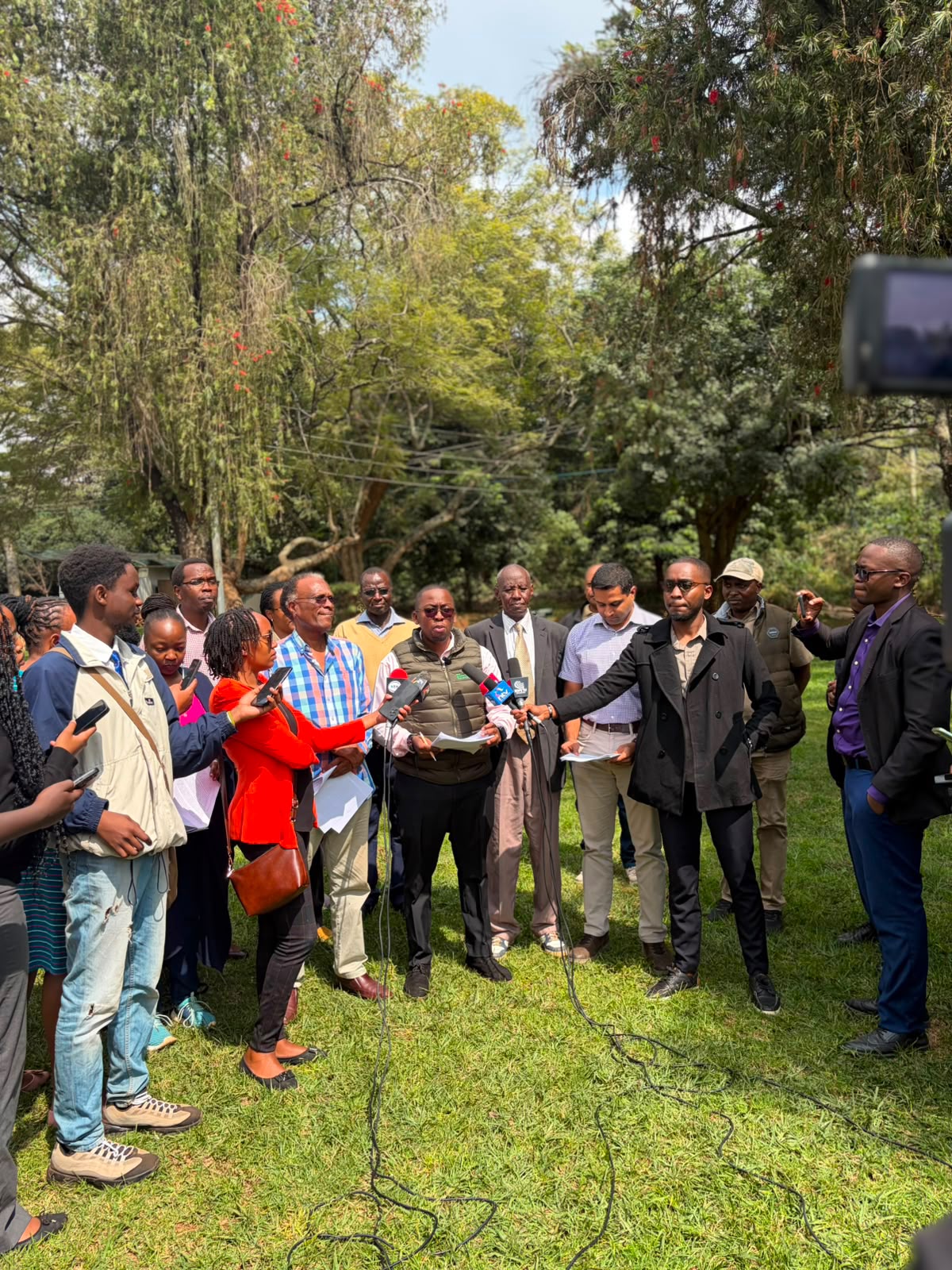
In a statement issued on July 9, 2026, Friends of Nairobi’s Forests and Green Spaces, together with the Green Belt Movement and other conservation organizations, warned that Kenya is walking towards a future it cannot sustain—one where indigenous forests that have taken decades or centuries to develop are being carved up for infrastructure, commercial developments, and luxury projects.
While Kenyan leaders pose for photographs with seedlings, mature indigenous forests are being carved up for luxury camps, roads, railways, and sports stadiums. National parks, once sanctuaries for wildlife, are shrinking piece by piece. Ancient trees that have stood for centuries are falling to make way for “progress.” And the institutions mandated to protect these ecosystems? Conservationists say they have chosen silence over stewardship.
The warning echoes the legacy of Professor Wangari Maathai, the Nobel laureate who taught Kenyans that environmental conservation is inseparable from democracy, justice, and good governance. Her words remain painfully relevant today: “The generation that destroys the environment is not the generation that pays the price. That is the problem.”
In 1989, Maathai stood against the government of President Daniel arap Moi to stop the construction of a 60-story complex at Uhuru Park. She waged an international campaign and challenged the regime in court, culminating in the government abandoning the project in February 1990. Years later, in 1998, she led a protest against the fraudulent allocation of Karura Forest to private developers. When she tried to plant a symbolic seedling, she and her fellow protesters were beaten by hired goons, but the development was ultimately stopped.
Today, a new generation of conservationists is fighting similar battles, but the threats have multiplied.
Ngong Road Forest, one of Nairobi’s few remaining indigenous forests and an essential green lung for the city, is facing unprecedented and cumulative threats. Current and proposed allocations include 5 acres for a luxury tented camp, 2.5 acres for a railway line, 10 acres for a road linking Talanta Stadium and the Bomas International Conference Centre, 5 acres for a construction camp, and 56 hectares for the proposed Talanta Sports City development.
Despite previous government commitments to halt the luxury tented camp project, construction activities continue within this public forest. Individually, each development fragments the forest ecosystem; collectively, they pose a serious threat to one of Nairobi’s most important ecological assets. Conservationists warn that the 60,000-seater Talanta Stadium, which is part of a bond program that will cost taxpayers over kSh102 billion, is just the latest encroachment.
A Troubling Reality
The Economic Survey 2026 records a sobering reality: national forest cover remains unchanged at 8.83 percent of Kenya’s land area, still below the 10 percent threshold set in the Constitution and the internationally recommended minimum. For the fourth consecutive year, total forest area remains fixed at 5.23 million hectares.
Beneath this static headline figure lies a more troubling reality. Kenya’s forests are simultaneously being restored and depleted, protected and commercialized, often at the same time. The area of newly planted forest in state plantations fell to 4,400 hectares in 2025 from 4,900 hectares the year before, while charcoal sales from government-managed forests have nearly quadrupled in four years. Timber production surged in 2025, with total sales reaching 709,100 cubic meters, driven largely by softwood extraction.
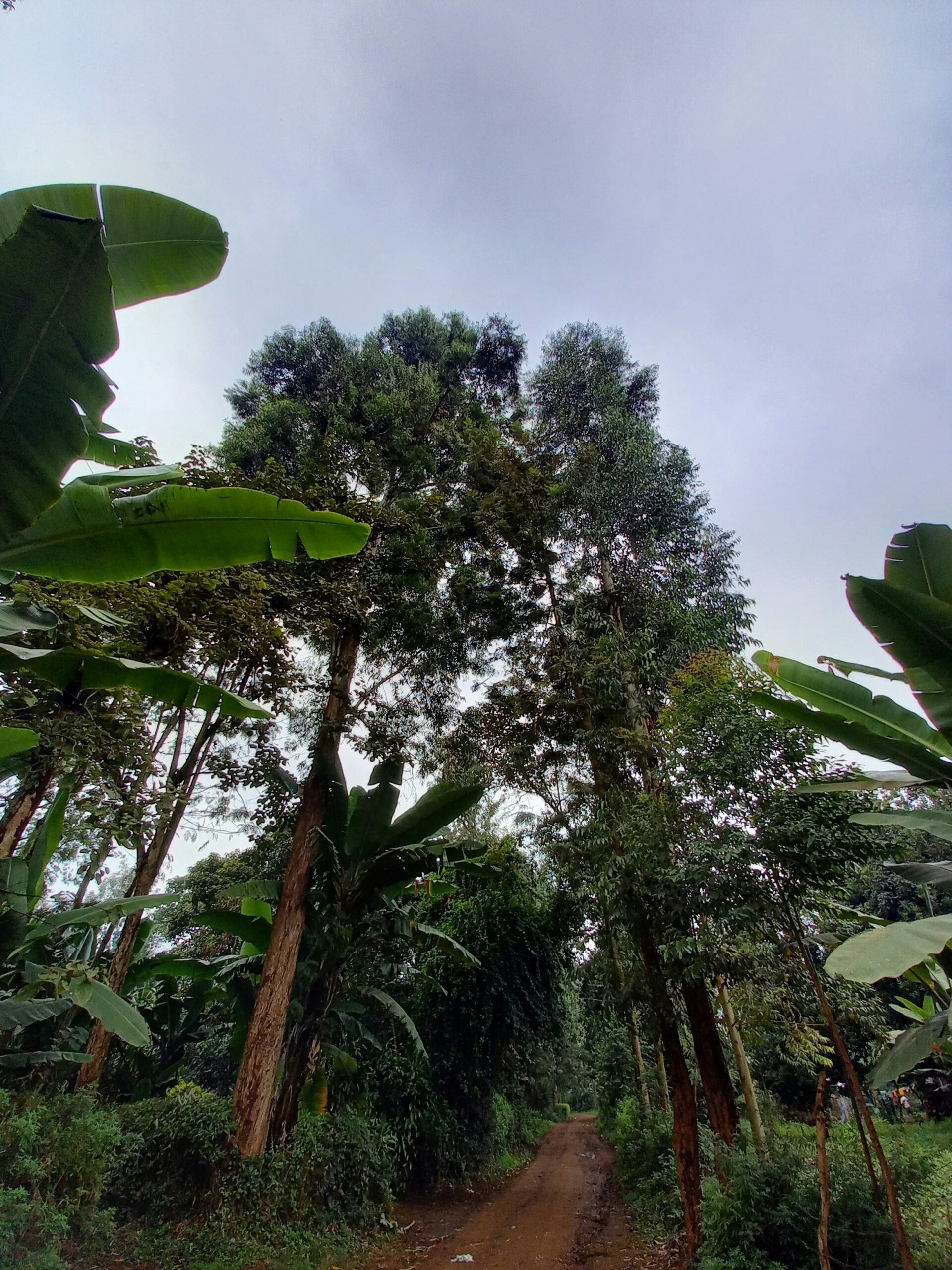
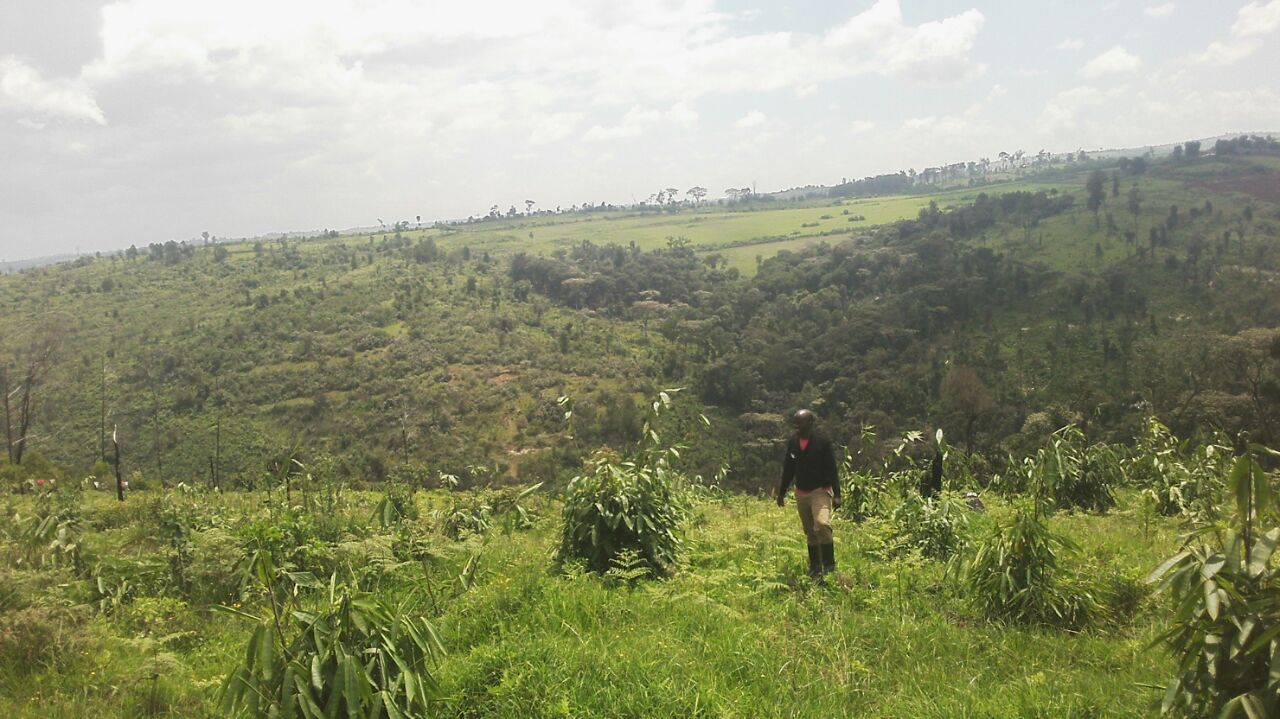
The government’s ambitious 15-billion-tree campaign, launched in December 2022, seeks to restore 10.6 million hectares of degraded landscapes and raise national tree cover to 30 per cent. But the project hangs in the balance over huge funding shortfalls. As of June 2025, only Sh4 billion had been put into the project, translating into just 0.8 percent of the funding needs by 2032. This represents a funding shortfall of over Sh100 billion in two years alone.
Data from the JazaMiti app—the official digital platform for recording tree planting—shows 738 million trees logged, compared with 1.06 billion reported by the Presidency in early 2025. Experts warn these figures largely capture planting activity rather than whether seedlings survive to maturity. “We may walk to 2032 with the statistics on paper or on the app. But when you go to the ground, it is different,” said Ambrose Genga, Partnerships Officer at the Kenya Forest Service.
A Crisis of Governance
The coalition’s statement raises a fundamental question: where are the institutions mandated to protect Kenya’s environment? The Kenya Forest Service, Kenya Wildlife Service, and the National Environment Management Authority exist to safeguard Kenya’s natural heritage. Yet as forests and protected areas face encroachment, excisions, and developments, Kenyans are left asking whether those entrusted with protection have chosen silence over stewardship.
The Green Belt Movement has strongly condemned proposed amendments to Section 56(2) of the Forest Conservation and Management Act, 2016, saying it could open the door to widespread destruction of public forests. The amendment seeks to grant the Kenya Forest Service authority to issue easements for public roads, utilities, and other public installations within protected forest areas. Conservationists argue that this would legalize deforestation for infrastructure and commercial interests.
“This amendment is not innocent. It aims to fully legalize the destruction of public forests for roads, infrastructure, utilities, and commercial developments that will lead to eventual environmental degradation,” the Green Belt Movement stated.
There is also a growing pattern of blatant disregard for court orders. In several instances, including Ngong Road Forest and Upper Imenti Forest, construction activities and land clearing have reportedly continued despite High Court orders suspending such activities pending legal proceedings. This continued defiance undermines the authority of the judiciary and erodes public confidence in the administration of justice.
A Call to Action
The coalition is calling upon the government of Kenya to immediately halt all activities that result in the destruction or excision of public forests and green spaces unless there is transparent public participation, comprehensive environmental assessments, and proof that no environmentally viable alternatives exist. They urge Parliament to strengthen legal safeguards against the fragmentation of forests, protected areas, and other public green spaces.
Their final message is clear: “Kenya cannot plant 15 billion trees while cutting down the forests that already sustain us. We cannot call ourselves leaders in conservation when we auction our national parks and reserves for development. Climate leadership is measured not by speeches or targets but by the courage to protect what already exists.”
History will judge this generation not by how many seedlings were planted, but by whether it had the wisdom to protect the forests it inherited. If we remain silent today, future generations will inherit hotter cities, drying rivers, disappearing wildlife, and a country that traded its natural heritage for short-term gains.