|
Getting your Trinity Audio player ready...
|
By Lilian Museka
Nairobi, Kenya: The screams, chaos, and, to some extent, sound of gunfire shattered what should have been a routine day of election coverage in Ol Kalou Constituency, Nyandarua County.
For journalists deployed to cover the by-election, the assignment quickly turned into a fight for survival. Instead of documenting democracy in action, some found themselves becoming victims of the very political tensions they were reporting on.
A number of journalists were attacked while covering the Ol Kalou by-election, with reports of assault, intimidation, threats, destruction and confiscation of equipment. The incidents reignited concerns over the safety of media practitioners as Kenya heads towards the 2027 General Election, a period expected to attract heightened political competition and increased public interest.
The attacks served as a stark reminder of the dangers journalists face while carrying out their constitutional duty of informing the public.
For many journalists, especially younger reporters and women journalists, election coverage is not only about gathering information and telling stories. It is also about navigating a complex environment filled with political pressure, hostility, online abuse, misinformation, and physical risks.
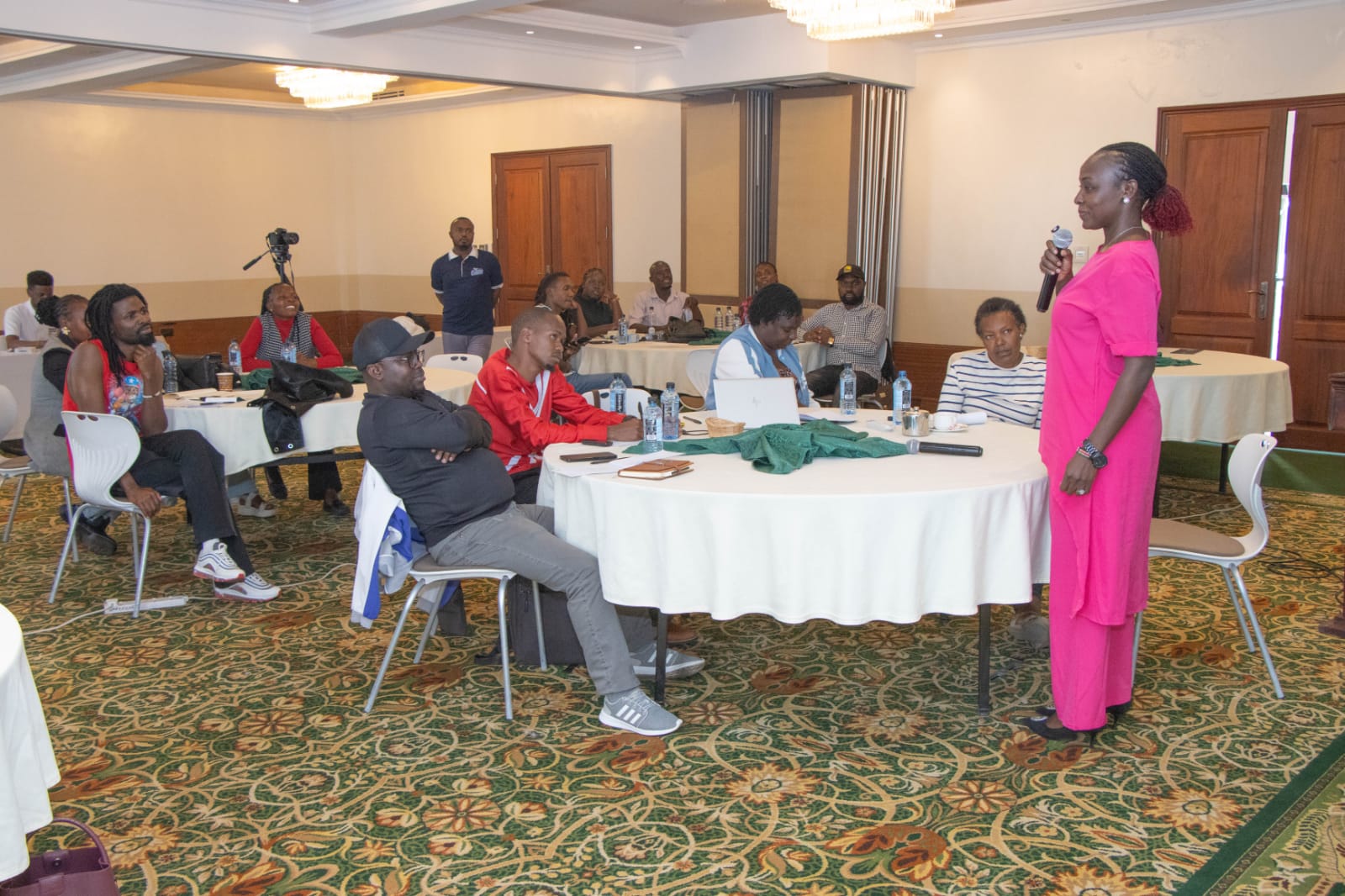
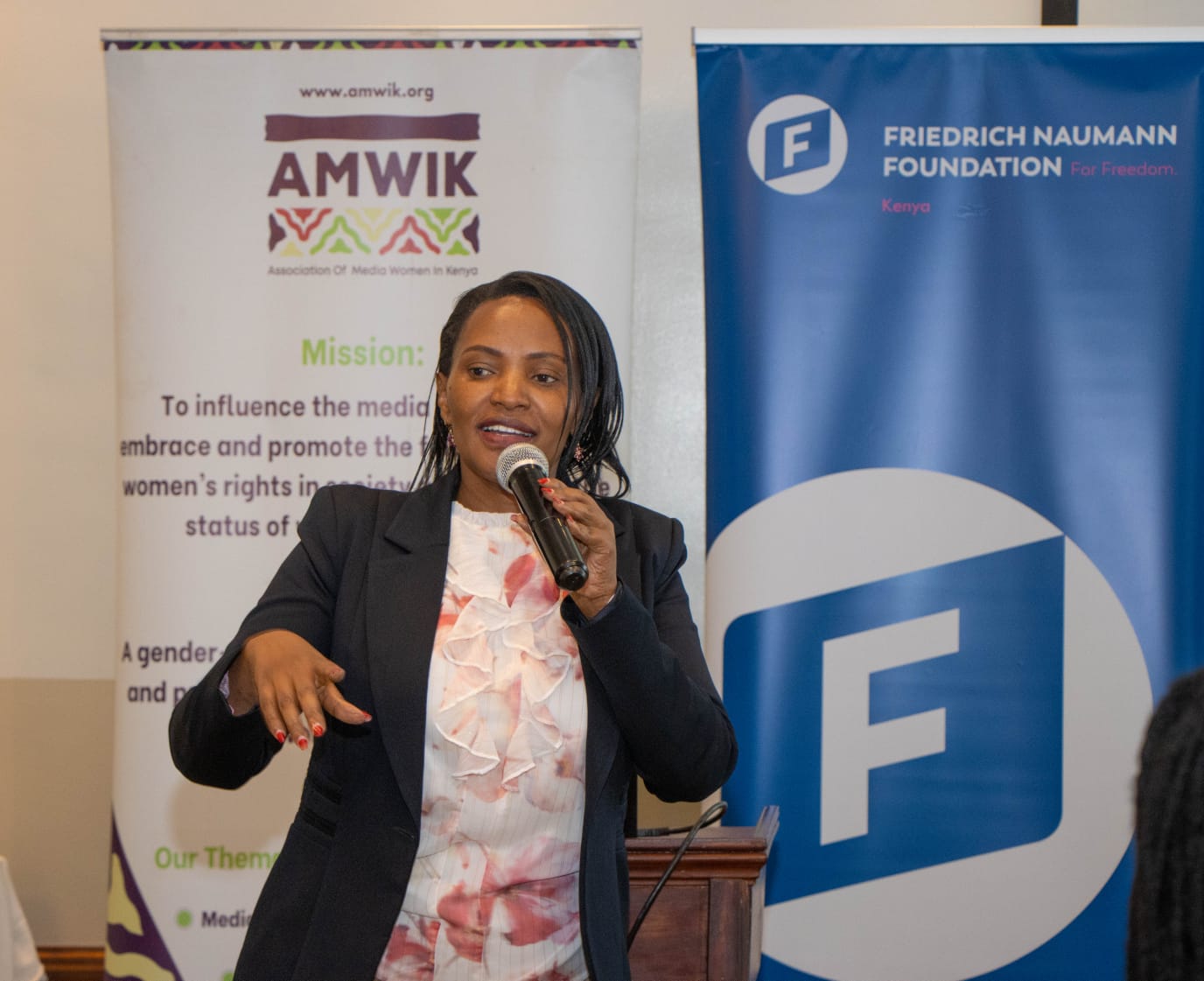
These concerns dominated discussions during a two-day Gender and Conflict-Sensitive Election Reporting Training for Nakuru journalists organized by the Association of Media Women in Kenya (AMWIK) with support from the Friedrich Naumann Foundation for Freedom (FNF).
The training brought together 20 journalists from print, broadcast, digital and community media platforms to strengthen their capacity to undertake ethical, gender-responsive, conflict-sensitive and safe election reporting ahead of Kenya’s 2027 General Election.
The timing of the training was significant. Coming on the same day as the Ol Kalou incidents, discussions around journalist safety moved from theoretical concerns to real experiences faced by media practitioners on the ground.
Participants shared fears about intimidation, political interference, online harassment, physical attacks, psychological stress and attempts by political actors to influence coverage through financial incentives.
They acknowledged that journalists are increasingly finding themselves at the centre of political conflicts, reporting on events while simultaneously becoming targets.
“Journalists are often the first responders during elections, but they must also remember that their safety comes first. No story is worth risking one’s life,” was one of the key messages emphasized during the training.
The training responded to emerging realities within Kenya’s media landscape, particularly the growing number of young journalists expected to cover the 2027 General Election.
The State of Women in Media in Kenya Report (2026) indicates that approximately 70 percent of women journalists are below the age of 35. This means a significant number will be covering a General Election for the first time.
The training assessment reflected this reality. More than half of participants were aged between 25 and 34 years, while 47.1 percent had never covered an election before.
Although many participants demonstrated basic knowledge of election reporting, gaps remained in areas critical to safe and responsible coverage.
Political violence reporting recorded the lowest confidence level among participants, followed by digital safety and inclusive reporting.
The findings highlighted the need for continued mentorship, practical training and newsroom support systems as journalists prepare for one of Kenya’s most demanding assignments.
Media Has a Role Beyond Reporting Conflict
Opening the training, AMWIK Executive Director Queenter Mbori emphasized that increasing incidents of violence, intimidation, harassment and restricted access to information pose serious threats to press freedom and democratic participation.
She challenged journalists to uphold integrity, fairness and professionalism, noting that credible journalism plays a central role in promoting peaceful elections.
“The media has a critical responsibility to provide accurate, balanced and credible information that enables citizens to make informed decisions,” she emphasized.
Friedrich Naumann Foundation for Freedom Senior Project Manager Judy Kaberia reminded journalists that election periods have historically exposed media practitioners to serious risks, including trauma, disappearances, threats and forced displacement.
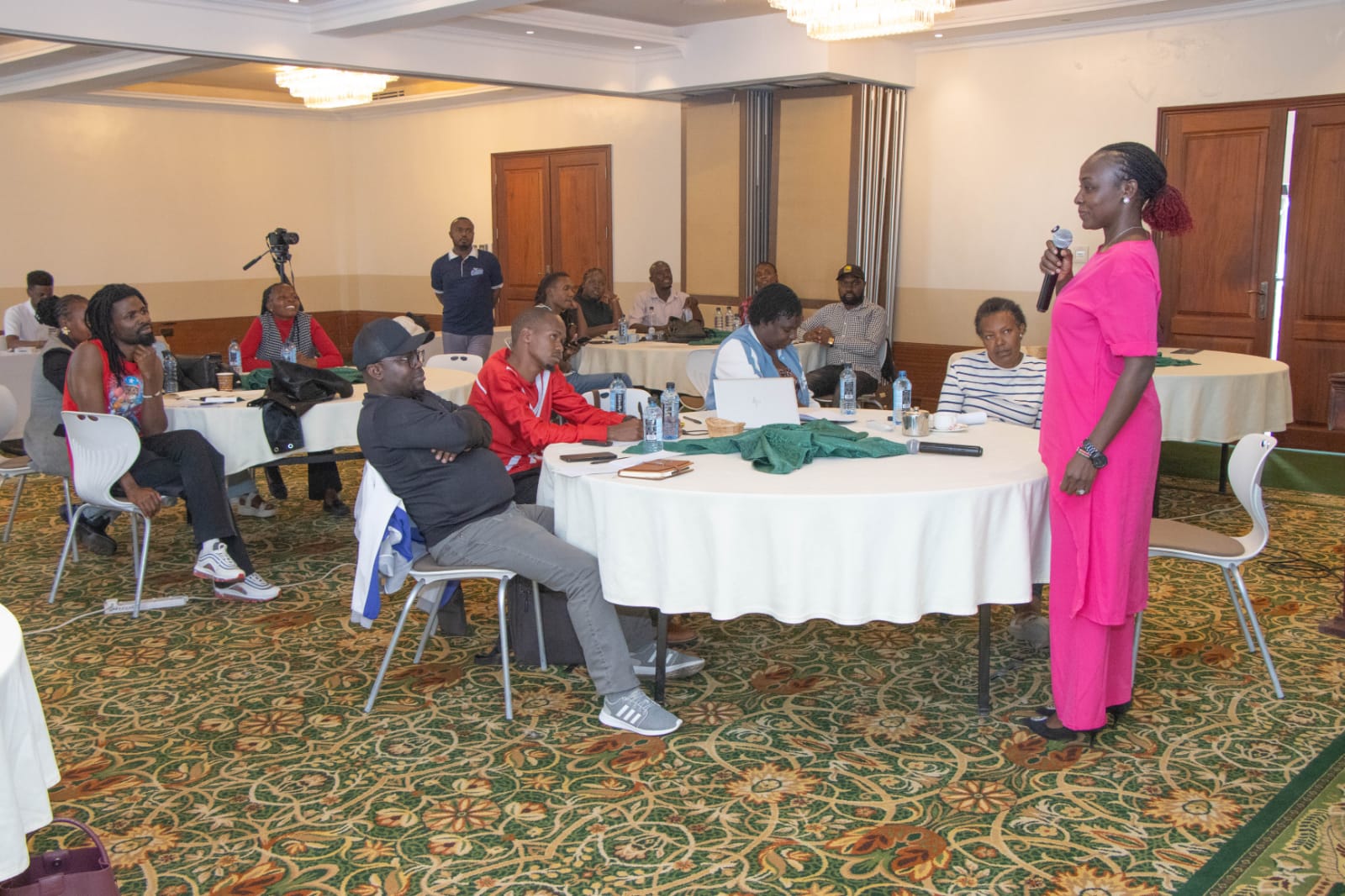
She urged journalists to maintain independence and avoid compromising their credibility through political or financial influence.
“Election reporting requires responsibility and preparedness. Journalists must protect public trust by remaining factual, ethical and accountable,” she noted.
Beyond physical safety, the training examined another challenge affecting election reporting: gender bias.
Women politicians and women journalists continue to experience unique barriers during election periods, including online harassment, stereotypes and discriminatory coverage.
Participants discussed how women candidates are often judged based on personal issues such as marital status, appearance or family responsibilities rather than their leadership abilities, policy positions and qualifications.
Media Council of Kenya Regional Coordinator Joseph Mecha challenged journalists and media houses to provide fair and balanced coverage of women candidates and marginalized groups. He noted that election reporting should focus on competence and issues rather than reinforcing stereotypes.
Participants agreed that gender-sensitive reporting requires journalists to deliberately ask: Who is being included in the story? Whose voices are missing? Does the story challenge or reinforce harmful stereotypes?
As political communication increasingly shifts online, journalists face another major challenge: information disorder.
The training explored the growing threat posed by misinformation, disinformation and malinformation, particularly during elections.
Participants examined how manipulated images, fabricated videos, deepfakes and AI-generated content could be used to influence public opinion.
They were introduced to verification tools including reverse image searches, Amnesty International’s Citizen Evidence Lab, social media verification techniques and other fact-checking approaches.
Journalists were encouraged to adopt a “Facts First” approach, especially when reporting breaking news and politically sensitive events.
The sessions also explored the opportunities and risks associated with Artificial Intelligence (AI) in journalism. While AI tools can support journalists through transcription, research organization and content development, participants were cautioned that AI-generated information requires human verification and editorial judgment.
The training emphasized that journalist safety cannot be left to individual reporters alone.
Participants called on media organizations to strengthen safety protocols, provide insurance coverage, offer psychosocial support and develop clear policies on digital safety, harassment and election reporting.
They also emphasized the need for media houses to invest in continuous professional development, especially for young journalists entering election coverage.
During practical simulations, participants developed responses to scenarios involving violent protests, equipment loss, online attacks and possible media shutdowns.
They identified essential safety measures including risk assessments before assignments, emergency communication plans, secure digital practices, evacuation plans and post-trauma support.
The Ol Kalou attacks demonstrated that threats against journalists are not abstract possibilities; they are present realities that require urgent action.
As Kenya approaches the 2027 General Election, protecting journalists will be central to protecting democracy itself.
A journalist who is afraid, intimidated or unsafe cannot effectively inform citizens.
Strengthening journalist safety, promoting ethical reporting and ensuring inclusive coverage will therefore remain critical in ensuring that Kenya’s next election is not only competitive, but also peaceful, credible and informed.