
|
Getting your Trinity Audio player ready...
|
By Liz Anyango
Nairobi, Kenya: Picture this. A hospital in northern Uganda urgently needs a diagnostic machine. Another in Rwanda is waiting for essential medical supplies. The equipment is available, but getting it there hinges on ports, customs, and regional partnerships. Now, apply that same logic to a classroom in rural Kenya. The teaching methods are proven. The lesson plans exist. But delivering them to every child depends on a creaking machinery of teacher training, curriculum reform, and government will. That is the real challenge of foundational learning in Africa.
As East Africa’s healthcare needs continue to grow, ensuring that life-saving medicines, medical devices and technologies reach the people who need them has become about far more than healthcare alone. It is increasingly a story of trade, logistics and cross-border collaboration.
Kenya is emerging at the centre of that story. With its strategic transport infrastructure, established logistics networks and regional trade links, Nairobi is strengthening its position as East Africa’s healthcare gateway, connecting manufacturers, distributors and healthcare providers serving millions of people across the region.
Recent market projections estimate East Africa’s health and wellness market at USD 16.8 billion in 2025, with expectations that it will grow to USD 23.6 billion by 2034. At the same time, continued population growth, expanding healthcare infrastructure and rising demand for medical technologies are creating new opportunities across the region’s healthcare value chain.
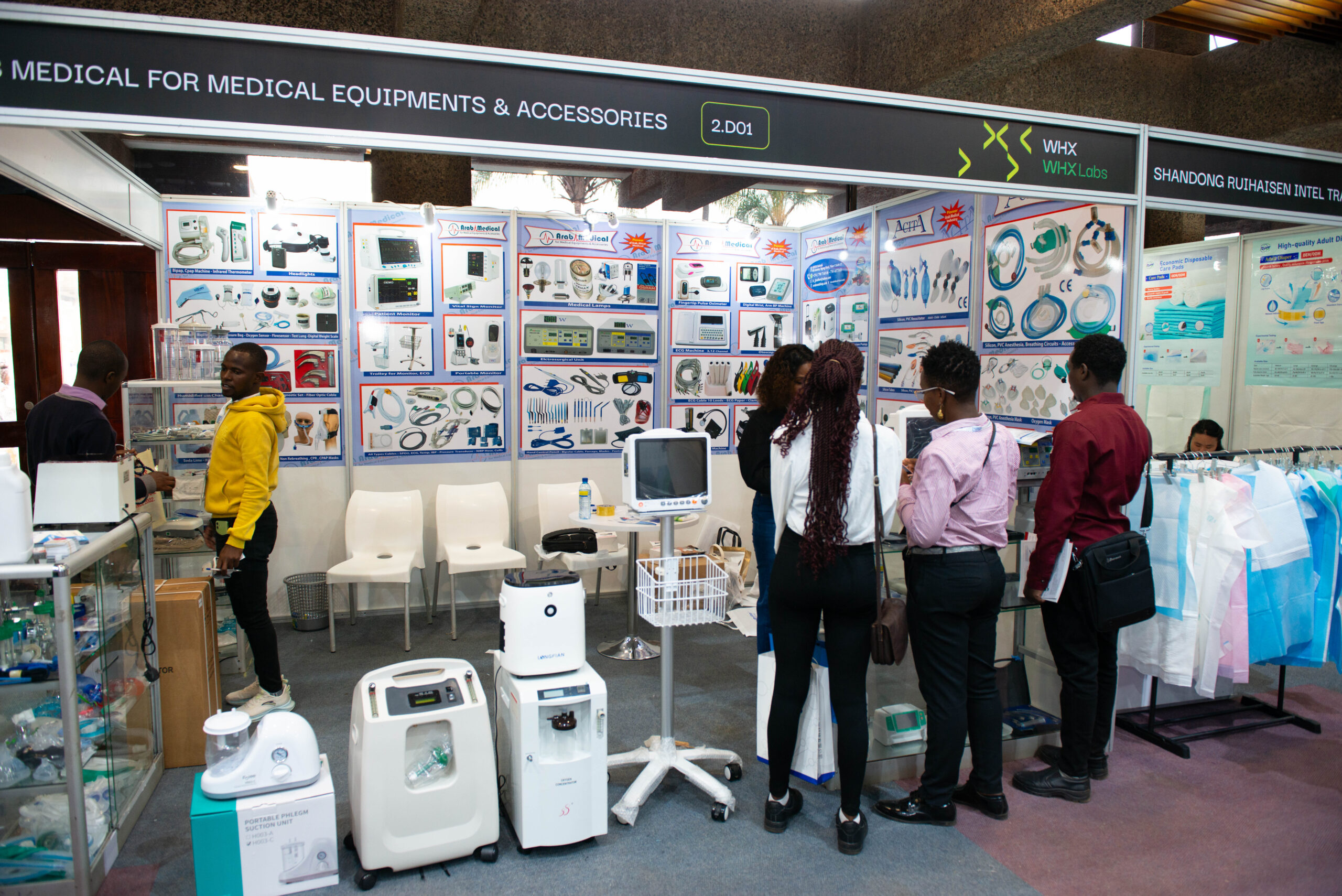
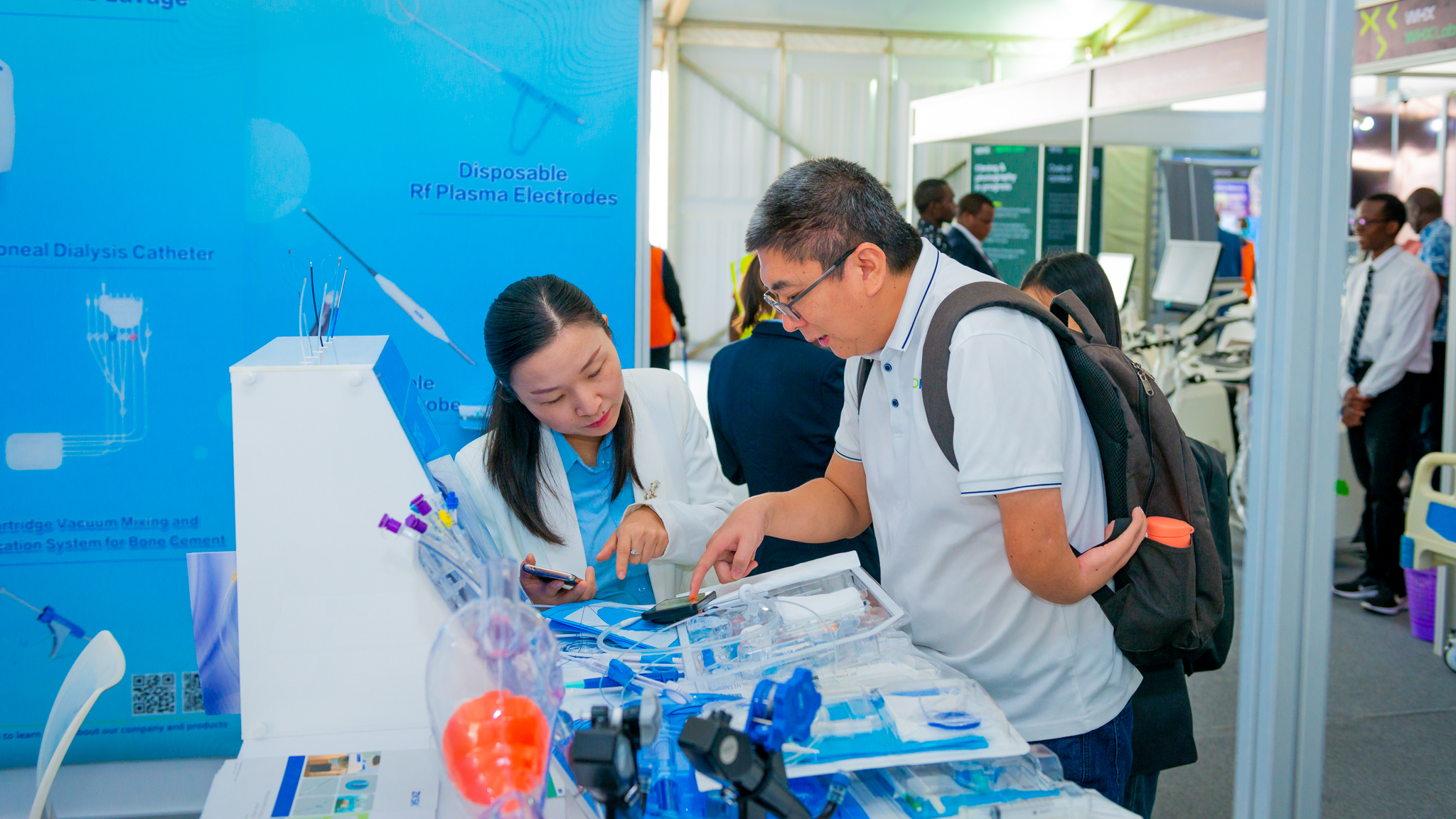
It is against this backdrop that the World Health Expo (WHX) returns to Nairobi from 16–18 September 2026, bringing together manufacturers, hospital buyers, distributors, logistics providers and policymakers to explore how stronger partnerships and more efficient supply chains can improve healthcare delivery across East Africa.
According to Tom Coleman, Portfolio Director – Healthcare at inD, Nairobi’s growing importance extends beyond hosting another healthcare exhibition.
“WHX in Nairobi is where East Africa’s healthcare ecosystem comes together to do business. As regional trade corridors strengthen and healthcare supply chains become more connected, Nairobi is increasingly the place where manufacturers, distributors, hospital groups and policymakers can build the partnerships that move products, improve access and shape the next phase of healthcare delivery across the region.”
Now in its 10th edition, the event is expected to attract more than 5,500 attendees and over 200 exhibitors from more than 30 countries, reflecting the growing commercial significance of East Africa’s healthcare sector.
Whether East Africa can translate stronger trade links into better healthcare access will depend not only on investment, but also on how effectively governments, manufacturers, healthcare providers and policymakers work together. As the region’s healthcare economy continues to evolve, platforms such as WHX provide an opportunity to strengthen those partnerships and explore practical solutions that could shape the future of healthcare across East Africa.
END













[…] article: View original | ⏰ Published on: July 22, […]
Comments are closed.