|
Getting your Trinity Audio player ready...
|
By Talkafrica Correspondent
MOMBASA – A Kenyan court has found starvation cult leader Paul Mackenzie and about 30 others guilty of murder over the deaths of 190 children and one adult. It is the first time the preacher has faced a verdict on murder charges.
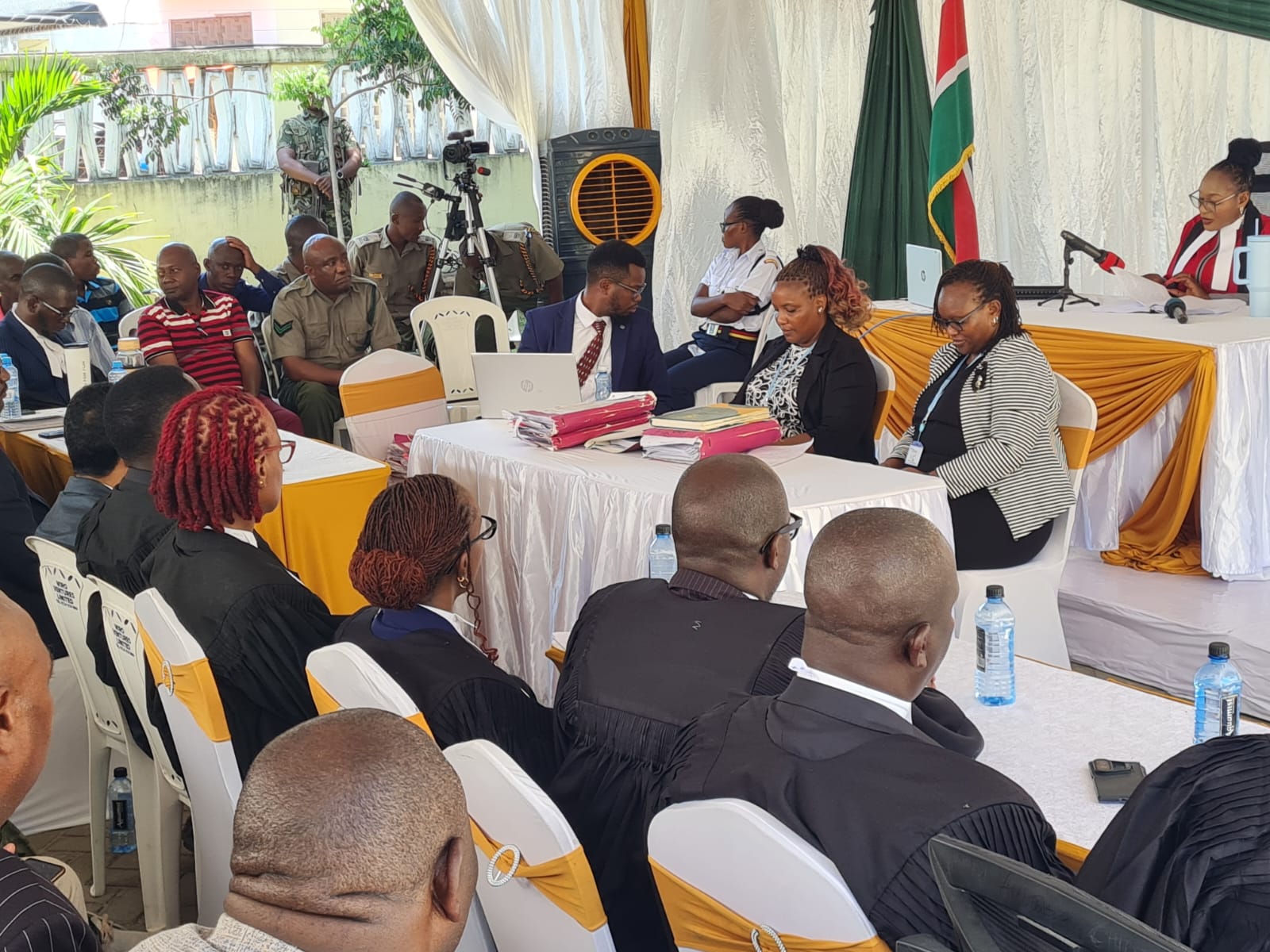
The court rejected Mackenzie’s argument that he did not force the victims to starve. Justice Diana Kavedza Mochache’s judgment took more than eight hours to deliver. She said that in some cases children were isolated and denied food while their parents watched.
The judge’s findings
Justice Kavedza found that Mackenzie deliberately misinterpreted scripture. She said passages such as Ecclesiastes 12 and Timothy 6 were twisted to turn followers against education, giving him the justification to cut family ties, give up work and retreat to Shakahola. She compared his methods to those of the late Sheikh Aboud Rogo Mohamed, a preacher who turned an Islamic platform into a radicalisation pipeline. Under Mackenzie’s authority, she said, the parental instinct to preserve a child’s life was turned against the child.
Earlier in the case, she ruled that Good News International Ministries operated as an apocalyptic cult. In April, she also noted that the exhumed bodies, including those of children, were undisputed, and that relatives had testified confirming their children’s deaths. She also ruled that the absence of a forensic archaeologist from the exhumation team did not invalidate the evidence.
The state relied on 121 witnesses, along with postmortem findings, expert opinions, and government analysts’ reports. Survivors who fled the forest, often pursued by armed guards, were among those who testified. A police officer told the court in 2025 that an informer reported Mackenzie eating in secret in his cell while his followers refused food. A man whose wife took their five children to Shakahola while pregnant with their sixth also testified.
Prosecutors said some accused persons failed to explain how their children died, while others admitted their children had fasted to death. The defence argued otherwise. One accused, Steven Sanga Muye, testified that people lived in Shakahola voluntarily and that the fasting instructions came from the Holy Spirit, not Mackenzie. The defence urged the court to acquit, saying murder had not been proved beyond reasonable doubt.
The rights commission said fewer than 10 percent of the bodies had been identified and handed to families. Francis Wanje, 62, who lost eight relatives including his daughter and two grandchildren, said before the verdict that he wanted a ruling to prevent similar tragedies. Mackenzie’s son, Dan Paul Mackenzie, said his father should be found guilty.
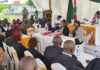
Mackenzie sat in court beside his wife, who is among the co-accused. Before the verdict, he told the media he had been hoping for this day.
State failures
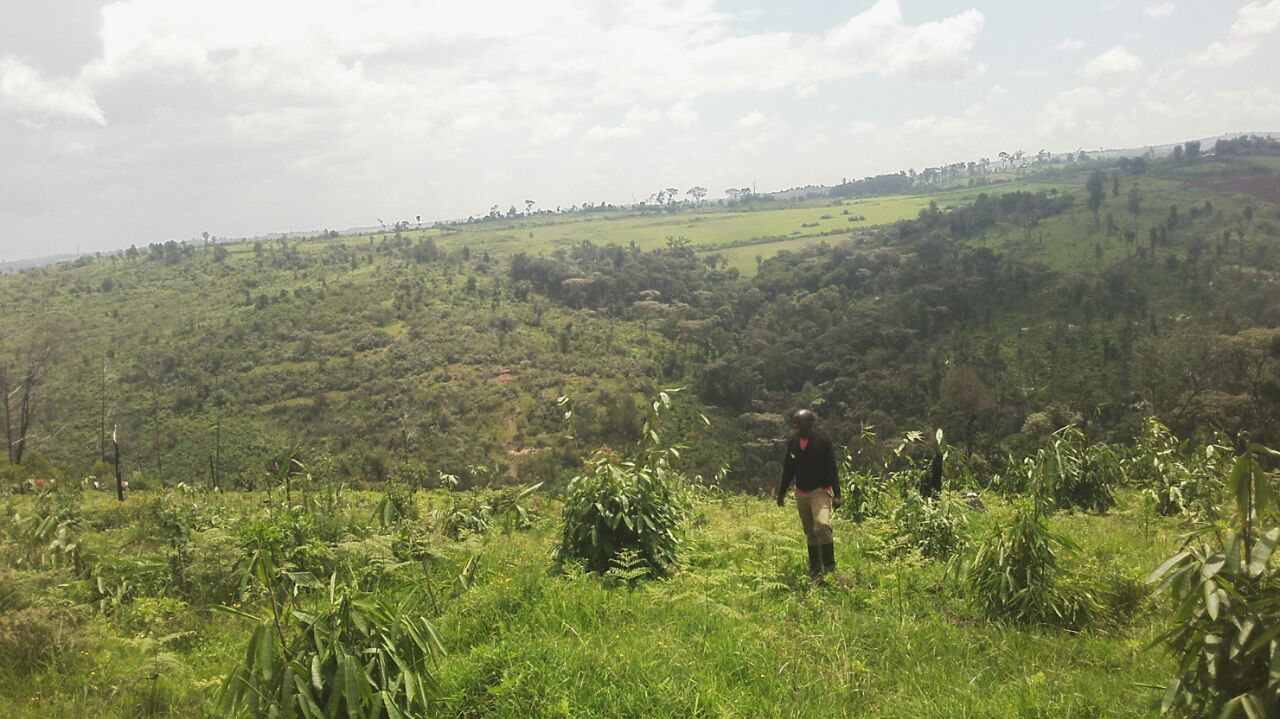
The case has also put the state under scrutiny. Mackenzie had been on the authorities’ radar since 2017, when police searched his premises, and the church was shut in 2019, after which he moved to Shakahola. In 2017, he was charged with radicalisation, and the case ended in an acquittal in October 2021. The Commission on Administrative Justice described “a gross dereliction of duty” by government administration and police officials who ignored warnings between 2021 and 2023. The rights commission likewise concluded that the state failed to protect citizens, citing missed chances to act on warnings, delayed investigations, and weak support for survivors.
What happens next
Sentencing and mitigation proceedings would normally follow a conviction. One report says prosecutors want Mackenzie and a few others to hang, although Kenya has carried out no executions since 1987.
Prosecutors say Mackenzie also directed the deaths of 52 people in Kwa Binzaro village while in detention. He has pleaded not guilty to those charges. Mackenzie and other suspects also face charges of manslaughter, terrorism, child cruelty, torture and denial of education in other cases that have yet to be tried. Investigations into the other deaths are continuing, and more than 400 bodies have been recovered.