By June Lance
Mombasa, Kenya: Ahead of Kenya’s upcoming General Elections, journalists across the Coastal region are bracing for a challenging political climate marked by rampant misinformation, dwindling newsroom funding, hurdles in accessing information, and heightened pressure on the press.
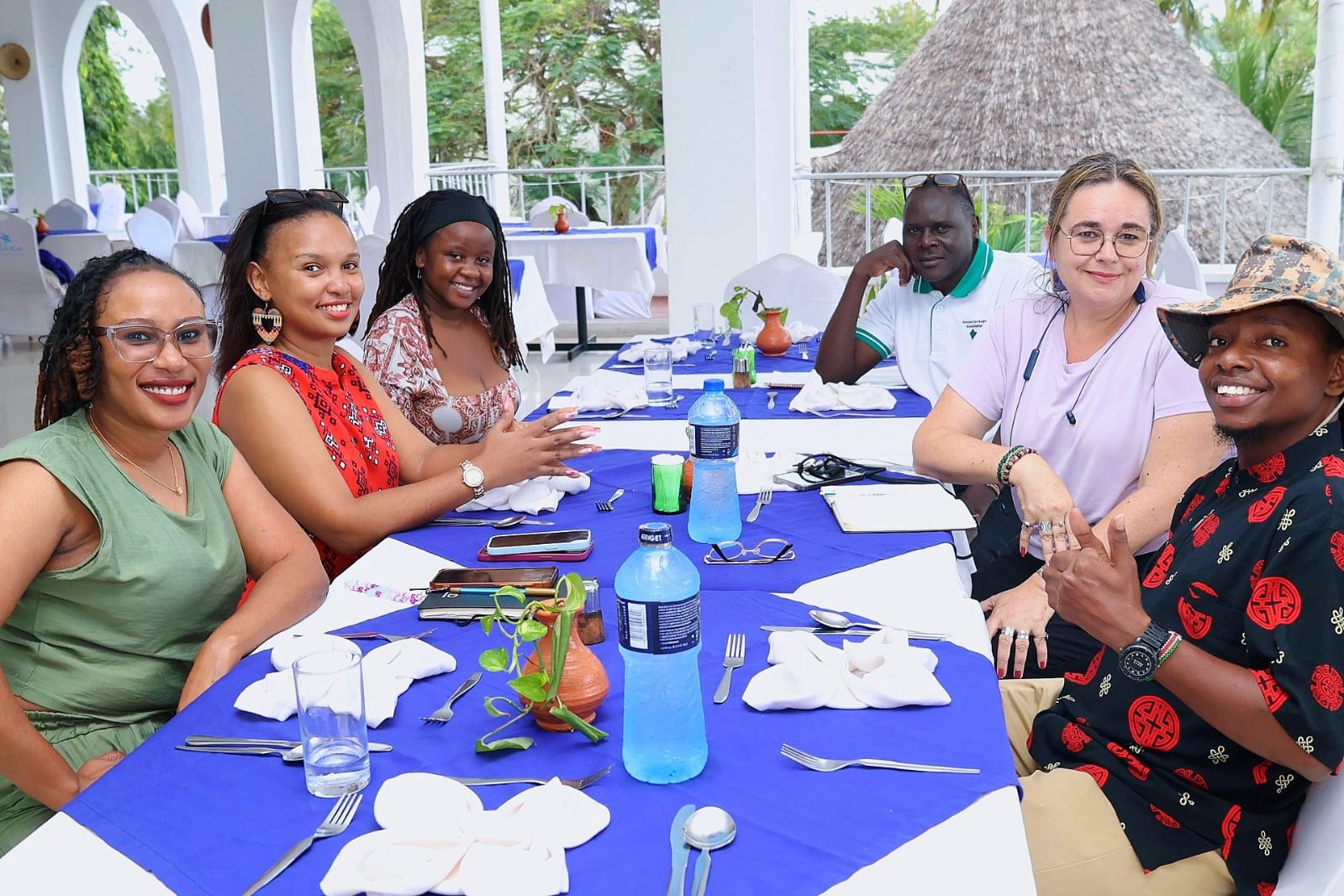
All of which heighten the risks of holding those in power accountable. In response to these headwinds, investigative journalists and media development entities convened in Mombasa on Saturday to address these emerging threats and reinforce the safety nets, resources, and frameworks essential for preserving bold, trustworthy, and independent reporting.
The gathering convened key figures including Free Press Limited’s Andrea Gomez and Fenke Elskamp, Kenya Correspondents Association (KCA) Coast Chapter Assistant Secretary Charles Kogal, alongside Safiri Initiative journalists Cate Mukami, June Lance, Yohana Sila, and Claire Thuku.
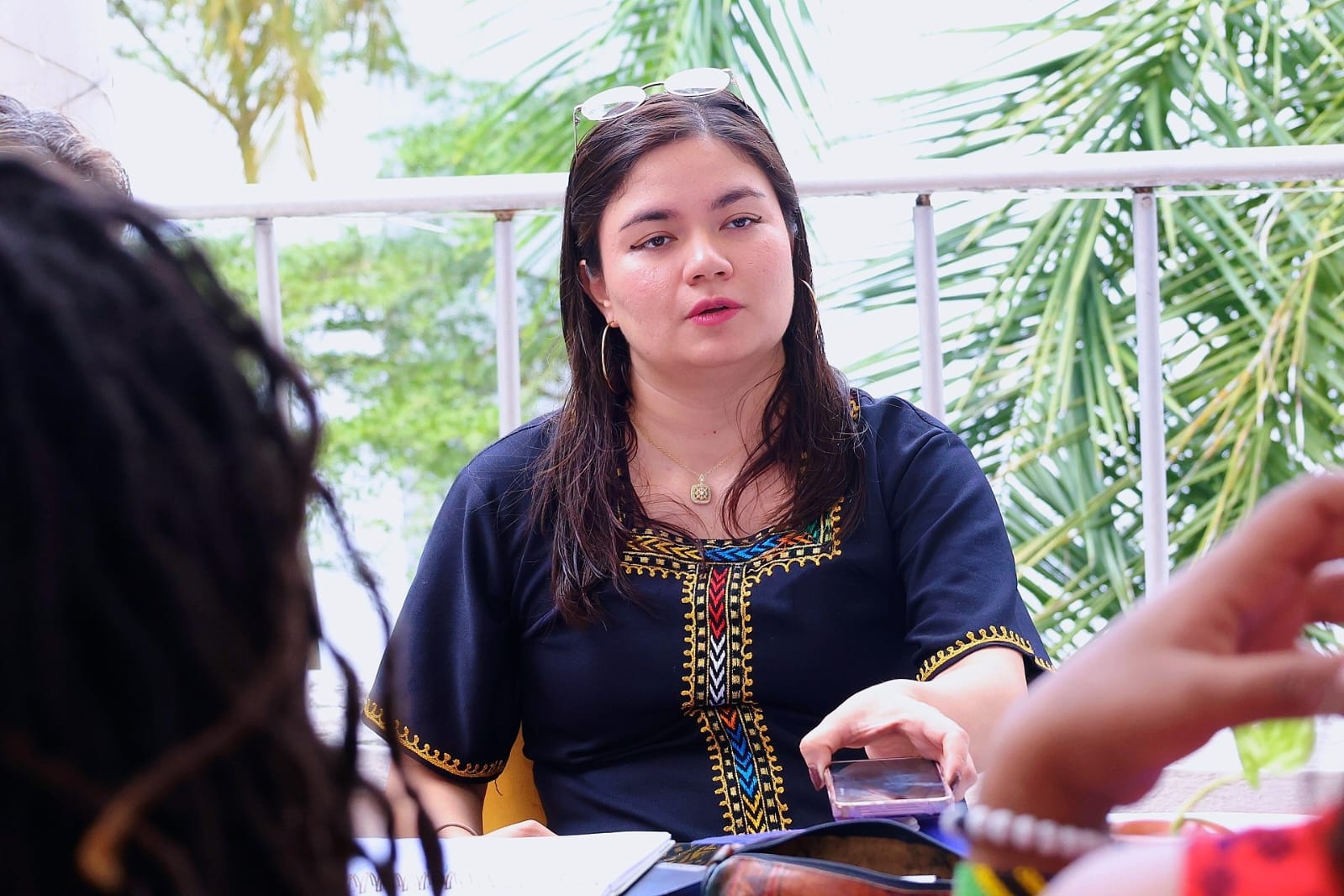
Together, they discussed the critical practical and systemic hurdles confronting investigative reporters. The conversation underscored that pursuing high-impact, sensitive stories demands strong protective measures, reliable financial resources, and unwavering resilience in the face of institutional and political pushback.
The key focus was the strategic KCA-ASPEN grant partnership under the Safiri Project, aimed at strengthening independent journalism during critical political transitions. The investigative grants provide financial and editorial backing for journalists probing governance failures, human rights violations and resource allocation.
Kogal underscored the importance of targeted funding in giving journalists the time and resources required to pursue complex investigations, while Gomez and Elskamp reiterated Free Press Limited’s commitment to supporting mechanisms that strengthen media sustainability and protect editorial independence.
Journalists also painted a hard picture of the realities on the ground in Mombasa, citing unresponsive public utilities, delayed responses to formal Access to Information requests, environmental governance concerns and increasing socio-political pressure. With elections drawing closer, journalists investigating issues of public interest are increasingly facing institutional resistance, silence and barriers to accessing critical information.
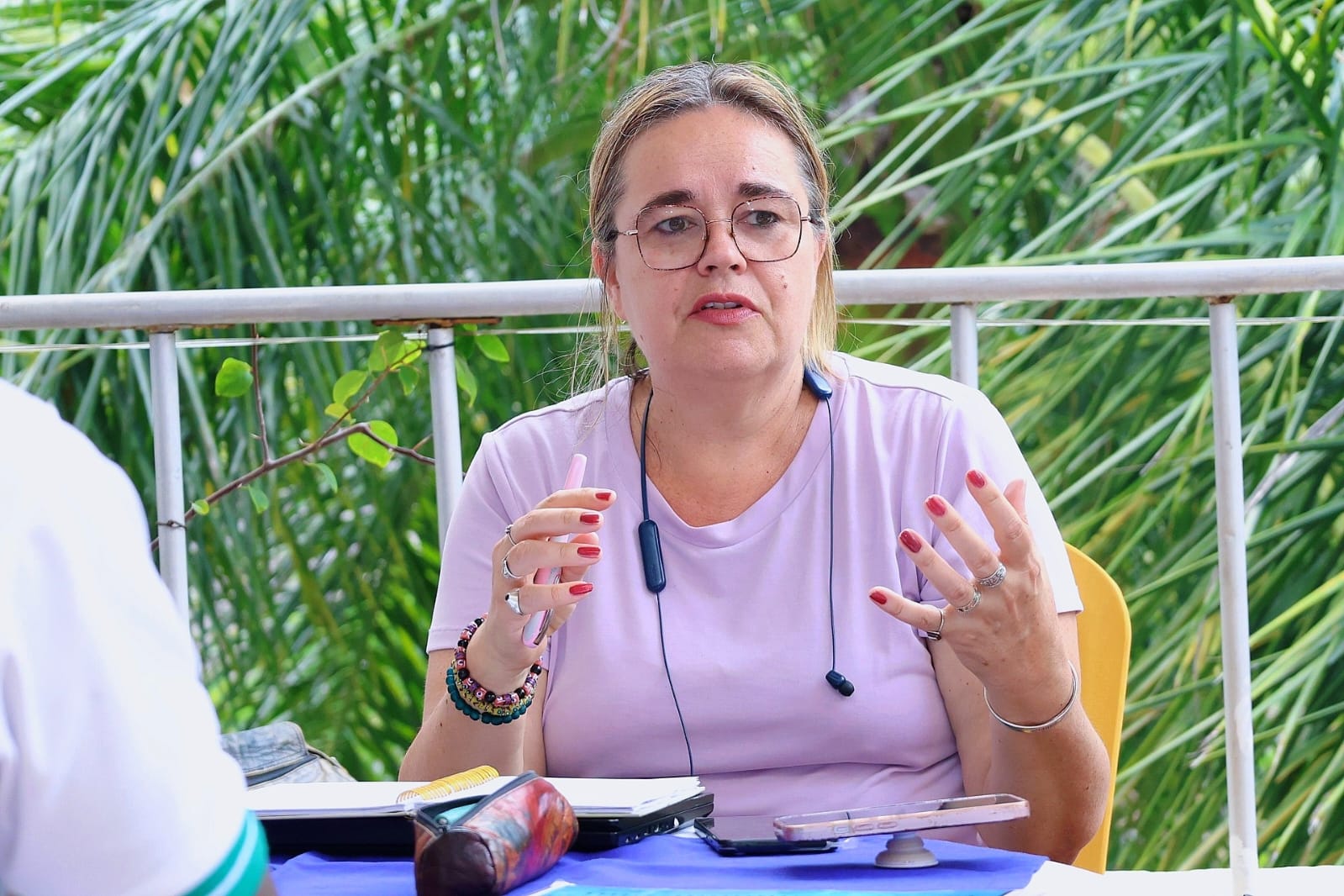
Journalist safety consequently emerged as a non-negotiable pillar of investigative reporting. Participants stressed that digital security, physical protection, legal support and psychological assistance must be embedded into investigative work from the outset.
Elskamp called for comprehensive risk assessments before journalists enter the field, while Kogal reaffirmed KCA’s commitment to rapid legal intervention, safety networks and psychological support for correspondents facing threats, harassment or intimidation.
The gathering concluded with a renewed pledge to bolster unity throughout the journalism community. By pairing KCA-ASPEN investigative funding with comprehensive safety protocols, reporters with the Safiri Initiative are equipped to tackle complex stories, hold leadership accountable, and uncover matters of significant public concern.
As the Coastal region approaches another pivotal electoral cycle, the mandate remains unambiguous: journalists must uphold courage, objectivity, and integrity, even within an environment that is growing increasingly adversarial.