|
Getting your Trinity Audio player ready...
|
By Victoria Musimbi
Nairobi, Kenya: Refugees in Kenya continue to face barriers to education, including documentation requirements, limited learning opportunities and financial pressures that can make it difficult to pursue education and skills development.
Stakeholders are now calling for more flexible and inclusive learning pathways to help refugees and other vulnerable communities access education, acquire skills and strengthen their self-reliance.
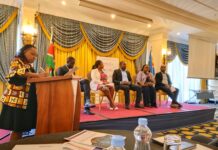
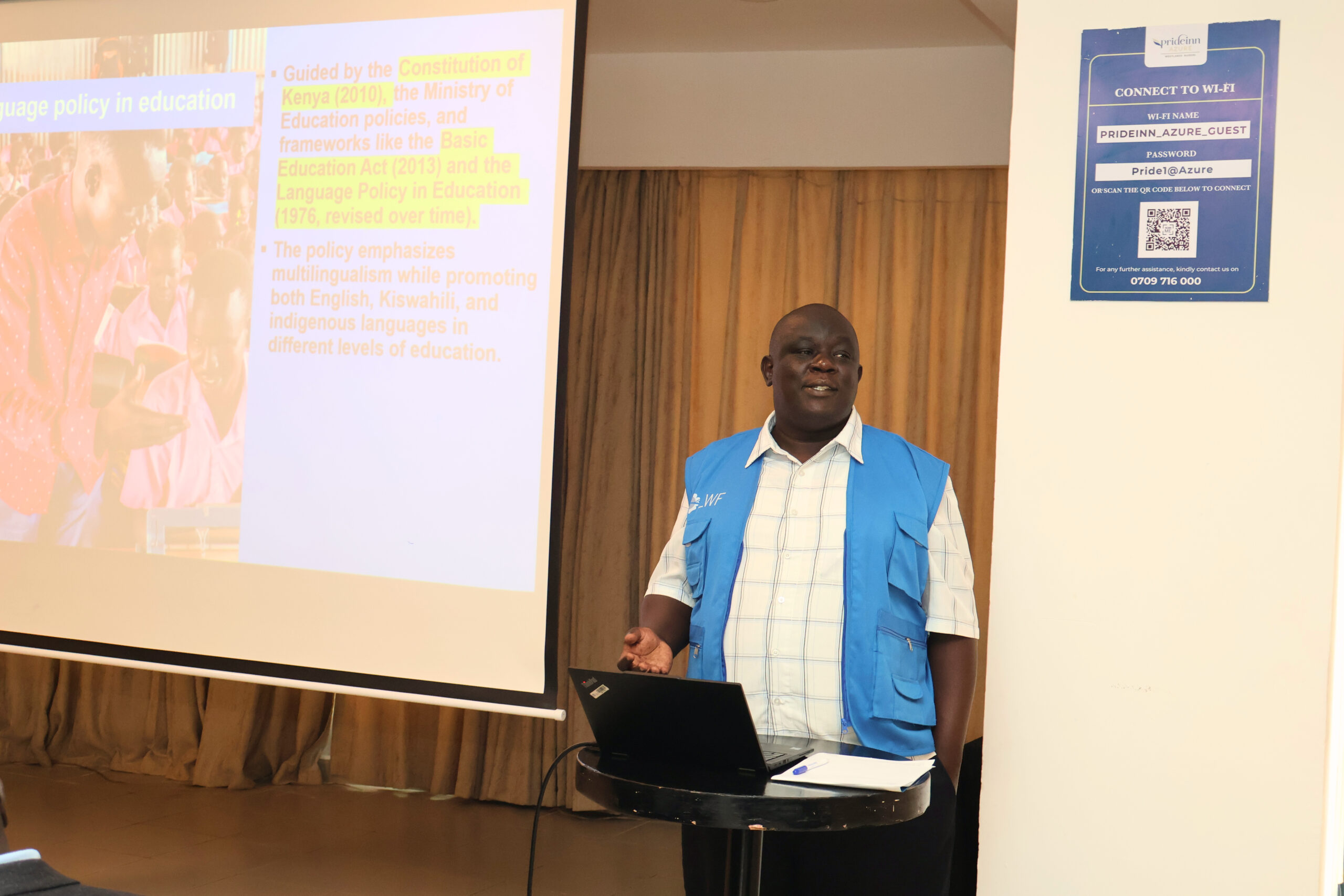
The call was made during a stakeholder session convened by the Lutheran World Federation (LWF) and EACHRights, bringing together representatives from the Directorate of Adult Learning and Education, the Ministry of Education, other government departments, civil society organisations, refugee representatives and human rights institutions.
The discussions focused on barriers to refugee inclusion and practical solutions, with particular attention to urban refugee communities in Nairobi and their access to education and other essential services.
Adult Education as a Pathway to Inclusion
Salome Terah, Nairobi County Director of Adult and Continuing Education, said the Directorate of Adult Learning and Education (DALE) provides adult learning programmes for young people and adults aged 15 and above, offering literacy, numeracy, life skills and practical skills development.
She said the Directorate supports vulnerable and marginalised groups, including urban refugees, through Adult Learning Centres established in areas such as Eastleigh and Kayole.
“Adult Learning and Education is a tool for inclusion and economic empowerment,” Terah said, noting that the programmes provide an opportunity to deliberately reach vulnerable groups, including displaced populations.
Through Integrated Functional Adult Literacy programmes, learners receive literacy, numeracy, civic education and life skills relevant to their daily lives and livelihoods. Post-Literacy and Continuing Education programmes also provide opportunities for learners to develop practical skills that can support self-employment and participation in the informal economy.
For those seeking formal recognition of their learning, the government works with the Kenya National Examinations Council (KNEC) to provide eligible learners, including refugees with the required documentation, with access to adult assessments and certification.
However, Terah said documentation requirements, limited learning centres, livelihood pressures and a shortage of instructors continue to affect participation. Language and cultural differences can also create challenges for some learners.
She called for more learning centres in areas with significant refugee populations, as well as evening and weekend classes to accommodate people with work and family responsibilities.
She also urged stakeholders to improve data on refugee learners and establish clearer pathways to further education and certification.
“Urban refugees can meaningfully access adult education as a pathway to skills, dignity and economic inclusion,” Terah said.
Tackling the Cost of Staying in School
Maureen Kendi, Policy and Advocacy Officer at Human Dignity and Wellness Centre (HDWC), said the organisation works on climate action in education, mental health, parental engagement, policy advocacy, research and education budget advocacy.
She said HDWC is committed to ensuring refugee children and those from vulnerable communities can access quality education and progress through the education system.
“Our focus is on ensuring that refugee children and other children from vulnerable communities are not left behind in Kenya’s education system, particularly in terms of access, retention, progression and transition to further education,” Kendi said.
Kendi said one of the major challenges facing urban refugee families is the hidden cost of education. Although basic education is officially free, families still have to meet costs such as uniforms, learning materials, meals and transport.
“These costs can be particularly burdensome for refugee households, many of whom are already facing economic vulnerability,” she said.
She called for education financing to better respond to the needs of vulnerable learners and for stronger pathways from basic education to secondary school, TVET and higher education.
Kendi said inclusion should go beyond enrolment to ensuring learners remain in school, progress and successfully transition to further education and skills development.
Addressing Wider Barriers
Johnstone Shisanya, Programme Manager for the Education Justice Program at EACHRights, said the organisation advocates for the right to education for marginalised and vulnerable groups, including refugees, asylum seekers, migrant workers and internally displaced persons.
“SDG 4 calls for quality and inclusive education, leaving no one behind, regardless of their social, cultural, religious, gender or other status,” Shisanya said.
He said registration challenges can affect refugees’ access to education systems such as the Kenya Education Management Information System (KEMIS), while participants also raised concerns about safety and security, sexual and gender-based violence affecting girls, limited access to healthcare and difficulties obtaining licences to operate businesses.
Shisanya said the session provided an opportunity for different actors to develop a coordinated response to these challenges.
“The forum brought together different stakeholders, and various ideas and strategies emerged from the panel discussions, plenary and group sessions. A strong multi-stakeholder movement was formed with the aim of pushing for the realization of the rights of refugees in Kenya,” he said.
He said EACHRights will work with partners to advocate for improved implementation of policies affecting refugees, including a review of the 2010 Adult Learning and Education Policy to strengthen access to inclusive and equitable education.
Turning Policy Into Inclusion
Collins Omondi, Senior Programme Officer in charge of Protection and Social Cohesion at Lutheran World Federation Kenya-Somalia, said the meeting placed education within the broader agenda of refugee inclusion in Kenya.
He pointed to the Refugees Act No. 10 of 2021 and the Shirika Plan, which emphasise the socioeconomic inclusion and integration of refugees and host communities.
Omondi said the goal is for refugees and host communities, where possible, to access services through the same systems while living and working alongside each other.
He said the meeting provided an opportunity to assess progress towards refugee integration, particularly in education, while identifying gaps requiring further action. He acknowledged the government’s role in supporting inclusion, particularly in refugee-hosting areas such as Kakuma, Kalobeyei and Dadaab.
“The discussions contributed to an advocacy strategy that will guide how we engage the government going forward, recognising what has been done, identifying what remains to be done and encouraging more stakeholders to come on board to support the government,” Omondi said.
The outcome of the meeting will also inform an advocacy document outlining how stakeholders can engage the government on refugee inclusion and support for refugee-hosting communities.
For urban refugee communities, Omondi said registration remains important for legal recognition and protection, while those living in urban areas are expected to comply with Kenyan laws and follow the appropriate processes when moving from designated refugee-hosting areas.
“Ultimately, we want to see greater inclusion of refugees, stronger support for refugee-hosting areas and peaceful coexistence between refugees and host communities,” Omondi said.
Expanding flexible adult education, reducing financial barriers and strengthening access to education and public services could help turn Kenya’s refugee inclusion policies into practical opportunities for vulnerable communities across the country.