|
Getting your Trinity Audio player ready...
|
By Gideon Mutembei
Nairobi, Kenya: Mazingira Institute and Nairobi City County’s training show jobless youth and adults that farming needs a sack, a jerrycan, two rabbits, and their own kitchen waste
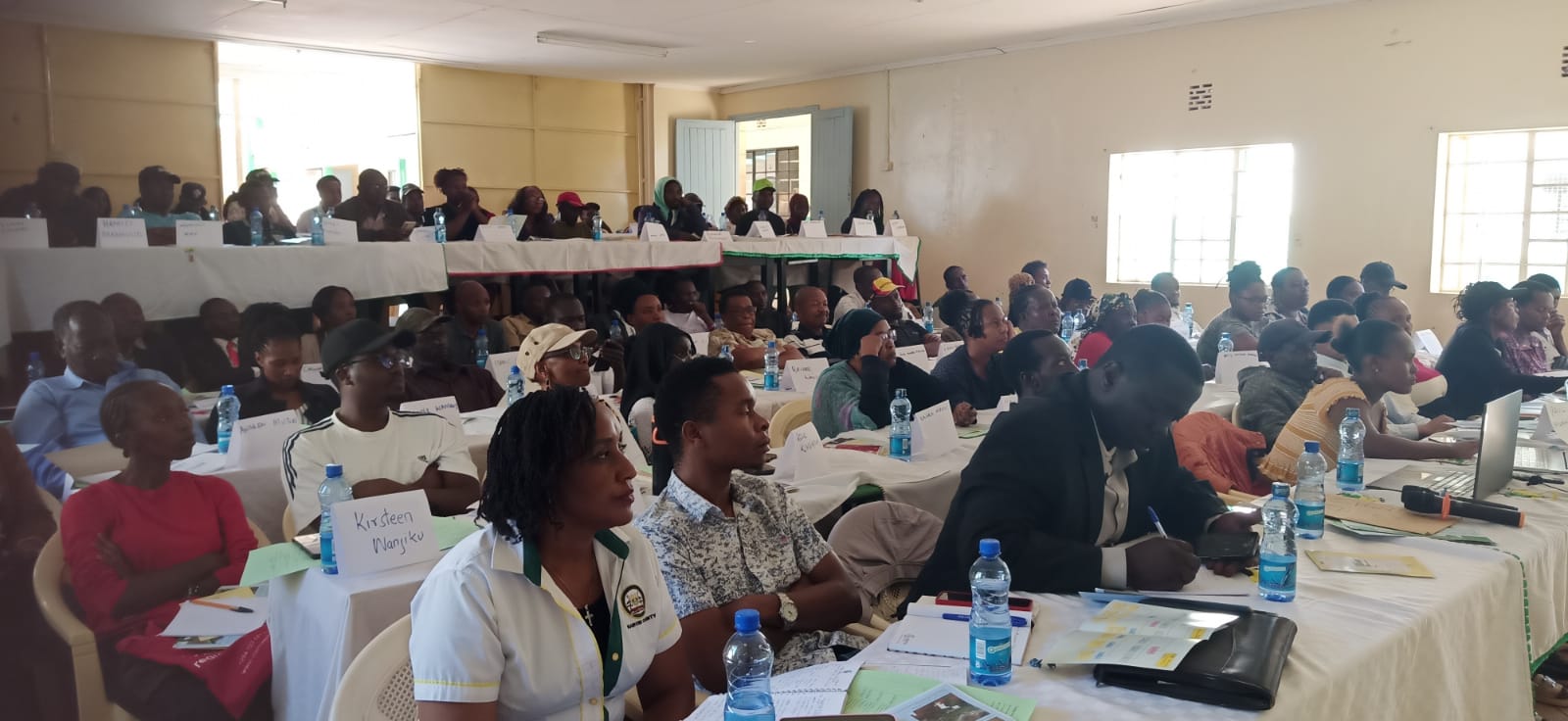
When unemployed youths and adults walked into the Waithaka Technical Training Institute demonstration farm on 22nd and 23rd October 2026, many believed farming needed land. Two days later, they left knowing they needed only a sack, a plastic jerrycan, two rabbits and the waste from their own kitchens.
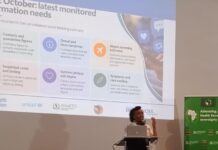
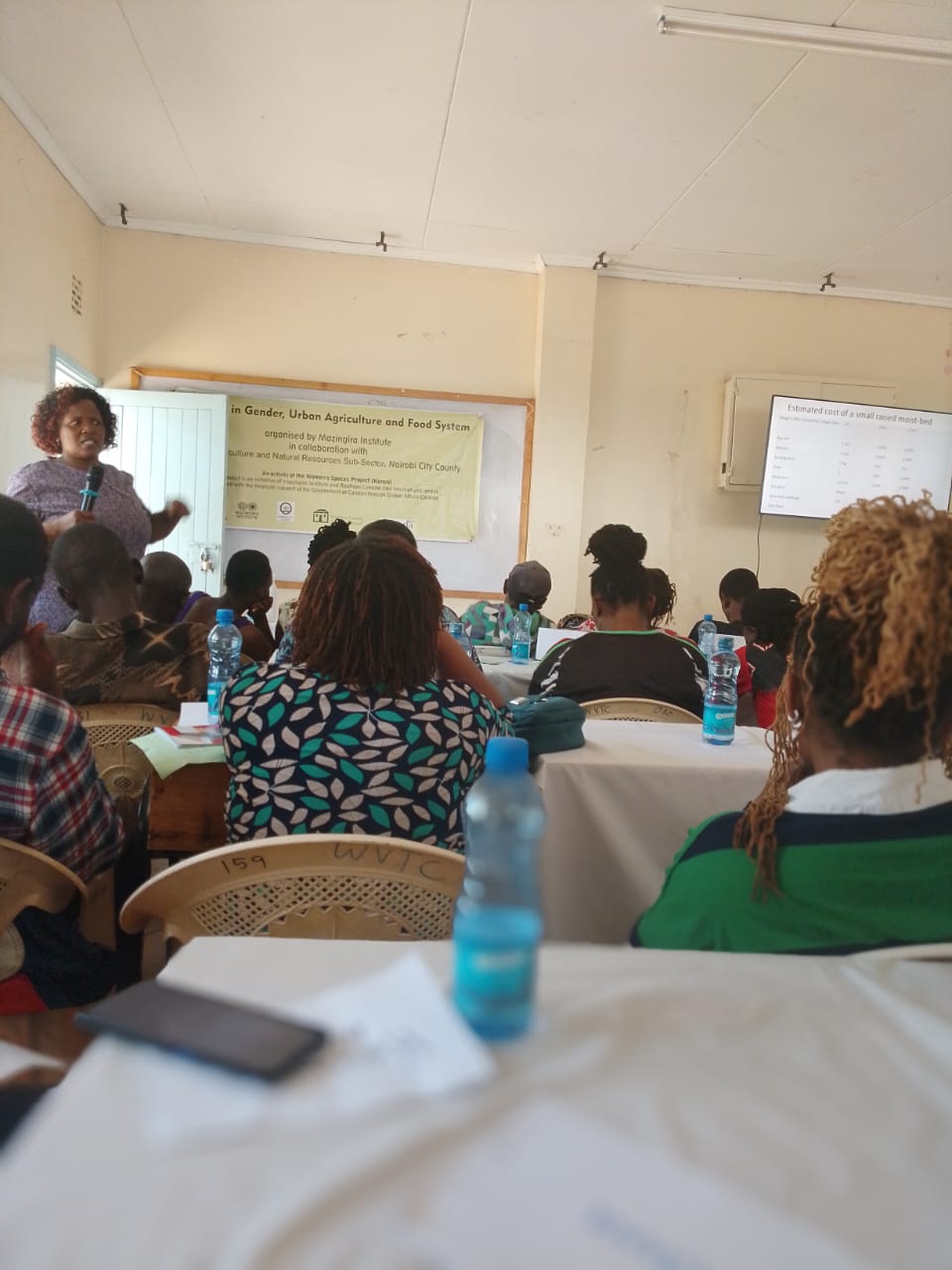
That was the lesson of the Urban Agriculture and Food System Training, organised by Mazingira Institute and the Nairobi City County Department of Agriculture and Natural Resources.
According to Florence Mbogo of the department, the training aims to improve the wellbeing (health) and wealth (income) of women, men and youth as farming space in the city shrinks. The answer, she says, is urban agriculture, including waste management.
Of all the models taught, the kitchen garden is the most popular because it is so easy to reach. Dr Margaret Mwaura of the county’s agriculture department explains that it is a small garden within the homestead, usually behind the kitchen. It grows mainly vegetables for home use, such as green leafy, root and fruit vegetables, herbs and spices, alongside fruits like pawpaws, tree tomatoes and strawberries.
The benefits are many. A kitchen garden supplies the family with fresh, safe vegetables, improves food security, and can be reached at any time of day. It also saves income and the time spent going to market, makes good use of free time, beautifies the homestead, uses less water and makes the most of the space in the compound.
Participants were introduced to a range of locally built micro-gardens: multi-storey (sack) gardens, moist beds (raised and sunken), three-in-one gardens, key-hole gardens, hanging gardens, rooftop gardens, cone gardens, tyre gardens, shade nets and greenhouses. They also saw irrigation options including drip, simple drip, and wick systems. All are designed for tenants, who can use a balcony or even a mabati wall.
Compost is the engine of it all. Before any seed is planted, the soil is mixed with compost manure, watered and left overnight to blend well. The trainers took participants through the whole process of making it.
Compost manure is a heap of plant and animal waste that decomposes over time, leaving healthy soil and better crops. The steps are:
- Dig a bed and lay dry plant material, such as maize stalks, at the bottom for airflow and carbon.
- Add green plant material and grass for nutrients.
- Add droppings from chickens and rabbits for nitrogen, plus topsoil for worms and insects.
- Sprinkle water to speed up rotting and add ash to add potassium.
- Repeat the layers, cover with green plants, and turn regularly to let in air.
Well-prepared compost improves soil structure, helps the soil hold water and feeds the plants.
“Healthy soil means healthy plants, better harvests and greater food security,” says Dr Mwaura. For an unemployed youth, she adds, this means there is no need to buy expensive inputs like CAN and DAP fertiliser, because compost replaces the cost.
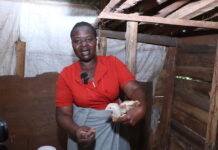
Mbogo also showed participants the Mazingira poultry unit, a raised, well-ventilated, self-cleaning coop that needs little labour and suits urban areas. She introduced the Rainbow Rooster, a cross between broiler, brown layer and indigenous chicken. It is a dual-purpose bird that grows faster, carries less fat, has tasty meat, and converts feed efficiently. It lays about 180 eggs a year, against 60 for local chicken, and suits both small- and large-scale farmers in peri-urban areas.
Rabbits are another quick hustle. Interest in rabbit keeping is growing, driven by an emerging market and its economic value for jobless youth. Rabbits grow quickly and breed prolifically, with a gestation period of just 31 days. A doe can kindle up to 10 times a year, with five to 10 kits each time.
They need very little space and can be reared on a balcony. Rabbit meat is prized for its high-quality protein. It is low in fat and cholesterol, easy to digest (which makes it suitable for the sick), and has a high meat-to-bone ratio. Hospitals and hotels are already forming a market for it.
One cycle, zero waste
The facilitators showed how the pieces fit into a single cycle for a jobless youth in Nairobi:
- Keep two rabbits in a raised wire cage and five hens in a small coop.
- Collect their droppings and urine, then mix them with kitchen waste, dry leaves and ash to make compost.
- Use the compost to plant a cone garden, and hang a few jerrycans on the wall for wick irrigation to grow sukuma wiki, spinach, strawberries and herbs.
- Feed the vegetable trimmings back to the rabbits and chickens.
Pests are kept in check with minimal pesticides, Dr Mwaura explains: handpicking, organic sprays made from hot pepper, tithonia, kitchen ash and rabbit urine, and intercropping with onions and Mexican marigold.
I kept only the final subhead, “One cycle, zero waste,” since it introduces the summary of the whole model, and rewrote the openings of the other sections so the piece still flows without headings. The points to verify from my last message (rabbit quote source, Rainbow Rooster, breeding rate, compost bed size, “food robe,” and fertiliser) still apply.