|
Getting your Trinity Audio player ready...
|
By Gideon Mutembei
Nairobi, Kenya: Following Kenya’s confirmation of an imported Ebola case, attention quickly turned to what vital information the public requires. This priority was addressed during two briefings in Nairobi held by WHO, Africa CDC, UNICEF, and the Ministry of Health’s Listening to the Public Roundtable Media Engagement Workshop.
In both sessions, organizers underscored a shared message for both Editors and journalists: media reporting serves as an integral element of the overall public health response.
“The media sits between the public and health authorities , getting questions and experiences from communities, and evidence and guidance from authorities, to produce verified reporting and scrutiny,” said Nancy Okwengu, a representative of the World Health Organization.
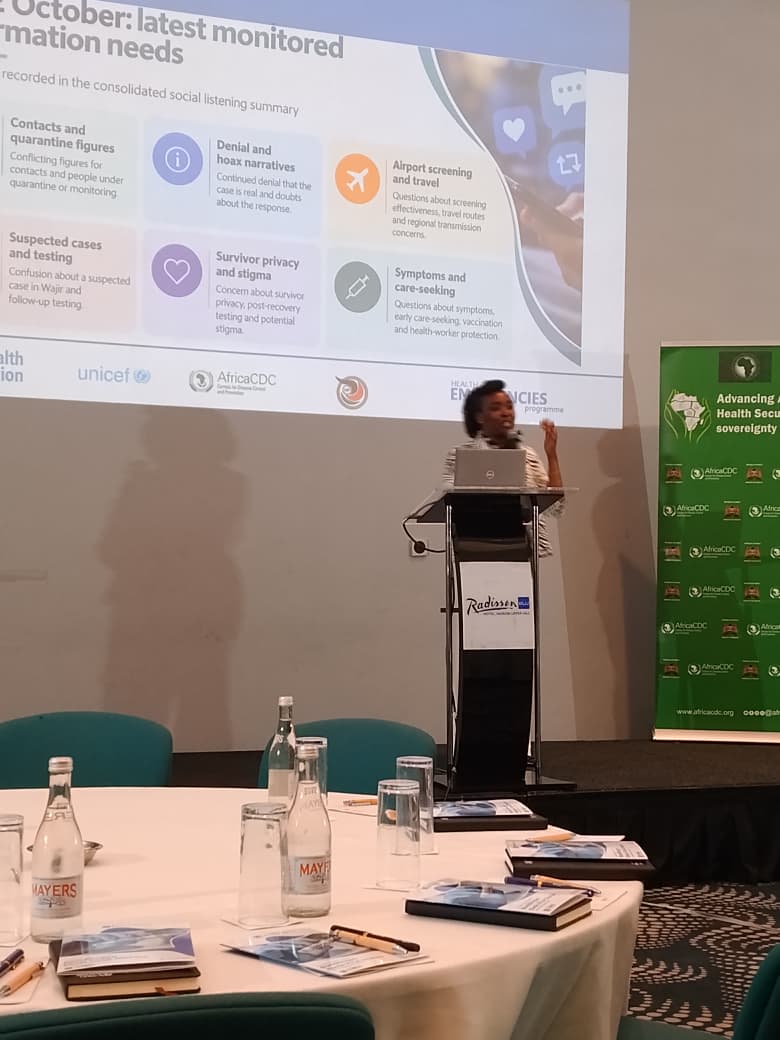
Data from the WHO social listening report highlights that Kenyans raised numerous questions in the initial 24 hours. Key information gaps centered on several major themes:
| Theme / Concern | Public Information Gap / Context |
|---|---|
| Contacts and quarantine figures | Understanding why these numbers fluctuate. |
| Denial and hoax narratives | Verifying whether the case is authentic. |
| Airport screening and travel | Assessing the effectiveness of screenings at JKIA and other points of entry. |
| Suspected cases and testing | Clarifying testing procedures and suspected cases. |
| Survivor privacy and stigma | Ensuring personal identities are protected. |
| Symptoms and care-seeking | Determining when to seek medical attention. |
Insights from the Africa CDC workshop emphasize that proper classification is central to addressing these concerns. According to the latest update from the Ministry, Kenya has registered an imported infection contracted outside the borders, with zero reported local transmission. Meanwhile, contacts are currently being monitored.
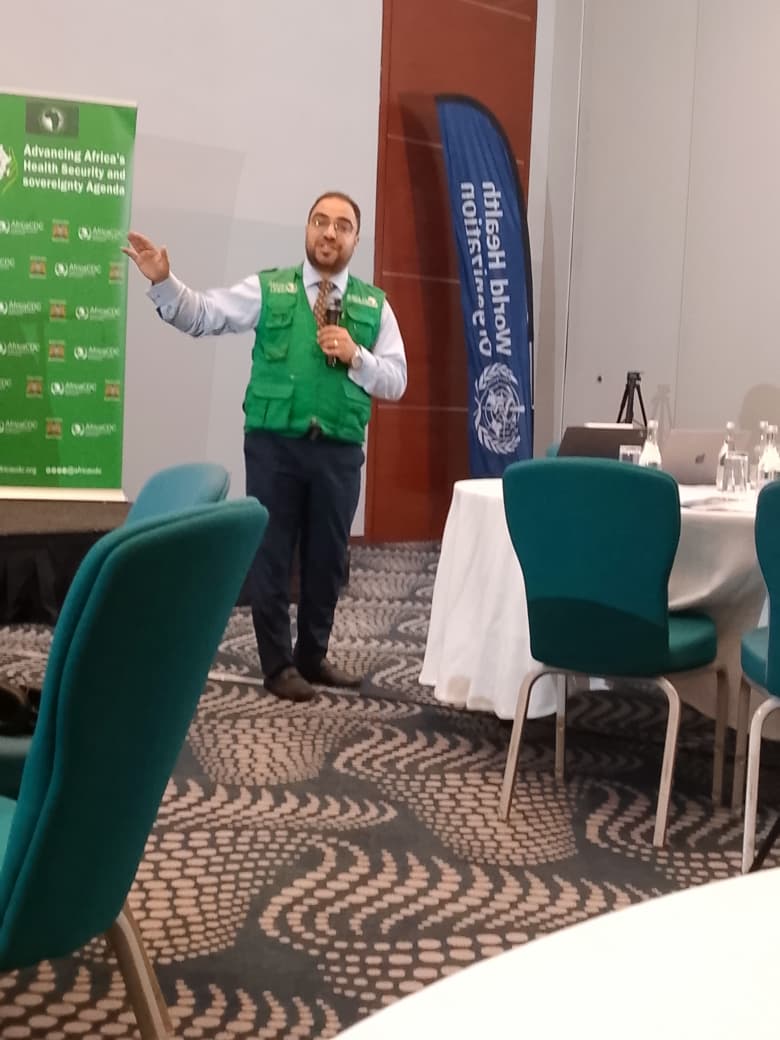
“A contact is not a confirmed case. Suspected cases are not confirmed cases. Numbers change because investigations are ongoing. Journalists were urged to ensure every figure has a date, time and source and laboratory results are the factual results of every test” clarified Dr. Wessam Mankoum director of Emergence Africa Centre for Disease Control (Africa CDC).
To combat misinformation, the workshop outlined a step-by-step verification workflow for the media:
- Verify Sources: Trace the original context, date, and source, cross-checking details with the Ministry of Health (MoH), KNPHI, or independent experts.
- Classify Accurately: Properly distinguish between confirmed cases, suspected cases, and contacts.
- Publish Responsibly: Use evidence-backed headlines with clear attribution, date all figures, use clear language, and explain both known facts and uncertainties.
- Transparent Corrections: Issue corrections across all distribution platforms and clearly detail any updates made.
The guidelines also highlighted key ethical considerations and reporting practices: Do: Safeguard personal identities, obtain informed consent, allow individuals to decline interviews, and handle sensitive cases with care. Don’t: Publish patient names, pressure individuals in distress, assign blame based on nationality or occupation, misclassify contacts as confirmed cases, or share unverified social media claims.
In the question-and-answer session, Dr. Mercy Korir the CEO of WillowHealth Media Kenya and workshop moderator emphasized that public health choices depend directly on the information people receive. She called on the media to carefully analyze public signals and avoid fueling the situation through misinformation.
“Our reporting plays a critical role in influencing how people respond to health issues” she said.
The two-day workshop received praise for fostering stronger collaboration between healthcare providers and the media by creating a dedicated platform for ongoing dialogue between both sectors.