|
Getting your Trinity Audio player ready...
|
By Jasmine Atieno
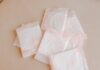
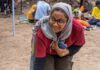
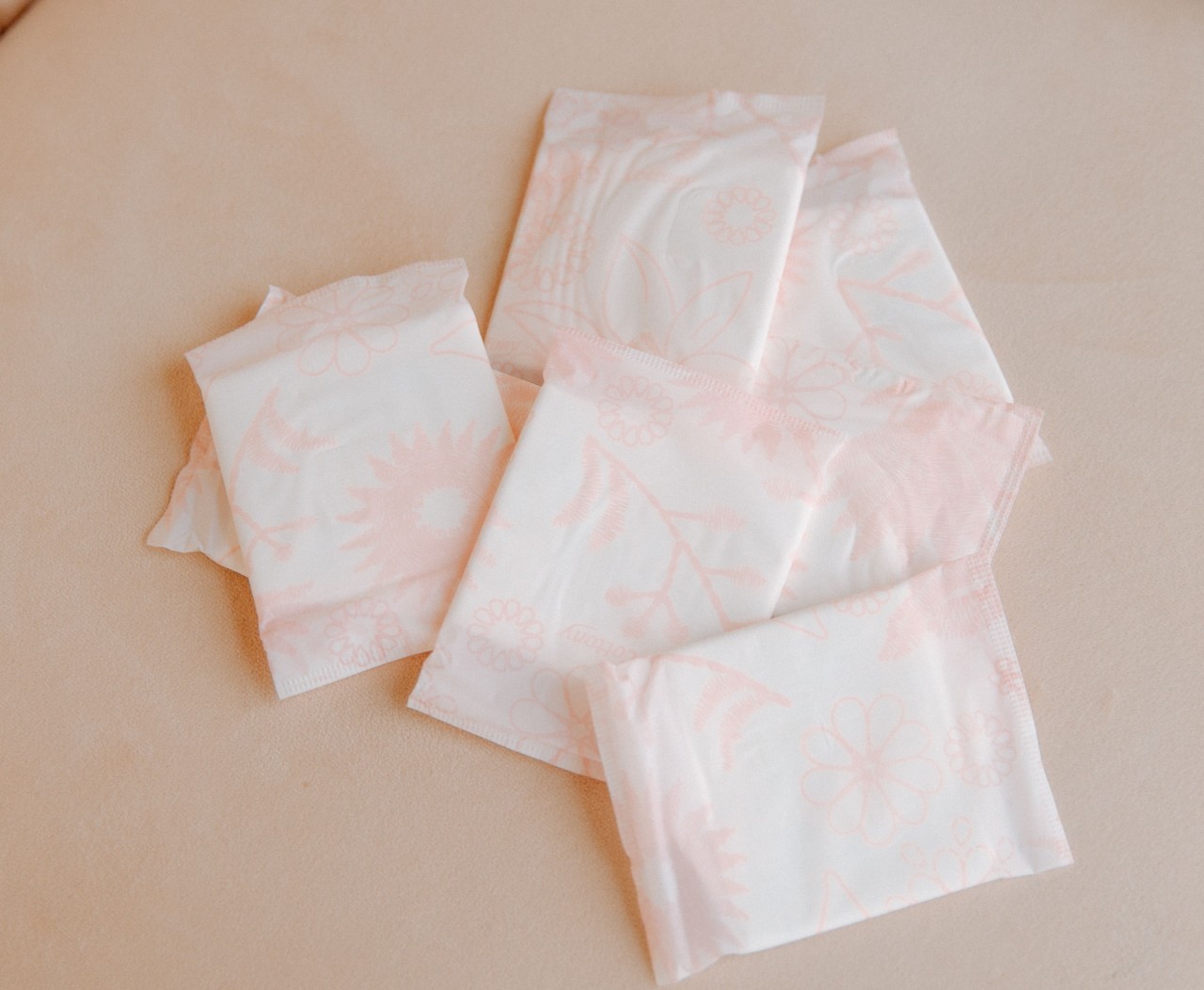
Mombasa: Fifteen-year-old Amina nervously adjusts her school uniform as she sits through a mathematics lesson at her primary school in Mombasa. Hidden beneath her desk is a piece of cloth she is using to manage her period after her family failed to raise money for sanitary pads.
“Sometimes my mother buys the pads, but sometimes she cannot afford it, and I have to find a cloth I don’t use anymore. I’m always worried because what if it falls in front of people? Sometimes I get worried that I may stain. it is so stressful,” She shares.
Also in the same school, seventeen-year-old Halima Rajab faces a similar dilemma. Whenever her monthly cycle begins, she often has to choose between attending class and enduring discomfort, embarrassment, and the risk of staining her clothes.
“It is a difficult choice to make because I love school, but the risks are very high. Sometimes I come to school, and sometimes I take the 4 days off. I fall a little behind with the lessons, but I would rather copy all those notes than face embarrassment for period staining,” She explains her dilemma.
For the two girls, menstruation is more than a biological process. It is a recurring obstacle standing between them and their education.
Their stories reflect a growing but often overlooked crisis affecting thousands of girls across Kenya. According to UNFPA Kenya, nearly one million Kenyan girls miss three to four school days every month because they lack access to menstrual products, while one in every two girls in rural Kenya struggles to obtain sanitary pads. Experts warn that unless menstrual hygiene management is prioritized, girls will continue to lose valuable learning opportunities, widening existing inequalities in education and economic empowerment.
While the government of Kenya has a policy: Every vulnerable girl should get free sanitary pads in school. The budget is allocated nationally. But on the ground in Mombasa, shelves are empty, taps are dry, and bins don’t exist. So who is accountable when a policy exists on paper but a girl still stays home 5 days a month? Is period poverty in Mombasa a poverty problem, or a public finance accountability problem?
At Kiembeni Primary School, the reality of struggling to afford sanitary products is visible every day.
“There was a time that PCEA Church was supporting us with sanitary pad supplies, and the government, through some donors, also provided support, but not anymore. For now, we do not have much to support our students, so the school head purchases some and we can only give maybe two pads to a student during an emergency,” says Rose Ngalai, Deputy Headteacher at the school.
The institution, which hosts approximately 1,500 learners, including about 800 girls, is also grappling with an acute water shortage.
“The water shortage in Kiembeni is making hygiene maintenance even harder. The area receives water only twice a week, and the school’s single water tank cannot sustain the entire population. We can barely quench the students’ thirst,” she explains.
The situation becomes even more challenging for menstruating girls, who require water to maintain personal hygiene and dignity during their periods.
According to Ngalai, inadequate menstrual waste disposal facilities have created another pressing concern.
“The sanitary pad disposal containers which we have in the toilets are always full within a day. The children end up throwing used pads around because there is no proper waste collection mechanism. Eventually, the watchman carries them across the road to an illegal dumping site,” she says.
Many of the girls come from low-income households and cannot consistently afford menstrual products.
“Most of the girls here come from humble backgrounds and cannot often afford pads. They use pieces of cloth, and many simply miss school during their period days,” she adds.
The menstrual hygiene challenges are compounded by a deteriorating sewage problem cutting through part of the school compound, creating an environment that raises further health and sanitation concerns.
For menstrual hygiene champion and sexual and reproductive health advocate Alfred Abuka, the challenges observed at Kiembeni represent a broader failure to address period poverty in a holistic manner.
“People often think period poverty is only about sanitary pads, but it goes beyond that. It includes access to menstrual products, accurate information, safe and clean water, sanitation facilities and supportive environments that allow girls and women to manage menstruation safely and with dignity,” he says.
Abuka argues that Mombasa’s persistent water shortages make menstrual hygiene management especially difficult.
“Many parts of the county do not enjoy a consistent supply of clean water. Without water, maintaining menstrual hygiene becomes a major challenge, especially for school-going girls,” he notes.
He also highlights the lack of accessible and dignified public sanitation spaces for women.
“When a woman is in town and needs to change her sanitary product, where does she go? Even where public toilets exist, many are not designed in a manner that guarantees privacy and dignity,” he says.
Beyond infrastructure challenges, Abuka points to policy gaps. While Kenya has a National Menstrual Hygiene Management Policy covering the period 2019 to 2030, he says counties have been slow in localizing the framework to suit local realities.
“We have national guidelines, but at the county level there is little localization and implementation. This makes it difficult for citizens to hold governments accountable for menstrual health commitments,” he says.
He also faults taxation structures and rising production costs for keeping menstrual products beyond the reach of many girls and women.
“Menstrual products are necessities, not luxuries. Any taxes or production costs that raise prices make them inaccessible to vulnerable girls. We need policies that ensure these products remain affordable to everyone,” says Abuka.
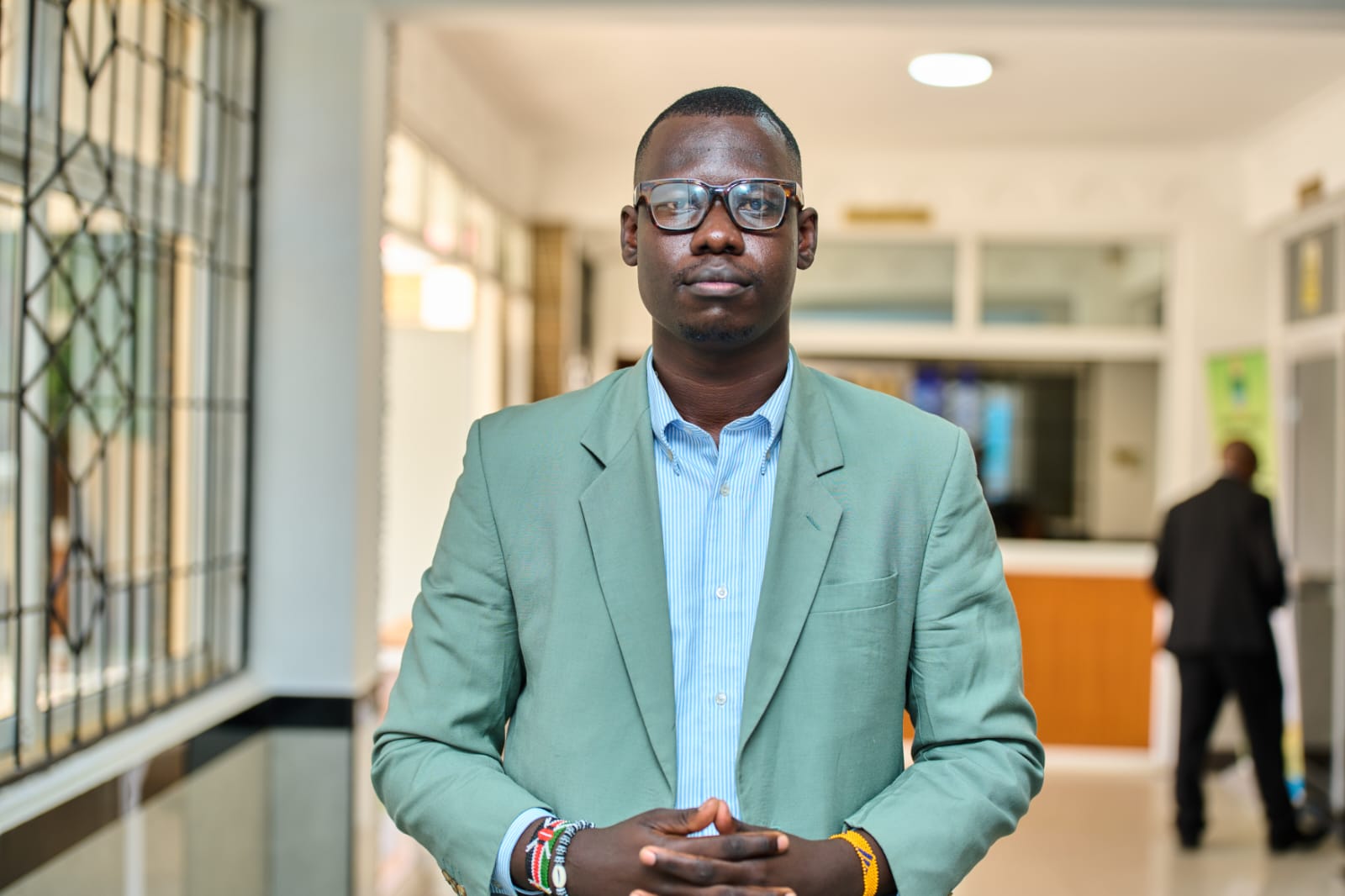
Speaking anonymously on the accountability chain and where the funds get stuck, a Mombasa-based budget champion, Erick Masai (not his real name), shares that the National Government needs to take accountability for this failure of the system.
“The money for free sanitary pads is a national government function, not a county function. It sits under the State Department for Gender and Affirmative Action, funded through the National Government Affirmative Action Fund [NGAAF] and disbursed via Woman Representatives.
For 2025/26, Treasury has proposed kSh940 million nationally, down from *kSh1.044 billion* after a kSh104 million cut — the same pot that was Sh470 million in previous years, which the Education Ministry itself admitted could only cover 4 months for 1.4 million girls. Mombasa County does not have a ring-fenced line for pads in its own budget; it only complements with small programs, so if the national chain fails, Mombasa schools feel it directly,” He shares.
Where does it get stuck? The accountability chain is Treasury → State Department for Gender → procurement → Woman Rep office → schools. The Auditor-General has already flagged that even when allocated, the Ministry budgeted 7 packets instead of the required 9 per girl, and in some years, like this financial year, Woman Representatives reported zero disbursement until June.
“There are three choke points: 1) late exchequer releases from Treasury, 2) centralized procurement delays at Gender Ministry/KEMSA, and 3) last-mile distribution failure at the Woman Rep level. That is not just a delay; it is a procurement and disbursement failure with the same pattern we saw when the program moved from Education to Gender in 2017 — money exists on paper, but the commodity never reaches the classroom,” He concludes.