|
Getting your Trinity Audio player ready...
|
By Shaban Makokha
Kakamega-The fire crackles gently. White smoke curls into the morning air as the scent of eucalyptus and other herbs drifts across the compound of the former Rehema Academy at Lukoye in Mumias, Kakamega County.
It is barely 8 am, but the place is already alive.
Men and women arrive quietly, some walking slowly, others supported by relatives. A few carry stories of pain. Others come carrying hopes of losing weight, easing back pain, improving their mobility, or simply finding a moment of peace away from the pressures of everyday life.
They have come to sweat. But for many of them, it is much more than sweating – it is hope, it is healing. And, increasingly, it is a ritual they say has transformed their lives.
At the Kings & Queens (K&Q) Sauna in Lukoye, what was once a classroom has been transformed into a herbal sauna centre where traditional herbal practices meet the modern appetite for wellness.
A wide path leads into the facility. The parking area is already filling up. Inside, soft voices from female attendants guide newcomers through the process.
Men and women are ushered separately to changing rooms before taking a hot shower and entering the sauna.
The first blast of heat is intense. The air is thick with steam and the fragrance of herbs.
For some, the first few minutes are uncomfortable. But as their bodies adjust to the heat, conversations begin. Strangers become friends. Laughter breaks the silence. Some sit quietly with their eyes closed.
Everyone appears to have a personal reason for being there.
For Peter Kariuki, the lead director of K&Q Sauna, the fire is the beginning of a carefully designed wellness ritual.
“Once the sauna is warm, I follow a mindful ritual designed to provide heat, breath and presence. This is what the body requires to relax and reset from the inside out,” he says.
The sauna is wood-heated, with herbal leaves boiled and poured over wet stones to generate steam.
Kariuki describes the sensation as one of surrender. “The spirit of the sauna feels like one is melting into the deep heat,” he says.
Clients sit or lie on tiered wooden couches as heat envelops their bodies.
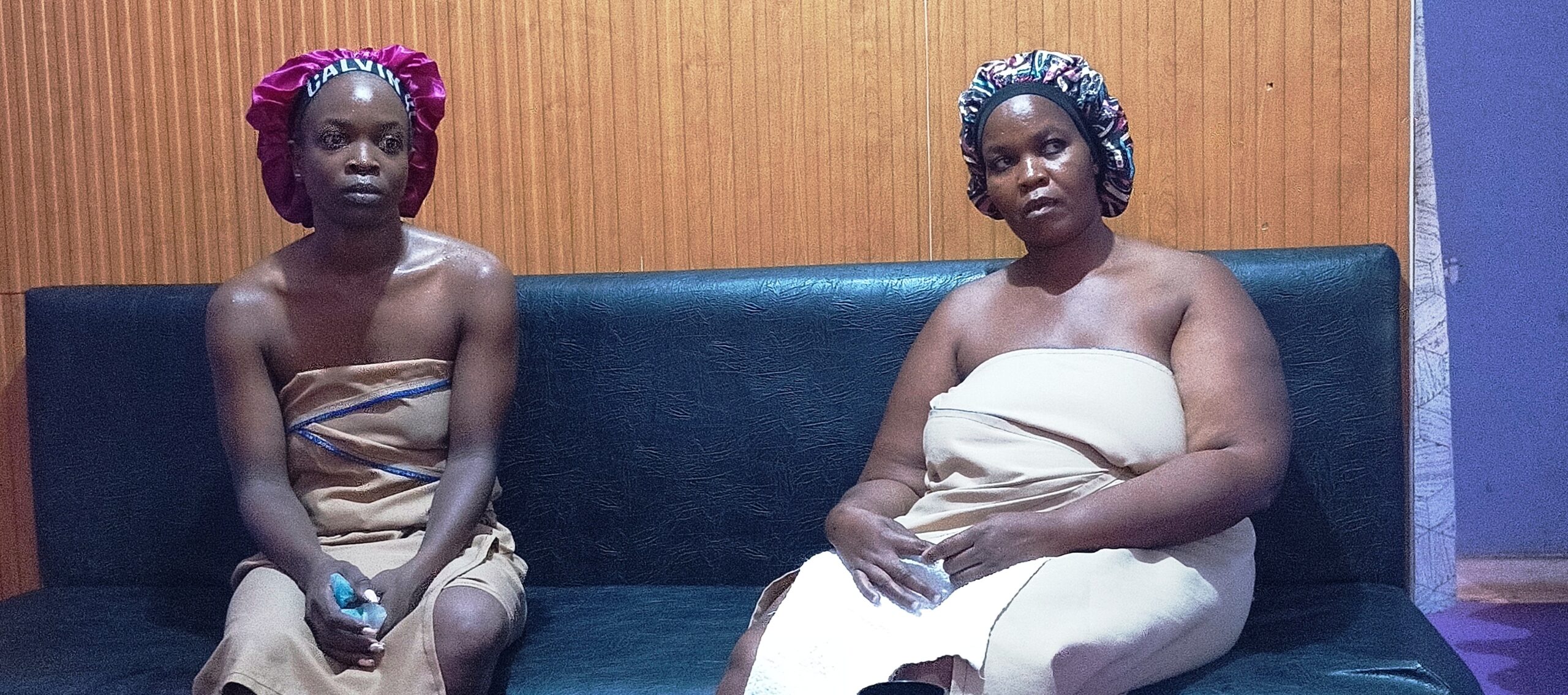
After at least 15 minutes inside the herbal-filled steam, they move to another room where the temperature is slightly lower.
They later take another hot shower. Hot drinking water is also provided during breaks. For the regulars, the routine has become almost sacred.
For 53-year-old Dorothy Awuor, the sauna is no longer simply a place to relax. It represents a chapter in a painful journey that began when a stroke changed her life.
In August 2025, Awuor suffered a stroke that paralysed the right side of her body. Suddenly, movements that had once seemed effortless became impossible. She was moved around in a wheelchair.
“I got moved in a wheelchair,” she recalls. Her first stop was the hospital. She sought treatment and hoped that her condition would improve.
But weeks passed. Then months passed, and her recovery was not happening as she had hoped.
A friend eventually introduced her to K&Q Sauna.
In March 2026, seven months after the stroke, she began attending sauna sessions.
She says the changes came gradually. “I started getting my muscles back in the first week of the session. Today, I can walk on my own. My hand is able to hold items and move,” she says.
Her voice carries the emotion of someone who has rediscovered a piece of herself.
For Awuor, every step she takes today is a reminder of how far she has travelled.
She says she had previously struggled to walk even 10 metres. Now, she says, she can walk for about half a kilometre.
She also says her blood pressure and lower back pain have improved.
“I could barely walk for ten metres. I was later introduced to the herbal sauna, and since March, I have managed to normalize my blood pressure and lower back pain. I can now walk for at least half a kilometre,” she says.
Her story is one of several drawing people to the facility.
But it is also a story that comes with an important caution: recovery from serious illnesses such as stroke requires proper medical assessment and rehabilitation, and sauna should not be considered a replacement for prescribed treatment.
For Zulfa Shifaa, a nurse by profession, the journey has been measured on a weighing scale.
When she started attending the sauna, she weighed 68 kilograms. Three months later, she said she had dropped to 56.5 kilograms.
“I have been attending this sauna for seven consecutive months, and I can testify that it is working miracles,” she says. “I started with a weight of 68kg that was disturbing me. Today, I am at 56.5kg and feeling very relaxed.”
Her testimony captures one of the reasons sauna culture is gaining popularity: people are increasingly looking for ways to combine relaxation, physical activity, diet and traditional wellness practices. This comes as Kenya faces a growing burden of lifestyle-related illnesses. According to the Ministry of Health, non-communicable diseases (NCDs) such as diabetes, heart disease, and cancer now account for 39 per cent of all deaths in the country.
Furthermore, over 50 per cent of hospital admissions and 55 per cent of hospital deaths are attributed to these diseases, highlighting a significant public health crisis. Lifestyle diseases are also a major concern in Western Kenya. A recent population-based study in rural Siaya County, neighboring Kakamega, found that a total of 18.1 per cent of adults had hypertension and 11.0 per cent had diabetes, with a significant portion of these cases being previously undiagnosed.
Health experts, however, caution that sweating itself does not equal fat loss. Much of the immediate reduction in body weight after sauna comes from loss of water, which is restored when one rehydrates. Sauna use should complement, not replace, a healthy diet and exercise.
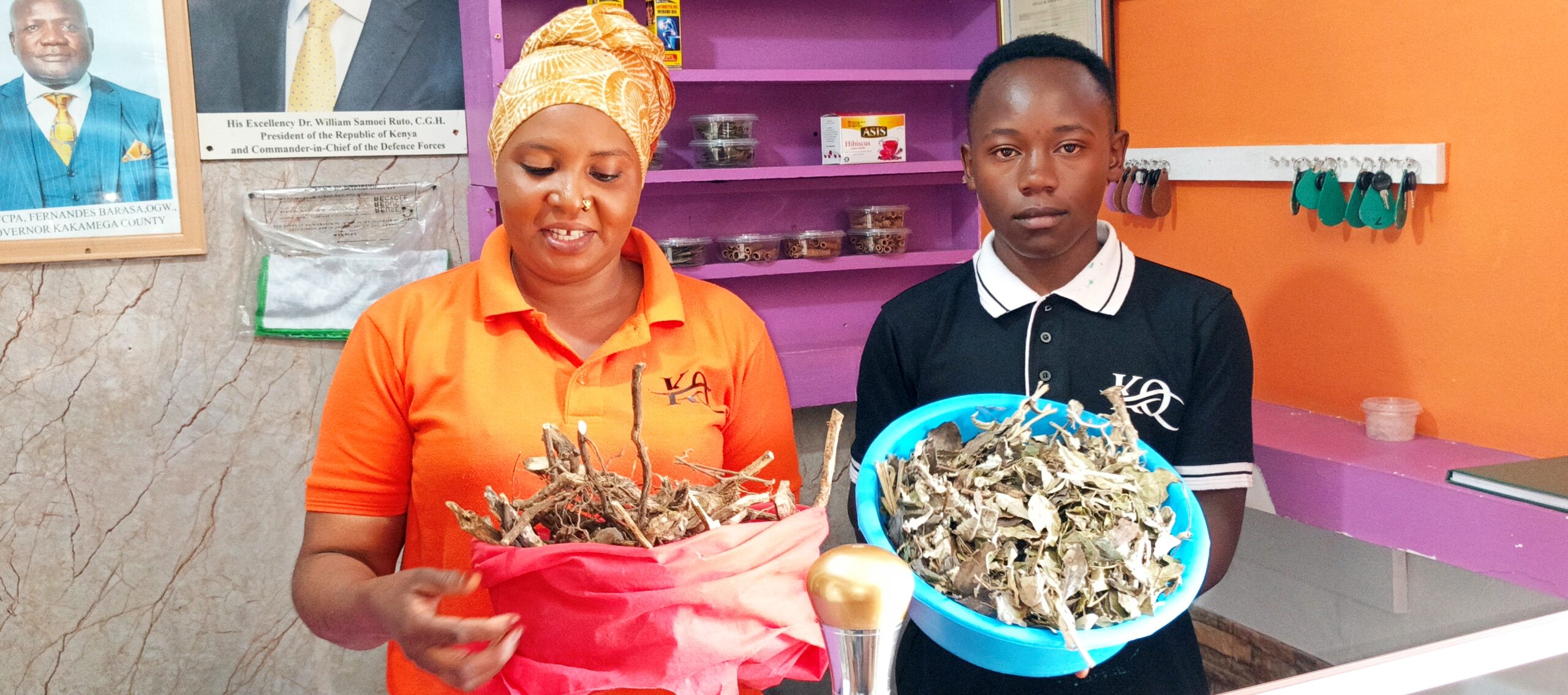
At K&Q, herbal therapy forms the centre of the experience.
According to Hawa Kassim, the facility’s manager, a combination of 17 herbs is boiled and released into the steam room as vapour.
She says the facility attracts professionals, medical workers, senior county officials and other prominent residents from Western Kenya and beyond.
“Professionals come to the herbal sauna because it has been certified by government agencies,” says Ms Kassim.
She claims clients have reported improvement in conditions including diabetes, high blood pressure, asthma, back pain and other ailments.
The use of medicinal plants is deeply rooted in Kakamega County’s history. An ethnobotanical study documented that local communities use 65 plant species from 32 families for therapeutic intervention, frequently utilizing leaves and stem barks from the region’s rich flora. Some of these plants have shown potential in scientific studies.
For instance, extracts from Rhus vulgaris and Phyllanthus fischeri, plants traditionally used in the area, have demonstrated notable antioxidant and anti-inflammatory activity in laboratory settings. Furthermore, research has confirmed the cytotoxic activity of several Kakamega medicinal plants against drug-sensitive and multidrug-resistant cancer cells, substantiating their traditional use in cancer management.
This integration of traditional knowledge with modern wellness practices aligns with a global trend. The World Health Organization (WHO) has adopted the WHO Global Traditional Medicine Strategy 2025–2034, which aims to strengthen the evidence base, ensure quality and safety, and enable the integration of traditional medicine into health systems.
To support this, the WHO recently launched the Traditional Medicine Global Library, an open-access platform with over 1.8 million documents to provide reliable information on traditional, complementary, and integrative medicine. The WHO also emphasizes that these practices must be safe, high-quality, and evidence-based. However, the WHO also stresses that sauna should not be presented as a proven cure for serious diseases like diabetes, malaria, typhoid, stroke, or pneumonia.
The facility’s proprietors travel to counties including Nakuru, Baringo and Elgeyo Marakwet in search of herbal products.
Some of the herbs used include eucalyptus and lavender, among others. The herbs are heated, releasing their aromas into the steam-filled rooms.
For visitors, the experience can be deeply relaxing. For others, it has become part of a broader lifestyle change.
The growing popularity of sauna comes at a time when lifestyle-related illnesses are increasingly becoming a major public health concern.
High blood pressure, obesity, diabetes and cardiovascular disease affect millions of people, while stress, poor sleep and sedentary lifestyles are becoming common features of modern life.
Scientific research has shown that sauna bathing can temporarily raise heart rate, increase blood flow to the skin and induce sweating. The physiological effects are significant; regular sauna use can mimic moderate-to-high-intensity exercise, raising heart rates to 120–150 bpm and widening blood vessels. This triggers beneficial cardiovascular responses, including the upregulation of heat shock proteins (HSPs), which play a crucial role in cellular protection and reducing oxidative stress.
Dr Donald Musi of Yatta Clinics says sauna bathing is increasingly being studied as more than a relaxation practice.
“By exposing the body to high temperatures of between 70–100°C, it mimics moderate-to-high-intensity exercise—raising heart rates to 120–150 bpm, widening blood vessels, and triggering beneficial cardiovascular and neurological responses,” he says.
He adds that regular sauna use has been associated in research with cardiovascular benefits. A narrative review of studies noted that frequent sauna users (4-7 times per week) may see a significant reduction in the risk of sudden cardiac death and stroke. A randomized controlled trial also demonstrated that combining post-exercise sauna therapy with standard exercise training led to superior improvements in cardiorespiratory fitness, systolic blood pressure, and total cholesterol levels compared to exercise alone.
But the doctor also stresses caution: “Sauna sessions should not be treated as a substitute for exercise, medical treatment or healthy nutrition.”
He recommends limiting sessions to about 10 to 20 minutes and ensuring adequate hydration.
For people with cardiovascular conditions, uncontrolled blood pressure, pregnancy, certain neurological conditions or other medical concerns, professional medical advice is particularly important before using very hot sauna environments.
At K&Q, Kassim says clients with high blood pressure and diabetes are monitored closely because heat can place additional demands on the cardiovascular system.
“We check on them every five minutes. So far, we have had good responses from those battling health conditions. We also give them health education so that they continue taking their medication, improve their diet, and help them change their lifestyles,” she says.
That message is crucial – the sauna, she says, is not meant to replace prescribed medication.
Instead, clients are encouraged to combine the sessions with healthier lifestyles. The Kenyan Ministry of Health has highlighted the need for dietary change, noting that unhealthy diets—characterized by foods high in fat, salt, and sugar—are a major modifiable risk factor for NCDs. Data show that 94 per cent of the population does not meet the recommended intake of fruits and vegetables, and 70 per cent regularly consume sweetened beverages. A 2025 market assessment found that only 10 per cent of packaged food products in Kenya pass the healthy threshold.
It is a philosophy that reflects the growing shift towards wellness rather than simply treating disease after it strikes.
Inside the steam room, the distinction between professions, social status and backgrounds appears to disappear.
A doctor can sit beside a farmer, a nurse can share a conversation with a businessperson, a county official can find themselves exchanging stories with someone they have never met before.
They are united by heat. They sweat together; they talk about their bodies, their families, their struggles and their hopes.
For some, it is the only time in the day when they are forced to slow down.
The noise of phones and offices gives way to the sound of breathing. The heat becomes a form of silence. And in that silence, many say, they find themselves.
One male client, who requested anonymity, says he turned to herbal sauna after suffering recurrent episodes of pneumonia.
“I would seek medication to treat pneumonia every month. I have not felt any difficulty in breathing or chest pains in recent months,” he says.
His testimony reflects the faith many clients place in the sauna. But it also underlines the need for caution.
Respiratory illnesses such as pneumonia can be serious and require appropriate diagnosis and treatment. Improvement in symptoms should never be taken as proof that an infection has been cured by heat therapy.
Still, for the clients who return every week, the sauna has become part of their personal wellness journeys.
For Emmanuel Kariuki Junior, a co-director at K&Q Sauna, beginners should resist the temptation to stay in the heat for too long.
“Try short sessions once a week at a comfortable temperature. You step out when it feels too much — your body knows best,” he advises.
His message is simple: sauna should never become a contest – “you don’t focus on the clock or temperature. Listen to your body.”
That philosophy may be one of the most important lessons emerging from the sauna culture.
Wellness is not about enduring the most heat. It is about understanding one’s body.
By afternoon, the fire at K&Q Sauna begins to lose some of its intensity.
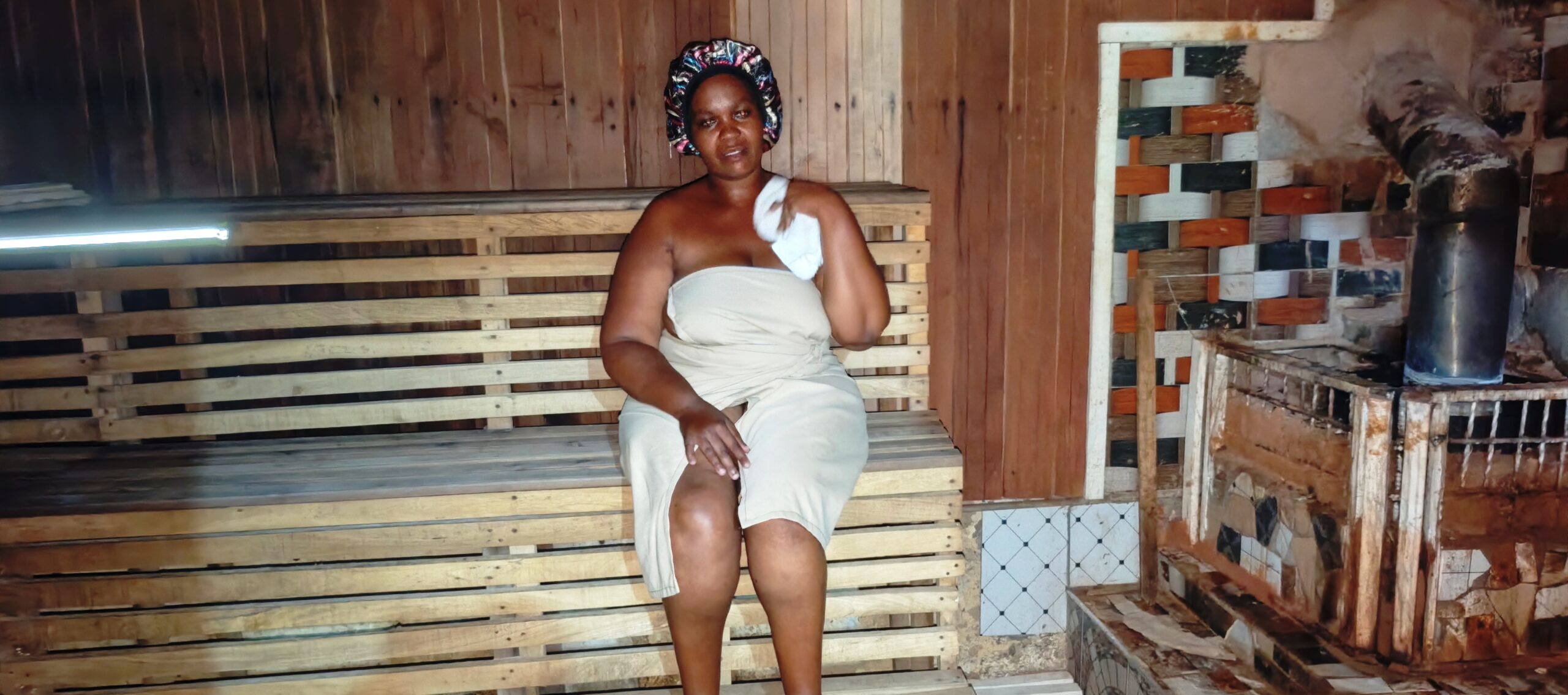
But the people keep coming. Some arrive carrying walking sticks. Others arrive with bags containing clothes for changing after the session; some come alone. Others come with friends.
They have different stories, different ailments and different expectations. But once they enter the steaming room, they share the same experience – heat, sweat, silence, conversation, hope.
For Awuor, the greatest reward is not the steam itself. It is a movement.
Every step she takes reminds her of the days when she depended on a wheelchair. For Shifaa, it is the confidence that came with changes in her weight and wellbeing.
For others, it is relief from stress, tired muscles or the simple desire to pause and breathe and for Kariuki, the fire represents something deeper.
“Heat, breath and presence,” he says.
Perhaps that is why the humble sauna in Lukoye is becoming more than a room filled with steam. It is becoming a place where people come to confront the fears they carry inside their bodies.
A place where the tired come to rest, where the anxious come to breathe, where the hopeful come to sweat, and where, for a few minutes, the outside world disappears behind a curtain of herbal steam.
The fire burns. The herbs release their fragrance. The steam rises, and in the thick, quiet heat of Lukoye, dozens of people continue searching for something every human being desires — a healthier body, a calmer mind, and another chance to feel whole again.