By Winnie Kamau
Nairobi, Kenya: Nairobi made history by hosting the 3rd Global Data Festival alongside the Kenya Space Expo, signaling that development data is now tied to space and satellite technology. Kenyan Deputy President Prof. Kithure Kindiki urged over 1,000 global delegates to view data as core infrastructure, similar to roads or schools. He emphasized the need for “development intelligence” rooted in local realities rather than external models.
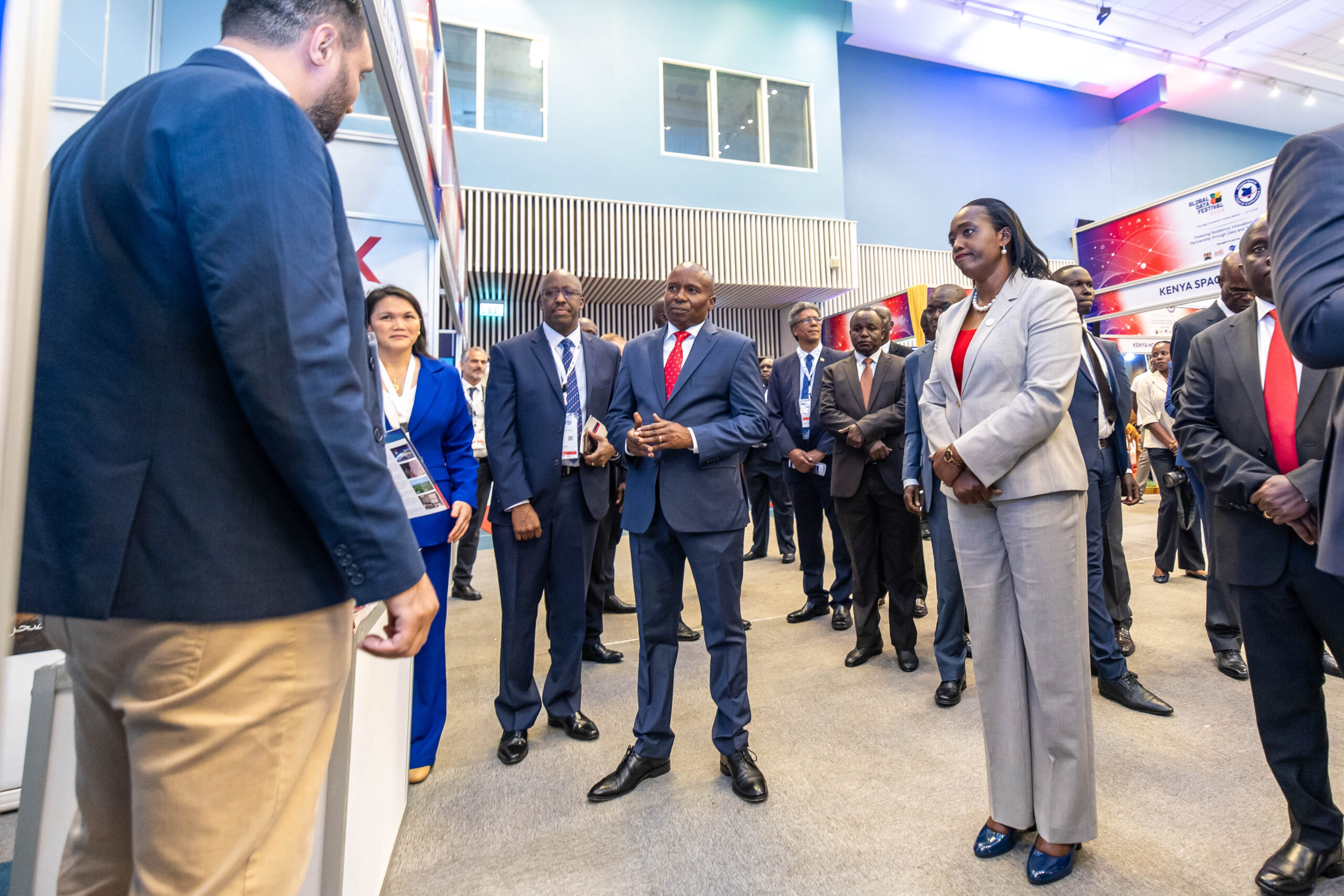
In a historic first, Nairobi hosted the 3rd Global Data Festival in tandem with the Kenya Space Expo and Conference, attracting prominent delegations from space and statistical agencies worldwide. This joint assembly served as a powerful declaration: the evolution of development data is now inextricably linked to space infrastructure, earth observation, and satellite-driven insights.
Addressing the 3rd Global Data Festival in Nairobi, Kenyan Deputy President Prof. Kithure Kindiki abandoned typical political rhetoric. Instead, his words reflected a profound urgency regarding the disconnect between global knowledge and practical application.
“We have to stop seeing data as merely something useful,” he told a room of more than 1,000 delegates drawn from 95 countries including statisticians, diplomats, space scientists, governors, and technologists gathered for one of the most significant data governance convenings Africa has hosted.
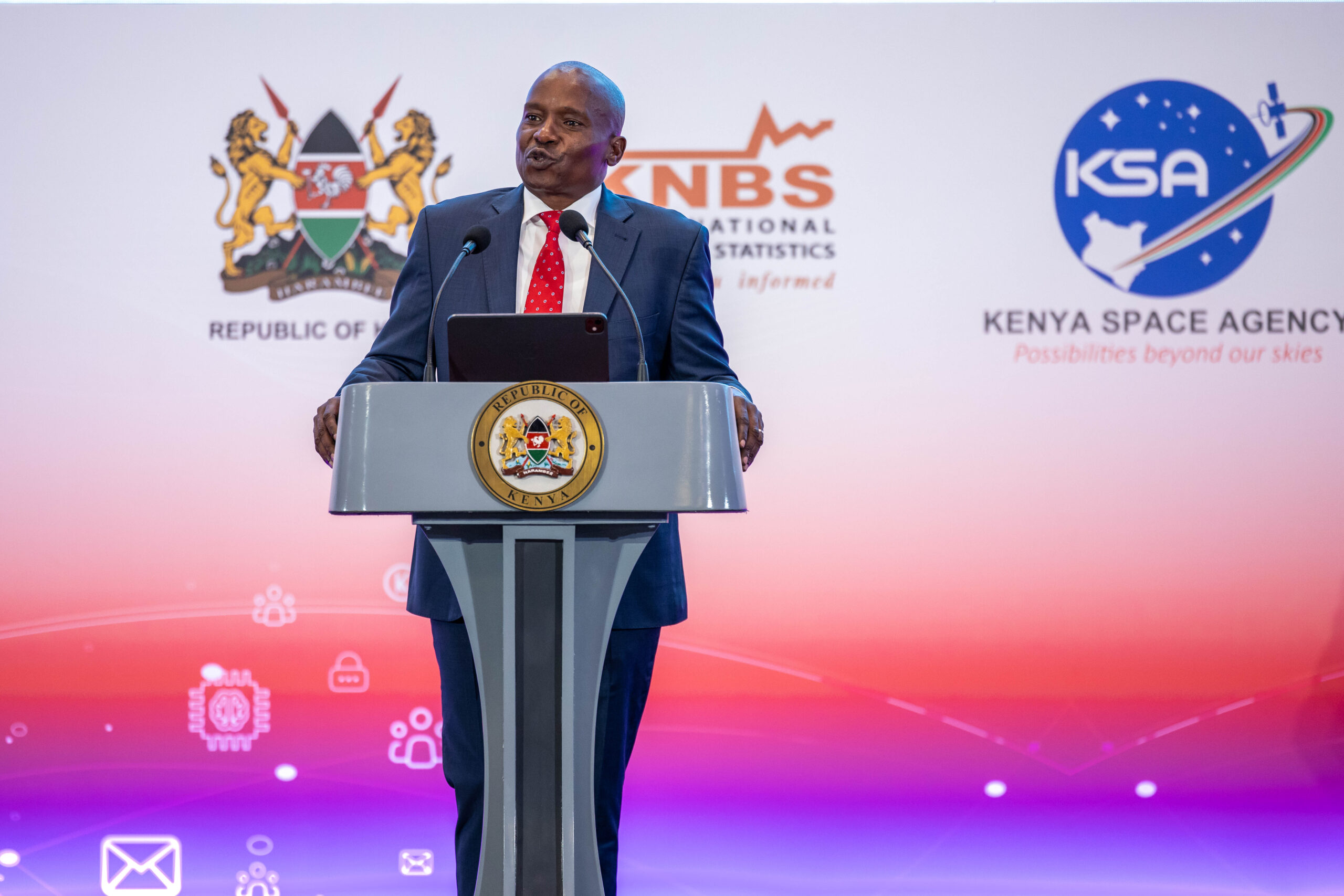
Prof. Kindiki also noted “For Kenya, data is an integral part of our socio-economic transformation agenda bound up with every aspect of the development agenda. I urge Africa and the world to invest in its own data capabilities to ensure each nation, each region and each part of the world develops intelligence that is rooted in its realities and priorities rather than merely consuming intelligence produced elsewhere from data that does not reflect its context”
Adding “We need to start treating data and national data systems as core development infrastructure like roads, and power, and hospitals, and schools.”
Prof. Kindiki further observed that intelligence must be grounded in local realities and priorities rather than merely adopting external models that ignore specific contexts. He noted that while global promises are abundant, actual delivery remains insufficient in both speed and scale.
Successful delivery, he argued, depends on evidence, financial backing, robust institutions, and the commitment to follow through on agreed missions to ensure technology truly enhances societal well-being.
A Foundation That Cannot Be Weak
Deputy President Kindiki’s central argument cut through the usual festival optimism with unusual sharpness. In an age when artificial intelligence is being heralded as the solution to every development challenge, he warned that AI is only as good as the data it is built on — and Africa’s data systems remain fragile.
“A weak data system, or one that leaves people out, will hand those same weaknesses and exclusions to everything that is constructed on that weak data,” he said. “The challenge is not building powerful technologies, but creating resilient and inclusive technologies.”
 He called for data to move from being a technical subject to a development, financing, and governance priority and challenged Kenya’s development partners directly. “We will ensure that external support strengthens national systems rather than bypassing them.” His closing principle was blunt: “Count what matters, finance what works, and act based on evidence.”
Sovereignty Beyond Territory
Dr. Korir Sing’oei, Permanent Secretary for Foreign Affairs and Diaspora, brought a dimension to the conversation that is rarely heard in data space geopolitics. For him, the question of who controls data is inseparable from the question of who holds power.
“A country that does not produce and govern its own data enters into every negotiation with the same disadvantage,” he said, “because others will define the economy for the locality and sometimes the future.”
Data sovereignty, he argued, is as real and as consequential as territorial sovereignty. And diplomacy, often seen as remote from the world of statistics, is precisely where the rules of data sharing, interoperability, and sovereignty are being written.
Kenya’s Digital Spine And Its Gaps
Eng. John Tanui Kipchumba, Permanent Secretary for ICT, grounded the conversation in Kenya’s real-world progress and the distance still to travel. Kenya has laid substantial fibre infrastructure across the country, with ambitious targets to expand connectivity to the most remote regions Turkana, Kwale, Matuvi under a national broadband strategy running to 2032. But more fiber is not enough.
“The challenge before us is not simply generating more data,” he said, “but creating a trusted mechanism that can enable data to flow safely, ethically, and effectively across sectors and even continents.”
 Kenya’s Data Protection Act of 2019 and a new data governance policy currently under development are part of the answer and Eng. Tanui invited delegates to contribute to shaping it. “Data sharing is no longer just a technical consideration. It is a developmental imperative.”
During the festival, Soipan Tuya, the Cabinet Secretary for the Ministry of Defence, highlighted the youth as a vital resource for reverse mentorship. She noted that their deep expertise allows for a shift from traditional models, offering elders a chance to learn from the younger generation.
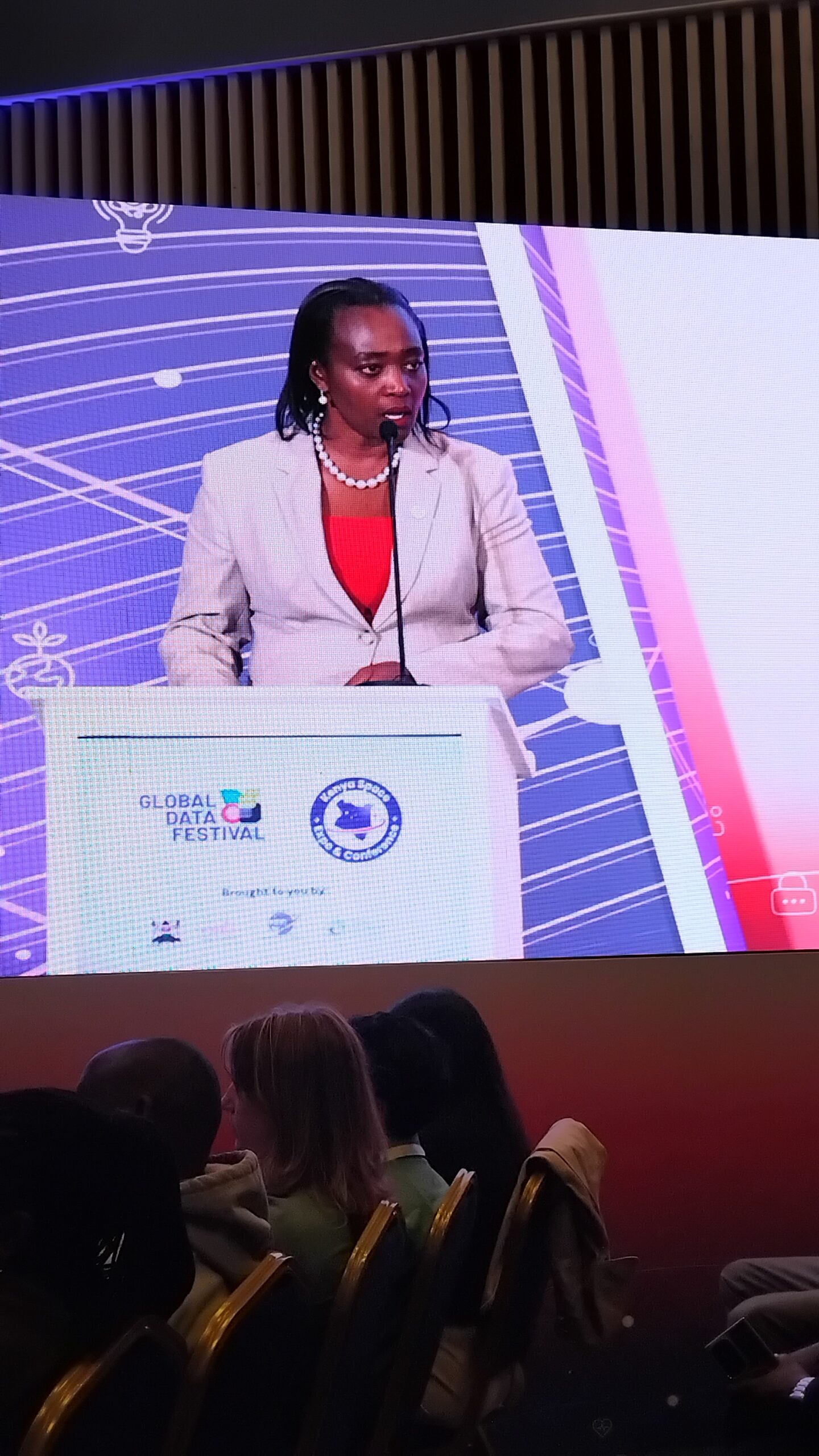
Tuya expressed gratitude for the chance to display the Kenyan government’s firm dedication to increasing data investment. She emphasized the objective of ensuring data is treated as a critical necessity, receiving the same priority as other fundamental infrastructure on both a national and international scale.
“I’m really grateful that we are here to really demonstrate how serious and committed the government of Kenya is in ensuring that investment in data is brought to the same level if not a high level like we invest in any other infrastructure in our country and in the globe because that is what we have to do” said CS Soipan.
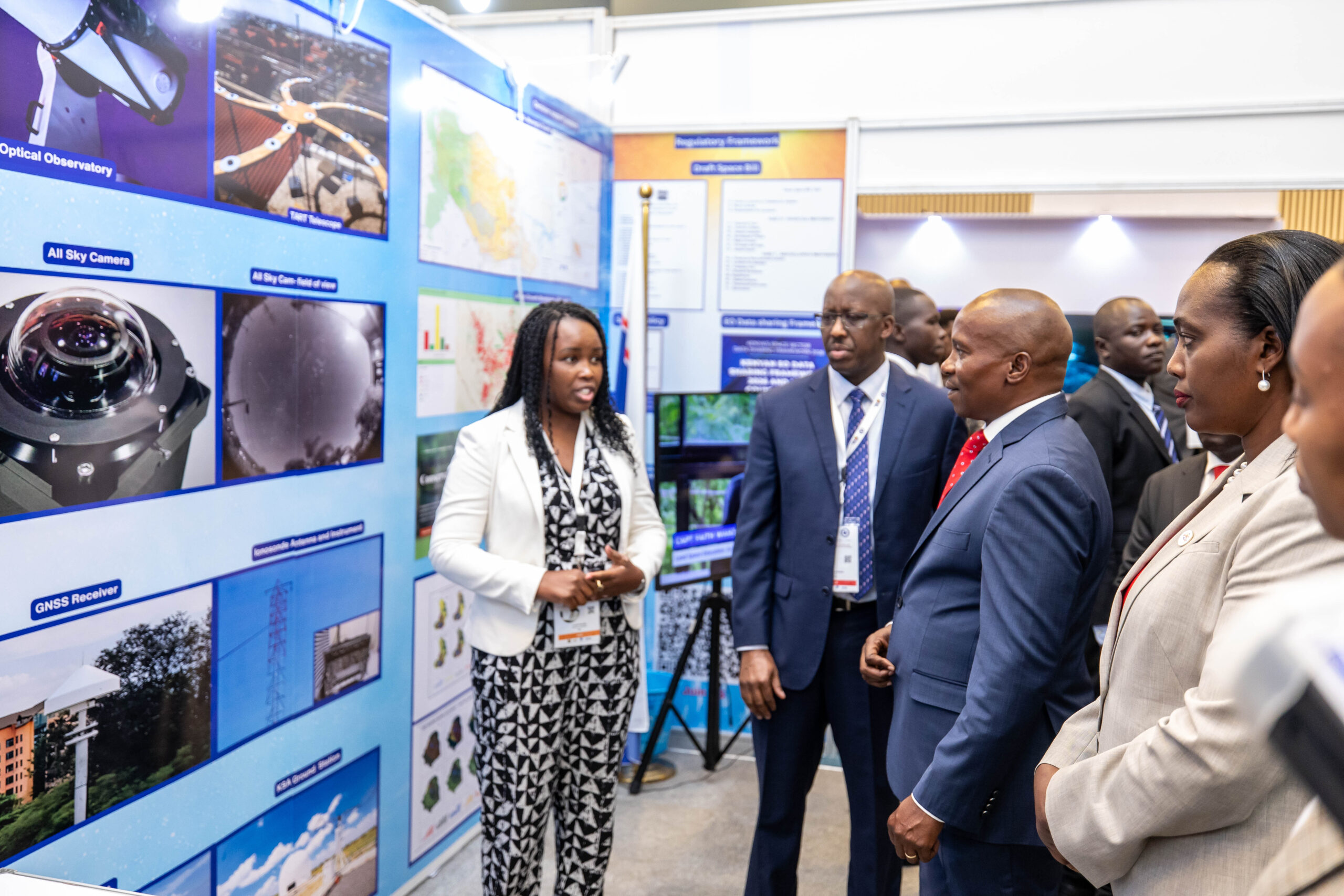
Brigadier Hillary Kipkosgey from the Kenya Space Agency emphasized that the space ecosystem primarily involves leveraging data from sensors and instrumentation positioned in space to monitor various Earth phenomena. As a developing space-faring nation, Kenya is focused on converting satellite data into actionable insights to improve livelihoods. This includes enhancing food security, managing disaster risks, and better overseeing the country’s environment, natural resources, and ecosystems.
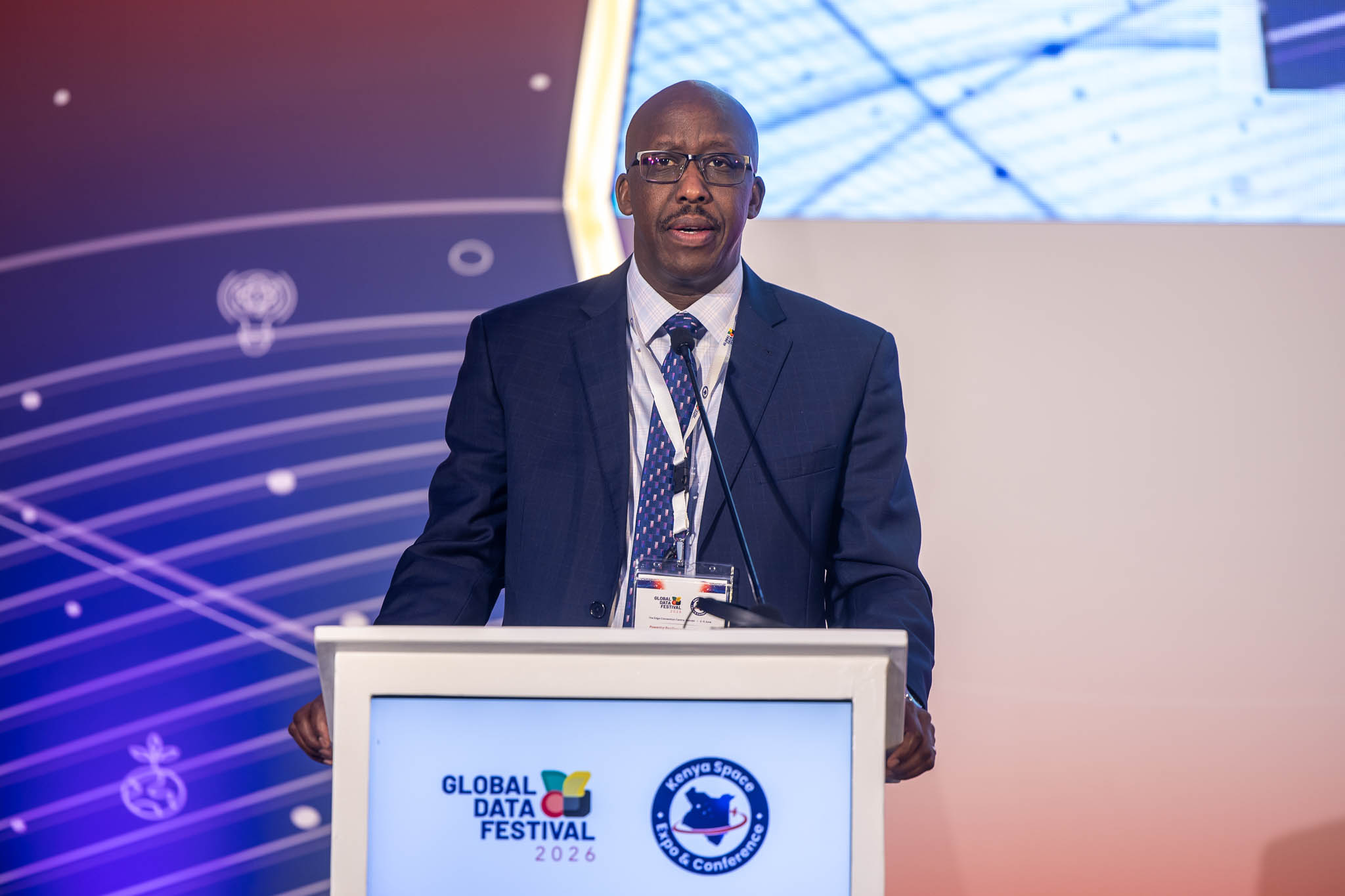
Noting “We seek to enhance utilization of space technologies in the public sector and also to develop our national space capability to support socio-economic development. And through investment in the establishment of a ground receiver station and a center for earth observation in collaboration with the Italian Space Agency” said Brig. Hillary.
Adding “We seek to make available Earth observation data for decision support across a broad range of applications to facilitate research by our academia and other institutions and also to support innovation in the space ecosystem. But to what ends? It is ultimately about our ordinary people in Kenya and the region and the futures we want to build together” he said.
When a Governor Used Data to Outmanoeuvre Politics
The most vivid demonstration of what data can actually do came not from the ministry or an international body, but from the county government of Kenya.
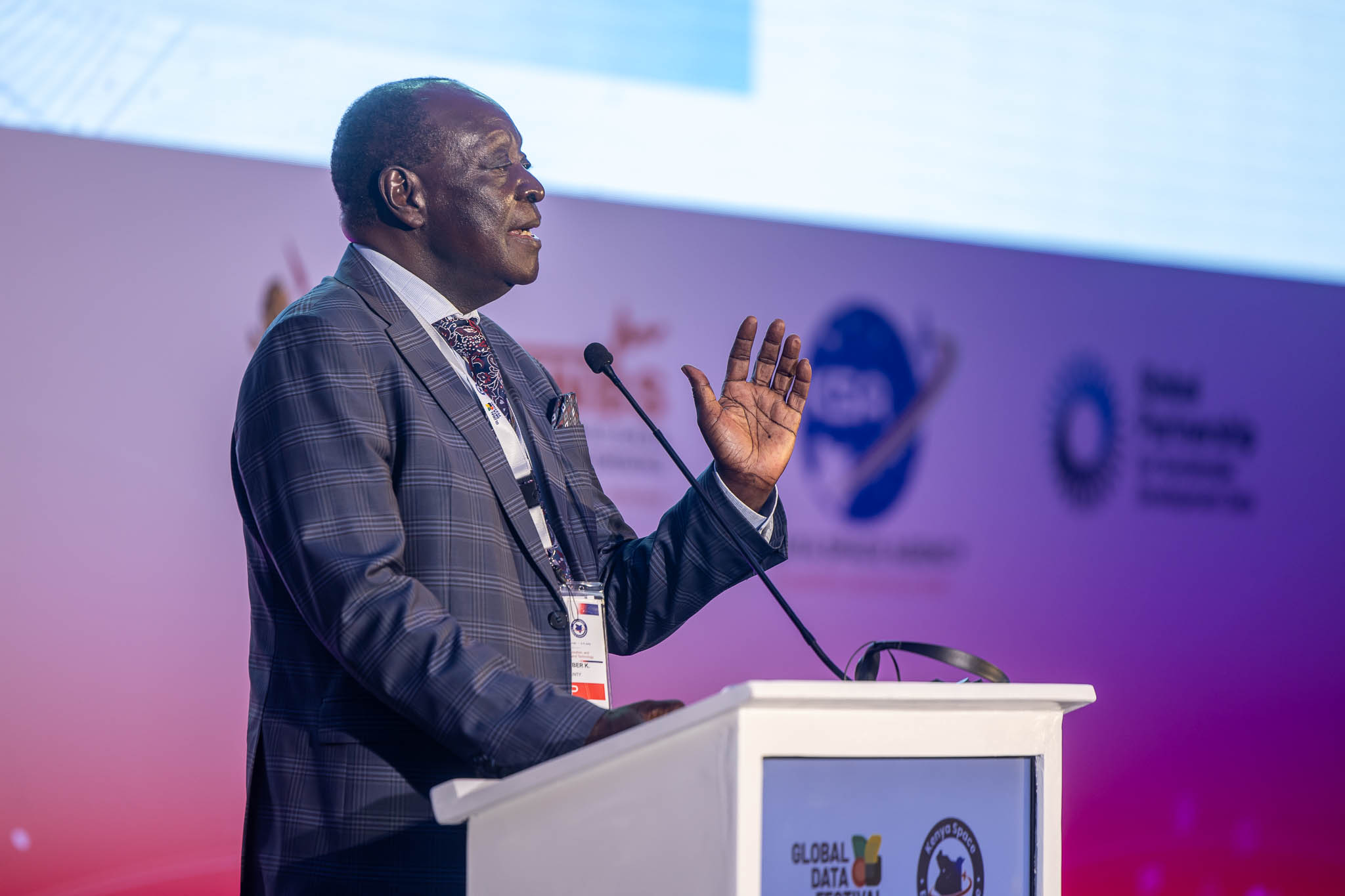
Dr. Wilbur Otichillo, Governor of Vihiga County, described what happened when he took office in 2017 and found health facilities distributed based largely on political promise. Using GIS buffering analysis, his administration set a clear standard no resident should walk more than 2 kilometres to a health facility. Gaps were mapped. New facilities were placed where evidence demanded, not where politicians preferred.
“With this, we were able to convince,” he said, perhaps the festival’s most quietly powerful line. The same approach has since been applied to malaria drug distribution, forest restoration monitoring using satellite imagery, and urban planning. All 47 of Kenya’s counties, he confirmed, have now fully established GIS database systems.
“GIS and earth observation is transforming governance in Vihiga and in all our 47 counties ensuring transparency, efficiency, and equity in service delivery” said the Governor.
The Global Reckoning
In her virtual address, United Nations Deputy Secretary-General Amb. Dr. Amina Jane Mohammed also a Board member at GPSDD highlighted the growing instability accompanying current global challenges.
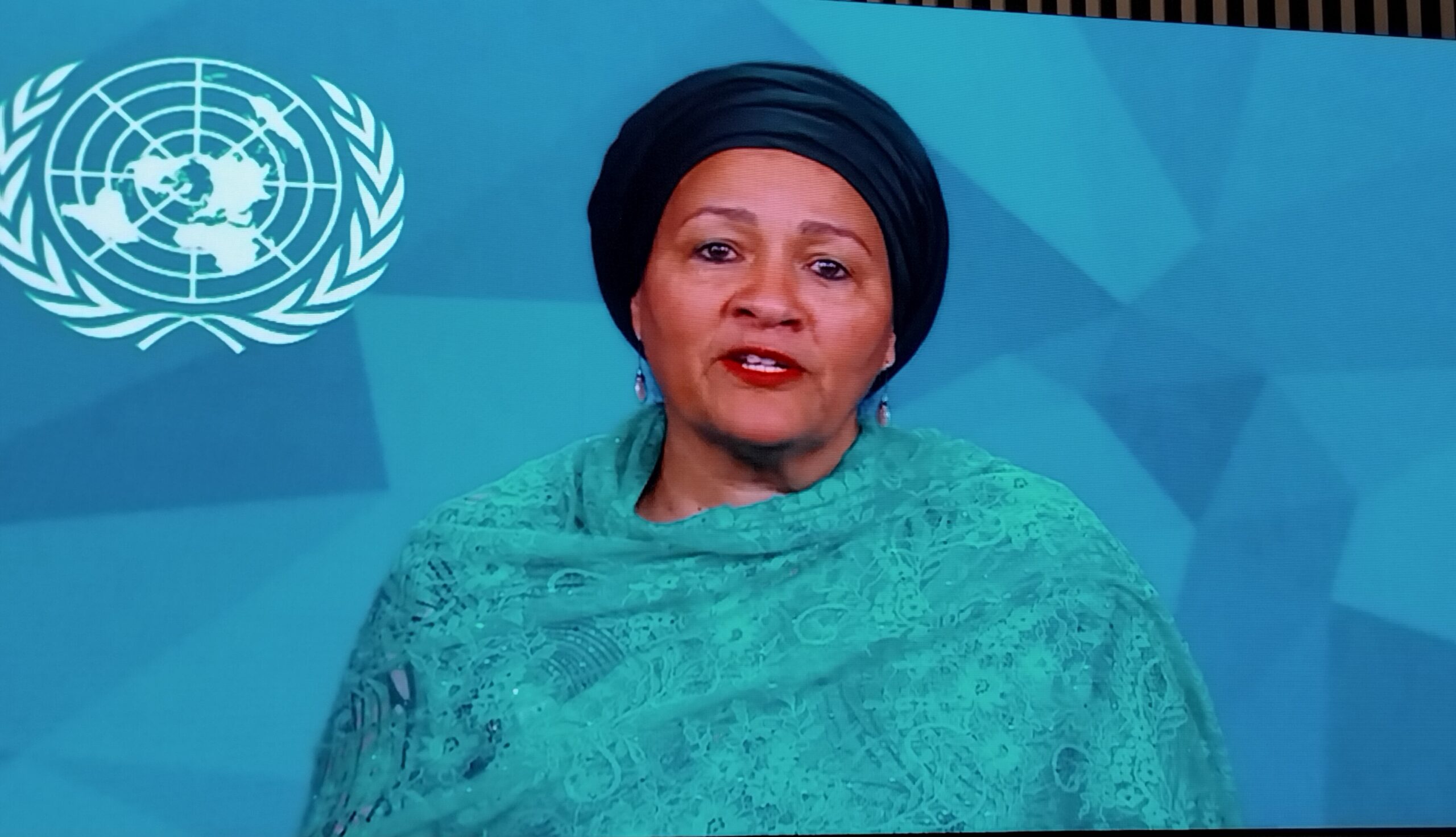
She outlined a three-pillared approach to data policy: prioritizing cross-sector and international cooperation, ensuring equity and inclusion remain fundamental, and bridging data gaps that risk leaving marginalized groups, such as the youth.
“The digital divide is deepening across computing power, data access, language representation, and institutional capacity. Every gap in data risks leaving somebody behind. We must bridge those gaps” she sounded the urgency.
Her remarks pointed forward to the sixth United Nations World Data Forum in Riyadh meaning that what Nairobi built this week will be carried into the most consequential global data governance conversation of 2026.
Kenya’s AI and Tech Envoy, Ambassador Philip Thigo, posed the harder questions: “How do we ensure that data facts not alternative facts remain true to what drives our development trajectory? How do we protect information integrity, openness, and innovation?”
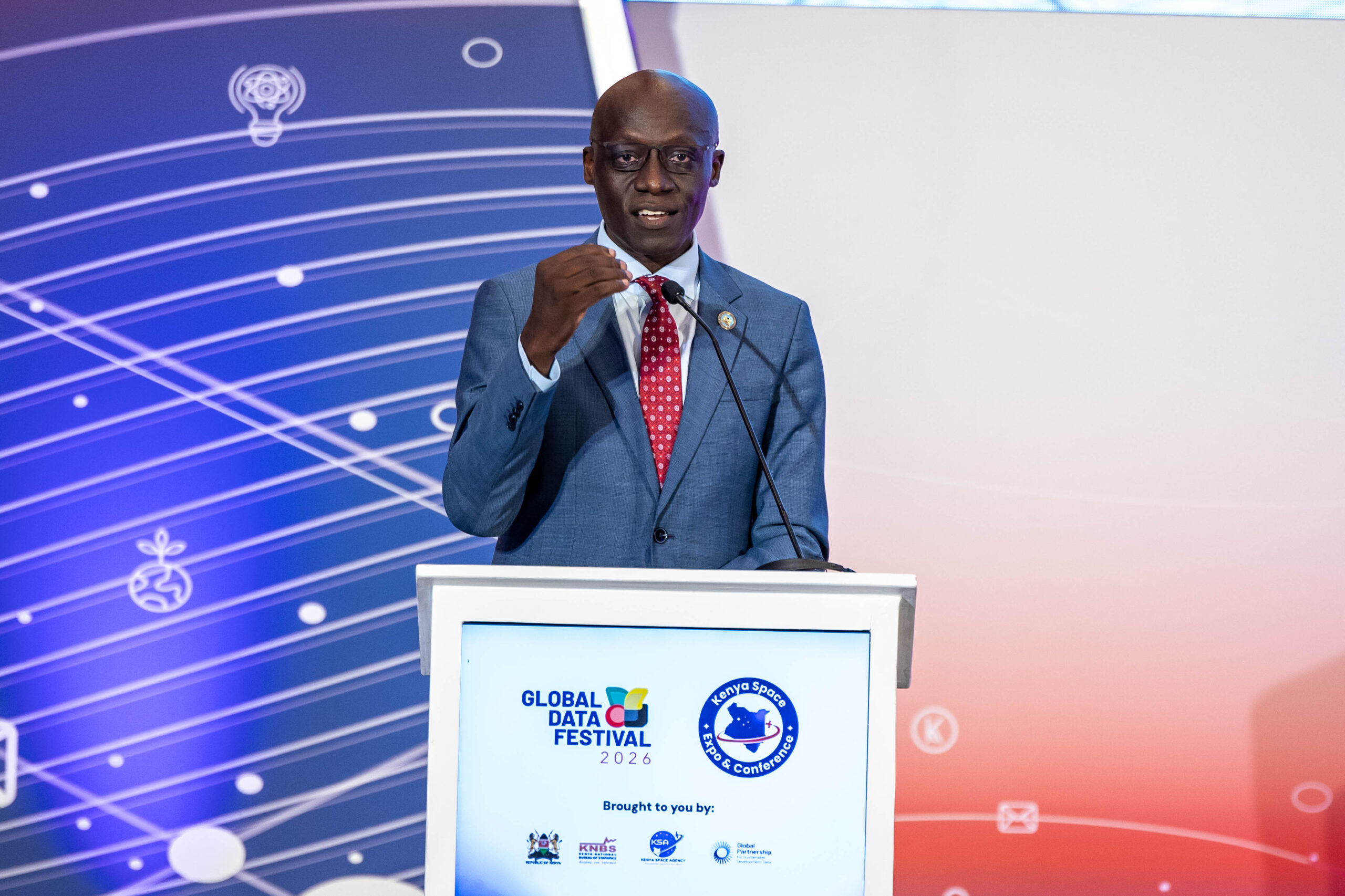
Dr. Macdonald Abudho, Director General of the Kenya National Bureau of Statistics, offered the festival’s most enduring metaphor. “Statistics is a mirror of society,” he said. “A good mirror does not flatter. It shows who we are, what we have achieved, and most importantly, whom we are leaving behind.”
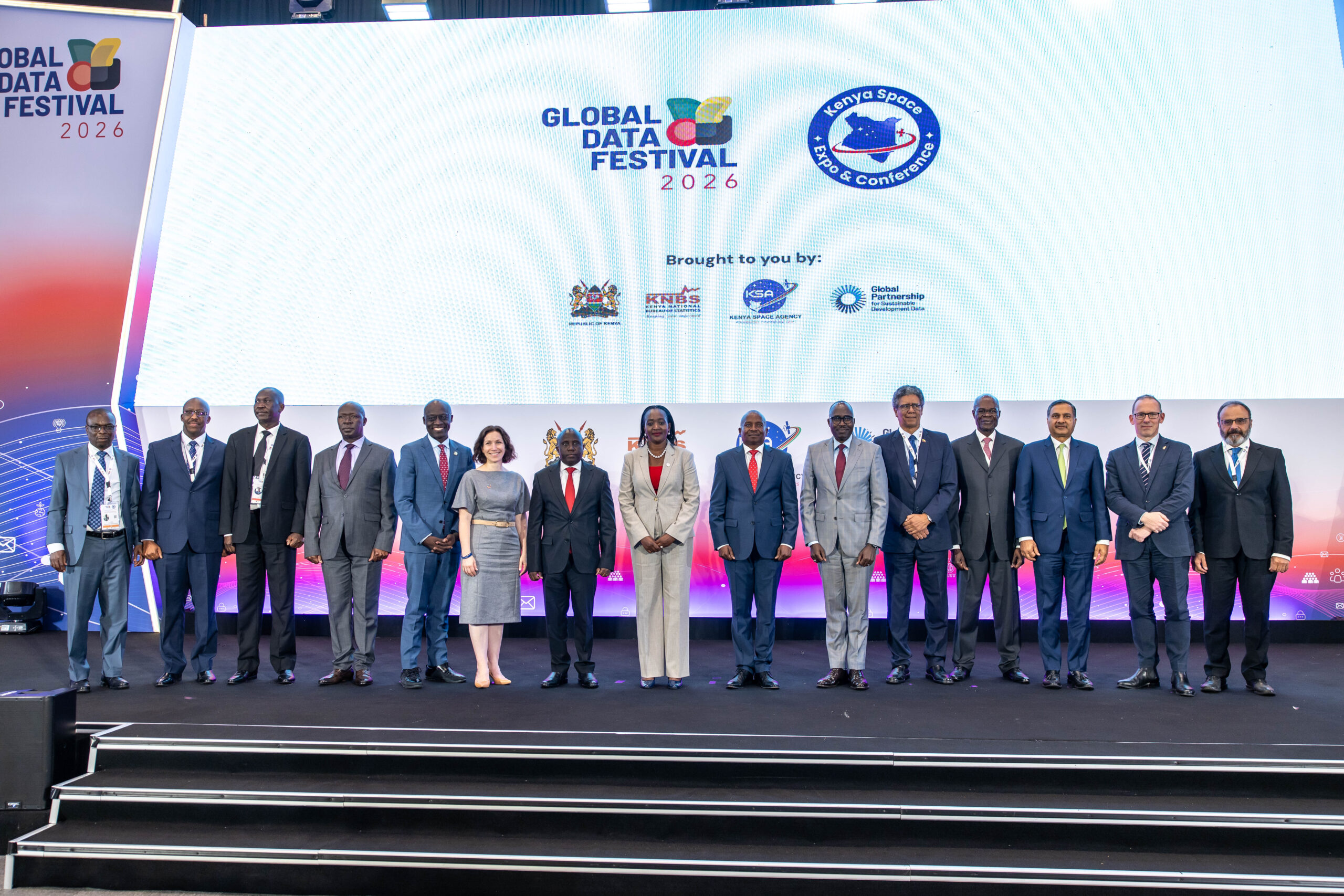 Jenna Slotin, CEO of the Global Partnership for Sustainable Development Data, acknowledged the weight of the moment shrinking global budgets, rising geopolitical uncertainty, climate shocks and made the case for gathering anyway.
“Every data point represents a person,” she said. “Every pixel represents a place, a community, a life. Not only should we do this but we must.”
Co-hosted with the Kenya Space Expo and Conference, the 3rd Global Data Festival in Nairobi, Kenya, acts as a lead-up to the 6th United Nations World Data Forum scheduled for Riyadh later in November this year.