
|
Getting your Trinity Audio player ready...
|
By Omboki Monayo
Nairobi, Kenya: Every single morning before the first rays of dawn pierce the Nairobi skyline, millions of women across the capital begin an unrecorded shift. They cook, clean, tend to the sick, look after the elderly, and prepare children for school.
This tireless labour keeps the city functioning, yet it has historically been ignored by economic planners, omitted from municipal budgets, and treated as a private obligation rather than a public priority.
A groundbreaking study, The Nairobi State of Care Report 2026, aims to shine the spotlight on this invisible economy. Jointly prepared by the Nairobi City County Government (NCCG) and Wow Mom Kenya, with funding support from Metropolis, the baseline assessment conducted under the project “Mainstreaming Care: Strengthening Nairobi City County Government’s Capacity to Enhance Care Services through Increased Budgets and Policy Implementation”.
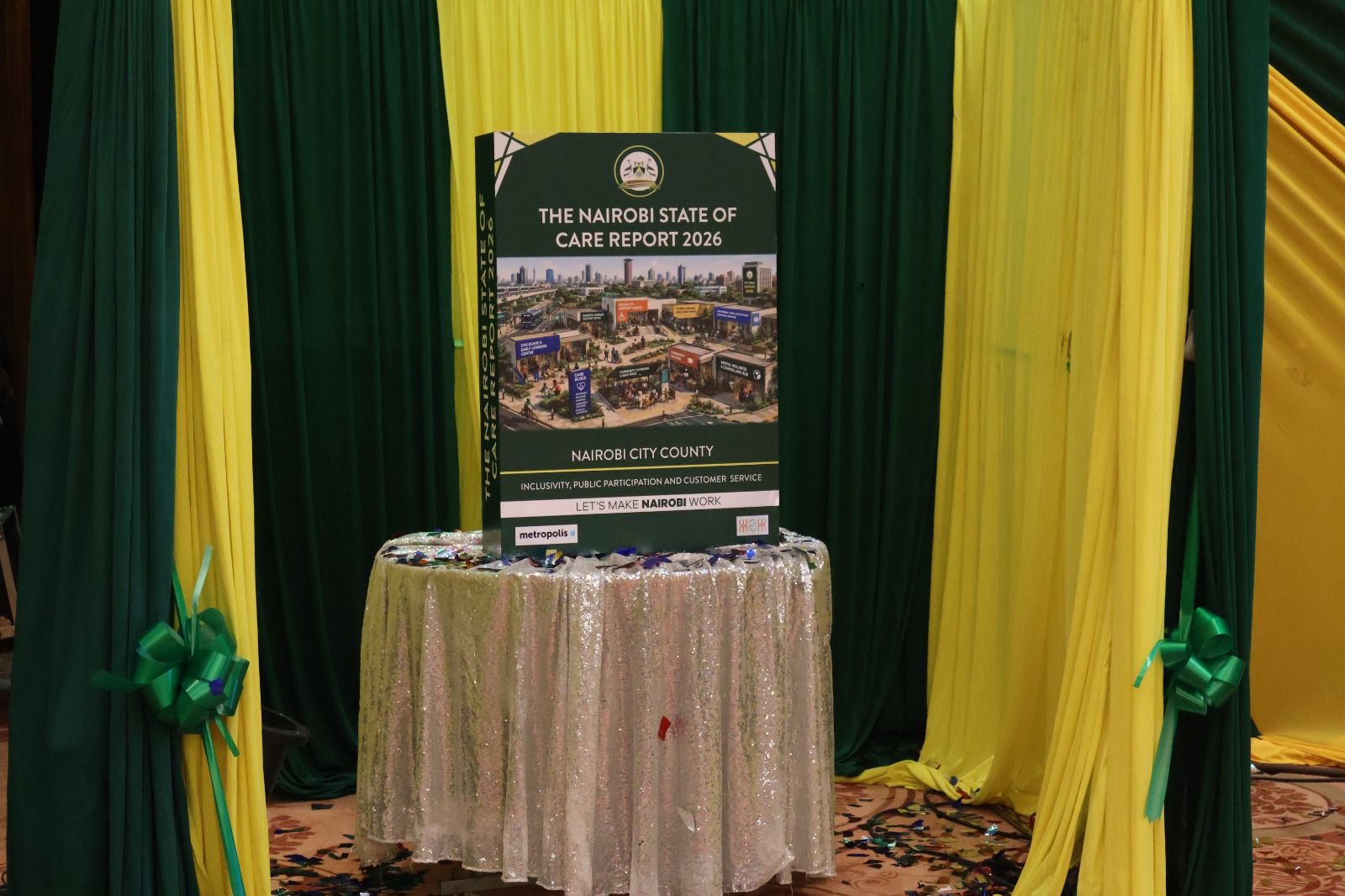
More than 60% of county officials and stakeholders interviewed during the assessment describe care service coverage as inadequate or very inadequate. It represents Kenya’s first comprehensive municipal diagnosis of care gaps, policies, and systemic opportunities. It presents an urgent, evidence-based argument: care is not merely a domestic chore; it is essential public and economic infrastructure.
The Staggering “Time Tax” on Nairobi’s Women
The economic scale of unpaid care is monumental. At the national level, unpaid domestic and care work is valued at an astronomical Kes 2.54 trillion, representing approximately 23.1% of Kenya’s entire Gross Domestic Product (GDP).
Yet, because this work remains uncounted in formal economic accounts, the burden falls overwhelmingly on women. In Nairobi, the gendered care gap is starkly pronounced: women spend more than five times as much time on unpaid care tasks as men.
This disproportionate division of labour imposes a severe “time tax” on women, choking their opportunities for paid employment, formal education, and political leadership. Speaking on this historical injustice, Hon. Rosemary Kariuki, the Nairobi County Executive Committee Member for Inclusivity, Public Participation, and Customer Service, noted the deep-seated societal blind spots that have perpetuated this imbalance.
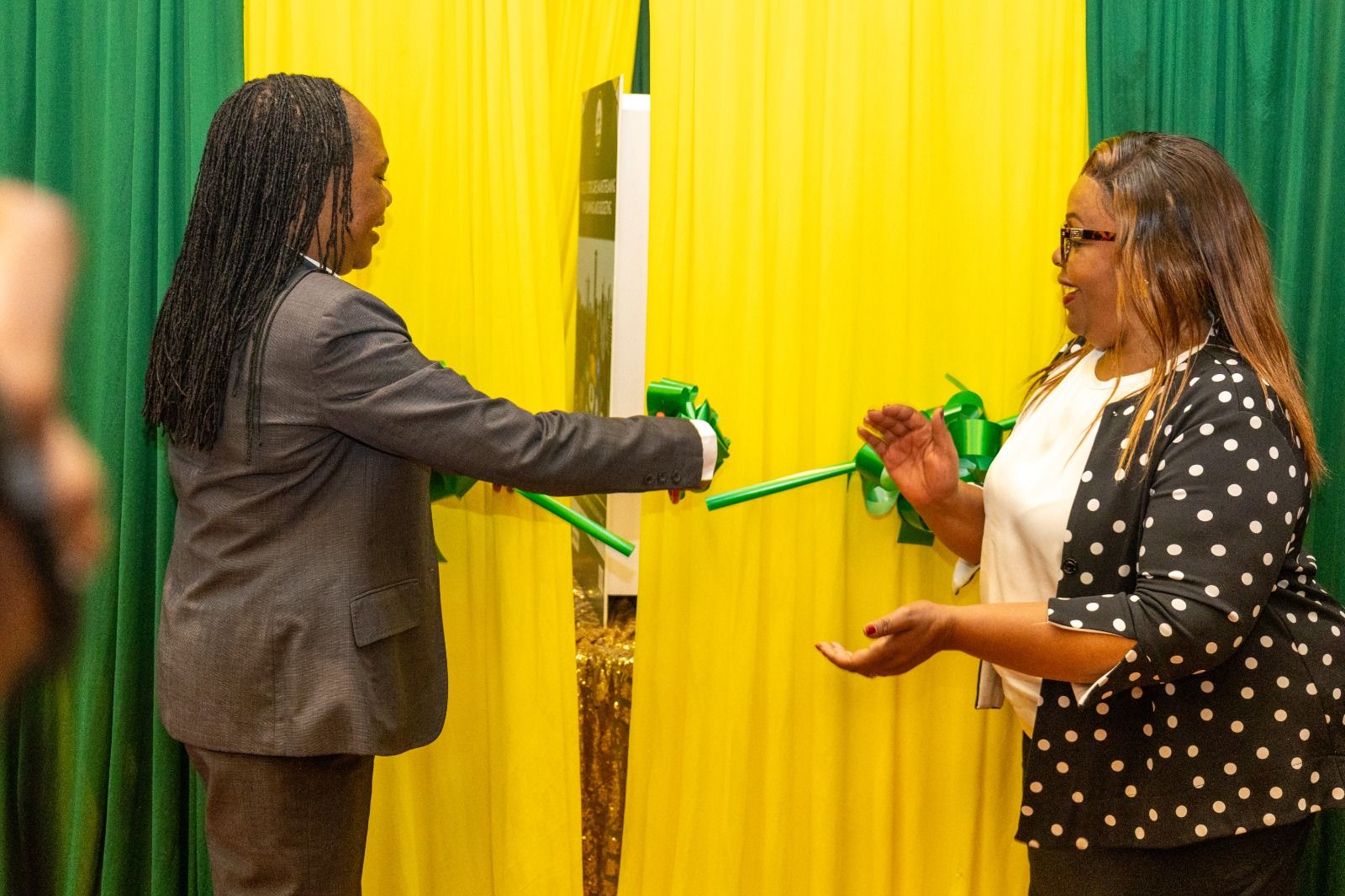
“For too long, care has been invisible,” Hon. Kariuki observed. “It has been framed as a private, feminine virtue rather than the public, economic engine that it is. Every day in Nairobi, millions of hours of unpaid care work, that includes raising children, supporting older persons, caring for family members with disabilities, keep our city functioning. Yet, this work is rarely counted, cost, or reflected in our budgets, our planning, or our political priorities.”
Lessons from the Marketplaces
The report argues that when local governments step in to alleviate this domestic burden, the economic returns are immediate and profound. Organizations like Wow Mom Kenya have spent years demonstrating the practical benefits of urban care investments, particularly through setting up daycare services in Nairobi’s bustling public market centers.
Peninah Ndegwa, the Founder and CEO of Wow Mom Kenya, points out that introducing structured care into commercial hubs does more than just keep children safe since it directly stimulates local micro-economies and makes it easier for working mothers in the markets to concentrate on generating more income.
“Care makes everything possible,” Ndegwa explained. “Through our experience implementing daycare services in market centers across Nairobi, we have witnessed firsthand the transformative power of investing in care. We have seen women traders extend their working hours with peace of mind knowing their children are safe and nurtured nearby. We have seen increased productivity, improved dignity for caregivers, stronger community trust, and healthier child development outcomes,” says the urban planner and mother.
Ndegwah, who worked with her husband to set up the first public day care centre in Nairobi’s Gikomba Market, before moving to establish another one at Mwariro Market, emphasizes that framing childcare solely as a humanitarian or social welfare project misses the larger picture. “Childcare is not merely a social intervention, but an economic enabler that strengthens livelihoods, local markets, and urban resilience,” she added. “Care is not a private issue. It is a public, economic and social infrastructure.”
A Fragmented Landscape with Severe Gaps
Despite its critical importance, Nairobi’s current care infrastructure is deeply fragmented and buckling under pressure. According to the report’s findings, more than 60% of county officials and civil society stakeholders rate existing care services, including childcare, disability support, eldercare, and gender-based violence (GBV) response, as inadequate.
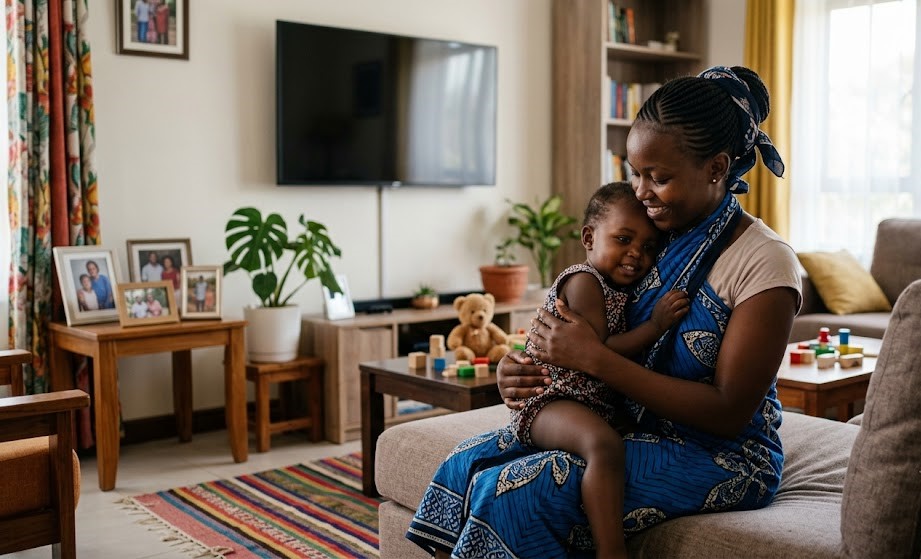
Children under five, older persons, individuals with chronic illnesses, and informal workers are routinely left to fend for themselves due to massive gaps in formal care systems.
The structural barriers are primarily financial and institutional. Shockingly, fewer than 10% of Nairobi County departments have a dedicated budget line for care services. Any existing allocated funds are frequently subject to bureaucratic delays or redirected to other municipal portfolios.
Furthermore, while county staff display strong community engagement skills, there is a chronic shortage of technical expertise in specialized caregiving, gender-responsive budgeting, trauma-informed counselling, and disability-inclusive communication like sign language and Braille.
The Vision for 2030: A Call for Systemic Reform
To transition from a state of crisis to coordinated success, the report outlines a clear policy roadmap for Nairobi County. Key recommendations include the formal establishment of a Care Technical Working Group, the creation of a 5-year Care Mainstreaming Strategy, the introduction of care budget tagging to make public investments visible, and the professionalization of caregiving through standardized training and certification.
County leadership has promised that these findings will actively shape policy, rather than merely gathering dust on office shelves.
“As the Executive Member in charge of Gender and Inclusivity, I am committed to ensuring that this report does not sit on a shelf,” Hon. Kariuki declared.
Adding “The Nairobi City County Government has already begun acting on these recommendations… But this work cannot be ours alone. It requires a whole-of-government and whole-of-society approach including every department, every partner, every citizen, while recognizing that care is infrastructure, care is economic policy, and care is a public good.”
Echoing this determination, Peninah Ndegwa outlined an ambitious milestone for the capital. “Our shared vision is ambitious but necessary, by vision 2030, Nairobi will be a city where care is recognized, planned for, funded, and delivered as a core public service essential for economic growth, gender equality, productivity, and social wellbeing,” Kariuki stated.
Adding “Care will no longer be invisible, informal, or donor-dependent, but fully integrated into county systems and budgets.”
If Nairobi succeeds in domesticating these national care policies, it will set a historic precedent for cities across Africa. By treating care as a vital public utility rather than an individual burden, the city can build an equitable, resilient economy where no caregiver is left in the shadows.