|
Getting your Trinity Audio player ready...
|
By Aggrey Omboki
Nairobi, Kenya: On this Mother Earth Day, as global leaders gather to debate climate finance and carbon credits, two African communities are quietly doing something more radical: they are healing the land, and the land is healing them back.
From the shrinking shores of Lake Chilwa in Malawi to the degraded corridors of the Maasai Mara in Kenya, a quiet revolution is unfolding. It is not led by governments or international NGOs. It is led by grandmothers, village committees, women rangers, and elders who refused to accept that their home was dying.
The Lake That Kept Dying, and The Women Who Refused to Let It
Lake Chilwa, Malawi’s second-largest wetland and a UNESCO Ramsar site, dried up eight times in the last century. By the early 2000s, Malawi had lost 97% of its forest cover. Illegal fishing wiped out juvenile fish before they could breed. Then, between 1990 and 2005, 1.5 million people faced famine and displacement.
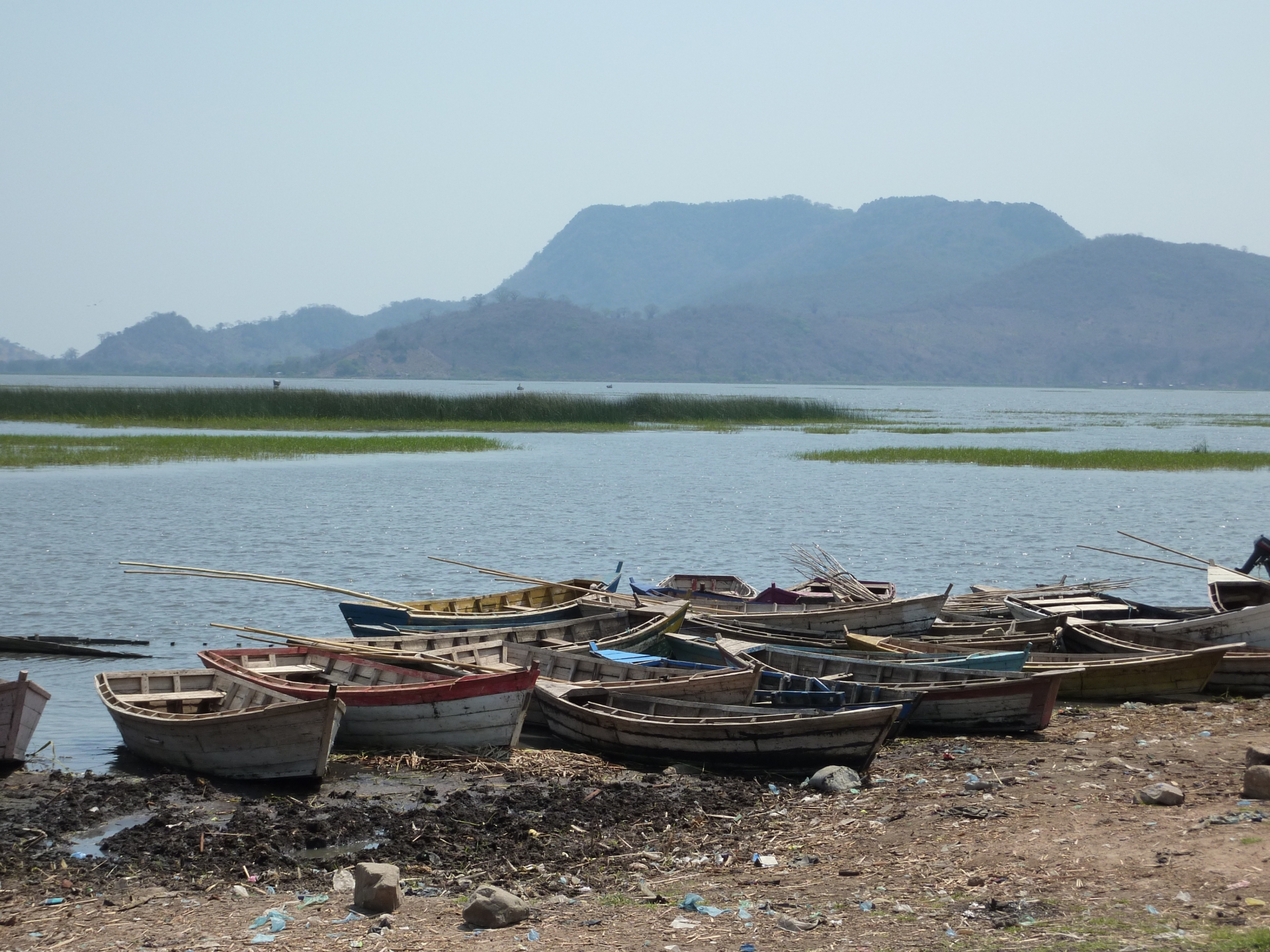
Caroline Theka, Principal Environmental Officer at Malawi’s Environmental Affairs Department, has watched this story closely. She explains that Lake Chilwa is no ordinary water body. It generates US$21 million annually from fish alone, supplies 20% of all fish caught in Malawi, and supports 80,000 direct dependents. Over 1.5 million people depend on it, when counting the wider basin economy.
“Larger fish catches are associated with good fortune and used in traditional worship rituals,” Theka says. “When the lake suffers, the people’s spirit suffers with it.”
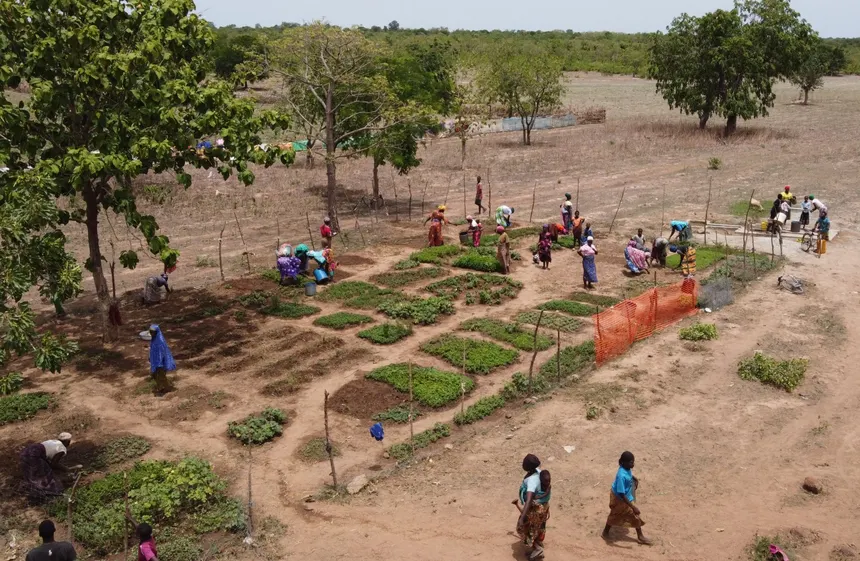
But despair has given way to determination. Fifty-two fishing communities resolved to restore riparian reserves. Fifteen hundred bird hunting associations agreed to reduce the overexploitation of 1.2 million birds yearly. These grassroots commitments were integrated into the lake’s management plan, backed by the US$4.4 million TRANSFORM project, which focuses on wetland restoration, replanting marshes to restore the hydrological cycle, and tree planting in catchment areas to reduce siltation.
Today, village committees inspect seasonal fishing closures. Women lead the adaptation. And Mother Earth is responding. Fish stocks are rising. One hundred and sixty-four bird species are protected. Forest cover is returning. The 1.5 million people are food secure again. Disease risk has reduced, and future generations are secured.
Theka’s lesson is unflinching: “Isolated thinking has failed Mother Earth over time. Integration across sectors – water, health, agriculture, economy – is not optional. It is survival.”
She adds: “Indigenous knowledge is irreplaceable, scientifically valid and cannot be ruled out. Communities are the solution. If we invest in them, they will lead to healing.”
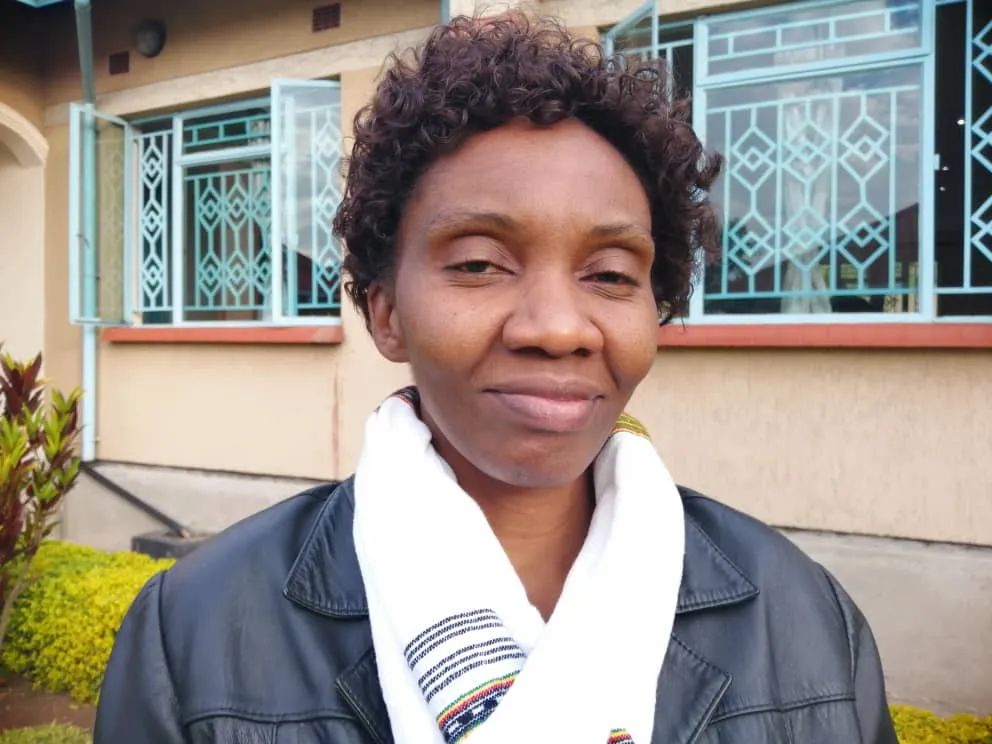
“When the lake suffers, the people’s spirit suffers with it.” – Caroline Theka has witnessed Lake Chilwa dry up, flood, and fight back. Now, thanks to village committees and women-led adaptation, the 1.5 million people who depend on Africa’s second-largest wetland are food secure again. Mother Earth, she says, responds when communities lead.
The Maasai Who Tore Down the Fences, and Built a Future
Two thousand kilometres east, in Kenya’s Maasai Mara, Narok County Nelson Nashulai Ole Reyia tells a different story with the same heartbeat.
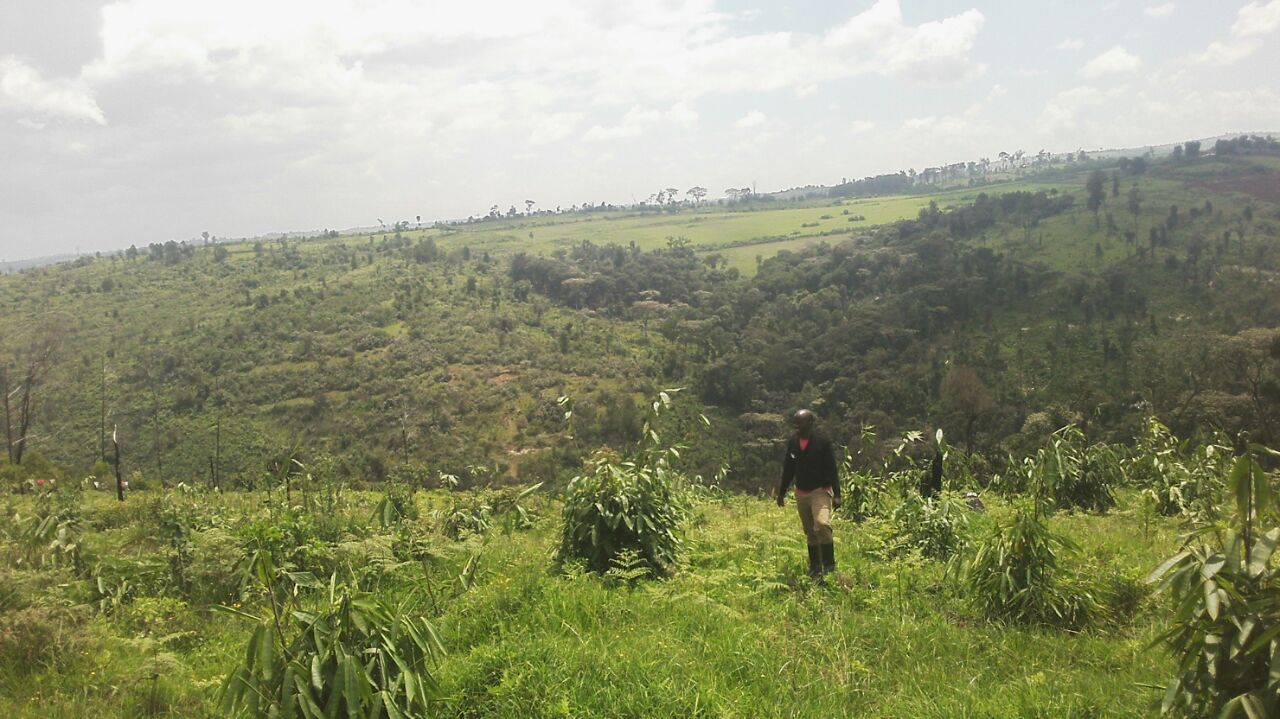
In 2016, he co-founded the Nashulai Maasai Conservancy. Unlike the 24 other conservancies in the Mara, Nashulai is the only one where people and wildlife live together on the same land is over 5,000 acres supporting 6,000 people.
Before Nashulai, the land was fenced and overgrazed. Habitat fragmentation was destroying the most important wildlife migratory corridor in the region. Conventional “fortress conservation” was pushing communities off their ancestral lands, turning them into conservation refugees while foreign-owned camps extracted tourism revenue.
“We decided to restore the people’s deep connection to the land,” Ole Reyia says. The conservancy’s mission rests on three pillars: conserve wildlife, restore the land, and eliminate poverty.
Women led the restoration of the Sekenani River, part of the Mara River confluence. “Our rivers are like sentient beings,” Ole Reyia explains. “They tell us what to do to secure our future.” Women now keep bees near the riverbanks. Elders participate in turning the dustbowl back into grassland.
The conservancy pays the community to be stewards of the land, creating over 200 local jobs. When human-wildlife conflict occurs as it inevitably does a community fund provides compensation. During the COVID-19 pandemic, while the world shut down, Nashulai fed 28,000 people weekly for an entire year. Youths produced soap from elephant dung and mobilised to protect the conservancy from poaching.
At the heart of Nashulai is Netiapa, a storytelling centre where generational transfer of knowledge takes place. “Instead of turning the conservancy into a tourism centre, we turned it into a knowledge hub,” Ole Reyia says. Young Maasai are trained in leading-edge science while rooted in indigenous wisdom. Five hundred students have graduated from their programmes over the last five years.
A Blueprint For a Continent
Nashulai has won the UNDP Prize and the Rights and Resources Award in 2025. Communities from Tanzania now come to learn. The model is expanding to Nashulai East and Upper Sand River. A New York Declaration has been signed to commit the land to a biocultural corridor, removing fences and embracing best practices that conserve wildlife without displacing people.
Collaborations with the University of Toronto, University of Alabama, and University of Nairobi are ongoing. The next goal? Creating the longest wildlife corridor linking the Maasai Mara, Loita Forest, and the Amboseli ecosystem.
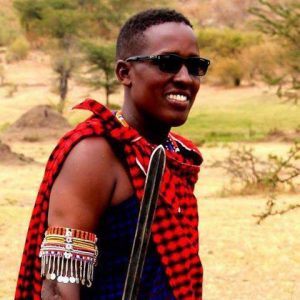
“Our rivers are like sentient beings. They tell us what to do to secure our future.” – Nelson Ole Reyia tore down the fences of fortress conservation to create the only conservancy in the Maasai Mara where people and wildlife live together. Five thousand acres. Six thousand people. Zero conservation refugees. This is the Maasai commons, restored.
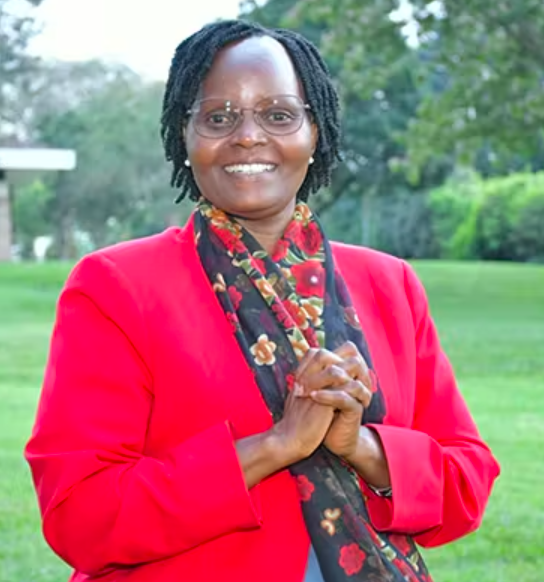
Dr. Margaret Karembu (MBS) is the Director of the International Service for the Acquisition of Agri-biotech Applications (ISAA) Africa region. She is also the pioneering chair of the Open Forum on Agricultural Biotechnology in Africa (OFAB – Kenya chapter).
She is emphatic on the need for scientists and indigenous communities to work together to bridge the gap between cutting-edge agricultural biotechnology and livestock herders and fishing communities who feed Africa for the best conservation results.
“Science without community is empty. Community without science is blind ,” says the researcher and academic.
Her message on Mother Earth Day is simple and profound: “If we put our efforts together, the ecosystem will be happy with us and sustain our existence, as per Genesis 2:15, where mankind was instructed to till and keep the land, and not to destroy it.”
The Lesson For All of Us
From Lake Chilwa to the Maasai Mara, the formula is identical. Local action, indigenous knowledge, women’s leadership, and community ownership do not just protect nature – they restore it. They feed people. They prevent disease. They secure the future.
As Caroline Theka puts it: “Local actions have greater global impact. The restorative action to protect the livelihoods of 1.5 million people has had a great impact on global planetary health.”
This Mother Earth Day, the experts agree on one thing above all: the communities once written off as victims of environmental collapse have become its most effective healers.
And Mother Earth, finally, is responding.
“Science without community is empty. Community without science is blind.” says Dr. Margaret Karembu bridges the gap between cutting-edge agricultural biotechnology and the smallholder farmers who feed Africa. On Mother Earth Day, her message is clear: indigenous knowledge and modern science are not enemies. They are the twin engines of a thriving planet.