|
Getting your Trinity Audio player ready...
|
By Kasandra Musyimi
Mombasa, Kenya: The celebration of World Kiswahili Language Day at the Alliance Française gardens in Mombasa was far more than an appreciation of speech; it served as a revival of the coast’s vibrant identity. The day resonated with a powerful blend of history and artistry, offering an atmospheric experience of coastal magic.
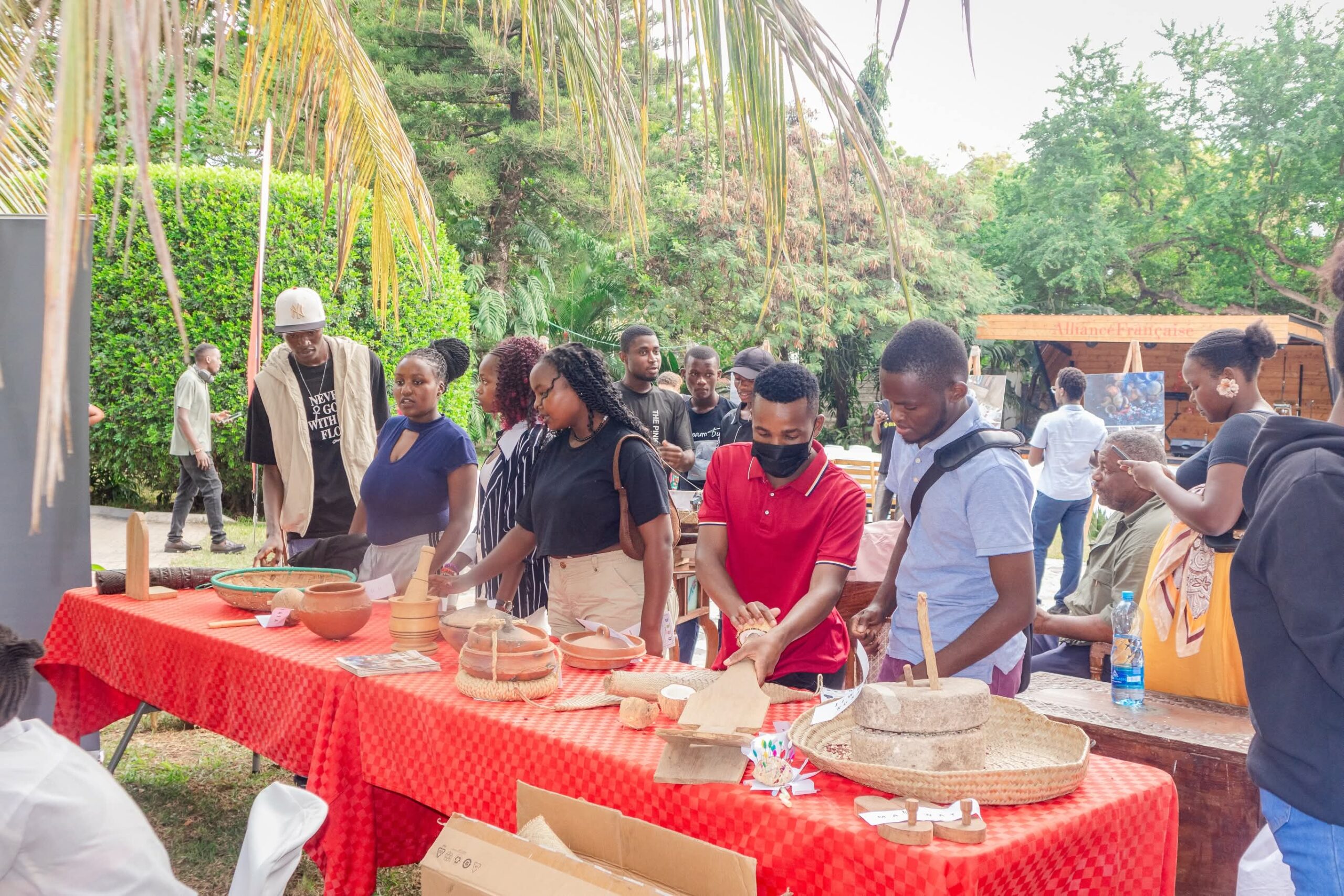
Participants immersed themselves in captivating storytelling workshops and spectacular photo exhibitions, experienced rare cultural displays from Lamu and Siyu, and enjoyed the rich, enticing scents of live Swahili culinary presentations.
The public poured their hearts out during open poetry sessions, culminating in a musical journey through the timeless, syncopated rhythms of Taarab and Swahili Jazz, led by Nyawira Siren, Juma Tutu, and friends.
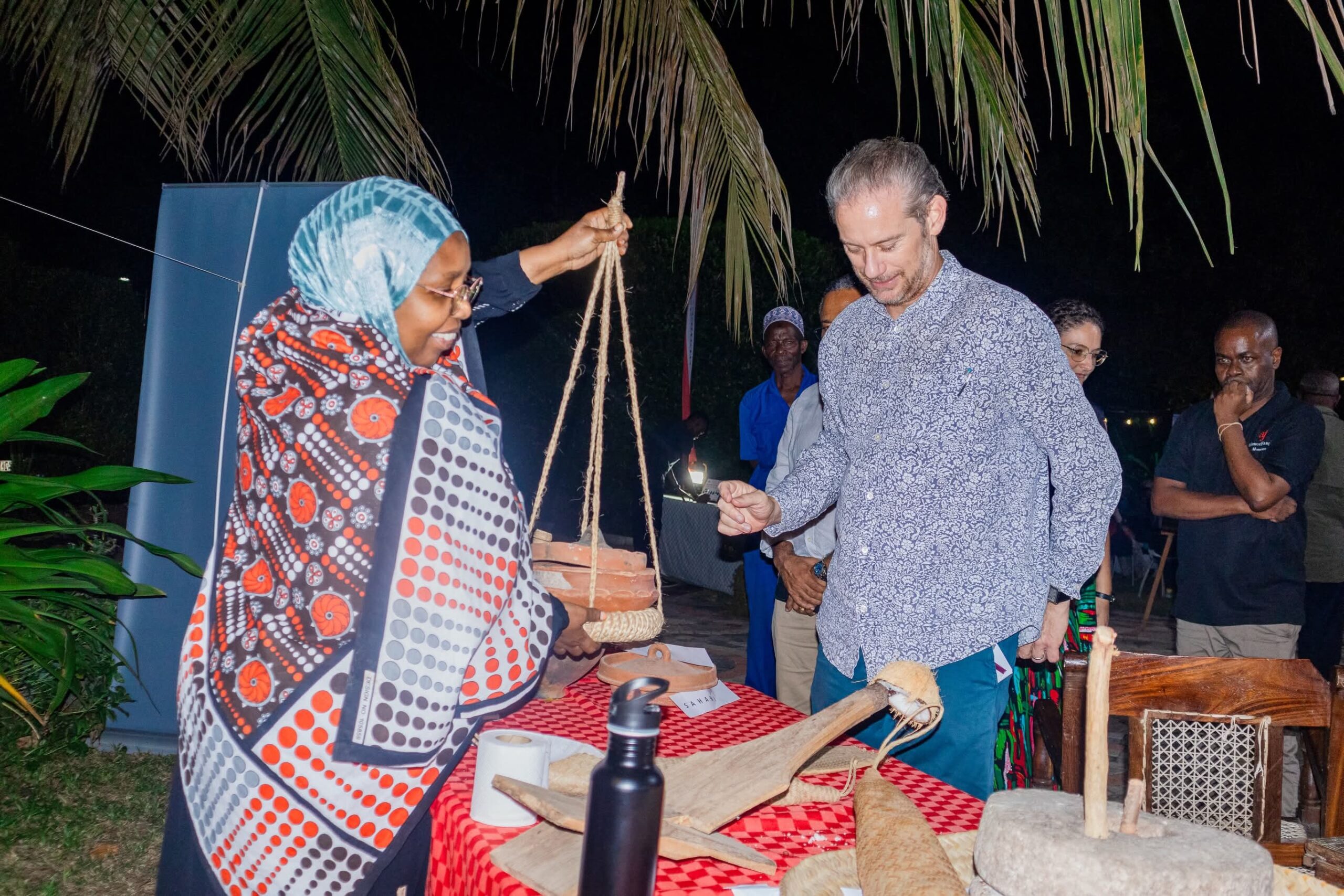
 The presence of distinguished guests, including Balozi Arnaud Suquet, the Ambassador of France to Kenya, and local partners like Enua Kijana Africa, the Swahili Cultural Centre, Nuria Books, and Call Me Mama, underscored a crucial reality: Kiswahili is no longer just a regional dialect. It is a global phenomenon.
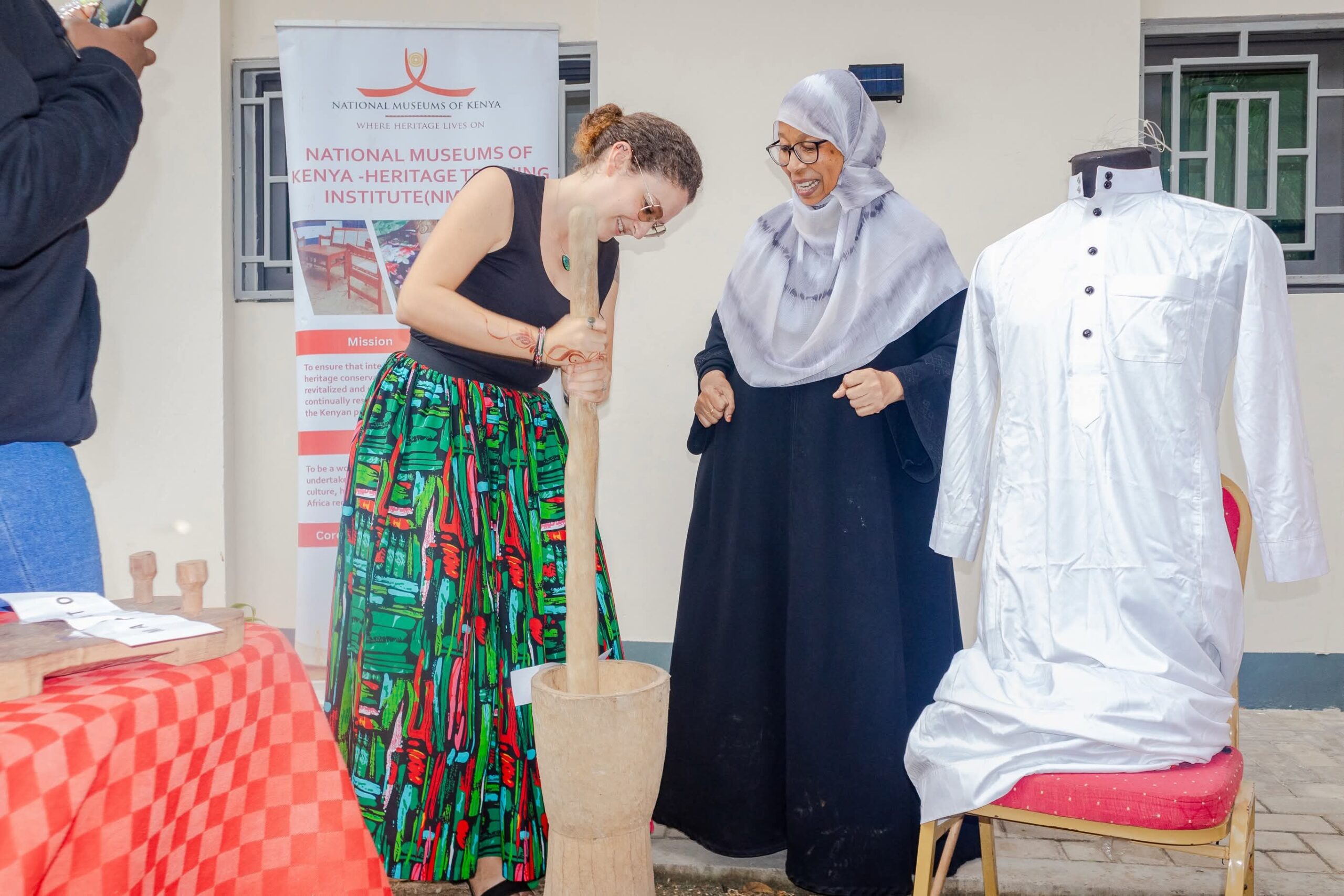
For Majid Gombo, the Head of Education and Community Issues at the National Museums of Kenya (Fort Jesus), the UNESCO declaration of World Kiswahili Language Day in 2021 was a monumental validation. Yet, she emphasizes that the language cannot be viewed in isolation.
“Kiswahili does not stand alone; it moves hand-in-hand with our culture, our poems, our songs, our food, and our clothing,” Gombo explains.
Adding “When we celebrate this day, we are celebrating a unique tapestry. Our language carries distinct culinary traditions and a rich historical footprint, having absorbed elements from Persian, Omani, and Indian cultures.”
 For Gombo, this celebration serves as a vital platform to showcase to the world that Kiswahili is an expansive, living language capable of global reach. It is a vehicle for heritage preservation, ensuring that the history of the East African coast remains intact for generations to come.
Despite its global recognition and its status as a national language in Kenya, Kiswahili faces a silent crisis within its own borders. Saadu Hashim Rashid, working with the National Museums of Kenya at the Swahili Culture Centre in Mombasa, expressed a poignant mixture of pride and frustration regarding the contemporary state of the language.
While Saadu notes that Kiswahili serves as a powerful unifying tool that brings Africans together, she laments the systemic marginalization it suffers in formal spaces.
“It is disheartening that many of our debates, policies, and formal arrangements are conducted in English rather than Kiswahili,” Saadu remarks. “This is the biggest challenge we face in Kenya: Kiswahili has not been given the status and dignity it truly deserves.”
Saadu attributes this to deeply entrenched colonial mindsets and rigid national policies. In schools, offices, and corporate environments, English remains the default currency of professionalism. Consequently, a linguistic bias has formed among the youth.
“If you speak English, you are perceived as educated and sophisticated,” Saadu says. “But if you speak Kiswahili, you are often viewed as uneducated, backward, or left behind. Our youth feel that speaking English elevates their social status, while Kiswahili ties them to the past.”
To counter this, Saadu argues that celebration cannot be restricted to a single day on the calendar. “My advice is that we must celebrate Kiswahili every single day by speaking it and using it. It is the thread that connects Kenyans from diverse communities.”
Saadu invokes the famous Swahili proverb, “Mwacha mila ni mtumwa” (He who abandons his culture is a slave), as a stern warning against cultural amnesia.
“When you use your language, it gives you an identity. It sets you apart and highlights your uniqueness,” Saadu states.
She urged modern parents to strike a balance: while chasing academic excellence through English is understandable, Kiswahili must not be abandoned. Parents must intentionally speak Kiswahili with their children at home to cultivate the organic motivation required for the language to thrive.
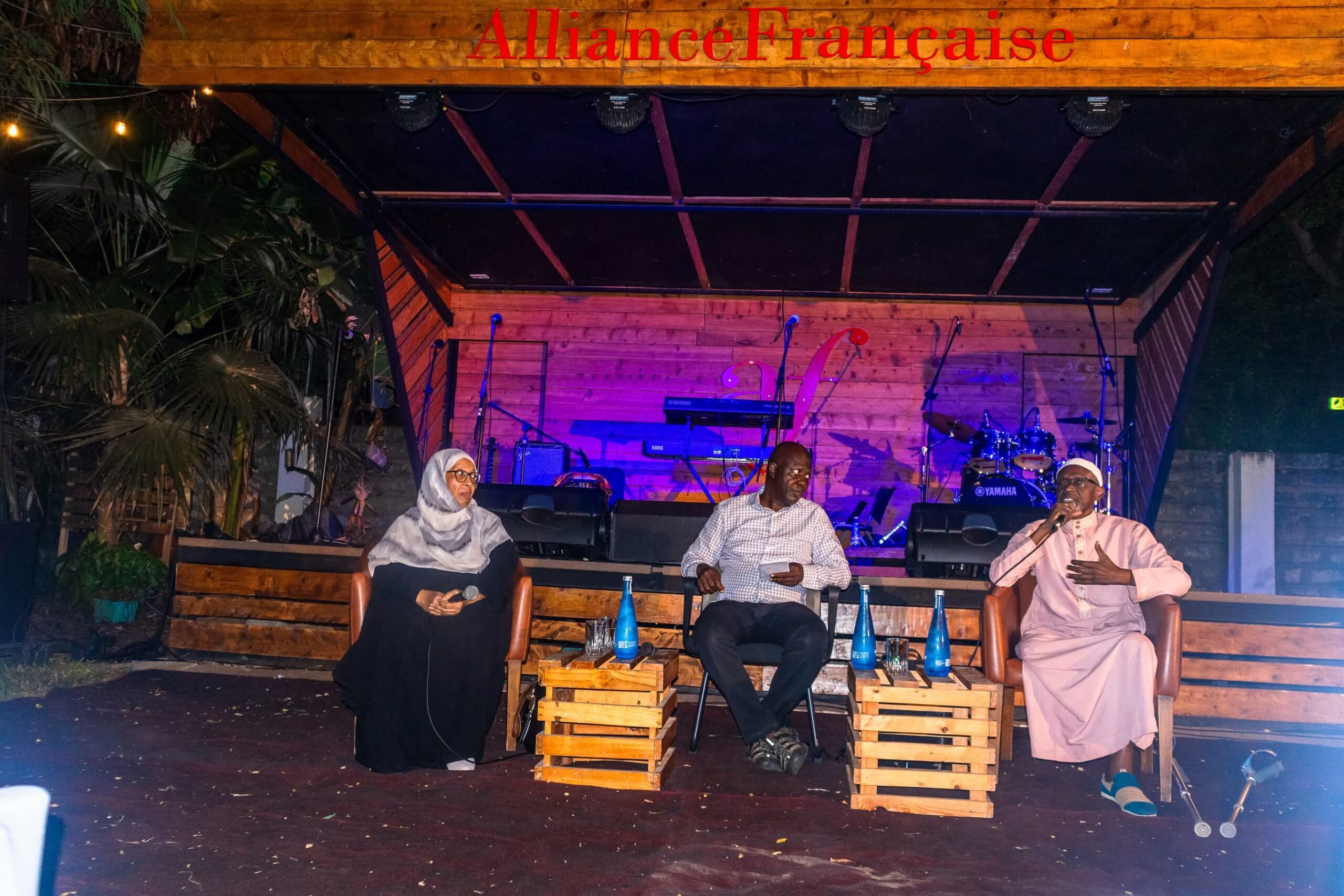 This sentiment was echoed by stakeholders in the creative industries. Gibson Hausa, popularly known as Bryson, a prominent actor who attended the event, highlighted the intrinsic link between the language and the arts.
“This event addressed critical issues needed to promote Kiswahili,” Bryson noted, expressing his excitement over the inclusion of diverse playwrights and authors.
Adding “As an actor, I see the immense power of Kiswahili. We need forums like this repeated regularly so the next generation understands that Kiswahili is powerful, viable, and deserves to be given top priority.”
The celebrations in Mombasa proved that Kiswahili is not a stagnant relic of history, but a dynamic force capable of modern expression, whether through the strings of a Swahili jazz guitar, the pages of a contemporary play, or the academic panels hosted by the National Museums of Kenya Heritage Training Institute.
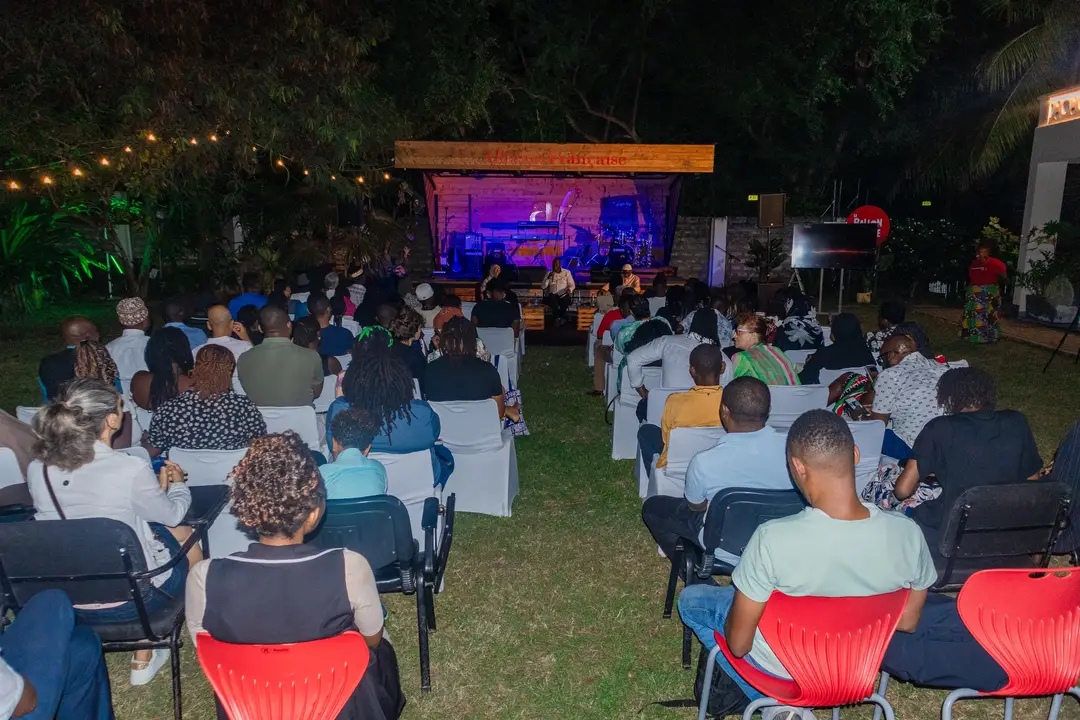 However, for Kiswahili to truly claim its crown, the appreciation must move from the festival gardens into the classrooms, government offices, and daily conversations of the African continent. Only then will the language truly break its colonial shackles and be recognized for what it is: the heartbeat of African unity.