|
Getting your Trinity Audio player ready...
|
By Alex Musikoyo Odongo
Nairobi, Kenya: According to the County Budget Transparency Survey 2025 (CBTS), citizen budgets represent the least published and least detailed budget documents among Kenya’s county governments. The report, produced by Bajeti Hub, a Kenyan non-profit focused on advancing equity, accountability, and transparency in budgeting found that these documents often lack the depth required for effective public oversight.
While 35 out of 47 counties managed to release a citizens’ budget, the survey revealed significant gaps in content. On average, these documents included only 40% of the essential budget information necessary for residents to monitor or engage with county fiscal processes. This lack of comprehensiveness severely restricts the ability of citizens to understand and participate in their local government’s financial decision-making.
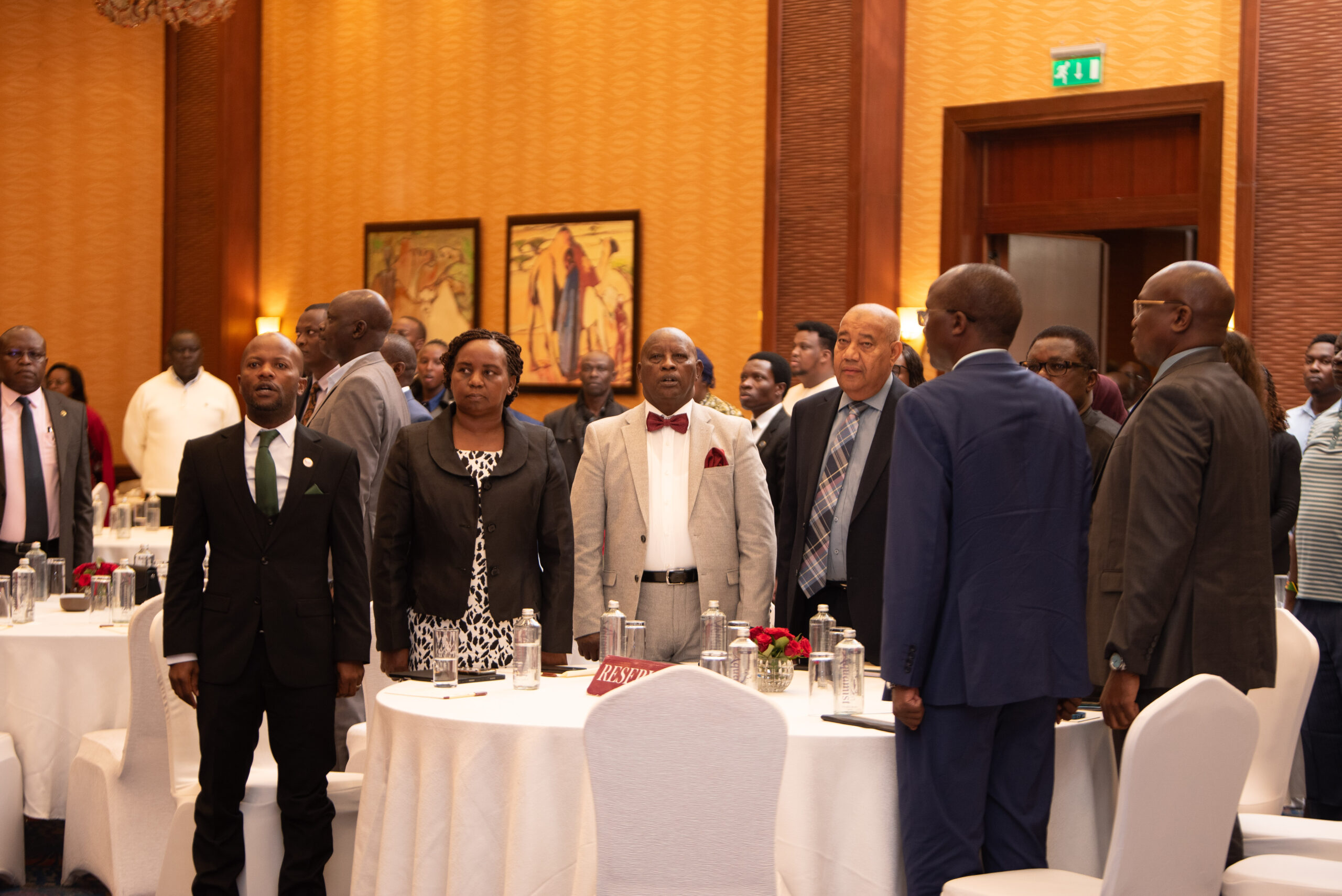
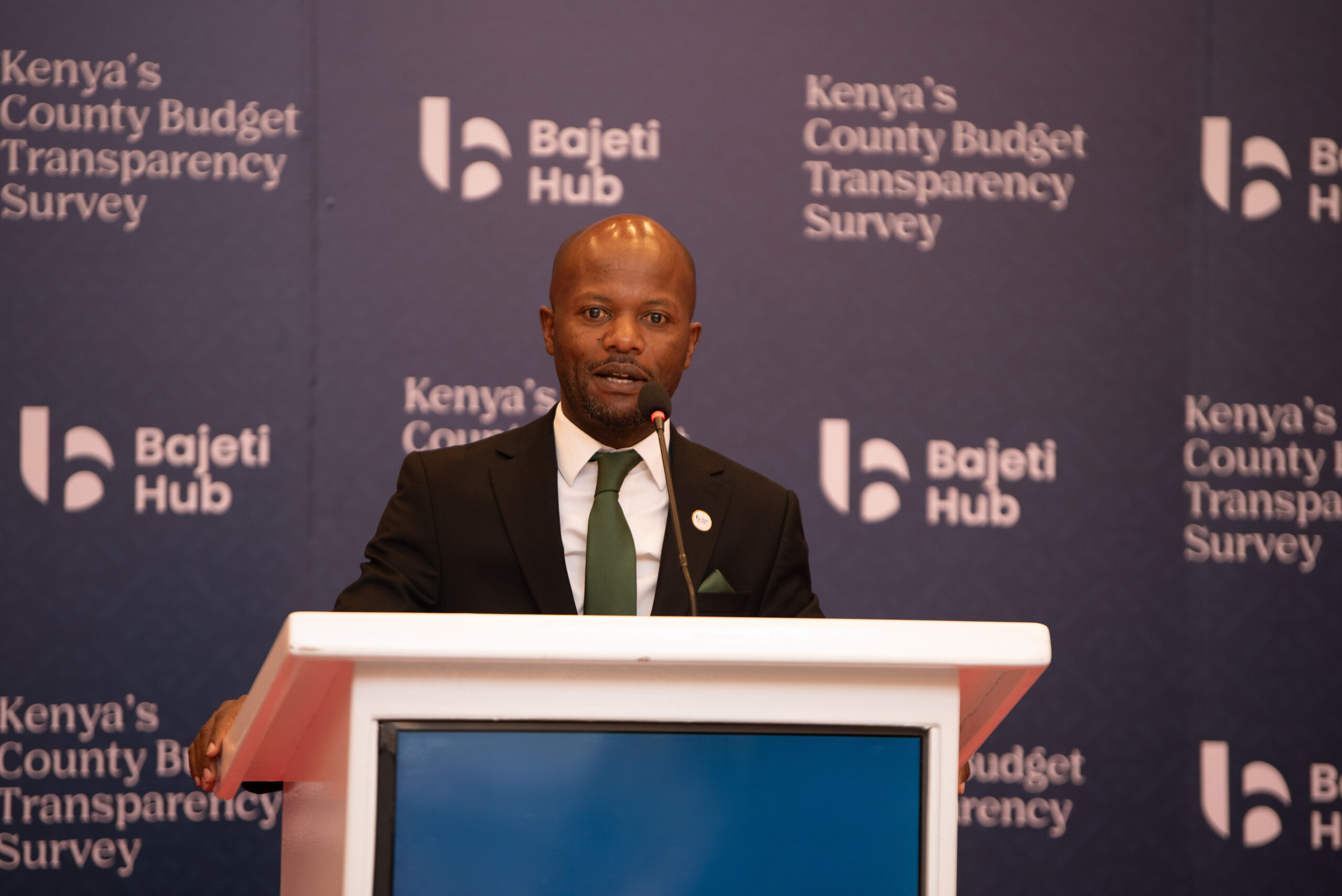
Speaking during the official launch of the report in Nairobi, the CEO of Bajeti Hub Dr. Abraham Rugo observed that many counties have yet to fully utilize Citizen Budgets as tools for enhancing transparency and citizen engagement.
Citizen Budgets are designed to simplify complex budget information and make it more accessible to the public. Ideally, they should clearly express county priorities, revenue sources, spending allocations, development projects, and opportunities for public participation throughout the budget cycle.
Equally to note, timeliness in publishing budget information emerged as the weakest aspect of budget transparency in the CBTS 2025 survey. While Counties recorded a high availability rate of 88%, only 23% of the required budget documents were published within the timelines prescribed under public finance laws.
The worst-performing category was the quarterly implementation reports, undermining timely public oversight and limiting the ability of citizens and oversight institutions to effectively track budget implementation and expenditure decisions.
The survey observed that counties have made significant strides in the disclosure of information regarding public participation, despite the fact that their overall performance in this regard is still relatively weak. According to the survey, a total of 25 counties improved the quality of feedback provided to citizens on public participation processes, while 11 counties recorded declines and another 11 provided no information at all.
The average score increased from 12 out of 100 points in CBTS 2024 to 23 out of 100 points in 2025 reflecting gradual but important progress toward more transparent and accountable public engagement processes.
The CBTS 2025 also ranked the performance of County governments in budget transparency. Makueni County emerged as the top-performing county nationally with 89 out of 100 points followed by Nyeri County with 88 points, Nakuru County with 87 points, and Busia County with 85 points. Marsabit County registered the lowest score at 24 points, while Migori (36) and Kilifi (40) also scored comparatively low results pointing to persistent challenges in publishing complete and timely budget information.
Isiolo, Nyandarua and Trans Nzoia were the three most improved counties increasing their transparency scores by 28 points, 24 points, and 21 points, respectively. The improvement was largely attributed to increased publication of budget documents.
In contrast, 20 counties experienced a decrease in their transparency index scores when compared to CBTS 2024. Narok, Garissa, and Laikipia experienced the most substantial declines, with -22 points, -21 points, and -19 points, respectively. The decline in scores was attributed to reduced publication of key budget documents, delays in publishing them on time, and less comprehensive budget information made available to the public.
The annual survey conducted by Bajeti Hub evaluates the timely publication of budget documents throughout the budget cycle, the public availability of key budget documents on the official websites of County governments, and the comprehensiveness of the level of information provided in the key budget documents as per the County Governments Act, Public Finance Management Act (PFM Act), and related regulations.
The survey evaluated ten key budget documents, including the Annual Development Plan, County Budget Review and Outlook Paper, County Fiscal Strategy Paper, Approved Programme-Based Budget, Citizens Budget, Finance Act, and all the four County Quarterly Budget Implementation Reports.
The findings of CBTS 2025 come at a time of growing public demand for improved service delivery and increasing mistrust between citizens and the state. This has heightened public demand for greater accountability, transparency, and value for money in the use of public resources.
This survey not only identifies persistent gaps, but it also presents significant opportunities for County governments to advance reforms and maintain progress in the areas of transparency, accountability, and meaningful citizen participation.
Alex Musikoyo Odongo is a Media trainer, Budget champion and Human rights activist: alexmusikoyo@gmail.com