|
Getting your Trinity Audio player ready...
|
By Lenah Bosibori
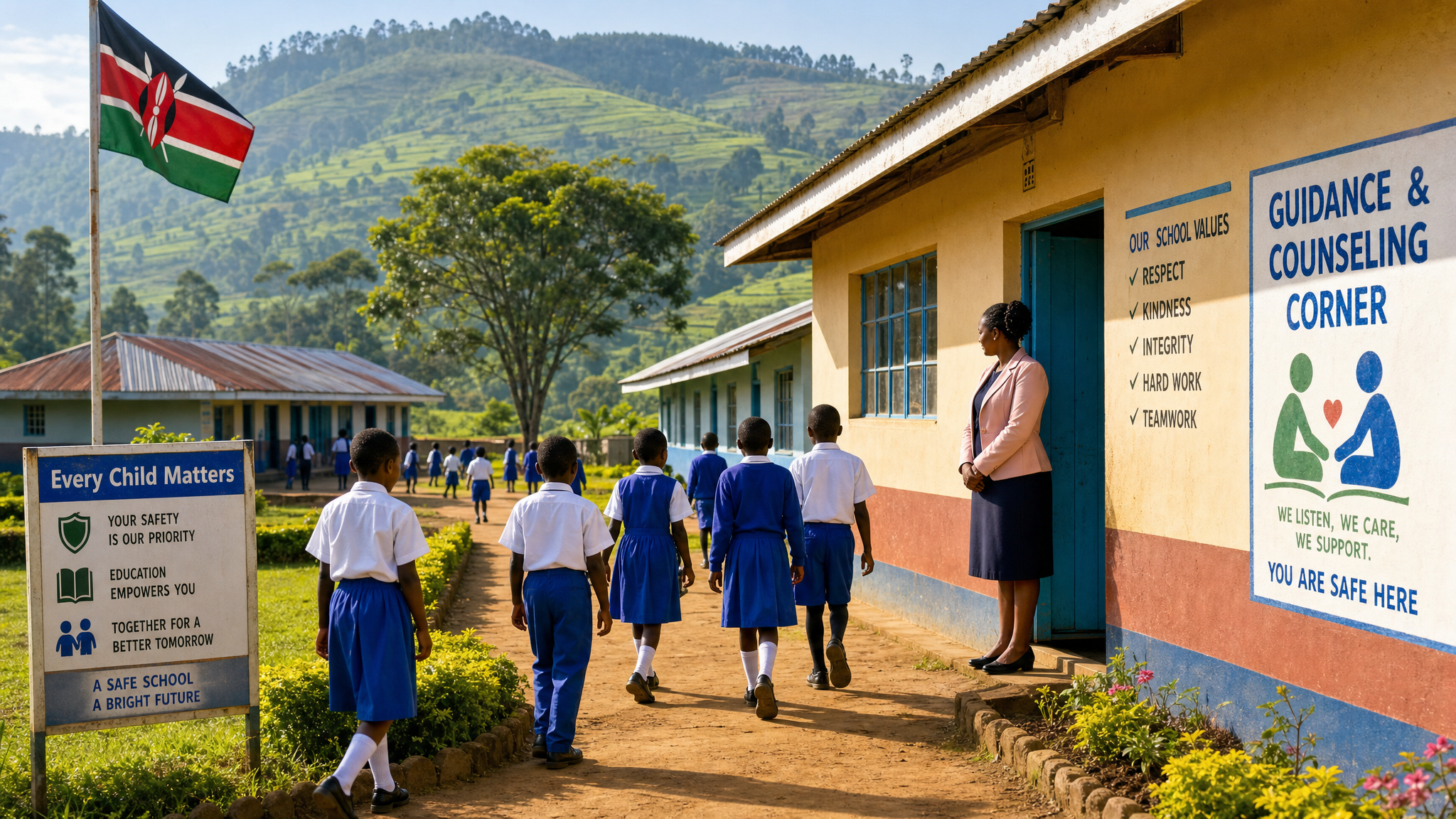
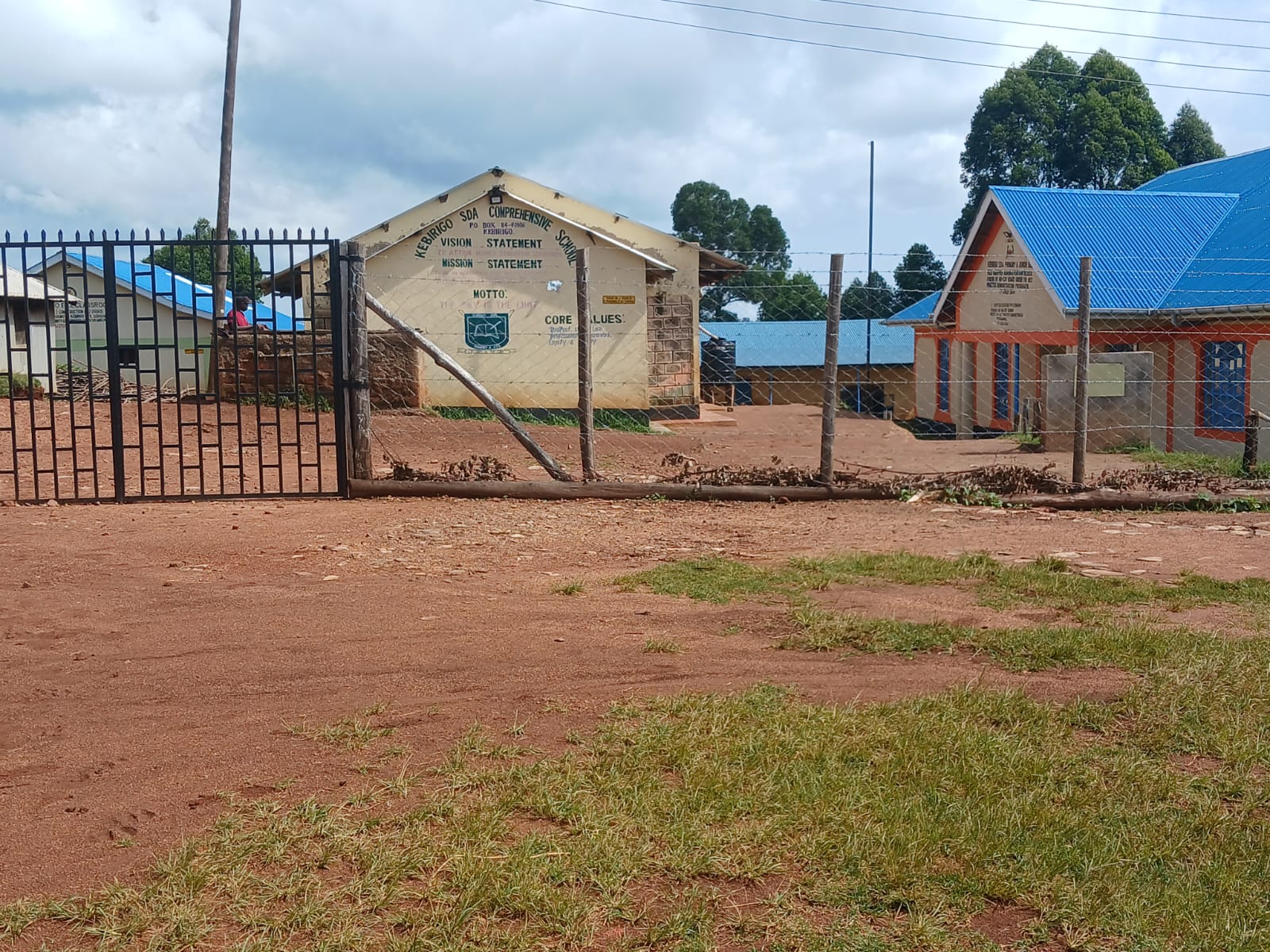
Nyamira County-Kebirigo SDA Comprehensive School in Nyamira County, which has nearly 1,000 learners, has not recorded a single case of teenage pregnancy in the past five years. This marks a significant change from earlier years, when the school would typically record one or two cases annually.
Headteacher John Onguso attributes the progress to a deliberate programme that combines weekly guidance and counselling, age-appropriate sexuality education, strong relationships between teachers and learners, parental involvement, child protection and practical support that helps girls remain in school.
“We have self-driven programmes through the guidance of teachers,” Onguso says. “Because we are very keen, and because of the guidance, counselling and civic education we give our learners, we have not recorded a single case of teenage pregnancy in the last five years.”
The school’s guidance and counselling programme is supported by deputy headteachers and senior teachers, several of whom are also involved in church activities. Their involvement, Onguso says, has helped learners improve their attitude towards education and avoid harmful influences outside the school environment.
“Whenever we have such cases, we use guidance and counselling,” he says. “I am happy that we have never suspended any boy or girl. Once we use guidance and counselling, we find that it works very well.”
Teenage pregnancy remains a major concern in Kenya. It can interrupt a girl’s education, expose her to health risks and limit future opportunities. Young mothers may also face stigma, financial hardship and isolation from friends, family members and their communities.
According to the 2022 Kenya Demographic and Health Survey (KDHS), 15 percent of girls aged 15 to 19 in Kenya had ever been pregnant. In Nyamira County, the figure was slightly higher, at 16 percent, according to the 2022 KDHS Nyamira County Factsheet.
At Kebirigo, the school has formed a monitoring team to support and protect girls both in school and at home. “We try to monitor their movements and encourage them to use their time wisely,” Onguso says. “When they are at home, those who are not attending church are encouraged to complete their homework, work on assignments and help their parents with household responsibilities.”
For Onguso, preventing teenage pregnancy requires more than warning learners about the consequences of early sex. Young people, he says, need accurate information, trusted adults, protection from abuse and a safe environment where they can ask questions without fear.
A weekly space for difficult conversations
Every Friday during game time, learners from Grades Five to Nine at Kebirigo SDA Comprehensive School meet with teachers to discuss issues affecting their education and well-being.
The discussions cover relationships, peer pressure, personal responsibility, substance abuse, safety, reproductive health and life skills. Learners are encouraged to ask questions, seek advice and report concerns before they become more serious. They are also taught about their rights and where to seek help.
Depending on the topic, boys and girls are sometimes guided separately. At other times, they meet together. “When we are doing guidance, there are areas where we guide girls separately and areas where we guide boys separately,” Onguso explains. “When there is an issue that affects all of them, we bring them together.”
Four teachers from the primary and junior school sections serve as mentors and counsellors. They identify learners who may need further support and link them to appropriate services.
The school does not teach comprehensive sexuality education as a separate subject. Instead, information about body changes, personal safety, healthy relationships, decision-making and where to seek help is included in guidance and counselling sessions and other learning activities.
The school follows Ministry of Education guidance and the curriculum developed by the Kenya Institute of Curriculum Development. Its programme also encourages boys to become part of the solution by promoting respect, responsibility and healthy relationships.
“Children need accurate information that is appropriate for their age,” Onguso says. “They also need trusted adults they can turn to and a school environment where they feel safe reporting problems without fear.”
Dr Stellah Wairimu Bosire, a medical doctor, lawyer, global health practitioner, and adolescent health expert, says comprehensive sexuality education should be a continuing, age-appropriate conversation throughout a young person’s development.
She says it should help young people understand puberty, relationships, consent, sexually transmitted infections, HIV, gender-based violence and personal safety. It should also equip them with the skills to make informed decisions and seek help when they need it.
However, this kind of education has faced resistance from groups that argue it encourages immorality among children. Dr Bosire says this is a misconception.
Young people who receive accurate and age-appropriate information, she says, are better able to understand risks, protect themselves and make healthier decisions. The information can also improve their chances of staying in school and building a better future.
A safe way to report abuse
The importance of the school’s weekly sessions became clear in June 2024.
During a guidance and counselling session, Grade Seven learners were asked to write anonymous notes about issues affecting their wellbeing and education. Teachers often receive concerns about peer pressure, family problems, school fees and difficult schoolwork.
But one note revealed a far more serious problem.
A girl disclosed that a domestic worker at her home was sexually abusing her. Onguso reported the matter to the police. Some villagers and parents opposed his decision, arguing that it should be handled privately because the suspected perpetrator was a close family member and reporting him could bring shame to the family.
But Onguso insisted that the child’s safety had to come first. The suspect was arrested, and the girl was moved to a safe place, where she received counselling and other support. “It showed us that when learners are given a safe way to express themselves, hidden cases of abuse can be identified before more harm is done,” Onguso says.
According to Dr Bosire, teenage pregnancy, HIV and gender-based violence are closely connected. “Teenage pregnancy can make a young person more vulnerable to violence, while sexual violence can expose girls to pregnancy and HIV,” she says.
Without accurate information, protection and access to supportive services, she adds, these problems can create a cycle that harms a young person’s health, education and future.
“When young people are denied the correct information, they often turn to unreliable sources,” Dr Bosire says. “They may depend on their peers, social media platforms or the internet, where they can find information that is incomplete or wrong.”
Keeping girls in class
At Kebirigo SDA Comprehensive School, preventing teenage pregnancy is also linked to ensuring that girls can attend school with dignity.
The school provides sanitary towels through the national government programme and works with partners to fill gaps when supplies run out. It also keeps emergency menstrual supplies for girls who need them.
The school has built a private washroom and bathing facility for menstrual emergencies. It keeps extra underwear for learners who stain the clothes they wore from home.
“We have built close relationships with our girls, so that whenever they face a challenge, they know they can come to us for help,” Onguso says. “I have also always advised them to carry an extra set of uniforms.”
Faith, not her real name, says the facility once helped her remain in school after she stained her clothes during her period. “I once messed up my clothes, and the bathroom helped me to clean myself and remain in school without being laughed at,” she says.
Dr Bosire says stigma can affect mental health, causing anxiety, depression and isolation. “The response cannot come from teachers alone,” Dr Bosire says. “Families, health workers, community leaders, peers and schools all have a responsibility to support young people rather than punish them.”
Parents as partners
Parents at Kebirigo say the school’s programme has helped learners become more open about challenges affecting their lives, both at school and at home.
Pacifica Nyanchama, whose daughter is in Grade Seven, says the sessions have made children more confident about sharing their concerns. They have also helped parents begin conversations that can be difficult to have at home.
“As parents, we also have a responsibility to listen to our children and guide them,” she says. “The school has helped us understand that these conversations should not be left to teachers alone.”
This partnership is important because many young people face risks outside school, including poverty, abuse, pressure from older partners and harmful social norms.
Dr Bosire says poverty can increase the risk of teenage pregnancy, exploitation and school dropout. Supporting a teenage learner alone is not enough, she says. Her household may also need support.
For young mothers who have already given birth, support should include counselling, school feeding, books, menstrual health supplies, childcare and economic assistance for their families, according to Dr Bosire.
Dr Bosire says Kenya needs policies that make it easier for adolescents to access accurate health information, contraception, HIV prevention services and reproductive healthcare.
She notes that some adolescents may be denied contraception, HIV prevention medicine or treatment because they are required to seek consent from an adult guardian. Yet some may already be sexually active, pregnant or living with HIV.
“It is contradictory to wait until an adolescent becomes pregnant or gives birth before offering support,” she says.
At Kebirigo SDA Comprehensive School, Onguso says the lesson is simple. A school cannot focus only on academic performance while ignoring the challenges learners face outside the classroom. “Our responsibility goes beyond teaching,” he says. “If a child is suffering, we must act.”