|
Getting your Trinity Audio player ready...
|
By Winnie Kamau
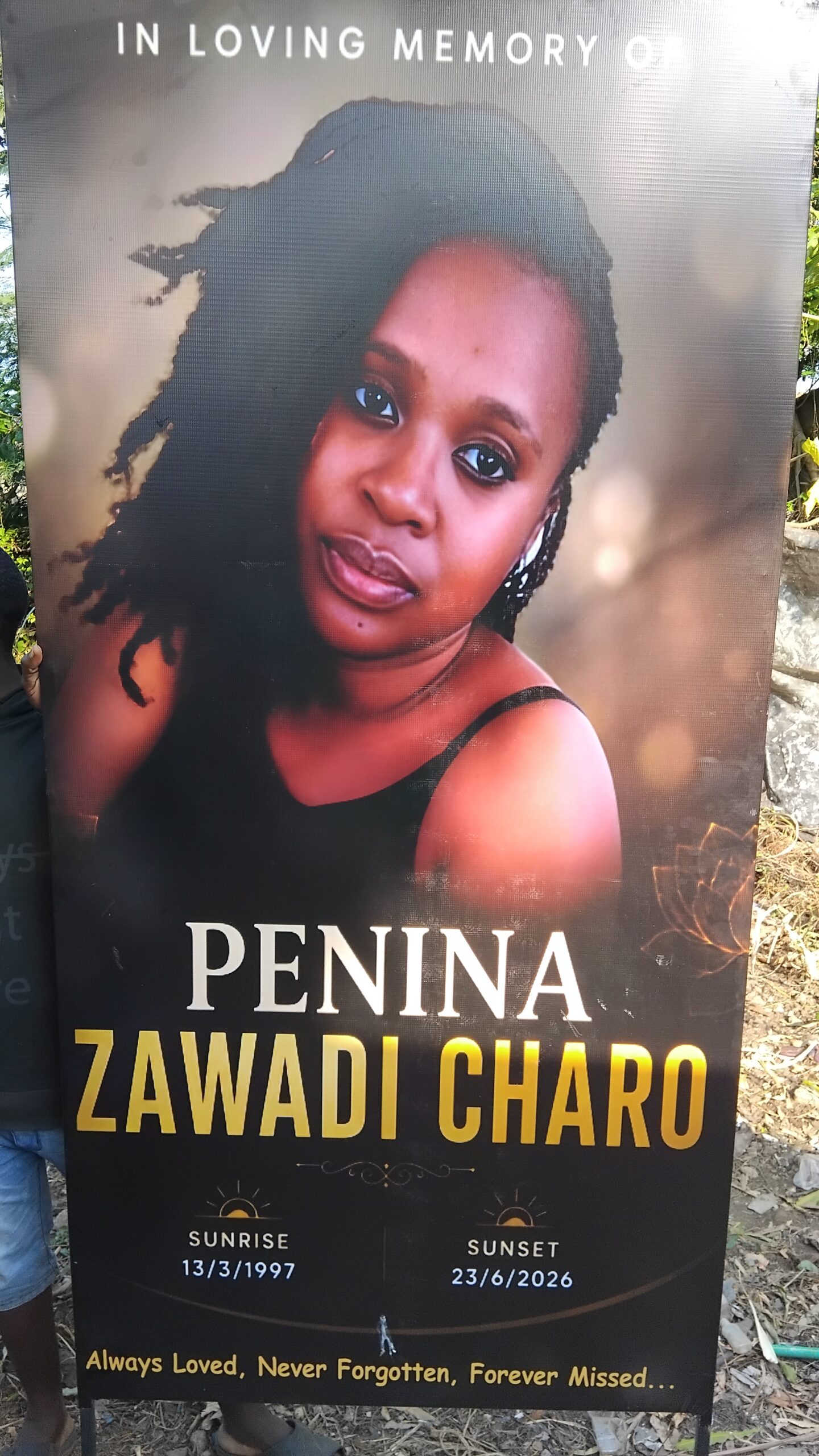
Kilifi, Kenya: I recently stood in the quiet of Kilifi County, attending a funeral that should never have happened. Peninah Zawadi Charo Adams was only twenty-nine, a mother of two who should have been cradling her newborn son. Instead, her name became a haunting entry in Kenya’s rising maternal mortality statistics and the silent, powerful catalyst for a landmark shift in the nation’s healthcare landscape.
Peninah’s life slipped away on June 23, 2026, not for a lack of medical knowledge, but due to a failure of systems. After a C-section at Malindi hospital led to a severe haemorrhage, she was moved to Kilifi Referral Hospital, only to be met with the devastating news that they lacked the equipment to save her.
As her family waited in agony for approvals to transfer her to a third county, Msambweni Hospital, time ran out. Her story might not be captured as the heartbeat of the new mission but could be a direct response to the systemic gaps that turn preventable complications into family tragedies.
Today in Nairobi, the Government of Kenya and the Beginnings Fund signed a Cooperative Agreement that seeks to ensure no other family endures Peninah’s fate. This five-year partnership, fueled by 80 million USD in catalytic funding, is a vow written in the memory of mothers lost. By targeting 21 priority counties and 200 high-volume health facilities, the initiative aims to prevent an estimated 46,494 deaths by 2031, transforming the very hospitals that failed Peninah into bastions of safety.
The Beginnings Fund, supported by a coalition including the Mohamed bin Zayed Foundation for Humanity and the Gates Foundation, might be designed to fix exactly what went wrong for Peninah: the people, products, and systems that define modern care. This isn’t just about infrastructure; it’s about making sure the equipment is there and the personnel are ready the moment a mother’s life hangs in the balance.
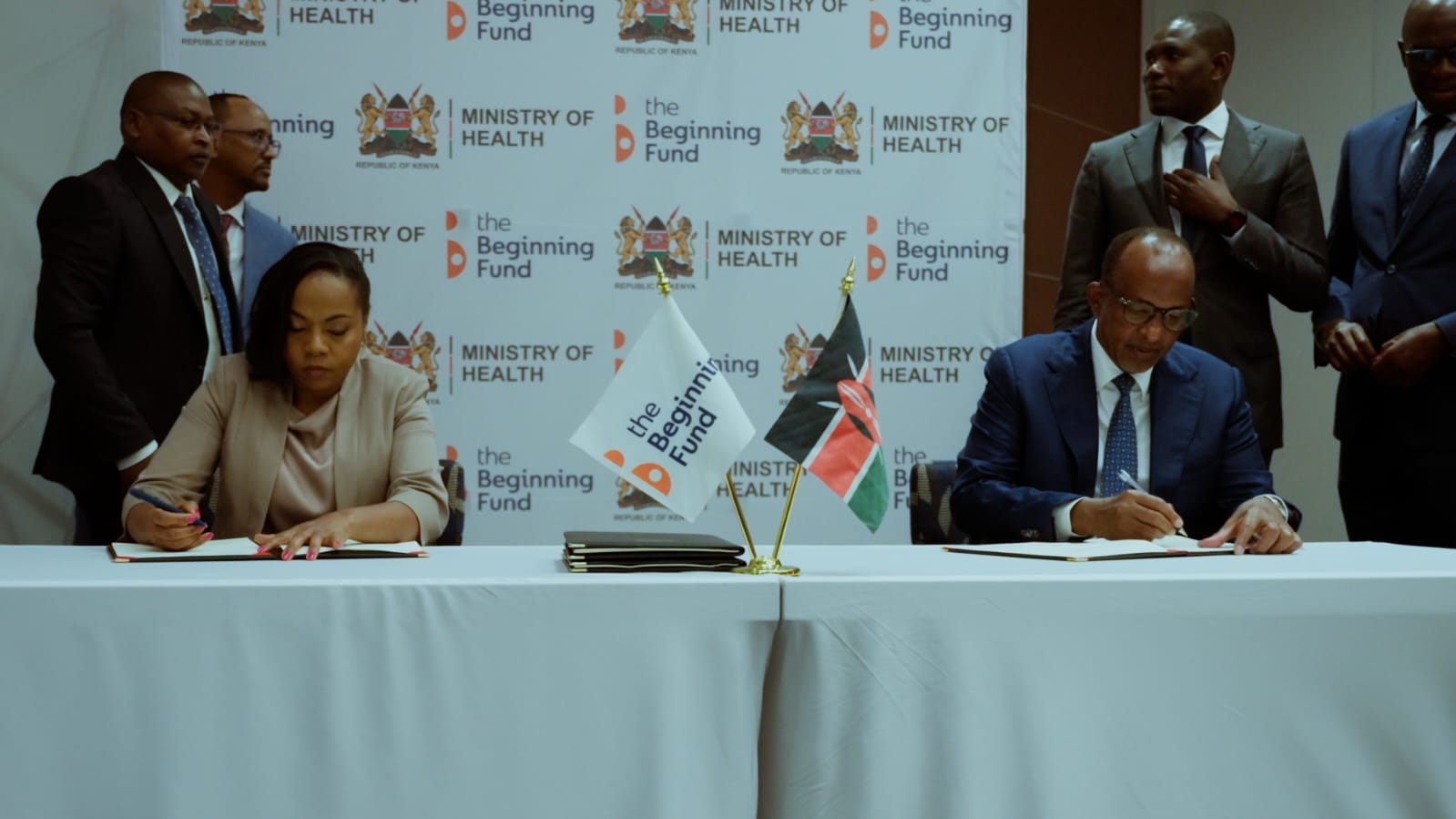
Alice Kang’ethe, CEO of the Beginnings Fund, noted “We are honoured to partner with the Government of Kenya in advancing its vision for maternal and newborn health. At the Beginnings Fund, we believe lasting progress is achieved when governments lead and partners work alongside them. Kenya has demonstrated that commitment by placing mothers and newborns at the centre of its health agenda and bringing together government, counties, health workers, implementing partners and philanthropy around a shared vision. Our role is to provide catalytic support that strengthens the people, products and systems needed to deliver quality care, building on the leadership, expertise and commitment that already exists within Kenya’s health system. We hope this partnership will demonstrate what is possible when governments lead and partners work together to improve the quality of care for women and newborns” said Alice.
The urgency of this mission was echoed by Cabinet Secretary for Health, Hon. Aden Duale, who cautioned that “Frameworks or agreements do not save lives. Implementation does. I therefore urge the Beginnings Fund, implementing partners, and all responsible institutions to move with urgency from signing to execution. Every delayed procurement, every postponed activity, and every missed milestone represent mothers and newborns whose lives remain at unnecessary risk. Our collective responsibility is to ensure that this investment reaches health facilities, health workers, and communities without delay. The measure of success will not be the amount of money disbursed, the number of meetings held, or the volume of reports produced. Success will be measured by reductions in maternal deaths, reductions in newborn deaths, reductions in stillbirths, stronger health systems, and greater public confidence in our healthcare services” said Duale.
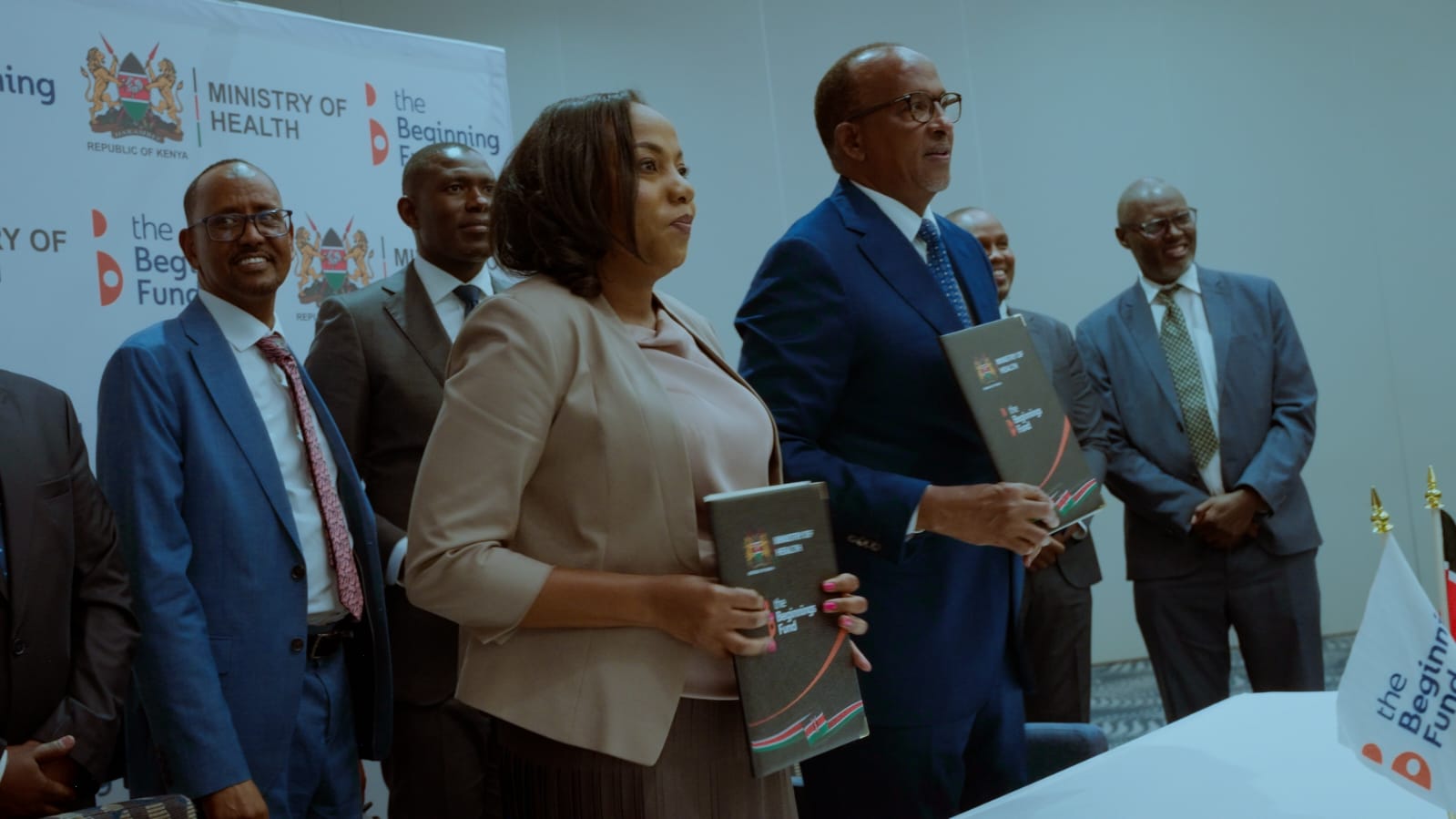
Aligning with Kenya’s Universal Health Coverage reforms and the Every Woman Every Newborn Everywhere (EWENE) Acceleration Plan, the pact moves from policy to the bedside. Dr. Paulin Basinga of the Gates Foundation highlighted this human necessity: “No family should lose a mother or newborn because lifesaving care was too far away, came too late, or remained out of reach.” It is a sentiment that directly mirrors the final, frantic hours of Peninah’s life.
“No family should lose a mother or newborn because lifesaving care was too far away, came too late, or remained out of reach.”
This sentiment was shared by Faustina Fynn-Nyame of CIFF, who added, “No mother or newborn should die from causes we know how to prevent. This partnership marks a significant milestone in Kenya’s efforts to improve maternal and newborn survival.”
Ultimately, the success of this 10.4 billion Shilling investment will not be measured in the boardroom, but in rural delivery rooms. H.E. Dr. Shamma Khalifa Al Mazrouei of the Mohamed bin Zayed Foundation for Humanity summed up the hope this agreement brings, noting that every birth should be a moment of hope, and that by strengthening the workforce and equipping facilities, mothers will receive the care they need when they need it most.
“Every birth should be a moment of hope, yet everyday mothers and newborns die from causes we know how to prevent. By working alongside governments and partners to strengthen the health workforce and equip health facilities… we can help ensure more mothers and babies receive the care they need when they need it most.”
This Cooperative Agreement is more than a formality; it is a promise to the families of Kenya that the systemic silence Peninah encountered will be replaced by a system ready to save. It is a commitment to turning a legacy of loss into a future of survival and hope, ensuring that the next mother finds the open doors and ready equipment she deserves.