|
Getting your Trinity Audio player ready...
|
By Albert Mwangeka
Taita Taveta, Kenya: A panicked flock of rare birds took flight through thick smoke, possibly for the last time as alleged pyromaniacs struck their matches. This destructive behavior is driven by a harmful obsession with setting forests ablaze during dry spells. The resulting infernos inflict immense strain on every living thing reliant on these natural resources, from local communities and wildlife to trees, crops, and micro-organisms.
A trio of forces raging fires, the escalating climate crisis, and entrenched local myths—now endangers the survival of the Taita Apalis bird. Early 2026 brought severe destruction to Taita Taveta County, where nine separate forests were consumed by flames.
The fires wreaked havoc on local ecosystems, destroying vital natural habitats and accelerating the severe impacts of climate change. A key driver behind these blazes was a persistent belief among certain community members that burning forest land would induce rainfall.
“Despite training locals on the benefits of taking care of the environment, there are a few individuals who are against the good work of conservation. The myth that burning forests induces precipitation is misleading and it is making us lose the remaining fragments of forests in the county,” John Maghanga, the Chairman of Community Forests Associations (CFAs) in the county, stated.
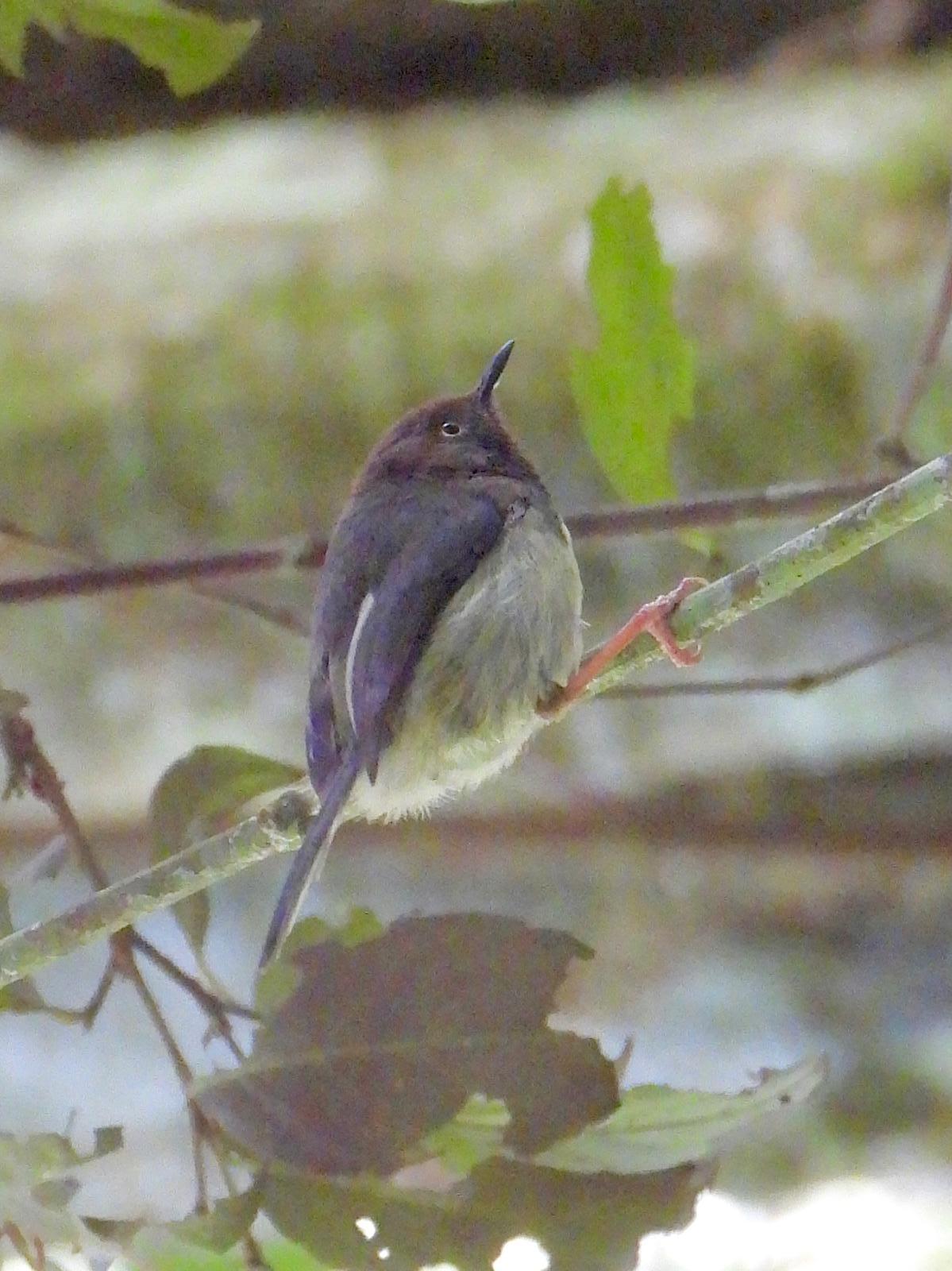
The Taita Apalis, a species found exclusively in the Taita Hills, faces a severe threat to its survival due to recurring infernos. These fires, often ignited because of local traditional beliefs, directly impact the bird’s primary habitat in the Vuria, Iyale, and Ngangao forests.
Because it nests and lives within forest undergrowth, gaps, and edges, the species is especially susceptible to the destructive impact of forest blazes.
Recognizing its vulnerable status, the International Union for Conservation of Nature (IUCN) Red List formally designated the species as endangered. As a vital gauge of global ecosystem health, the IUCN Red List functions as an influential mechanism designed to guide policy decisions, mobilize conservation initiatives, and safeguard essential natural resources.
“During the infernos, due to habitat loss, the birds had to forcefully migrate to other areas for survival. This poses a danger as they only feed and breed at specific points. Repeated fires can push the bird to extinction as they will lack an ecosystem that supports their optimal thriving,” said Peter Sowa Kafusi, a field research assistant at the University of Ghent and Salzburg University.
Ernest Mwawasi, the Chairman at Vuria CFA, who recorded 3 lost bird territories, added that nestlings cannot protect themselves from fires.
“Also, the adult birds get strained as they feel unsafe in a place they regard as home. When they flee for their safety, we are not sure if they will come back later for their hatchlings. It is even worse when nests have eggs since they will simply be destroyed, thereby placing this unique species at a bigger risk of extinction,” Mr. Mwawasi asserted.
Marilyn Mwadime, who has lived adjacent to Vuria Forest for about 30 years, is worried that if the bird dies out, future generations would be robbed of the chance to marvel at these feathered friends in real life.
The world would also lose one of its rarest birds and they will be drafted in history just as the dinosaurs.
Mr. Maghanga, who lives near Ngangao Forest, noted the population of the rare birds was estimated at 200 before the blazes, but after decimation of the forests the number dwindled to 151.
Climate Change: The reason the birds fly in fright
County Forester Silvester Mwang’ombe revealed that climate change further endangers the bird’s survival as this phenomenon causes prolonged drought, which adversely affects food security, as well as their feeding and mating grounds.
“The rising temperatures create harsher conditions for the endemic bird,” he added.
These changing conditions compel the birds to relocate to inhospitable habitats. Rising temperatures put these species under severe thermal stress, rendering them vulnerable to heatwaves, given their natural adaptation to cooler climates.
Additionally, “Climate-driven disruptions deplete the availability of insects essential for feeding young hatchlings. Compounding these climate pressures, forest fires exacerbate the crisis by releasing substantial amounts of greenhouse gases into the atmosphere” he said.
Mr. Maghanga noted that these climate emergencies tend to reverse the conservation efforts implemented as restoring their habitats can be an uphill task.
“The fire breakouts were very disheartening, and this was a signal to rally community members to embark on serious landscape restoration,” the Ngangao CFA Chairman added.
Fighting Misleading Traditions Restoring Ecological Health to Save Apalis
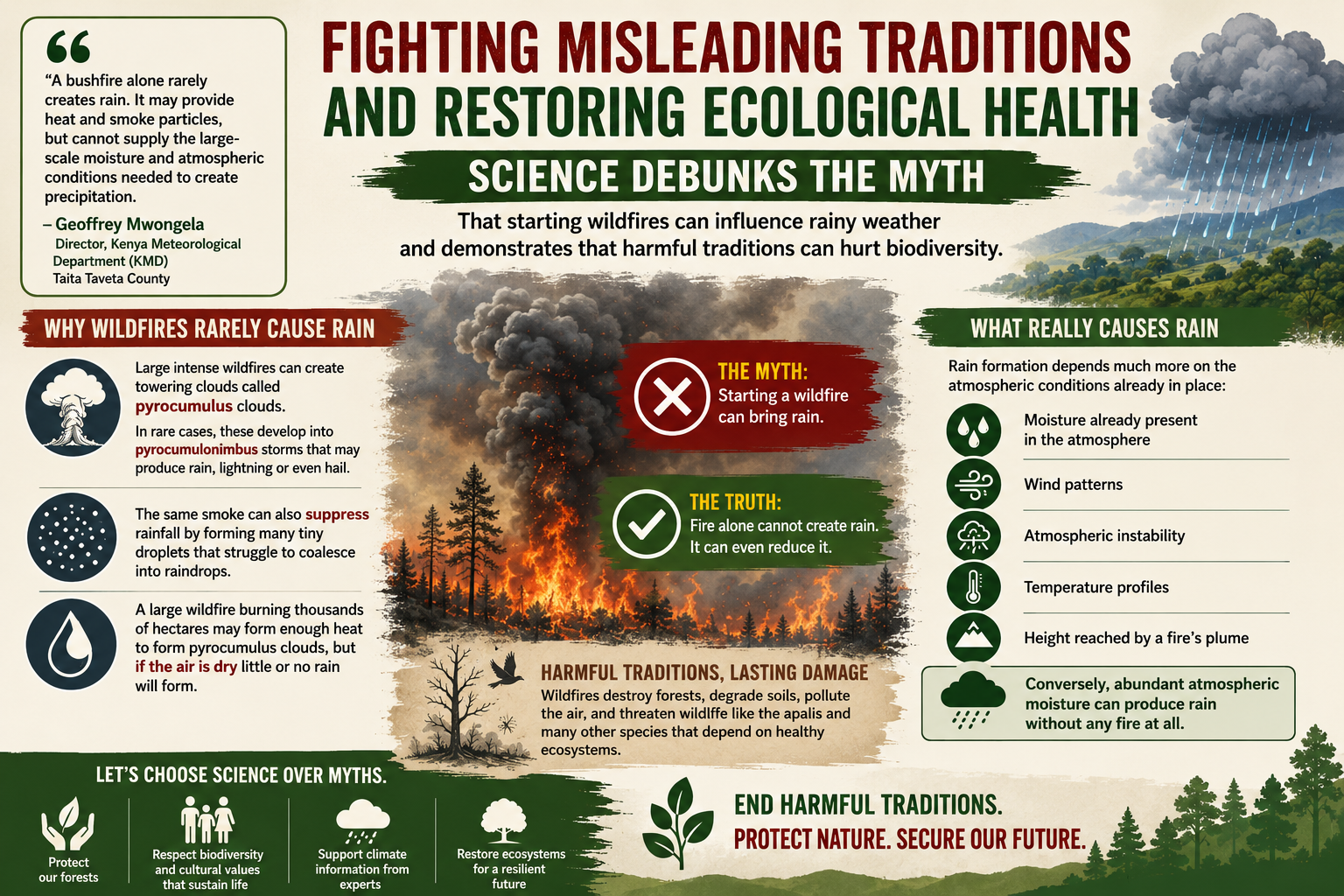
Geoffrey Mwongela, Director of the Kenya Meteorological Department (KMD), Taita Taveta County, voiced that starting forest fires is not a predictable way to induce rain.
“A bushfire alone rarely creates rain. It may provide heat and smoke particles, but cannot supply the large-scale moisture and atmospheric conditions needed to create precipitation.”
Mr. Mwongela added that large intense wildfires can create towering clouds called pyrocumulus clouds. “In rare cases, these develop into pyrocumulonimbus storms that may produce rain, lightning or even hail. The same smoke can also suppress rainfall by forming many tiny droplets that struggle to coalesce into raindrops.”
Rain formation depends much more on moisture already present in the atmosphere, wind patterns, atmospheric instability, temperature profiles and height reached by a fire’s plume.
A large wildfire burning thousands of hectares may form enough heat to form pyrocumulus clouds, but if the air is dry little or no rain will form.
“Conversely, abundant atmospheric moisture can produce rain without any fire at all,” he asserted.
This debunks the myth that starting a wildfire can influence rainy weather and demonstrates that harmful traditions can hurt biodiversity.
Fact check graphics debunking the myth that forest infernos attract rain
Research assistant Mr. Sowa, who is under the Project Placid Greenbulls, cautioned that if misleading cultural practices, such as starting forest fires are to be followed to trigger downpours, then there would be no need to adhere towards such customs.
On the other hand, meteorologist Mr. Mwongela added that cultural knowledge can be responsibly merged with science to forecast weather.
“I have heard in the olden days here in Taita Taveta, there used to be traditionalists who employed cultural practices to predict the weather. They would slaughter animals like goats and sheep and use their intestines to forecast drought and rainfall and their intensity,” he advised.
KMD is collaborating with Indigenous Technical Knowledge (ITK) experts, and the meteorologist reaffirmed that their collaborators can forecast accurately after monitoring behaviours of trees, insects, pests, and animals.
Mr. Mwang’ombe advised further on alternative ways of predicting weather patterns by observing the flowering of some plant species which determine if a dry or wet season is forthcoming.
Through the County Government of Taita Taveta, he has created awareness to around 600 community members on the importance of conserving biodiversity and trained 9 CFAs.
This was a UK-PACT-funded initiative conducted collaboratively by CIFOR-ICRAF, the African Wildlife Foundation (AWF), the Food and Agricultural Organization of the United Nations (FAO), and the County Government of Taita Taveta.
“This instilled an overall sense of responsibility and sought to protect endangered species like the Taita apalis, among many more,” Mr. Mwang’ombe added.
Policies are vital to guide biodiversity conservation, and the county is working with The Nature Conservancy (TNC) on the Forest Policy and Bill.
According to the County Executive Committee Member in charge of Water, Sanitation, Environment, Climate Change and Natural Resources, Grantone Mwandawiro the finalisation of the documents needs to be fast-tracked.
“This will be a first-ever since the inception of devolution, which was over a decade ago. The blueprints will assist in strengthening ecological health as well as protecting endangered species. This is because they will drive community-led conservation, institutionalise CFAs, attract finances, boost partnerships, as well as restore and preserve wildlife corridors.”
Echoing these sentiments, John Mlamba, the County’s Director of Climate Change, emphasized that the forthcoming County Climate Information Systems (CCIS) is designed to bridge scientific data with indigenous knowledge.
Supported by the World Bank’s Financing Locally-Led Climate Action (FLLoCA) program, this early warning initiative aims to deliver trustworthy weather and climate updates to local communities, drive data-backed restoration, facilitate evidence-based habitat conservation, and sustain local livelihoods.
These climate action activities aim to boost ecological health and conserve biodiversity, hence enabling the survival of diverse species.
Community-Led Conservation Action
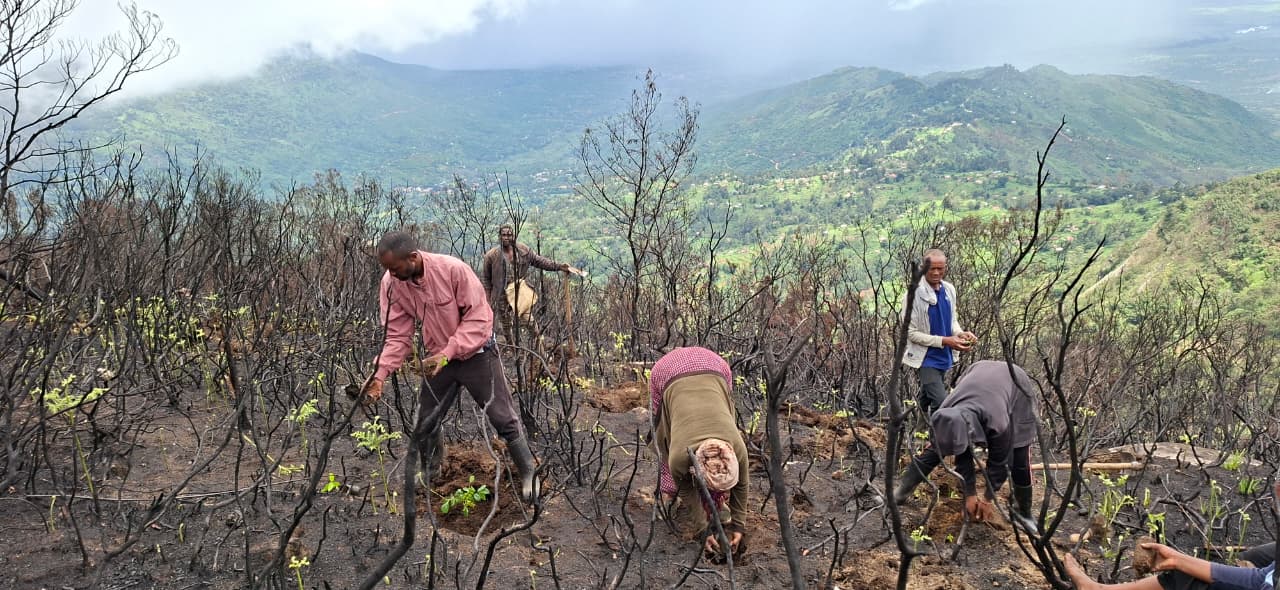
Mr. Mwawasi, a local youth residing near Vuria Forest, is at the forefront of this restoration movement. Beyond fighting on the frontlines to construct firebreaks that contained the inferno, he took the initiative to rehabilitate an ecosystem he views as an irreplaceable natural treasure.
His primary motivation stemmed from the harrowing sight of birds fleeing the raging flames, leaving behind damaged eggs and deserted nests. Mr. Mwawasi collected some of these abandoned nests to keep as a poignant reminder of the urgent responsibility to protect this critically endangered species from extinction.
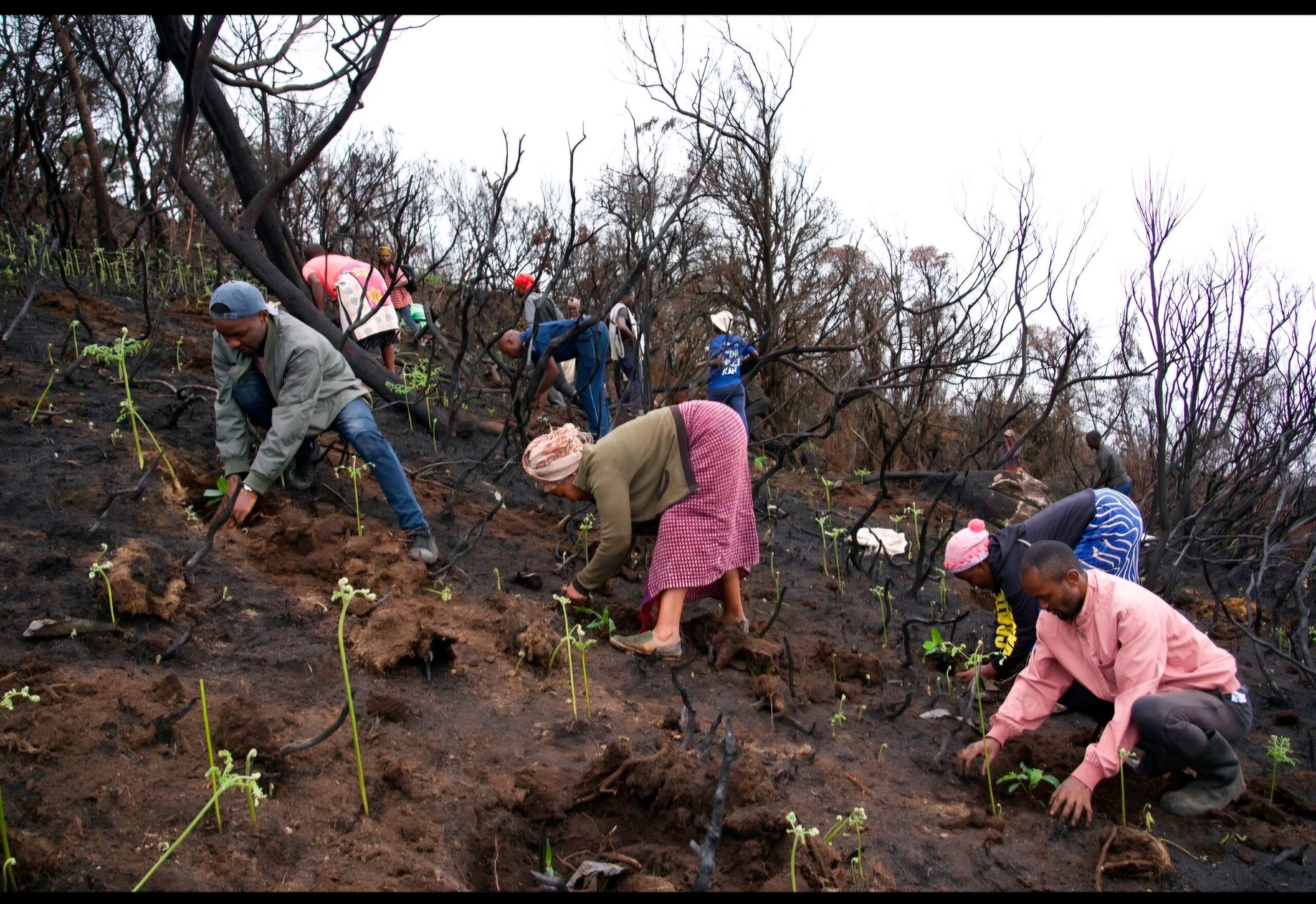
Supported by AWF and funded by the Embassy of Sweden in Kenya, the restoration initiative engages a diverse group of stakeholders, including youth, women, elders, and persons with disabilities (PWDs). Through this collaborative drive, over 100 community members joined forces to plant more than 2,500 native trees, actively repairing the degraded landscape.
“The Taita apalis is found nowhere in the globe apart from these forests, and the world is watching us. We are proud to conserve this creature. The bird attracts the attention of researchers, as well as local and international tourists. Findings from the research can offer the bird a lifeline while adding to the body of knowledge. Ecotourism, on the other hand, has a great potential to create green jobs and strengthen community resilience, “reaffirmed Vuria’s youth Chairman.
Community member Ms. Mwadime who believes burning forests to induce rain is a fallacy, takes pride that the Taita apalis is only found in her home area.
“It will be disheartening for the bird to be extinct, we can lose visitors who come for birdwatching. One of the revenue streams of Vuria CFA is ecotourism which allows for conservation and sustainably monetizing forest and forest products. Women too, we have a role in landscape restoration. We are growing indigenous trees, and guarding our forests from illegal logging. We need to obtain cleaner alternative energy sources like biogas at subsidised prices. Overreliance on firewood causes felling of trees, which destroys forests and habitats,” she said.
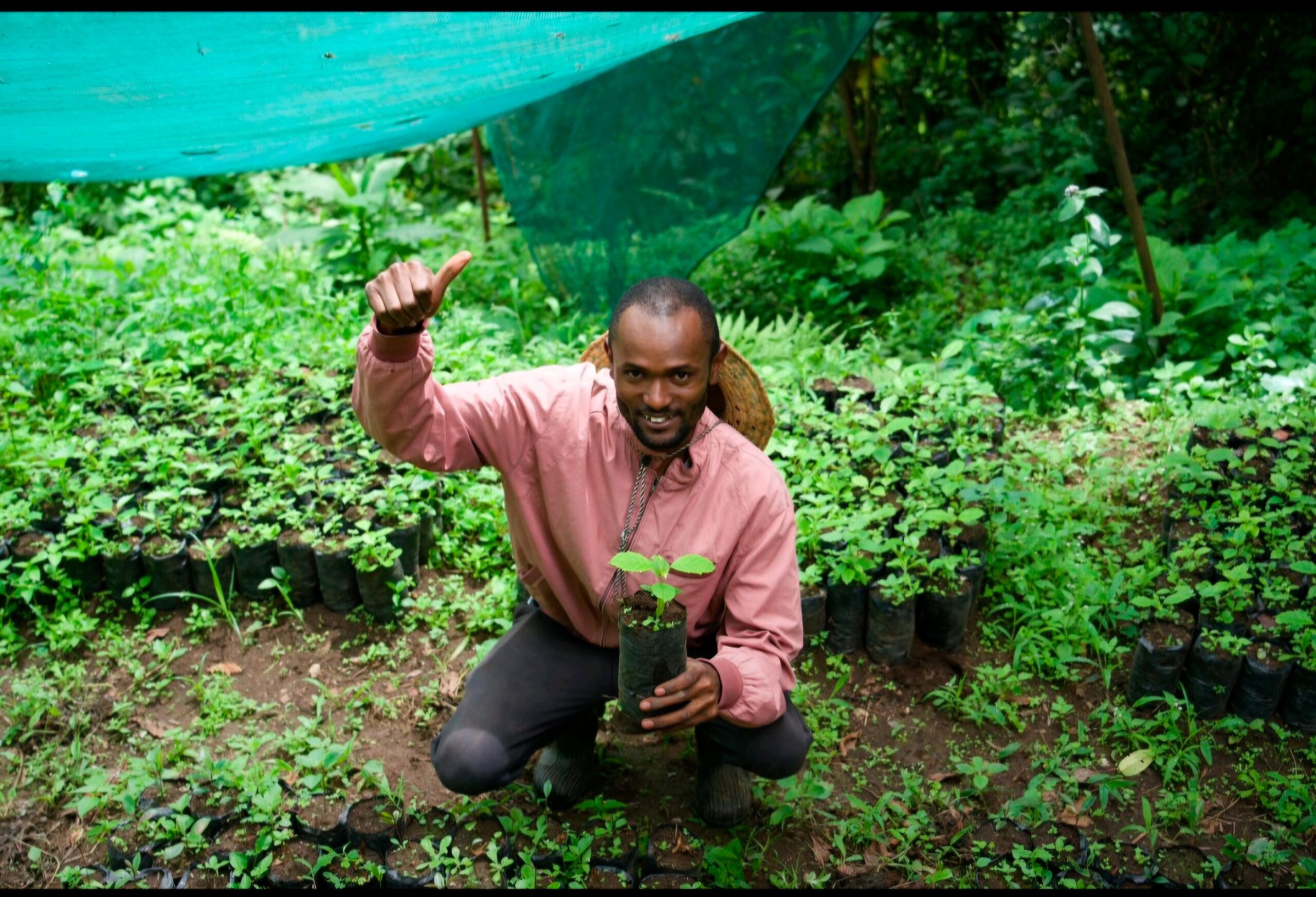
The bird plays an important role in pollination, which boosts the genetic diversity of plants, food security and nutrition. Its presence boosts the genetic value of an ecosystem. Since it is an insectivore, it acts as a natural pest control.
Taita Taveta Forest fires 2026: A recap
Between late January and late February 2026, the County experienced a series of devastating forest fires where the infernos affected multiple forest ecosystems, including Mwambirwa, Sagala, Kitobo, Ngangao, Irizi, Kinyeshamvua, Kasigau, Iyale, and Vuria.
Reliable sources indicate that fires were primarily human-induced; however, some significant natural causes were blamed for this crisis.
Illegal activities such as logging, charcoal production, pole harvesting, and deliberate starting of fires to conceal evidence of illegal charcoal burning were also uncovered. In areas adjacent to Kitobo Forest, farmers practised uncontrolled agriculture as they burned land without proper buffers.
Lightning struck Kasigau Forest whereby this natural cause was expected due to increased climate variability.
Traditionalists allegedly used their indigenous knowledge to encourage forest fires with the belief it provoked precipitation. This is despite the fact that the weatherman had predicted showers.
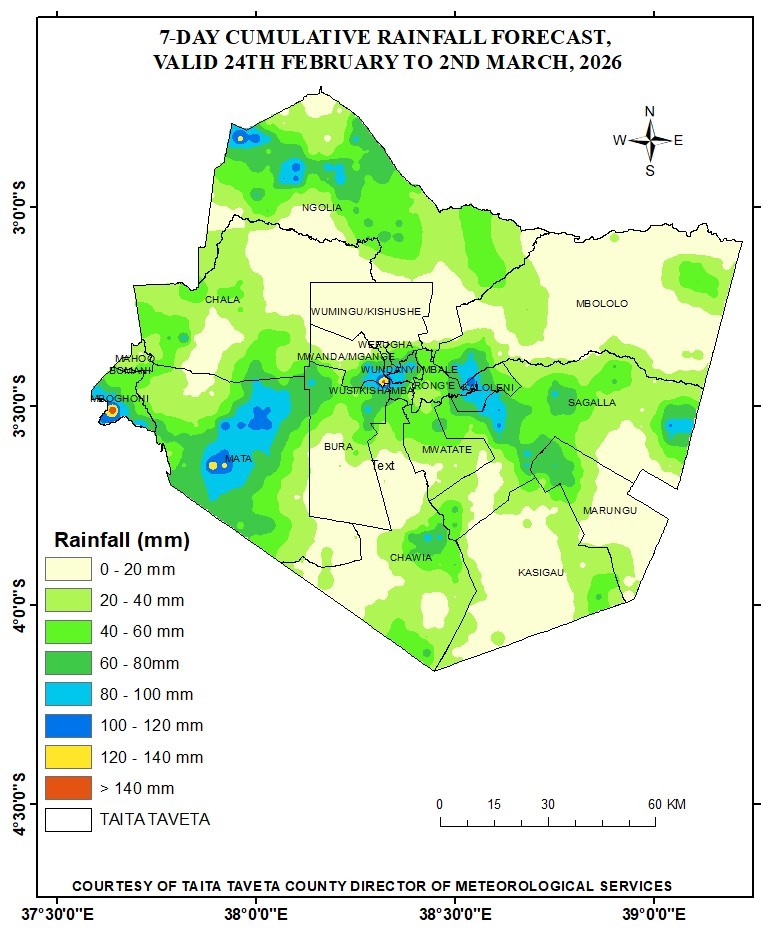
“The county is expected to experience generally dry conditions for most of February but occasional light rainfall was predicted to occur over a few isolated areas, with rainfall amounts likely to be low and sporadic. For the February- April outlook, few areas may experience occasional light rain days during the forecast period. March is expected to mark the onset of the rainfall season over several parts of the county, while April is anticipated to represent the peak of the season, with more widespread and enhanced rainfall distribution,” the forecast released in January read.
The occurrence of the forest fires, which appeared coordinated, calculated, and malicious too, destroyed hundreds of hectares of forest cover. The fires also damaged water catchments, caused soil degradation, and substantial socio-economic losses.
A multisectoral approach was reached upon to extinguish the fires. The committee comprised CFAs and local community members, with crucial support from the Kenya Forest Service (KFS), Kenya Wildlife Service (KWS), the David Sheldrick Wildlife Trust (DSWT), and the County Government.
Although the fires were successfully extinguished, the endemic and endangered nature of the Taita apalis still needed urgent action.
Donor partners worked with CFAs, the county government and locals to collaborate on restoring the bird’s habitat.
During a community baraza dubbed “Ugatuzi Mashinani”, an event that encourages discourse between grassroots communities and the Executive, the Deputy Governor H.E. Christine Saru Kilalo remarked,
“I am calling for collective responsibility. Everyone should task themselves to protect the county’s forests in a bid to curb the fires. We all need to embark on the county tree-growing campaign that requires every resident to grow at least 100 trees annually for the next decade” said Saru.
The 10-year blueprint seeks to grow 360 million trees by 2032 in a bid to boost forest cover from 3.41% to 10%, and increase tree cover from 6.87% to 30%. Ultimately, this will help restore habitats and reverse the effects of climate change.
“The habit of saying that ghosts start the wildfires must stop. It is humans causing this havoc,” she concluded.
Saving the Taita Apalis
The bird risks being a victim of climate variability if stringent action is not taken. For future generations, the loss will mean having to get a glimpse of these plumed creatures through photographs, museum collections, fables, and post office stamps if they will be usable in days ahead.
On top of embarking on Kenya’s ambitious goal of growing 15 billion trees by 2032, locals need to make a decision to be guardians of their forests. This will ensure sustainable conservation and protection of the fragile natural habitat so that the bird continues singing and chirping.