|
Getting your Trinity Audio player ready...
|
By Winnie Kamau
Nairobi, Kenya: East Africa’s farmers are demanding a shift from policy promises to measurable action as governments and regional institutions begin implementing the Comprehensive Africa Agriculture Development Programme (CAADP) Kampala Declaration, warning that agricultural transformation will mean little if it does not improve the lives and livelihoods of smallholder farmers.
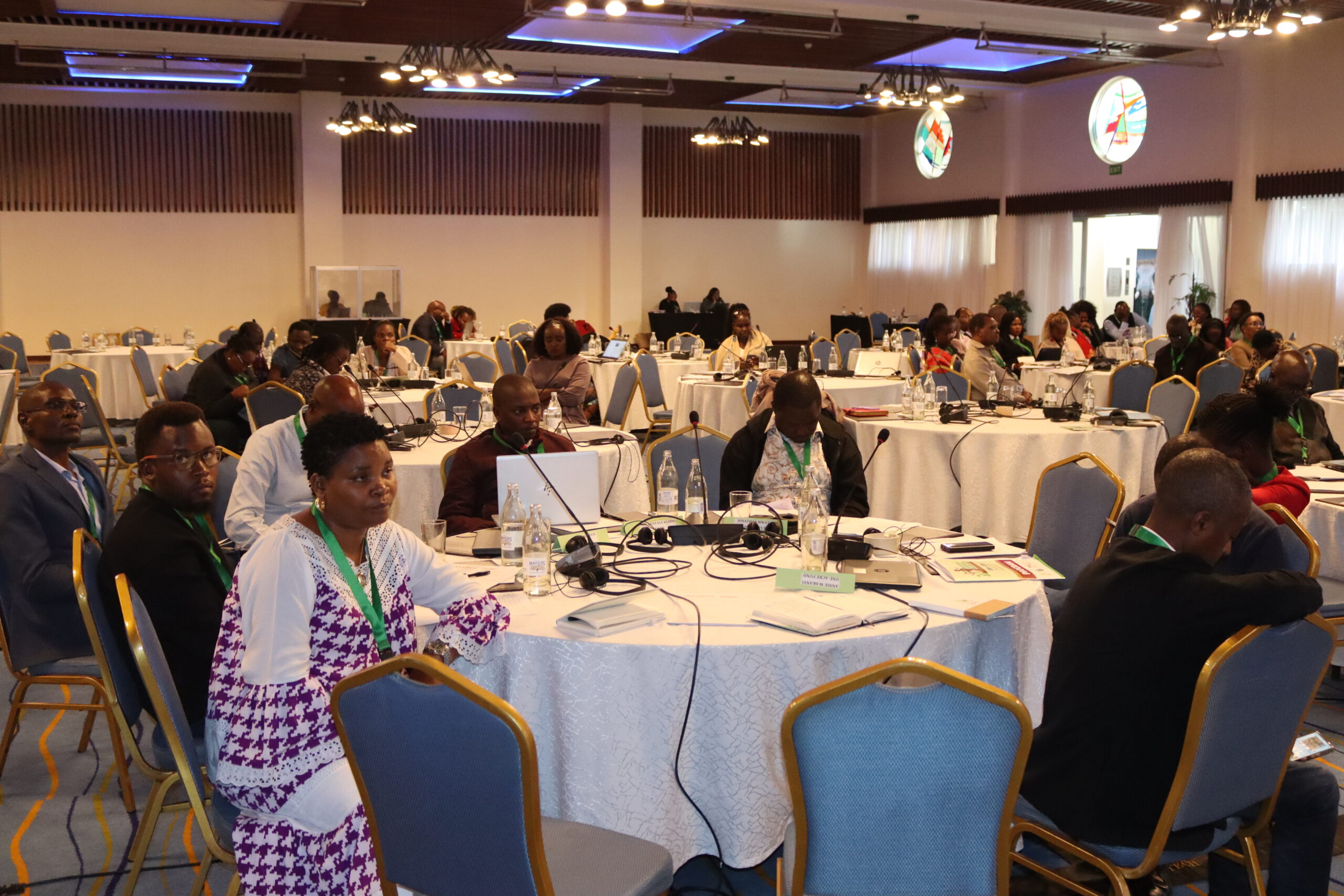
The call emerged during a two-day East Africa Farmers Federation (EAFF) workshop on the implementation of the Kampala Declaration and climate change processes, which brought together farmer organizations, government representatives, regional institutions, development partners and technical experts to examine how farmers can play a more central role in Africa’s new agricultural transformation agenda.
Opening the discussions, EAFF President Elizabeth Nsimadala said the success of the Kampala Declaration would ultimately be judged not by the number of policies produced, but by whether farmers experience tangible improvements.
“The real test begins now. The fundamental question that we should ask ourselves is: what change will we see in the lives of farmers?” Nsimadala said.
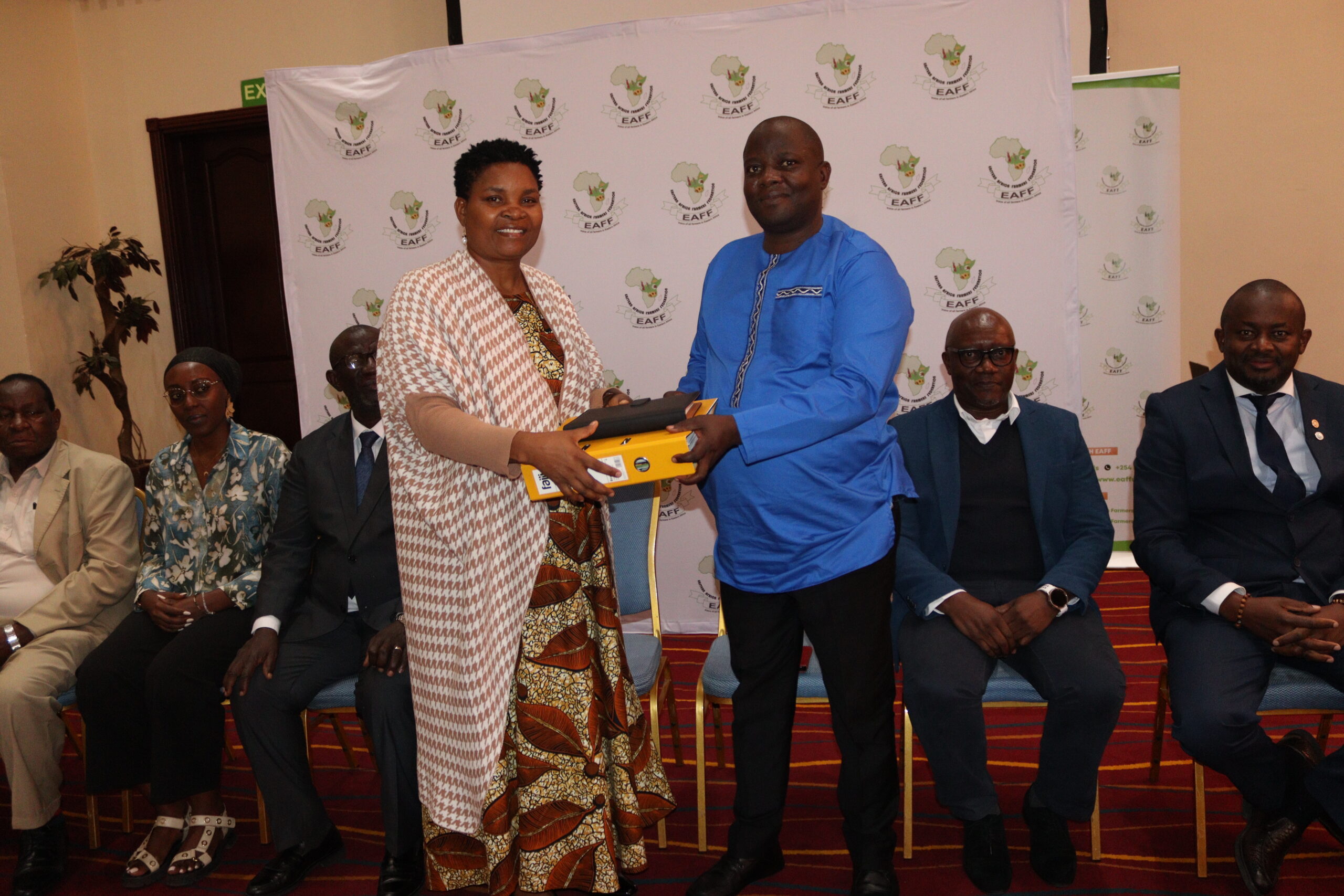
She urged governments and development partners to adopt what she described as a “business unusual” approach, arguing that Africa must turn its enormous food import bill into an opportunity for local farmers and agribusiness.
For Nsimadala, farmers cannot remain on the sidelines of implementation.
“Farmers organizations are not merely consulted but [must be] recognized as strategic partners in policy design, implementation, monitoring and outreach efforts,” she said.
From Kampala to the Farm
The Kampala Declaration provides a renewed continental framework focused on sustainable production, food and nutrition security, climate resilience, investment, agricultural industrialization and intra-African trade.
But participants warned that Africa has heard similar commitments before.
Billy Omboki Ratemo of AUDA-NEPAD said the continent must find ways of unlocking its enormous agricultural potential, particularly given its large and growing youth population.
“The challenge therefore is not one of potential, but how do we unlock this potential?” Ratemo asked.
He said the answer lies in coordinated and inclusive action, with farmers at the centre of the food-systems approach.
“CAADP has the food systems approach and has farmers at the centre. Without farmers, actually CAADP cannot exist,” he said.
The message was echoed by Dr. Paul Guthiga of AKADEMIYA2063, who urged farmer organizations to move beyond simply attending consultations and become active participants in shaping implementation.
“It’s not baking, right? It’s actually being in the kitchen making the cake,” Guthiga said, stressing that farmers must be involved in the process rather than merely invited to endorse decisions already made.
Climate change: Farmers are already paying the price
Climate change emerged as one of the most urgent concerns during the workshop, with participants pointing to droughts, floods, changing rainfall patterns, declining soil fertility and rising production costs as increasingly affecting agricultural livelihoods.
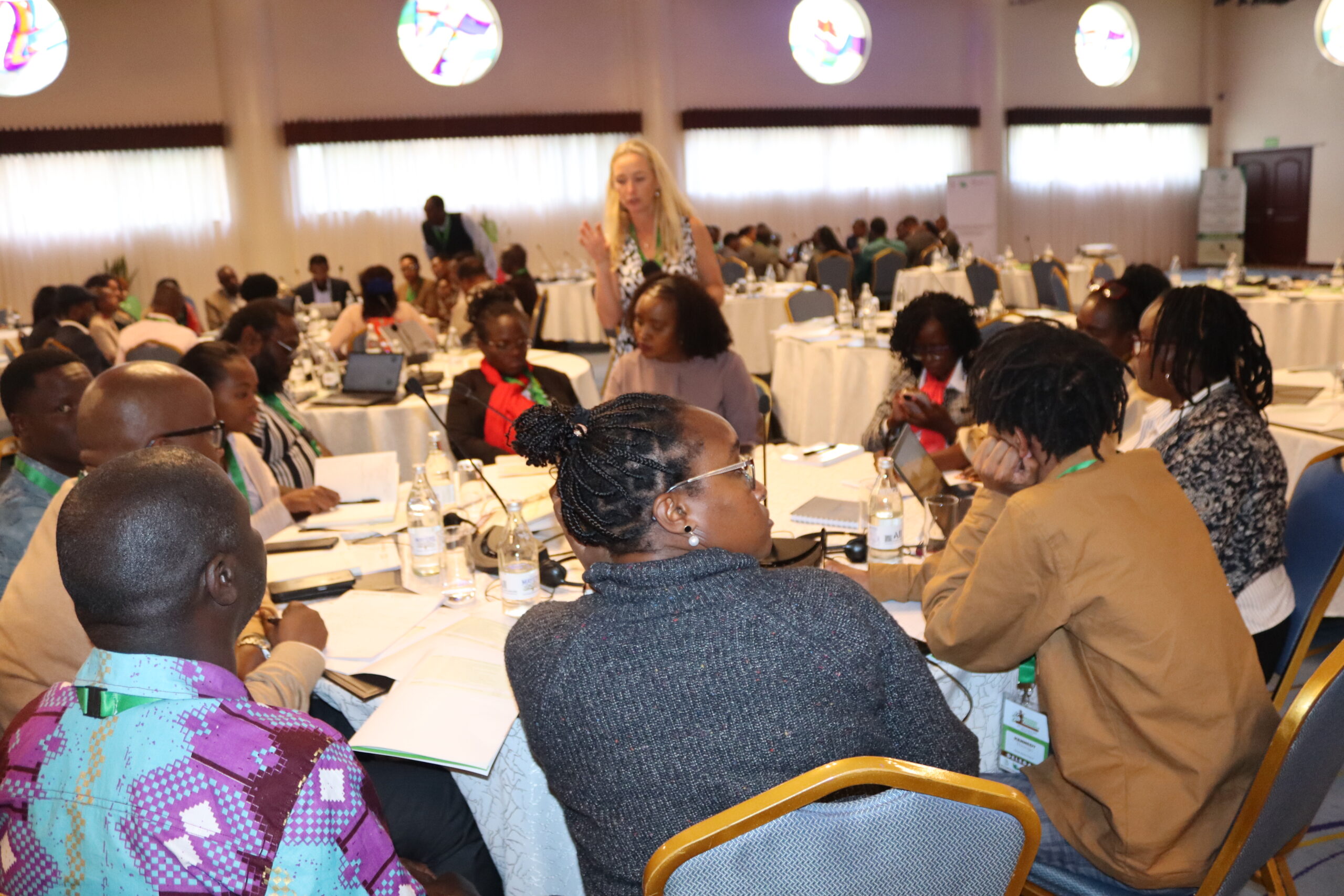 Nsimadala said climate change could no longer be treated as a distant environmental issue.
“It’s no longer a distant concern. It is one of the most important challenges facing the farmers we represent,” she said.
She called for farmers to be involved in the development of Nationally Determined Contributions (NDCs), National Adaptation Plans and national and regional climate strategies, arguing that climate policies must respond to realities on farms.
“Climate policy must respond to the realities that we are facing as farmers,” she said. “Farmers [must be] recognized as key partners in the ecosystem and as part of the solutions, not just recipients of handouts.”
The Data is Growing So is the Accountability Question
Dr. Sylvia Henga of IGAD challenged participants to confront a difficult question: Africa has collected enormous amounts of data and produced countless strategies, but are those resources actually driving action?
The region, she noted, continues to face severe food insecurity, with more than 63 million people food insecure in the IGAD region, according to figures cited during her presentation.
“What are we doing with all this information? How is early action happening?” Henga asked.
Her challenge was directed at governments, development partners, researchers and farmer organizations alike: climate forecasts, early-warning systems and other data must result in decisions that help farmers prepare before crises occur.
“Are we still going to report the losses? … The question remains, what are we doing today?” she asked.
Regional Markets hold untapped Potential
The workshop also examined the role of regional trade in transforming agriculture.
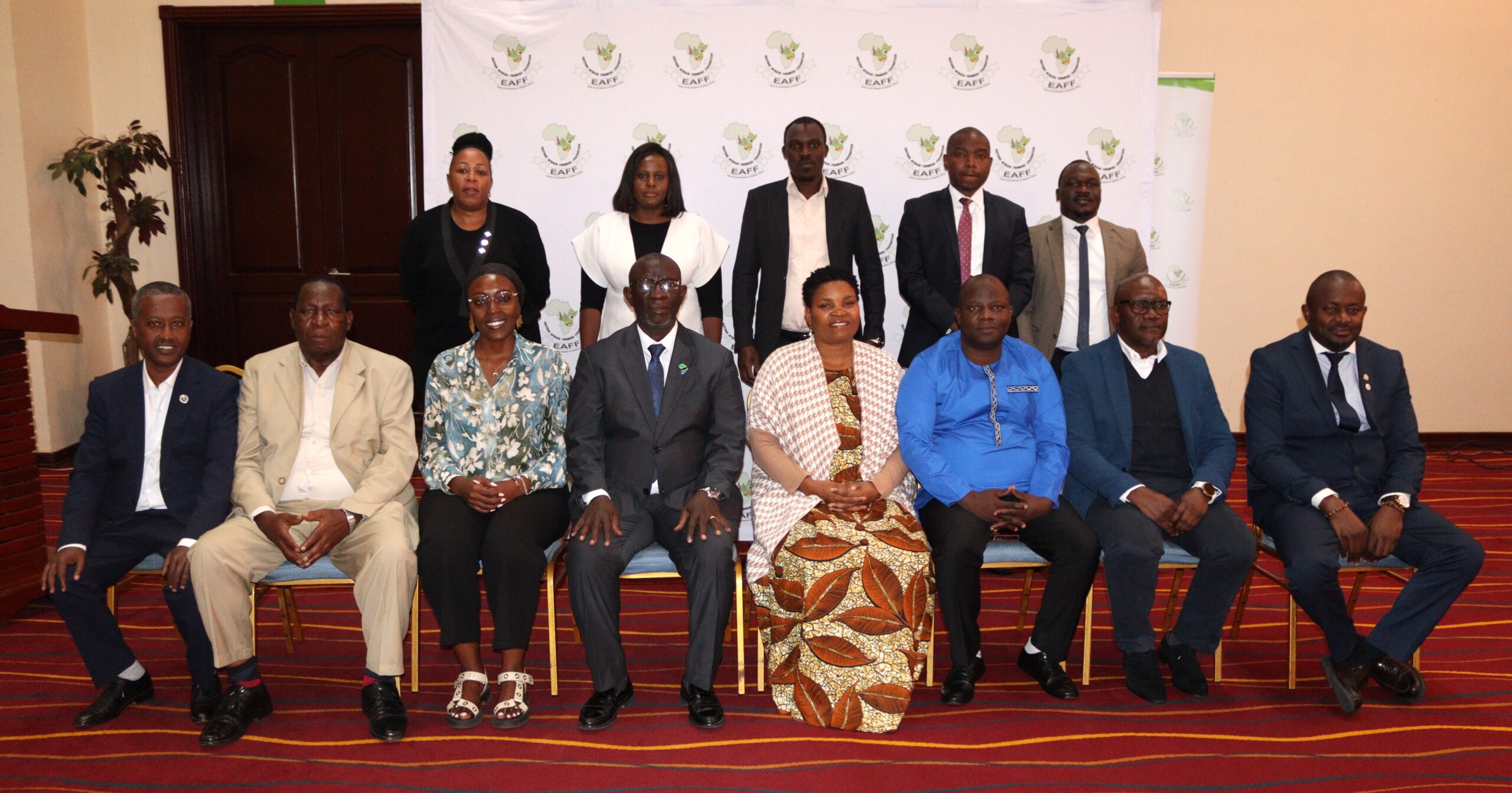 David Wafula of the East African Community (EAC) outlined the region’s efforts to strengthen agricultural integration through the Regional Agriculture and Food Systems Investment Plan, aligned with the Kampala Declaration.
The EAC, comprising eight partner states and a population of approximately 300 million people, is seeking to deepen agricultural trade by addressing barriers, improving standards and strengthening regional value chains.
Wafula said farmers’ organizations have an important role to play in ensuring that regional policies reflect the realities of producers.
“There are specific areas where I think we can do more,” he said, pointing to public hearings, high-level policy advocacy, increased agricultural expenditure and monitoring implementation.
Climate Finance Must Reach Farmers
The workshop also focused on the challenge of accessing climate finance. Mr. Nallan Gathee, speaking on climate finance, explained that farmer organizations can play an important intermediary role in connecting farmers with available funding.
He noted that while climate finance increasingly recognizes the importance of adaptation, funding remains disproportionately focused on mitigation.
“That adaptation, which is very related to agriculture, is where we have quite a lot of challenges, especially when it comes to funding,” Gathee said.
Participants argued that climate finance must move beyond large projects and reach the farmers who are already experiencing the effects of climate change.
From Good Policies to Collective Action
For Kennedy Okech, Senior Technical Advisor at GIZ, the challenge is no longer a lack of policies or strategies. The challenge is turning collective knowledge into collective action.
“I would like this workshop to be more honest about where we are, where we connect with the people, so we can pass the knowledge but also turn our collective intelligence into collective action,” Okech said.
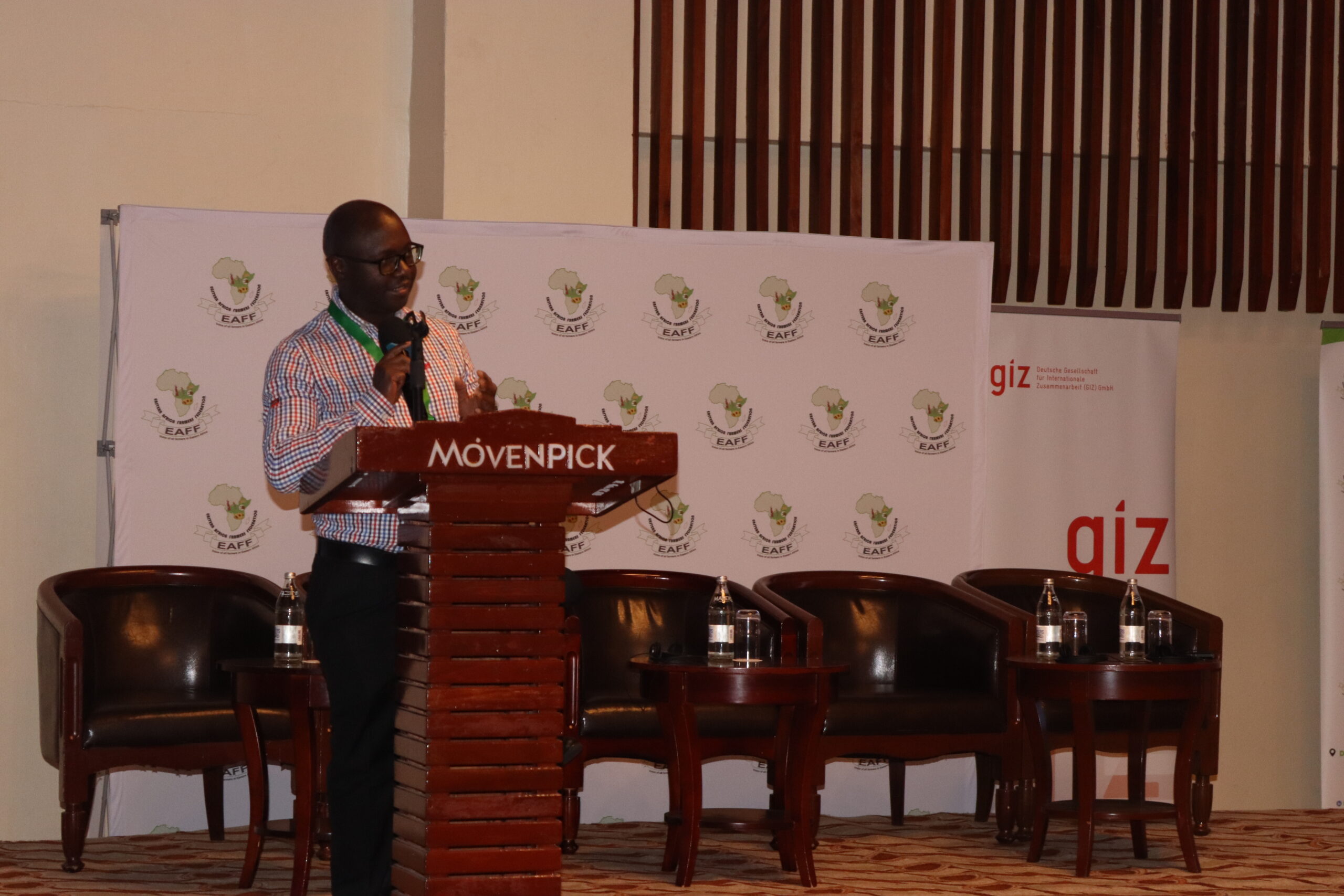
He called for stronger coordination among governments, farmers, development agencies, researchers, private sector actors and other stakeholders.
Okech also stressed that agricultural transformation must be understood as a system rather than as a collection of isolated interventions.
“Complex problems are not solved by one institution,” he said. “Our collective action is therefore … to move from asking what can [an] institution do to asking what needs to be done across the system.”
The Question now is Implementation
As the two-day workshop closed, one message stood out: the Kampala Declaration must move from conference rooms to farmers’ fields.
For EAFF, this means strengthening farmer organizations, improving access to markets and finance, investing in climate resilience, embracing innovation and ensuring that women and young people have a meaningful role in agricultural transformation.
For governments and regional institutions, it means translating continental commitments into national policies, budgets, investments and measurable results.
And for farmers, it means claiming a seat at the table where those decisions are made.
As Nsimadala put it “The Kampala Declaration must not remain a presentation in our conference rooms. It must become a reality in our farmers’ fields.”
The next test for the Kampala Declaration is therefore not whether Africa has another declaration. It is whether the farmer in the field can feel the difference.