|
Getting your Trinity Audio player ready...
|
By Gideon Mutembei
Nairobi, Kenya: Kenyan journalists marked the International Day to End Impunity for Crimes Against Journalists confronting not only physical danger in the field, but also pervasive economic impunity within their own newsrooms.
The recent findings from the State of Journalists’ Welfare Survey, conducted by the Kenya Union of Journalists (KUJ) and the Media Council of Kenya (MCK), illustrated that impunity in the country manifests in multiple forms.
Its most visible dimension includes reporters being assaulted while covering protests, having their equipment destroyed, being coerced into erasing footage, enduring online harassment, and seeing their cases routinely languish without reaching prosecution.
The event highlighted that threats facing journalists stem not only from criminals and government agencies, but also from individuals bankrolled by politicians specifically to target those reporting on public interest issues.
“It’s so bad some of our enemies are professionals in this field and they are also accredited by the Media Council of Kenya but decided to act otherwise” said Rebecca Mutiso Manager,Press Freedom and Advocacy Media Council of Kenya.
Economic Impunity represents a third, more pervasive yet quiet dimension uncovered by the Welfare Survey: 76.7% of journalists operate without personal accident or life insurance, 36.7% lack medical coverage, 55% work without permanent employment contracts, and 52% earn less than KES 50,000.
The world is failing to protect journalists.That was the stark message in Nairobi recently as UNESCO, the Media Council of Kenya (MCK), the Office of the Director of Public Prosecutions (ODPP), Kenya Editors Guild (KEG), Kenya Union of Journalists (KUJ) Association of Freelance Journalists (AFJ) joined other media organizations to mark the International Day to End Impunity for Crimes Against Journalists.
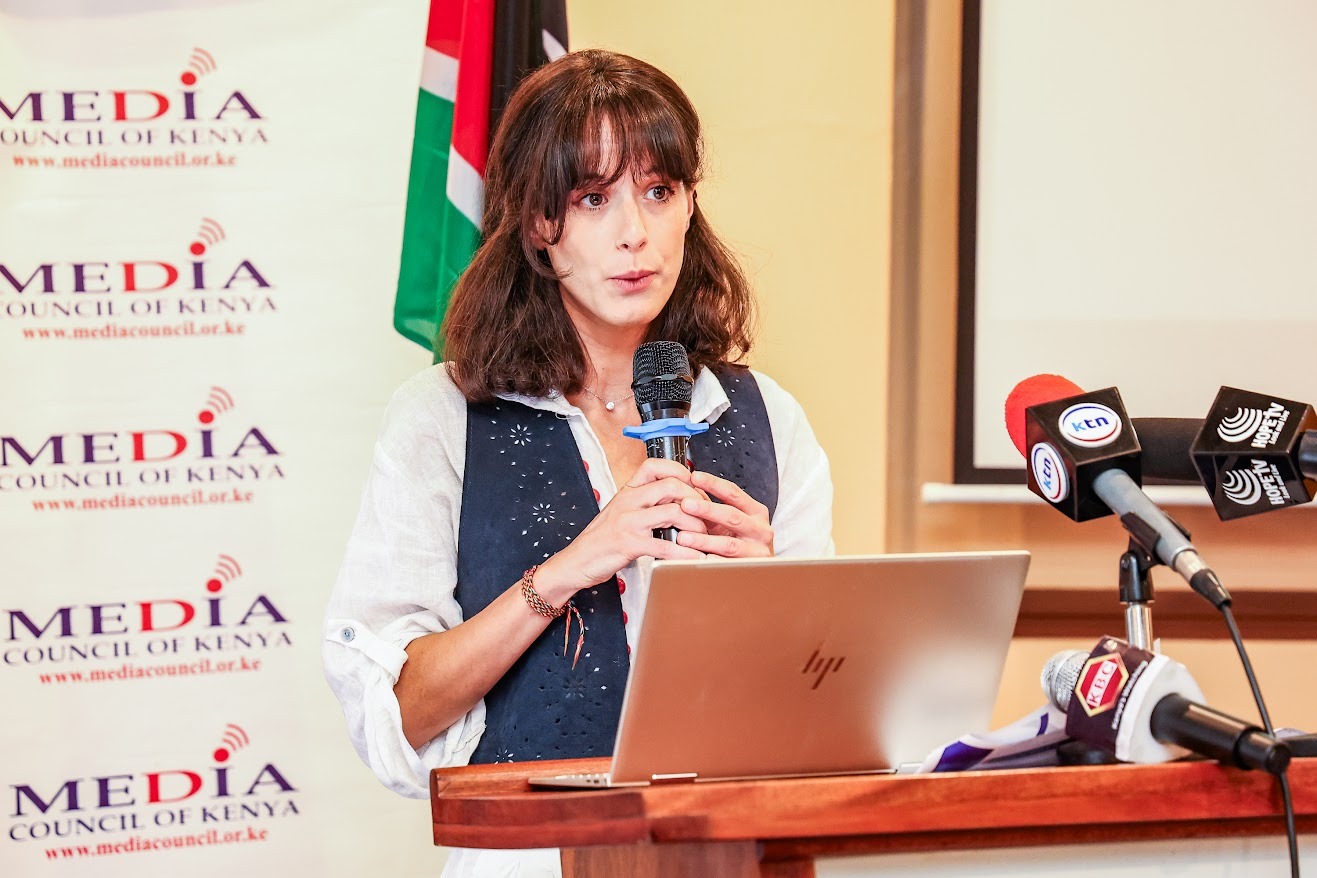
“Today, we gather to remember, reflect and, most importantly, to act. We remember the journalists who have paid with their lives, their freedom and their safety to keep open our window to the truth,” said the UNESCO representative, Lea Simanini at the event.
Beyond killings, the threats have mutated with speakers noting that online harassment, surveillance, physical attacks and legal intimidation are designs employed to silence journalists.
“Journalism remains an indispensable pillar of democracy, no journalist should be assaulted, intimidated, threatened or obstructed for performing legitimate professional duties,” said Jacinta Nyamosi, Office of the Director of Public Prosecution (ODPP) citing Articles 33, 34 and 35 of the Constitution.
During the Commemoration, participants were reminded of a painful reality where Journalists continue to face attacks, threats, intimidation and harassment simply for doing their jobs.
“Behind every camera, microphone and byline is a human being, a mother, a father, a son or daughter. Someone with a family waiting for them to return home. When a journalist is attacked, a life is endangered, a family is traumatized, and sometimes a livelihood is destroyed” said Zubeida Kananu, Kenya Editors Guild President.
The Media Council of Kenya has documented 45 cases involving attacks and threats against journalists as we approach the 2027 General Election.
Followup for Journalists
The Kenya Editors Guild made a follow up to the Inspector General of Police and the Independent Policing Oversight Authority, requesting a status report on investigations into attacks against journalists, particularly during political events, requesting to know
“How many cases have been investigated? How many have been forwarded for prosecution? What action has been taken? And what justice and remedies are available to those injured or whose equipment was destroyed?” asked the KEG President.
To effectively safeguard media workers, speakers emphasized the need to establish clear operational guidelines connecting news organizations with law enforcement, designate dedicated liaison representatives, institute rapid-response protocols, provide accessible avenues for reporting incidents, and maintain an open tracking mechanism for ongoing investigations into assaults.
Ultimately, true readiness is defined not by the volume of journalists undergoing training, but by how reliably they are shielded from harm when threats arise.
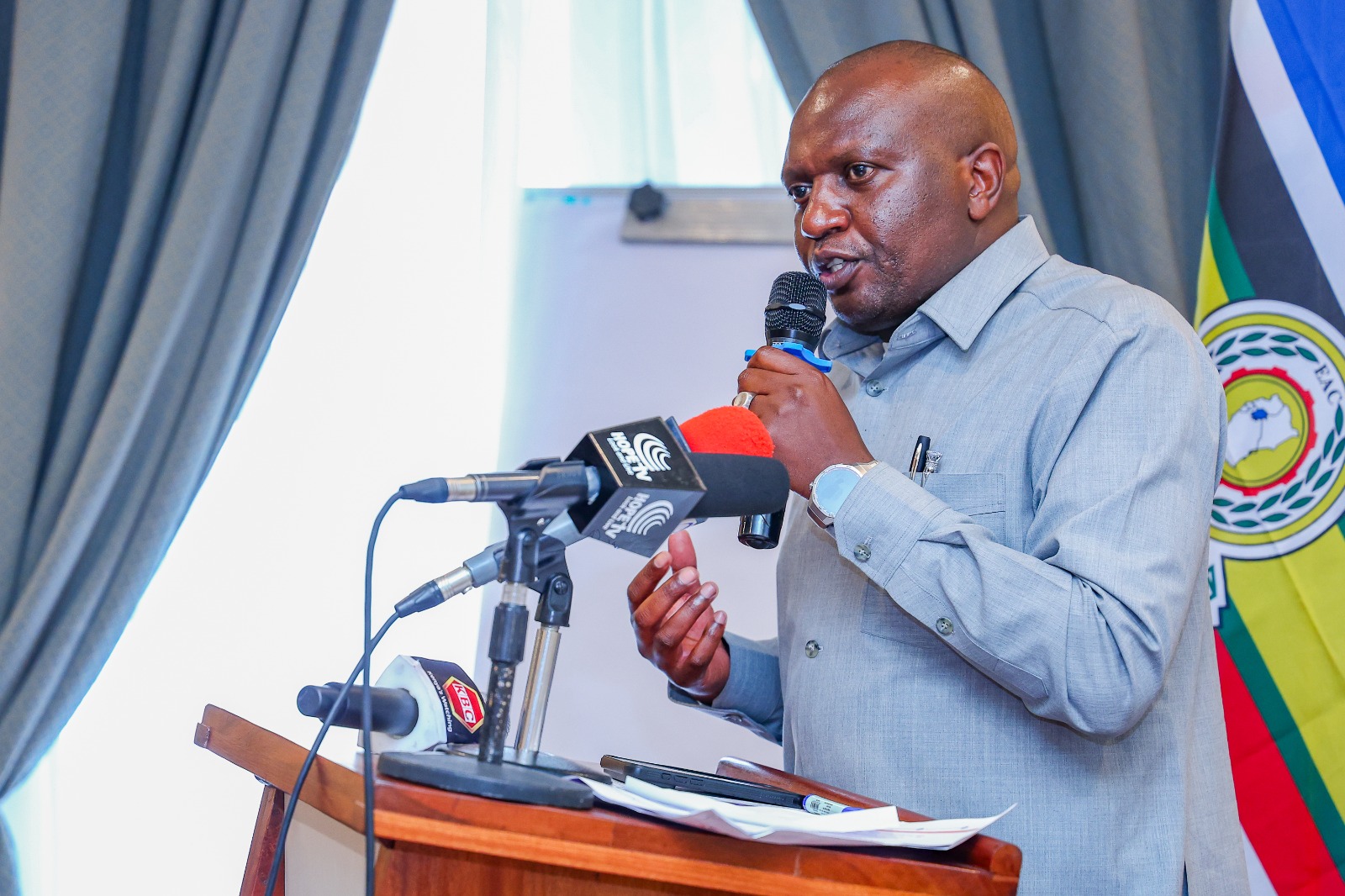
“When a Government officer attacks a Journalist ,he or she encourages other People and goons to attack them”said MCK CEO David Omwoyo.
Adding “Journalists’ safety is a collective responsibility of all the stakeholders” he said.