|
Getting your Trinity Audio player ready...
|
By Shaban Makokha
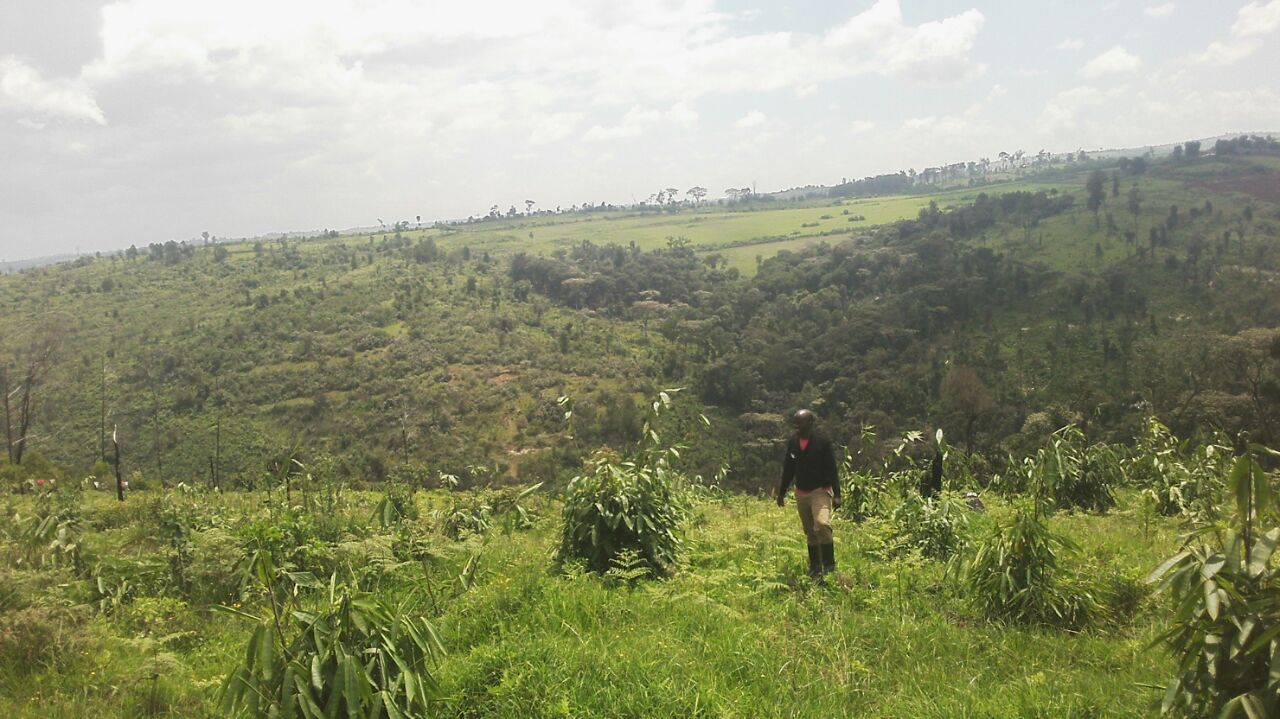
For years, farmers in Nzoia Ward, Likuyani Sub-County, have watched their fertile soils slowly wash away with every heavy downpour, threatening food production and household incomes across the 944-hectare watershed.
But a new agricultural intervention is offering them a different future — one where fruit trees, bananas, fodder grass, terraces and water harvesting work together to protect farms while creating new sources of food and wealth.
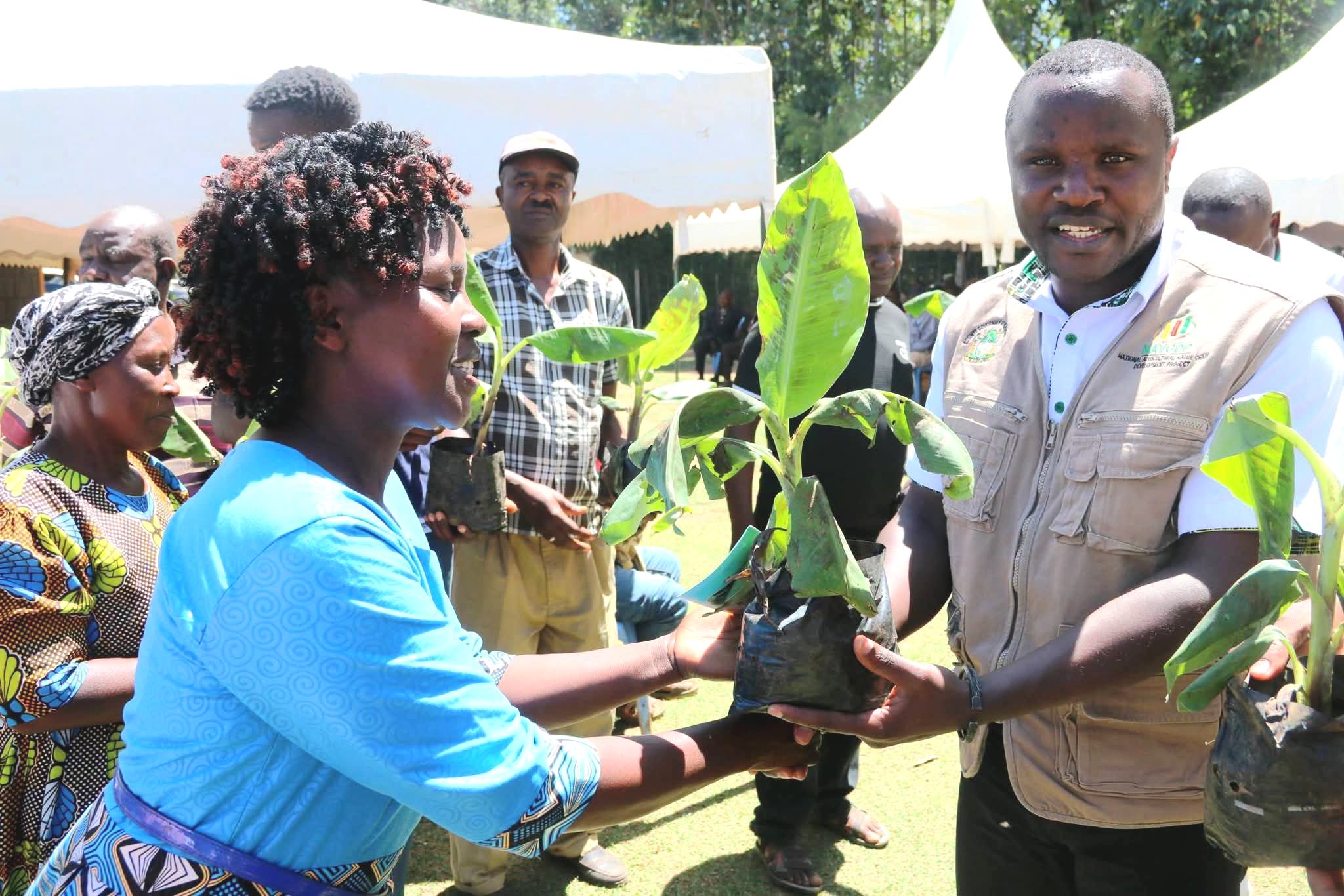
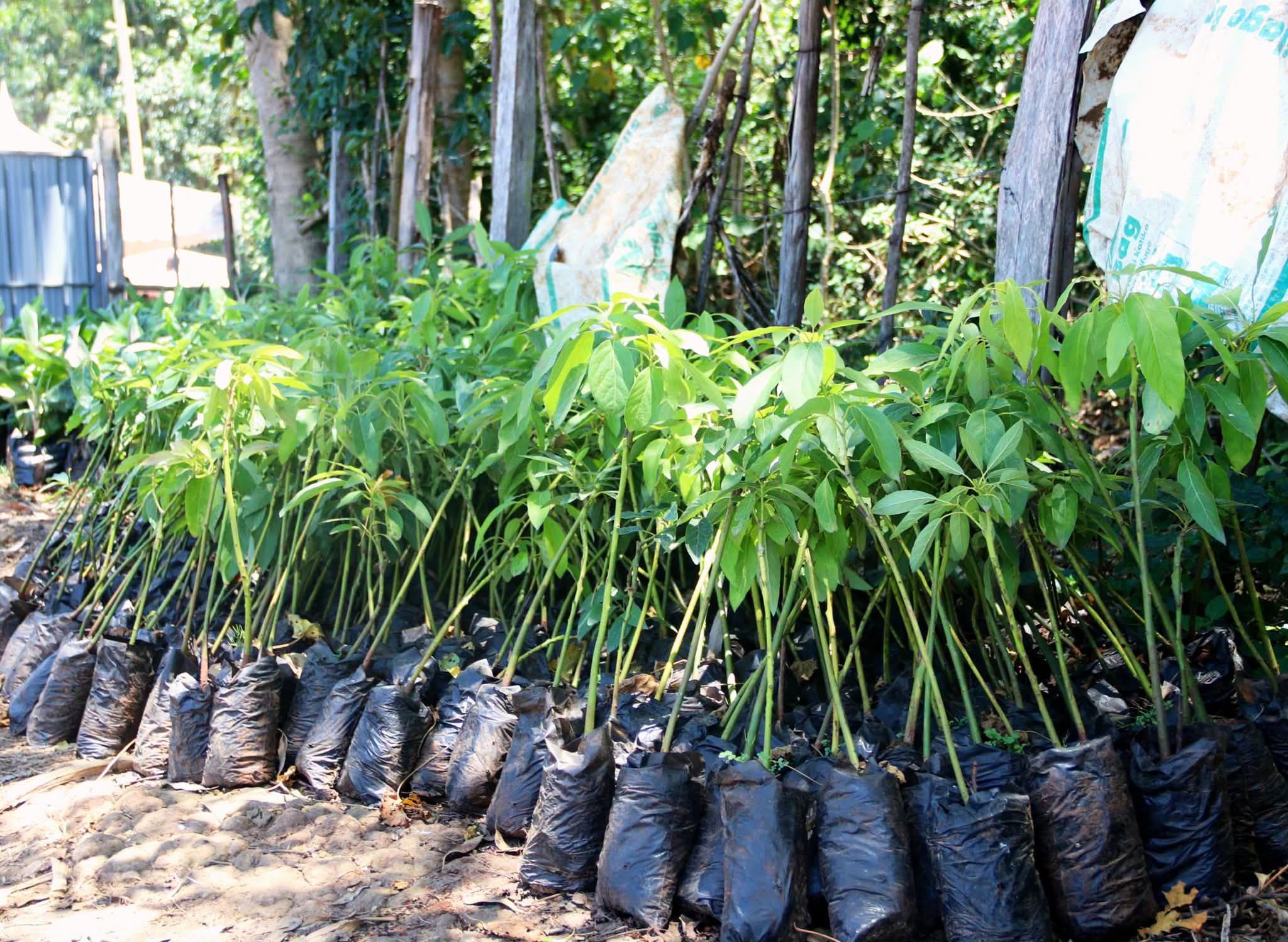
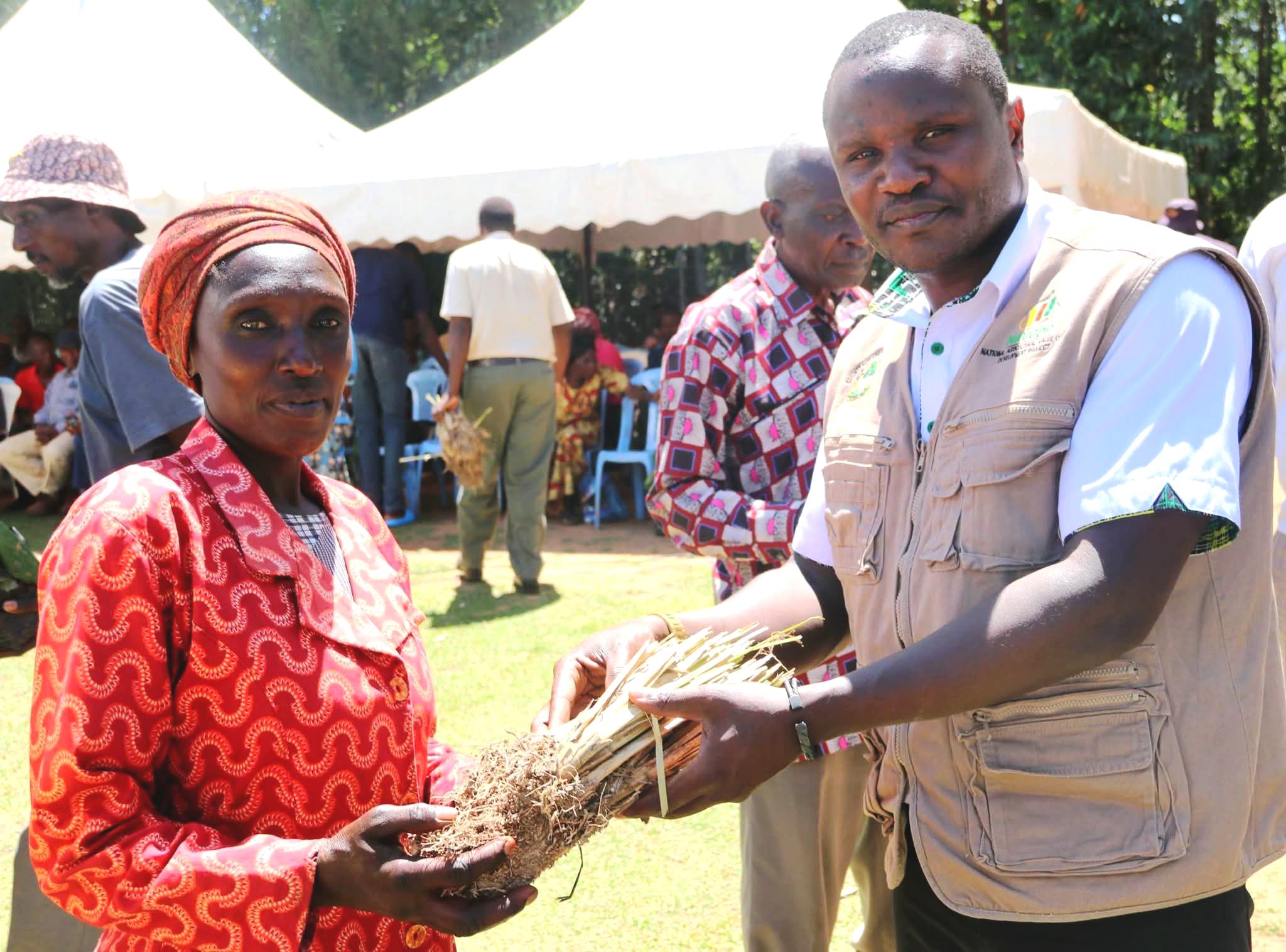
Through the National Agricultural Value Chain Development Project (NAVCDP), the Kakamega County Government has distributed 2,160 Hass avocado seedlings, 4,320 tissue culture banana seedlings, and 8,640 vetiver grass splits to farmers in the ward as part of a major push towards sustainable land management and climate-smart agriculture.
The initiative targets the entire 944-hectare Nzoia Watershed, directly benefiting 432 farmers — 60 percent of whom are women — who have been organized into 12 farmer groups to implement measures aimed at restoring soil health, conserving water and improving agricultural productivity.
This programme is anchored on agroforestry and terracing, with farmers being encouraged to integrate trees and other useful plants into their farms while constructing and maintaining terraces to slow down water runoff and prevent soil erosion.
Intervention was identified through the Participatory Integrated Community Development (PICD) process and incorporated into the County Integrated Development Plan (CIDP), reflecting the growing importance of community-driven solutions in addressing agricultural and environmental challenges.
Speaking during the distribution exercise at Nzoia Farmers’ Training Centre, County Executive Committee Member for Agriculture Mophat Mandela challenged farmers to make full use of the seedlings and adopt farming practices that can withstand the increasingly unpredictable weather patterns.
“Farmers must embrace climate-smart farming practices because the future of agriculture depends on how well we conserve our soils and water while improving productivity,” Mandela said.
He noted that climate-smart agriculture was no longer an option but a necessity if farmers were to safeguard food production and improve their incomes, adding that the initiative fits into Governor Fernandes Barasa’s broader agenda of enhancing food security, creating employment and improving household incomes through agriculture.
Diversifying Incomes Beyond Traditional Crops
The distribution of fruit trees is expected to give farmers an opportunity to diversify their sources of income beyond traditional food crops.
Hass avocado, which has become increasingly popular among farmers because of its commercial value — with a single mature tree producing up to 200 kilograms of fruit per season and earning farmers between KSh 30,000 and KSh 50,000 annually offers the possibility of long-term earnings once the trees mature in about three years.
Tissue culture bananas, on the other hand, are expected to provide farmers with an additional food and income source, with each plant capable of yielding 40 to 60 kilograms of bananas per cycle and maturing in just 8 to 10 months, significantly faster than conventional banana varieties.
Vetiver grass will play a critical role in controlling soil erosion and stabilising terraces, with its deep root system penetrating up to 3 metres into the soil, binding it together and reducing soil loss by as much as 70 percent on sloped farms.
For farmers whose livelihoods depend heavily on the productivity of small pieces of land — with the average farm size in the area being approximately 2.2 hectares such interventions could make the difference between declining yields and sustainable production.
Agriculture Chief Officer Emmanuel Kariuki urged farmers not to view the distribution of seedlings as an end in itself, but as part of a broader land-management programme requiring continuous commitment.
He emphasised the importance of maintaining terraces once they have been established, warning that poorly maintained terraces could lose their effectiveness and expose farms to further soil degradation.
Kariuki said soil erosion remains a major threat to agricultural productivity because it carries away the fertile topsoil on which crops depend. Studies show that Kakamega County loses approximately 10 tonnes of soil per hectare annually due to erosion — depleting nutrients and reducing crop yields by up to 30 percent in affected areas.
Farmers were therefore encouraged to maintain terraces, plant appropriate vegetation and adopt farming practices that reduce the speed of surface runoff.
“Use of vetiver grass is expected to strengthen the terraces and help hold soil together, particularly during heavy rains,” Kariuki pointed out. “The approach combines agricultural production with environmental conservation, ensuring that efforts to increase food production do not come at the expense of the land’s long-term health.”
Beyond soil conservation and agroforestry, the programme is also expected to address one of the biggest challenges facing farmers — access to water.
Following training, farmers will be supported to establish farm ponds for water harvesting and irrigation, with each pond measuring approximately 10 metres by 5 metres and capable of storing up to 75,000 litres of water.
The ponds will enable farmers to capture and store rainwater, which can then be used during dry periods to keep crops growing, potentially extending the growing season by up to three months beyond the rainy period.
Intervention is particularly significant for farmers living far from the Mumunyonzo Irrigation Project, who may not easily access water from the irrigation scheme, which serves only about 200 farmers within its immediate vicinity.
Instead of depending entirely on rainfall, farmers will be able to harvest water when it is available and reserve it for use when rains fail.
This could help reduce crop losses caused by prolonged dry spells while allowing farmers to venture into irrigation-supported production, with the potential to double or triple yields on water-harvesting farms compared to rain-fed systems.
For smallholder farmers, water harvesting can also open the door to more intensive production, enabling them to grow vegetables and other high-value crops beyond the traditional rainy seasons.
Combination of farm ponds, terraces, fruit trees and improved crop varieties therefore provides a more comprehensive response to the challenges facing farmers in the watershed.
Broader Agricultural Investments
Mandela also highlighted other agricultural interventions being undertaken by the county government to strengthen the value chain and create opportunities for residents.
Among them is the reconstruction of the Butere Poultry Hatchery, which is expected to distribute more than 60,000 chicks every month once operational, benefiting an estimated 3,000 poultry farmers across the county.
The hatchery is projected to strengthen poultry production by improving access to chicks while creating employment and business opportunities for residents involved in poultry farming, input supply, transport and marketing.
According to Mandela, such investments demonstrate the county government’s commitment to ensuring agriculture is not merely a source of food but a pathway to economic empowerment.
“Focus is increasingly shifting towards building complete value chains — from production to processing and marketing — so that farmers can earn more from their agricultural activities,” he added.
Nzoia intervention also demonstrates the importance of involving farmers in identifying the challenges affecting their communities.
Through the PICD process, farmers and other community members participated in identifying priority interventions for their area, with 78 percent of surveyed farmers ranking soil erosion as their top concern, followed by water scarcity at 65 percent.
The resulting programme seeks to address several interconnected challenges rather than focusing on a single problem:
-
Soil erosion affects crop yields, reducing maize production by an estimated 25 percent on severely affected farms.
-
Poor water availability limits production, with only 30 percent of farmers in the ward having access to reliable water sources for dry-season farming.
-
Climate variability increases the risk of crop failure, with unpredictable rainfall patterns having damaged harvests in four of the last six seasons.
-
Limited diversification leaves farmers vulnerable when the prices of traditional crops fall, with over 70 percent of farmers relying on maize as their primary income source.
By introducing fruit trees, bananas, fodder, terraces and water harvesting at the same time, the programme seeks to build more resilient farming systems.
Farmers are also being trained through a series of six training modules covering terrace construction, tree planting, water harvesting, soil conservation, crop management and marketing, ensuring that they understand not only how to plant the seedlings but also how to manage their farms for long-term productivity.
The Path Forward
Success of the initiative, however, will depend heavily on farmers maintaining the structures and trees after receiving the initial support. The county has committed to providing follow-up extension visits to all 432 farmers over the next two years.
Experts say terraces must be regularly repaired, water-harvesting ponds properly maintained and seedlings protected until they become established — a process that typically takes two to three years for avocado trees and six months for bananas.
As climate change continues to reshape farming patterns across the country — with temperatures in Kakamega County projected to rise by 1.5°C to 2.5°C by 2050 — initiatives such as the Nzoia Watershed programme are increasingly becoming important in protecting rural livelihoods.
Agroforestry offers farmers the opportunity to produce food while increasing tree cover and protecting the soil. Fruit trees can provide income, shade and environmental benefits, while fodder plants support livestock production.
Terracing reduces soil loss, while farm ponds provide a buffer against unreliable rainfall.
Together, the interventions create a farming system designed not only to survive today’s challenges but also to prepare communities for future climate shocks.
For the 432 farmers in Nzoia Watershed, the seedlings distributed are therefore more than just planting materials.
They represent a long-term investment in healthier soils, better harvests, reliable water supplies and improved household incomes — with projections suggesting that participating farmers could see their annual incomes rise by 40 to 60 percent within five years once the avocado and banana trees reach full production.
The bigger test now lies in the hands of the farmers — whether the terraces will be maintained, the trees nurtured, the ponds protected and the lessons from training translated into everyday agricultural practices.
If sustained, the initiative could transform the 944-hectare Nzoia Watershed into a model of climate-resilient agriculture where environmental conservation and economic empowerment go hand in hand.
And as the first Hass avocado and banana seedlings take root, a new chapter could be in the offing for the farmers who are increasingly recognising that protecting the land today is the surest way of securing food and wealth for tomorrow.
Policy Backing
County government has also advanced its agricultural extension policy dubbed the Kakamega County Agricultural Sector Extension Policy (KCASEP), 2026, that aims to strengthen extension services through improved staffing infrastructure, use of ICT, research linkages, farmer engagement and public-private coordination.
It also proposes upgrading training centers, improving officer mobility, expanding connectivity, strengthening irrigation and promoting value addition and renewable energy.
“Once adopted, KCASEP 2026 will enhance Governor Barasa’s food security agenda by supporting modern extension services, ensuring increased productivity and improved household incomes,” said Mandela.