|
Getting your Trinity Audio player ready...
|
By Lenah Bosibori
Nairobi, Kenya: Health advocates have urged Kenya to safeguard progress in maternal, newborn, child and adolescent health by increasing investment, strengthening accountability and ensuring that policy commitments translate into better healthcare.
Speaking at a meeting to review Kenya’s priorities for the 2026–2027 Country Advocacy and Accountability Roadmap (CAAR), maternal health specialist Prof. Jane Kihara warned that rising living costs, declining development assistance for health and shrinking civic space were putting additional pressure on programmes supporting women, children and adolescents.
“The difficult economic environment has made it even more important for the government to protect progress through stronger national and county budget commitments,” Prof. Kihara said.
She called for sustained investment in health services, warning that policies and commitments would have little impact without adequate resources and effective implementation.
Prof. Kihara welcomed the passage of the Breastfeeding Mothers Bill by the National Assembly, describing it as an important milestone for maternal and child health, nutrition and gender equality. She also acknowledged renewed commitments by the Principal Secretary on adolescent health, including efforts to address teenage pregnancy.
However, she stressed that these commitments must translate into practical action, with women, children and adolescents able to access the health services they need, including sexual and reproductive health services.
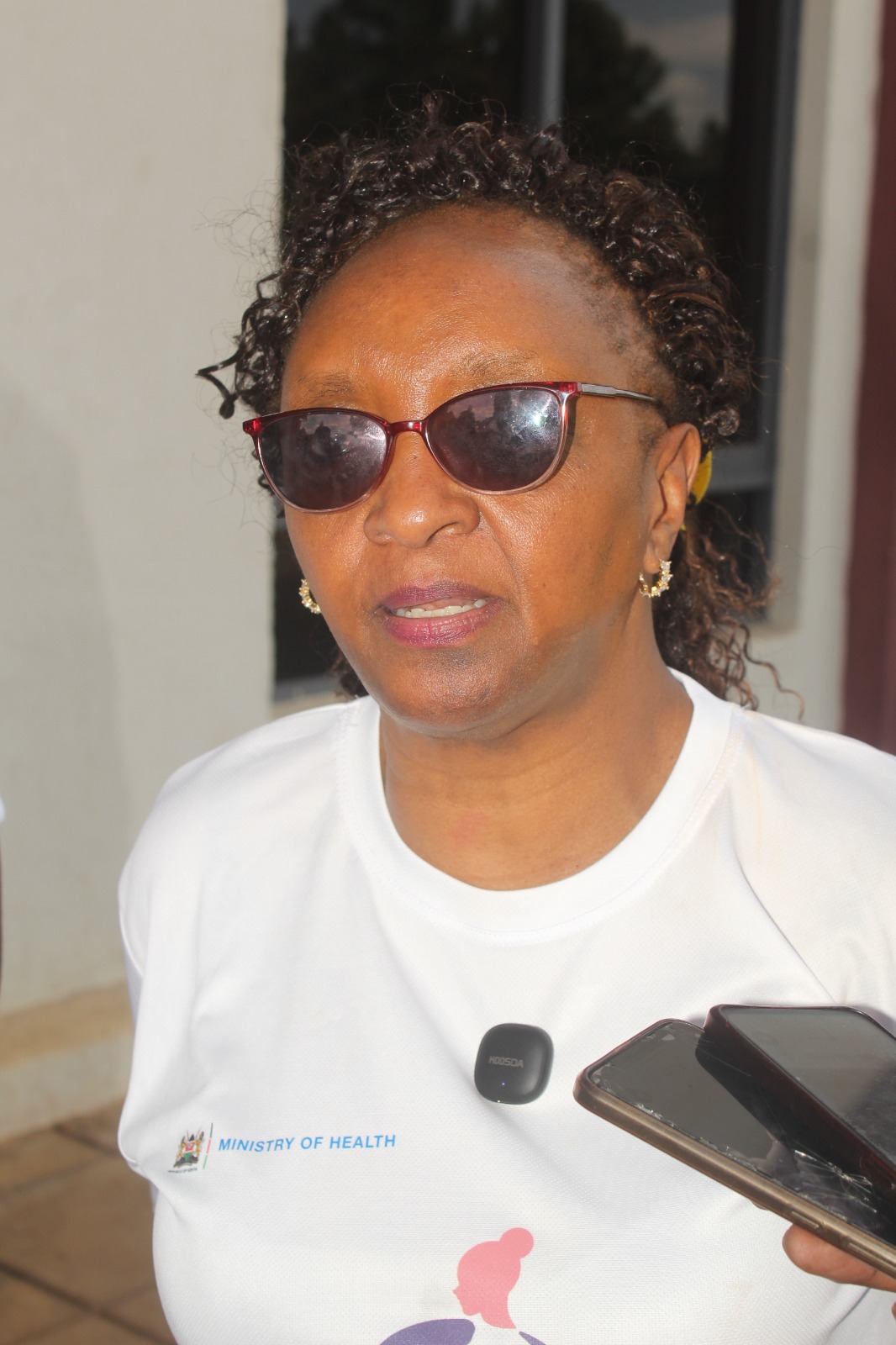
“We must protect the gains we have made in the health and wellbeing of women, children and adolescents,” she said.
Taking Maternal Health Advocacy Beyond The Launch
Mary Magubo, Public Health Specialist and Head of Advocacy, Communication and Partnerships at the Ministry of Health’s Division of Reproductive, Maternal, Newborn, Child and Adolescent Health (RMNCAH), called for stronger coordination, improved reporting and greater public awareness to sustain maternal and newborn health advocacy.
She described the launch of the national maternal and newborn health advocacy initiative as a major milestone but said its impact would depend on continued engagement with decision-makers and the public.
Magubo identified Parliament, particularly the Parliamentary Health Committee, as an important partner in pushing for increased funding for maternal and newborn health services. Professional associations, including the Midwives Association of Kenya, the Kenya Obstetrical and Gynecological Society and the Kenya Pediatric Association, also have a role to play.
Although a national dashboard is available to track progress, she noted that ordinary citizens, mothers, policymakers and parliamentarians may not regularly access it. She therefore called for greater use of radio, television, newspapers and community platforms to communicate progress and highlight gaps.
Five Priorities For Improving Healthcare
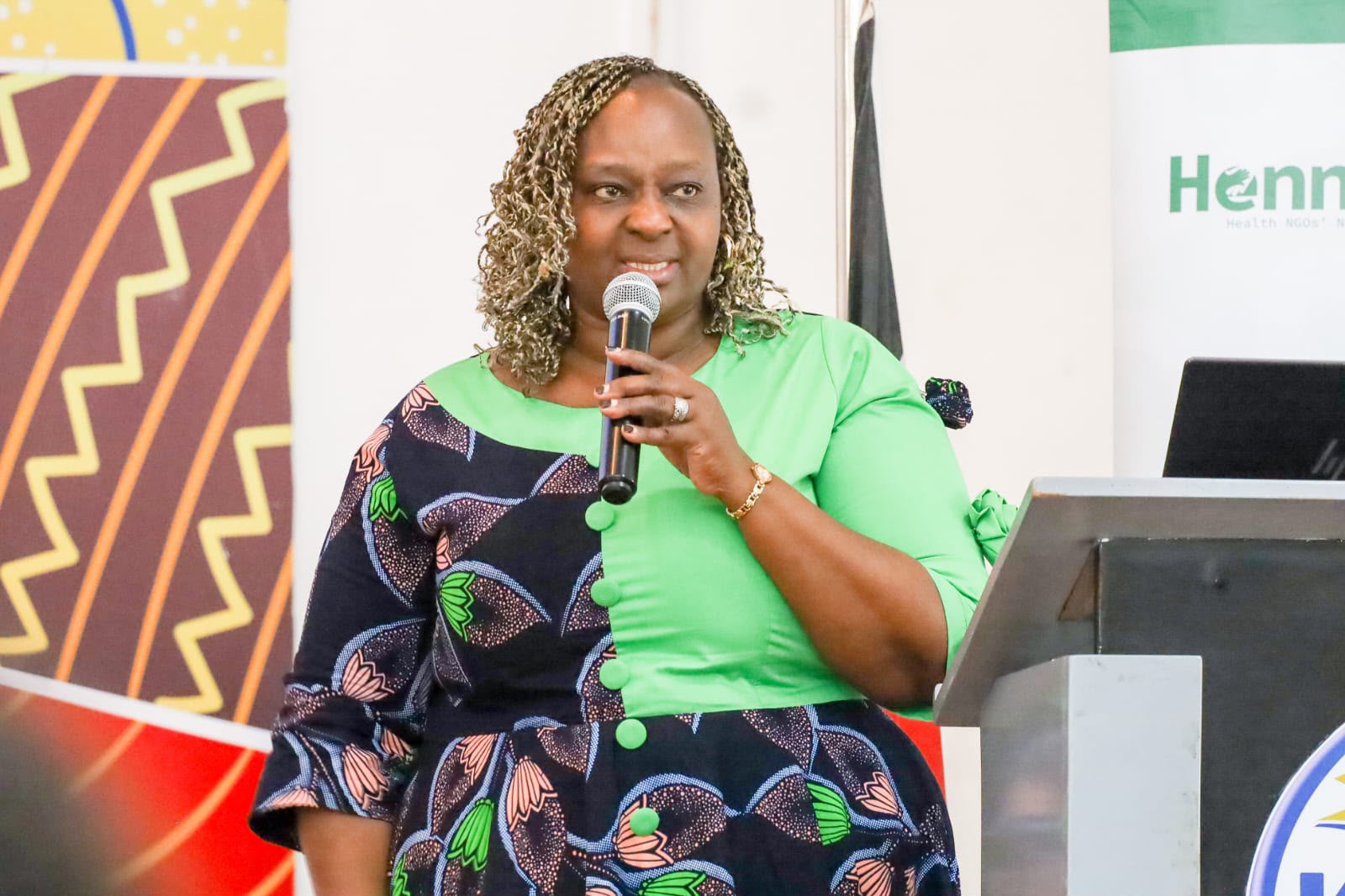
Dr. Margaret Lubaale, Executive Director of the Health NGOs Network (HENNET), outlined five priority areas for the 2026–2027 advocacy cycle, calling for stronger collaboration between civil society organizations, government and other partners.
The meeting also provided an opportunity to assess progress made between May 2025 and April 2026, identify gaps and agree on how partners could work more effectively.
Among the legislative milestones highlighted were the passage of the Breastfeeding Mothers Bill and progress on the Assisted Reproductive Technology Bill, which had been passed but returned to the House for amendments. However, the Maternal, Newborn and Child Health (MNCH) Bill remained at the committee stage, requiring continued engagement with Parliament.
“We want to have more wins than we have now,” Dr. Lubaale said, urging coalition members to reflect on challenges and develop strategies to strengthen their advocacy.
The priority is ending preventable maternal, newborn and child deaths, including stillbirths. Citing Kenya’s maternal mortality ratio of 355 deaths per 100,000 live births, she said the country still had a long way to go in preventing avoidable deaths.
The second is strengthening health systems to respond to the needs of adolescents and young people while reducing teenage pregnancies.
The third is reducing unmet family planning needs and ensuring a reliable supply of contraceptive commodities. Dr. Lubaale raised concern about stock-outs of family planning products and reports of counterfeit emergency contraceptive pills, commonly known as P2, in the market.
She questioned whether young people could have confidence in services and commodities when products they rely on were sometimes unavailable or potentially unsafe.
The fourth priority is increasing domestic health financing and strengthening budget allocations at both national and county levels.
Dr. Lubaale said advocacy should begin early in the financial planning process rather than waiting until the Finance Bill is presented. She called for engagement with decision-makers throughout the budget process, from planning and allocation to the utilization of funds.
She also urged counties to establish specific budget lines for reproductive, maternal, newborn, child and adolescent health services, given their central role in healthcare delivery.
The fifth priority is improving national and county health data by ensuring it is disaggregated by age and gender. Such information is essential for identifying gaps and designing programmes that respond to the needs of different groups.
Turning Maternal Death Reviews Into Action
One area of the coalition’s work has been engagement in Maternal and Perinatal Death Surveillance and Response (MPDSR), which generates information about maternal and newborn deaths and the circumstances surrounding them.
Dr. Lubaale said the reviews had produced valuable data, but the challenge was ensuring that the findings led to action.
She urged stakeholders to go beyond recording the number of deaths and address the gaps that contributed to them. For instance, if a review identifies a shortage of blood, the relevant decision-makers must be engaged to address the problem. Similarly, where facilities lack essential equipment, those responsible for resource allocation must be brought into discussions on possible solutions.
“The issue is not only identifying what caused a death. We must also ask what happens next, who is responsible and what action will be taken to prevent another death,” she said.
She emphasised that maternal deaths should not be treated as mere statistics because each loss affects families, children and communities.
Strengthening The Advocacy Coalition
Dr. Lubaale also highlighted efforts to bring civil society organizations and other partners together around the five advocacy priorities.
Through stakeholder mapping, the coalition identified more than 100 organizations and partners working in these areas, creating opportunities for joint advocacy. It also held roundtable discussions, parliamentary engagements and civil society forums, including discussions on the MNCH Bill and the Quality of Healthcare Bill.
An online awareness campaign on the MNCH Bill reportedly reached 4.4 million people, while the coalition’s digital advocacy hub attracted more users than its initial target of 180.
The platform provides coalition members with access to policy briefs, health data, and other resources to support their advocacy. It also offers opportunities to learn from other countries, including Ethiopia and Nigeria.
However, Dr. Lubaale cautioned against organizations working in isolation, calling for better coordination to achieve shared goals.
For the 2026–2027 cycle, the coalition plans to strengthen engagement with Parliament, county governments, professional associations and communities. It will also work with parliamentary partners, including the Kenya Women Parliamentary Association (KEWOPA) and the Kenya Young Parliamentarians Association (KYPA), to follow legislative processes and engage relevant committees.
A Nairobi County budget analysis that found no specific budget line for adolescent health was cited as an example of the gaps partners need to address through evidence-based advocacy.