|
Getting your Trinity Audio player ready...
|
By Victoria Musimbi
Nairobi, Kenya: Facing a heart condition can drastically alter an individual’s daily routine, career, and long-term plans, especially when financial barriers hinder access to essential care. However, receiving prompt treatment, strong support, and time to heal demonstrates that a cardiac diagnosis does not have to end one’s life goals.
This reality is deeply personal for 24-year-old Janet Mueni. In 2024, what started as unexplained fatigue and shortness of breath resulted in a diagnosis that required a double valve replacement. After navigating the financial burden of her care, she has embarked on a fulfilling new path as a trained caregiver.
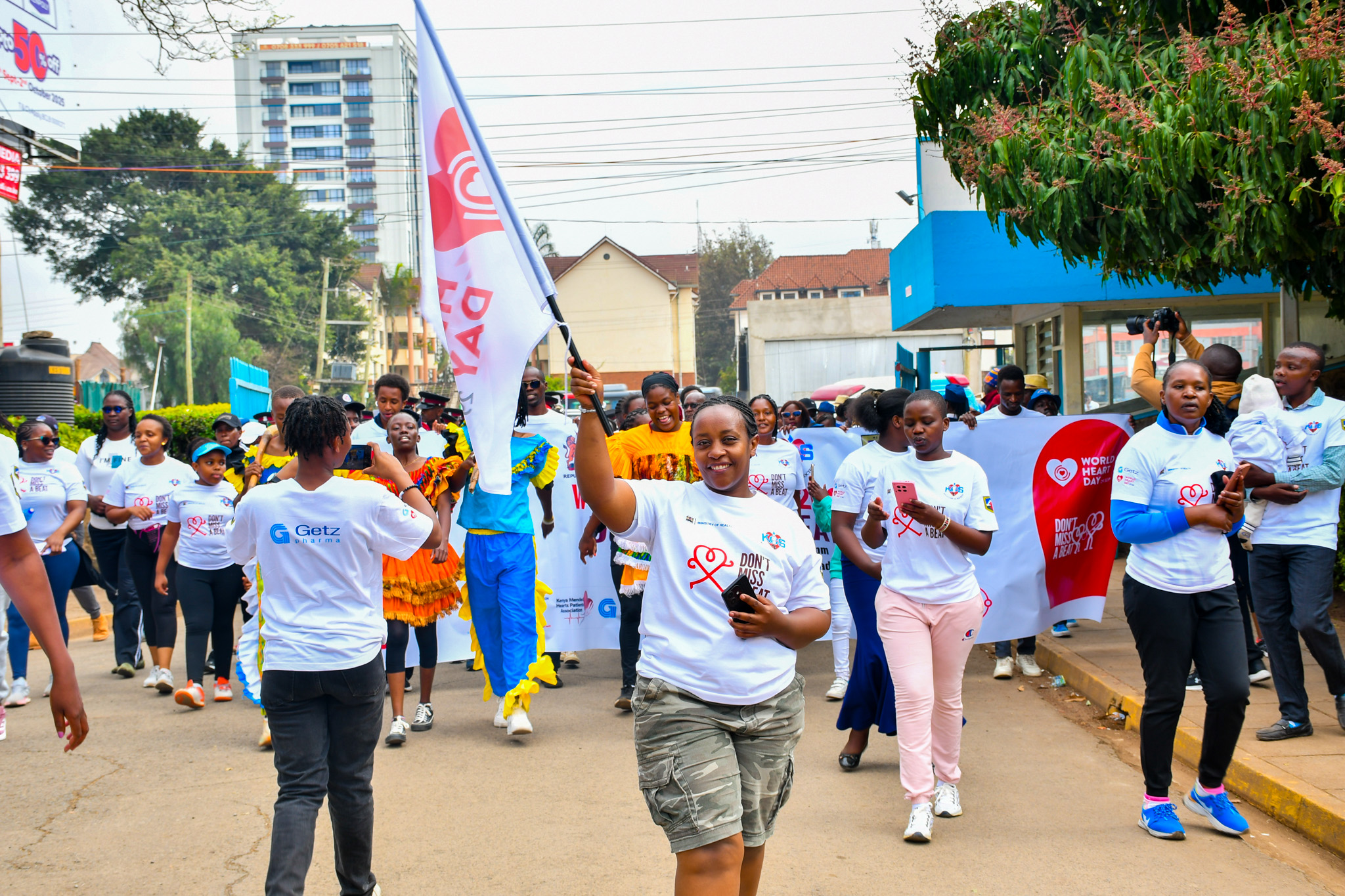
To observe World Heart Day celebrated on September 29th, the Kenya Cardiac Society and its partners organized a health screening day and football tournament in Nairobi on October 3. These events encouraged exercise, raised awareness about cardiovascular conditions, and underscored the critical need for preventive measures, early diagnosis, and specialized medical attention.
Transforming a Health Struggle into a New Mission
Janet describes herself as a “heart warrior.” She was born healthy and had no major health problems until 2024, when she began feeling unusually tired and struggling to breathe.
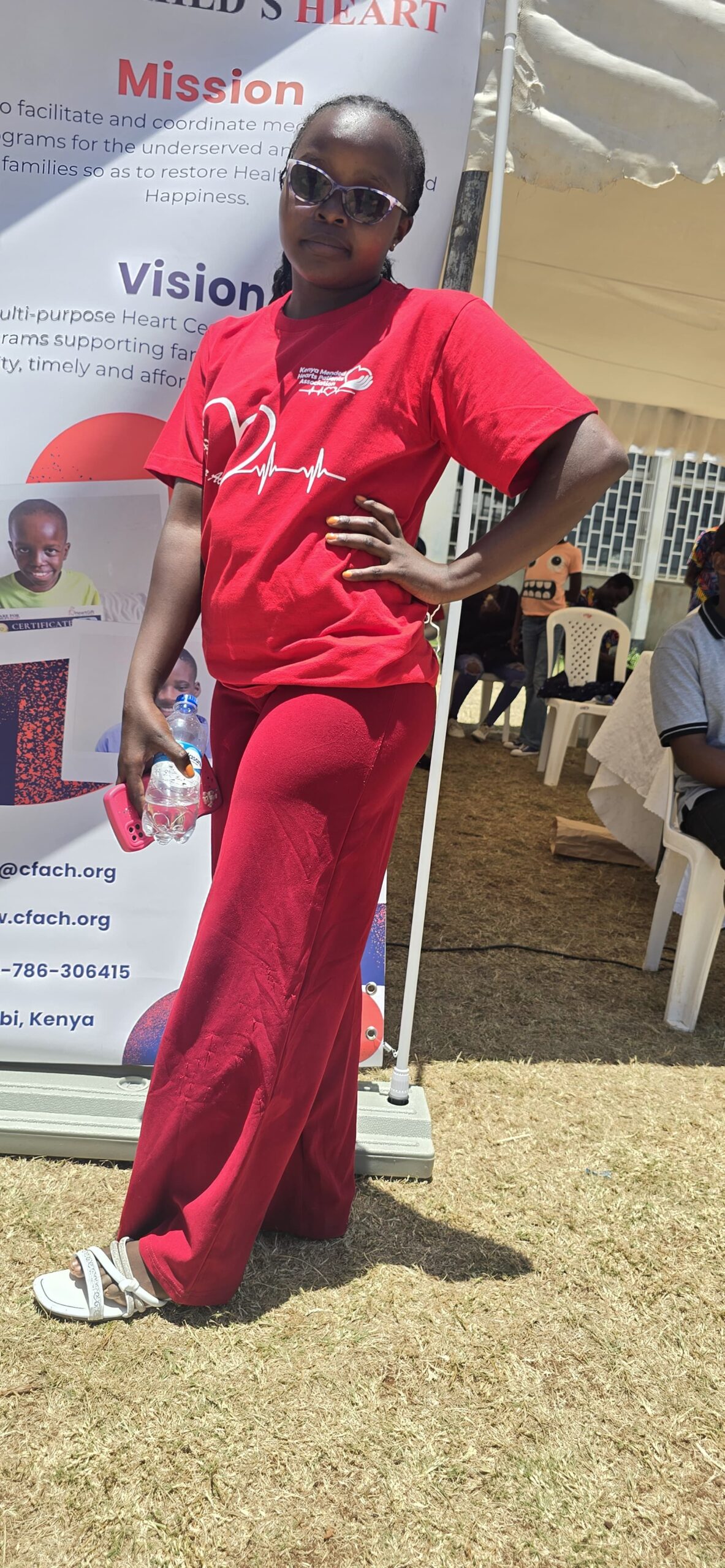
“I was always feeling tired. I could not climb the stairs, and even walking for a long distance became difficult. Sometimes my heart would beat very fast, and I did not understand what was happening,” Janet recalls.
Living in Umoja, Nairobi, Janet visited several hospitals near her home, but the cause of her worsening condition remained unclear.
“Since I was still unwell despite visiting several hospitals, a friend advised me to go to a hospital in Kasarani. I went there and had an echocardiogram and an ECG. That is when the doctors discovered that I had a problem with my heart valves and needed a double valve replacement.”
For Janet and her family, the diagnosis was followed by another daunting challenge: raising money for the surgery.
“It was a tough journey because my family could not afford the cost. We were told to sit down as a family and look for money so that I could have the surgery. I had to go online looking for organisations and well-wishers who could help me.”
Her family was advised to raise at least Sh100,000 to help her begin treatment. They managed to raise about Sh80,000, which they put towards her care.
From Kasarani, Janet was referred to Mater Hospital, where she was directed to different clinics for further care. However, the cost of attending the clinics, including transport, became too much for her family.
“I was referred to different clinics, but it was expensive. My family did not have the money, and even getting to the clinics required fare. So I had to stop going.”
Janet went for about four months without attending the clinic or continuing with treatment because she could not afford it. During this period, a cardiologist who had learnt about her situation reached out to her.
“The doctor called me and asked whether I had received any help. I said no. The doctor asked me to come for a consultation, and after I explained what I was going through, I was connected to the welfare programme at Aga Khan University Hospital.”
With the support, Janet was able to raise the remaining amount needed for her operation. She eventually underwent the double valve replacement and spent about 10 days in hospital.
“My recovery was easy and quick. I recovered before the 10 days were over. The people taking care of me encouraged me and told me that I could still do something with my life.”
That encouragement inspired Janet to pursue a course in Health Care Assistance (HCA), which she completed after receiving sponsorship.
“I was sponsored for the course. Someone paid about Sh87,000 for my studies and even helped me get an attachment. I completed my attachment last month.”
Janet is now looking for employment as a caregiver, willing to support people with different health conditions, including older people and those with diabetes. She still needs to raise about Sh5,700 each month for her medication but remains determined to move forward.
“To others going through a difficult time, do not lose hope. Keep trying. At some point, I also lost hope because I could not afford my treatment, but I learnt that there is always hope. I look forward to giving hope to others as a caregiver and reminding them that they can overcome their challenges.”
Prevention Starts With Everyday Choices
Dr. Lyndah Kemunto, Secretary General of the Kenya Medical Association, says keeping physically active is an important part of protecting heart health, particularly as many adult cardiovascular conditions are associated with lifestyle factors.
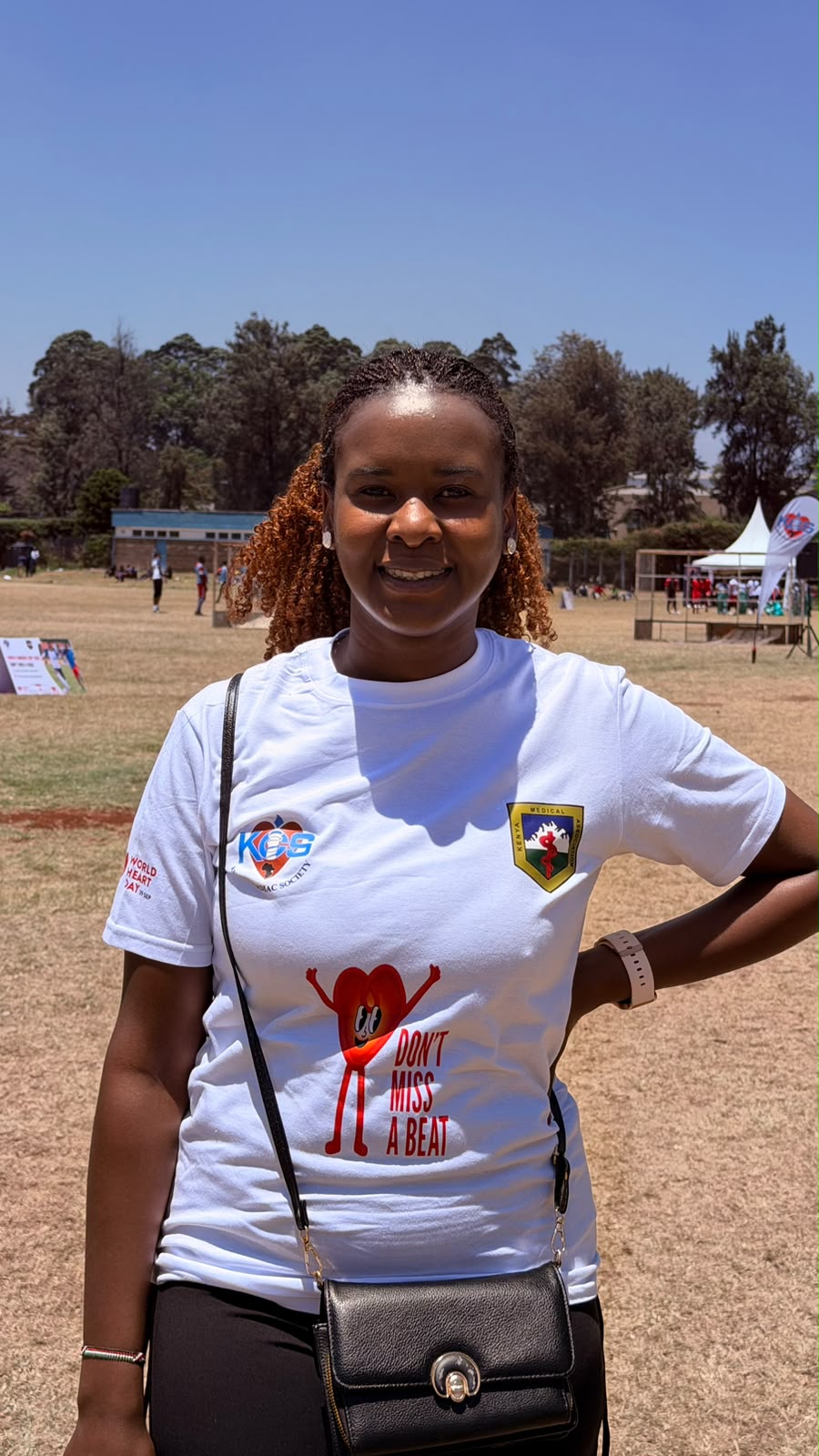
She recommends exercising for at least 30 minutes, three to four days a week, alongside regular health checks such as blood pressure and blood sugar screening.
“Many of us are working at desks, sitting for long hours and not moving our bodies enough,” she says, noting that regular physical activity can help reduce the risk of heart-related conditions.
For children, Dr. Kemunto says many heart conditions are congenital, making early access to care important. She encourages mothers to seek healthcare as soon as they know they are pregnant and, where possible, plan pregnancies to allow appropriate antenatal care and supplementation.
“Children born with heart conditions should also receive timely medical attention, as many conditions can be managed, allowing them to live healthy and fulfilling lives” she says.
Increased awareness has also helped reduce stigma around childhood heart conditions, with more families seeking medical care instead of attributing illnesses to traditional beliefs or blaming mothers.
However, access remains uneven. Kenya has about 70 to 80 cardiologists, including adult and paediatric specialists, while many counties still lack cardiologists or cardiothoracic surgeons.
Dr. Kemunto calls on county governments to invest in specialists and support further training in cardiac care so patients do not have to travel to Nairobi, Eldoret or Mombasa for specialised services.
She also points to the cost of managing chronic conditions such as hypertension, diabetes and heart disease, which can require long-term medication.
Dr. Kemunto urges the Social Health Authority to strengthen coverage for chronic conditions and cardiac care so that patients are not pushed into financial hardship. She also advocates for centres of excellence dedicated to cardiac diseases, supported by the national government and partners.
Closing Gaps Through Early Detection
Lilian Muga, CEO of the Kenya Cardiac Society, says the focus of the World Heart Day activities was to help people understand cardiovascular diseases and take steps to prevent them.

She says the football tournament was chosen because physical activity provides an opportunity to promote heart health while reaching people with information on cardiovascular disease and the importance of early screening.
Although Kenya is making progress in raising awareness about hypertension, heart disease and warning signs, Muga says significant gaps remain, particularly in the cost of treatment and availability of specialists.
“Some cardiovascular diseases may not have symptoms,” she says, stressing the importance of regular screening.
She describes hypertension as a silent killer that can precede heart failure and other cardiovascular conditions. Regular blood pressure checks can therefore help identify problems early, while people experiencing symptoms should seek medical attention rather than waiting for the condition to worsen.
Muga says the growing number of cardiologists and cardiothoracic surgeons is encouraging, but more specialists are still needed to meet the country’s needs.