By Liz Anyango
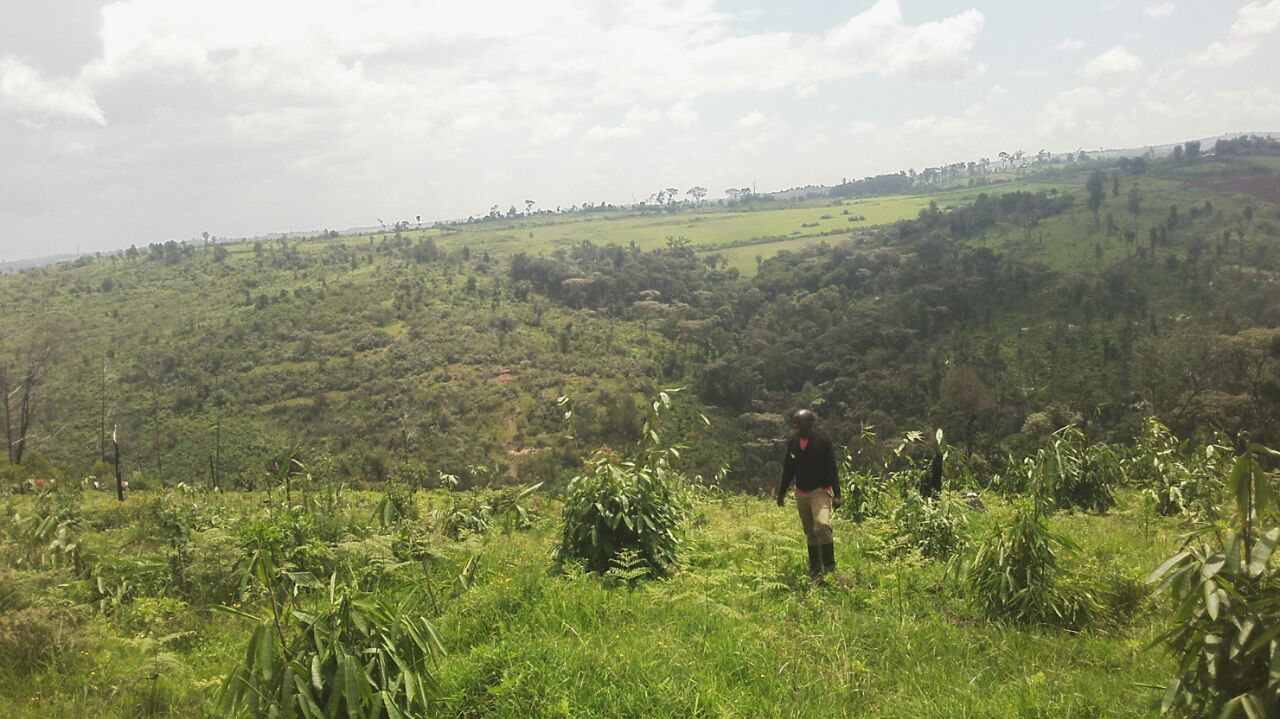
Nairobi, Kenya: Long before modern seed systems and commercial agriculture, farmers across East Africa had their own ways of preserving, sharing and selecting seeds for the next planting season. Passed down through generations, these seeds carried not only food, but also knowledge of local soils, weather patterns and growing conditions. Today, however, changing agricultural practices and debates over seed regulation are putting this heritage under renewed scrutiny.
The seeds a farmer plants determine more than what ends up on the dinner table. They influence what communities grow, how they respond to changing weather and their ability to sustain food production for generations to come. As questions around seed laws, access and ownership gain prominence across the region, concerns are growing over how much control farmers have over resources they have preserved for generations.
In Kenya, where we take a closer look at farmers’ experiences, Veronica Kiboino from Baringo County says sharing seeds with neighbours has allowed her to continue farming even when she cannot afford to purchase certified seeds.
“Seed sharing is our culture and way of life. The tradition of seed sharing does not require money and this means that I can still plant and harvest food even when money is not available,” she says.
Her experience reflects a wider concern among smallholder farmers who depend on traditional seed networks to maintain their livelihoods. In Elementaita, Nakuru County, farmer Peninah Ngahu has also raised concerns about restrictions affecting the ability of farmers to freely share, sell and exchange indigenous seeds.
These concerns have brought the question of who controls seeds into the centre of agricultural policy discussions across Eastern Africa.
In Kenya, the debate has taken a significant legal turn. On November 27, 2025, the High Court declared several provisions of the Seed and Plant Varieties Act and its 2016 regulations unconstitutional following a petition by 15 farmers led by Samuel Wathome.
The farmers had challenged provisions they argued restricted their traditional practices of saving, exchanging and selling indigenous seeds. The court found that specific requirements under the law infringed constitutional protections relating to cultural rights, equality, the right to food and economic freedom.
The judgment marked an important development for farmers and organisations advocating for the recognition of farmer-managed seed systems. However, it also brought into focus a broader question facing the region: how can governments regulate commercial seed markets while protecting traditional practices that have sustained farming communities for generations?
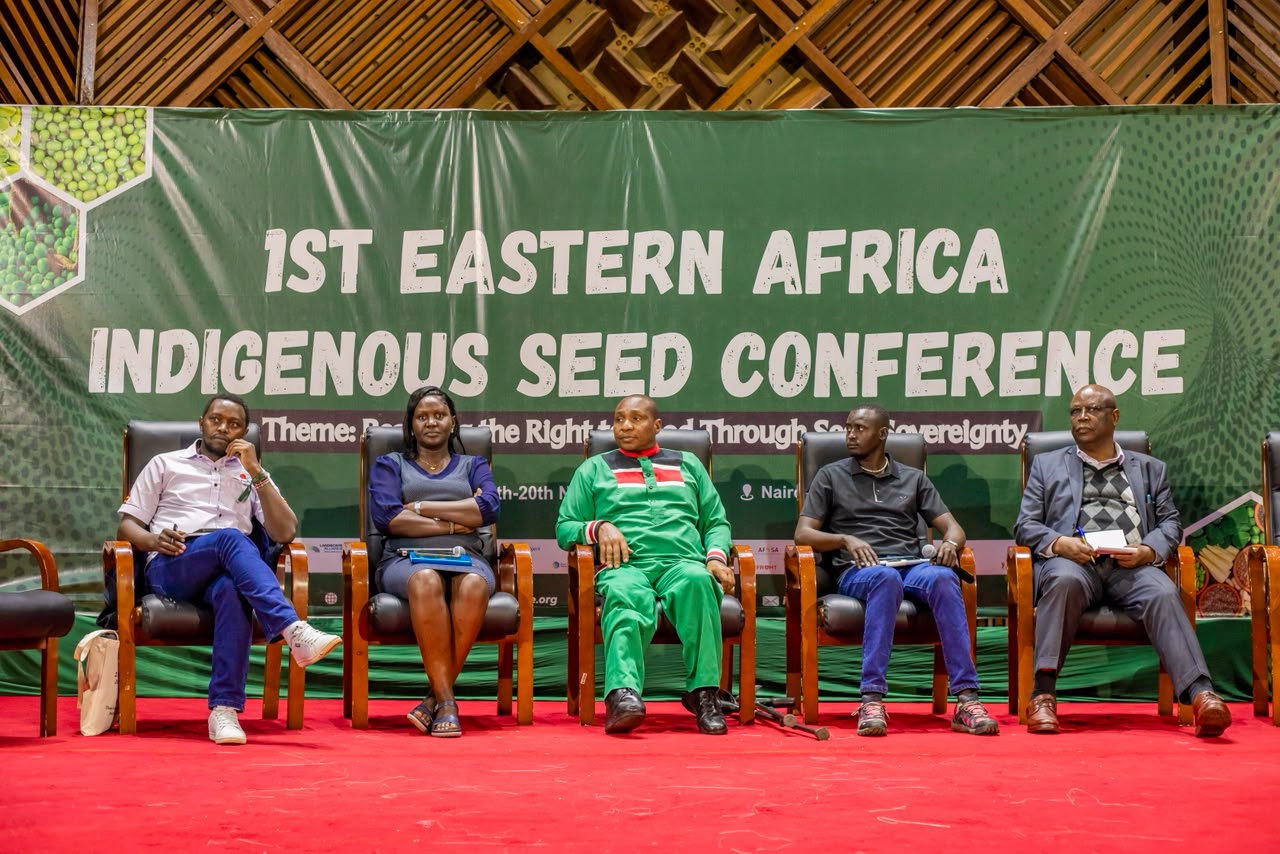
Against this backdrop, farmers, researchers, policymakers and civil society organisations from across Eastern Africa have gathered in Nairobi for the first Eastern Africa Indigenous Seed Conference, running from November 17 to 20, 2026, under the theme, “Realizing the Right to Food through Seed Sovereignty.”
Organised by Seed Savers Network, a Kenyan organisation working to strengthen farmer-managed seed systems, the conference seeks to promote indigenous knowledge and influence policies governing access to and use of seeds across the region.
One of the major issues under discussion is the proposed East African Community Seed and Plant Varieties Bill, 2025, which seeks to harmonise seed registration, certification, marketing and plant breeders’ rights across the region.
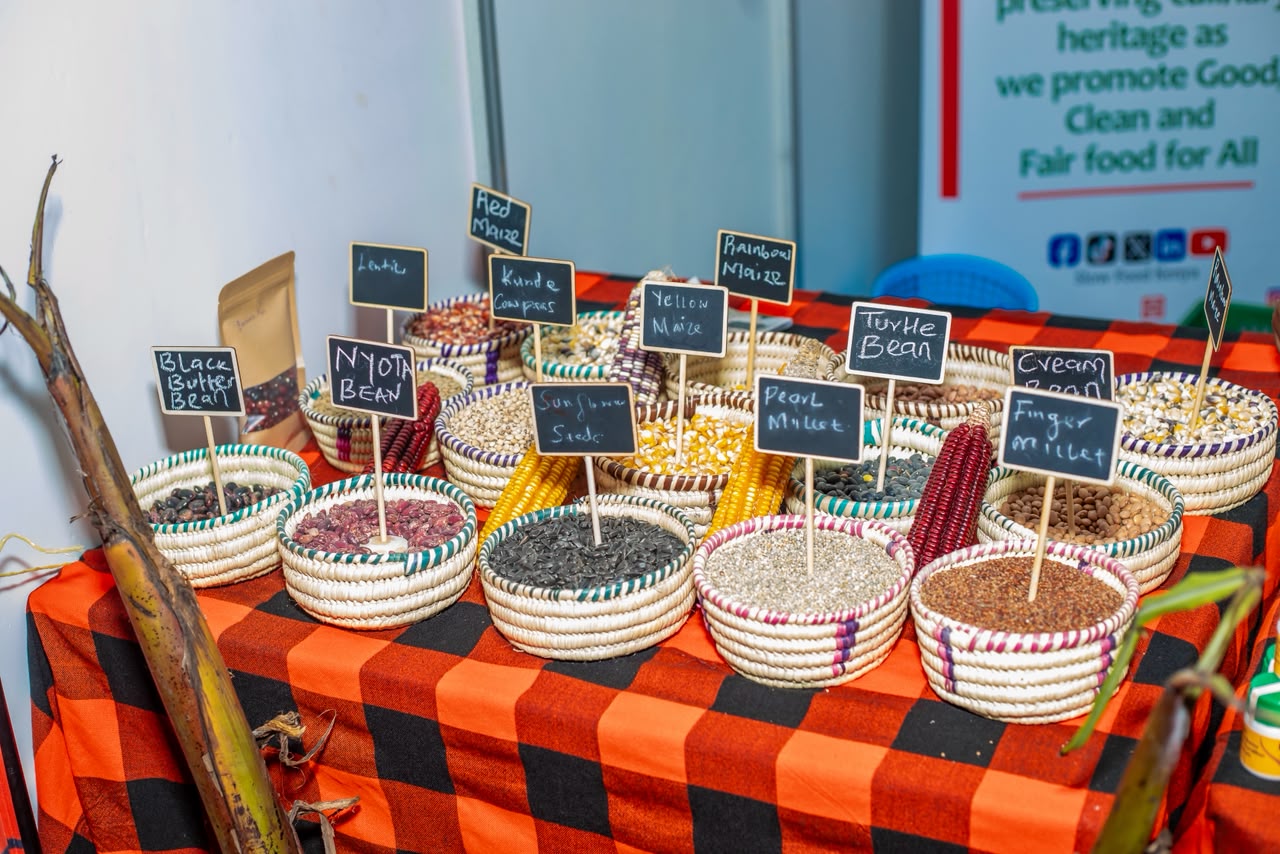
While regional harmonisation could help strengthen seed quality standards and trade, farmer organisations and civil society groups are concerned that such regulations could further restrict traditional seed-sharing practices if they fail to recognise indigenous varieties and the communities that preserve them.
At the heart of the debate is the need to strike a balance between protecting farmers from counterfeit and poor-quality seeds and ensuring that regulations designed for commercial seed markets do not disadvantage traditional seed systems.
But the implications of losing indigenous seeds extend far beyond farmers’ ability to save and exchange planting material. They also raise concerns about the future of agricultural biodiversity at a time when climate change is placing increasing pressure on food production.
According to the Food and Agriculture Organization (FAO), approximately 16 per cent of more than 12,000 recorded locally adapted crop varieties across 19 countries in sub-Saharan Africa are threatened. The findings are contained in its Third Report on the State of the World’s Plant Genetic Resources for Food and Agriculture, launched in Nairobi in February 2026.
The report highlights growing concerns about the loss of plant genetic resources that could help agriculture adapt to changing climatic conditions.
Locally adapted crop varieties carry characteristics that can help farmers cope with drought, erratic rainfall, pests and diseases. Preserving this diversity also provides researchers and scientists with valuable genetic material for developing crops that can withstand future climate challenges.
The importance of preserving this diversity is also a key focus of the Nairobi conference, where the Landscape Alliance is a key institutional partner, contributing to discussions on agricultural biodiversity and the role of indigenous seeds in building climate-resilient food systems. The organisation’s Chief Executive Officer, Eliane Ubalijoro, has warned that losing locally adapted crop varieties could limit the options available to farmers as climate change intensifies.
“As climate change accelerates, losing this diversity means losing the very options that allow agriculture to adapt,” she says.
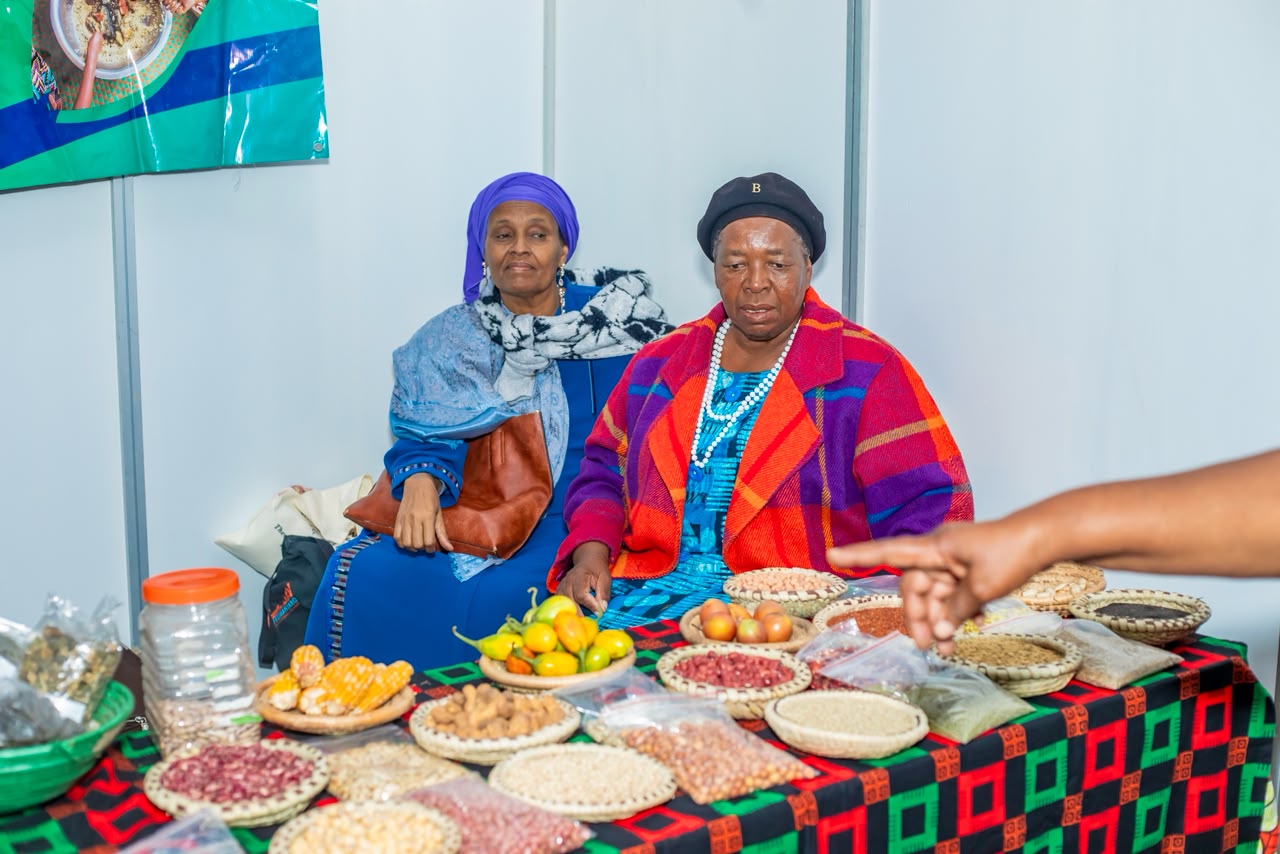
This makes the work of farmers who continue to conserve and exchange indigenous seeds particularly important. Across the region, community seed banks are helping to keep these varieties available for planting while strengthening the local systems through which farmers access and preserve them.
The need for such initiatives is especially clear in communities where food shortages have sometimes forced farmers to consume seeds they would otherwise have kept for the next planting season. Community seed banks provide a place to store planting material, helping farmers maintain access to seeds even when harvests are poor.
In Kenya, Seed Savers Network says it works with more than 120,000 farmers and has established 125 community seed banks to support the conservation of indigenous seeds and strengthen local seed systems.
The organisation has also highlighted the important role played by women and young people in preserving seeds and passing agricultural knowledge between generations. Women, in particular, have traditionally played a central role in selecting, storing and conserving seeds used by their households and communities.
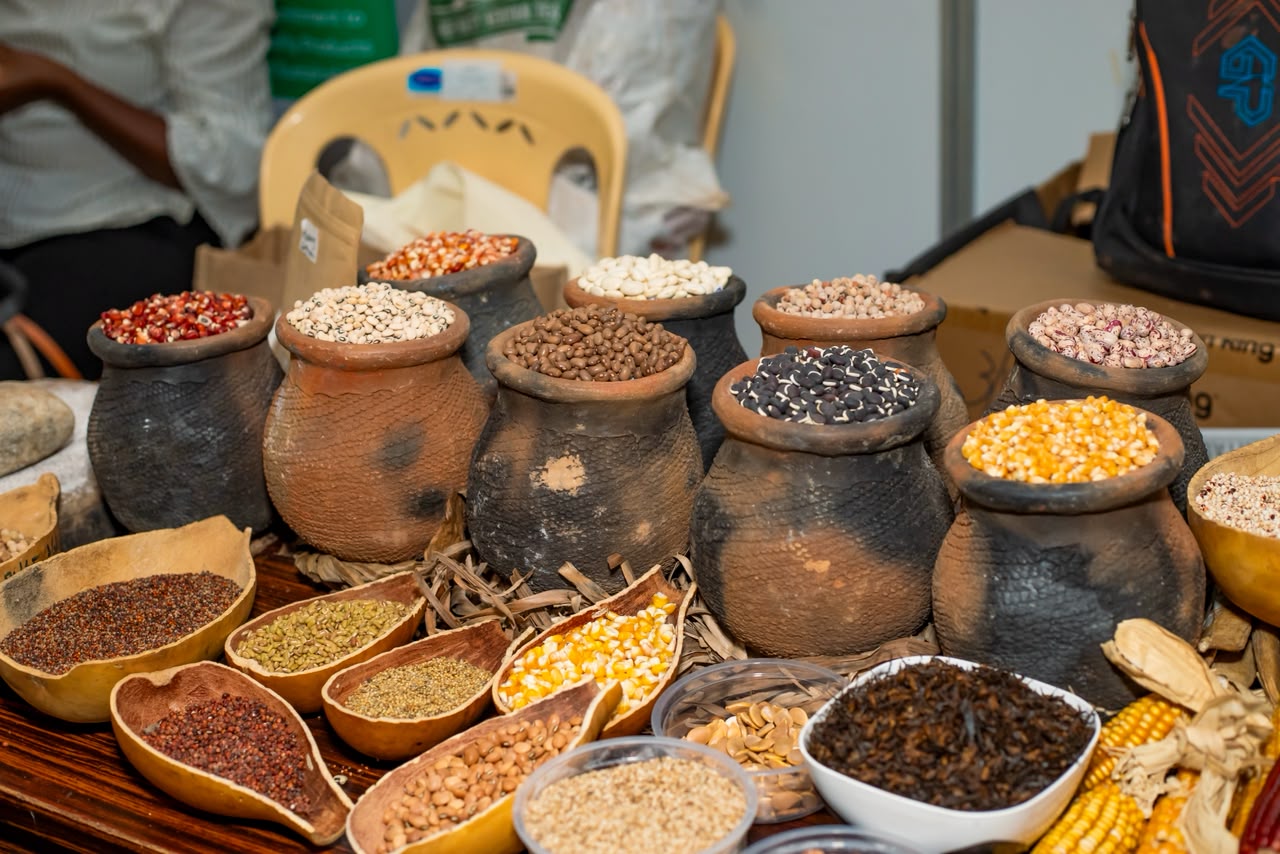
The discussions in Nairobi are therefore looking beyond crop production to consider the wider range of resources that sustain agricultural biodiversity. These include indigenous livestock breeds, tree seeds and underutilised crops, all of which contribute to the resilience of local food systems.
The conference has organised its discussions around six key areas: community seed practices, climate resilience, social justice, economic innovation, digital rights and policy governance. The digital rights discussions are particularly important as advances in science and technology raise new questions about who owns and controls genetic information and traditional knowledge associated with seeds.
For the organisers, the aim is to ensure that farmers are recognised not merely as consumers of commercial seed but also as custodians and developers of valuable genetic resources. Their knowledge and contribution, they argue, must be reflected in the policies and decisions shaping the future of agriculture.
A major expected outcome of the conference is the establishment of a regional community of practice bringing together farmers, researchers, seed custodians, civil society organisations and policymakers. The platform is expected to strengthen partnerships, facilitate knowledge sharing and coordinate action beyond the four-day meeting.
Ultimately, the question facing Eastern Africa is whether its emerging seed policies will protect the traditional systems that have sustained farming communities for generations or create additional barriers to their survival.
As climate change, biodiversity loss and pressure on food systems intensify, protecting indigenous seeds is becoming an increasingly important part of the conversation about the right to food.
For the farmers who depend on them, the ability to save, share and plant their own seeds is not simply about preserving the past. It is about retaining the power to grow food, sustain livelihoods and secure that choice for future generations.