|
Getting your Trinity Audio player ready...
|
By Victoria Musimbi
Nairobi, Kenya: In the informal settlements of Nairobi, many young women face obstacles such as poverty, disrupted schooling, and early pregnancy that complicates their paths forward. However, practical skill acquisition offers a clear pathway toward economic independence.
A local initiative addresses these challenges by equipping women in vulnerable circumstances with practical tailoring expertise and linking them to broader support systems. Participants undergo technical training paired with post-graduation assistance to ensure they can apply their skills effectively.
The local community groups play a key role by referring candidates and connecting them with additional social support. Ultimately, the programme instills new confidence in its graduates, empowering them to build sustainable livelihoods that enhance the well-being of both themselves and their families.
A Second Chance After Hardship
At 17, Agatha Obwire Sande had already experienced setbacks that forced her to put her education and childhood dreams on hold.
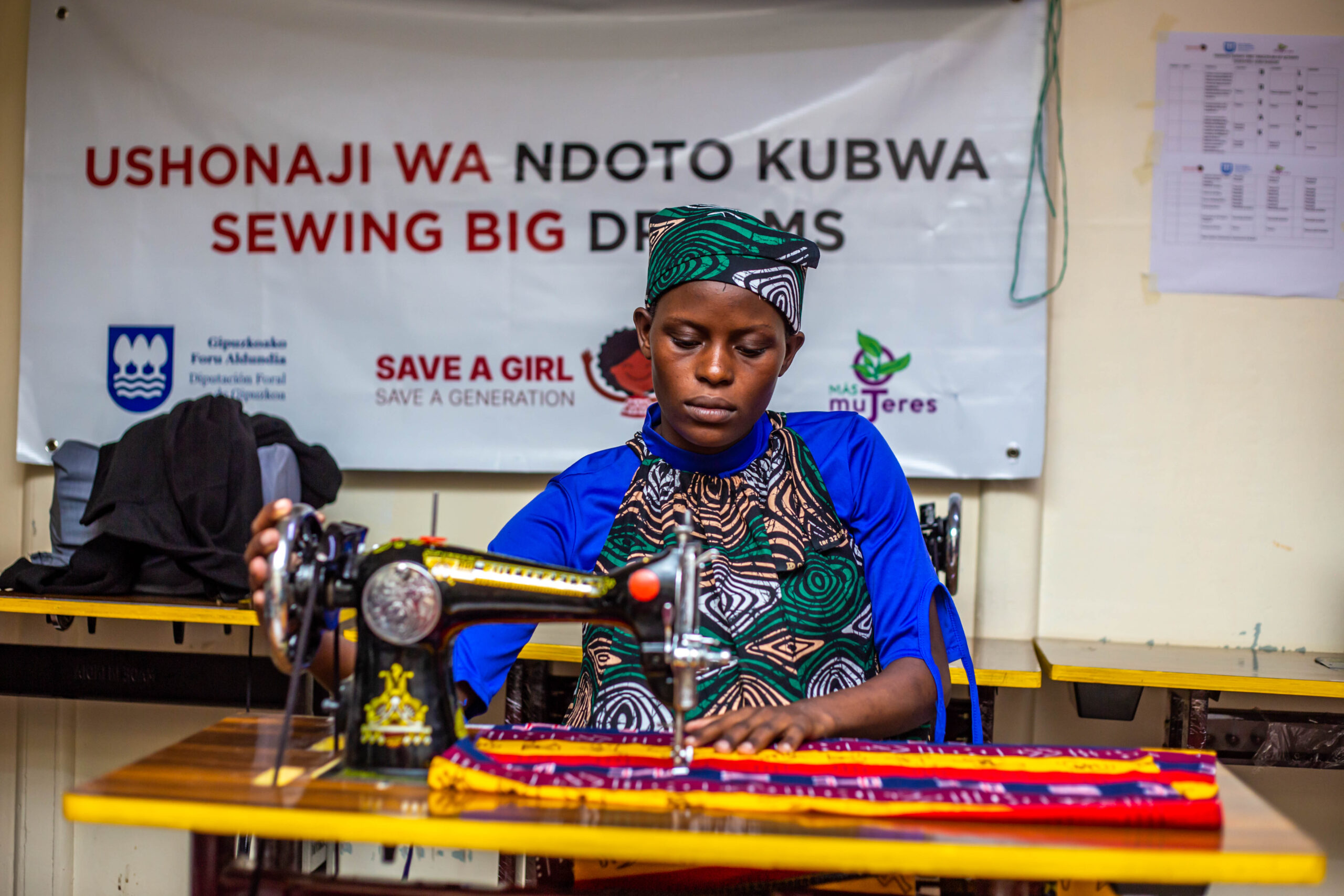
“I dropped out of school in Form Two because we were struggling. I was staying with my sister, but we could barely make ends meet,” she says.
From Mathare, she says she would have loved to complete her education, but poverty made that difficult. As she struggled to survive, she became pregnant and moved in with the father of her unborn child, a mechanic who was also financially unstable.
For Agatha, pregnancy brought new challenges. As she prepared to become a mother, she faced financial difficulties and challenges accessing antenatal care. She could not afford the costs involved, forcing her sister to plead with a hospital to allow her to receive care.
Her experience reflects difficulties that can confront adolescent mothers, including poverty, interrupted education and limited access to information and services on sexual and reproductive health and rights. Without adequate knowledge and support, young mothers can find it difficult to make informed decisions about their health and future.
It was during this period that she met a doctor who introduced her to Save a Girl Save a Generation, an organisation supporting vulnerable women and girls. The doctor then connected her with a fashion design tutor.
“I told her that I wanted to learn how to sew, and she gladly enrolled me in the programme,” she says.
At the time, she had lost hope and was uncertain about the future. But the programme gave her more than a practical skill. She met women who shared their experiences, encouraged one another and helped her realise she was not alone.
“The programme does not just give you skills; it gives you a family and people you can rely on,” she says.
Before joining, she did not know how to sew. Through training, she acquired the skills and graduated with a sewing machine.
She plans to start small by seeking an attachment to improve her skills and repairing clothes as she builds a customer base. She hopes tailoring will enable her to provide for her child and become financially independent.
She is also appealing to partners and investors to support the programme so more vulnerable women and girls can access skills, support and opportunities to rebuild their lives.
Finding a New Direction
Taslima Adan, from Kariobangi North, completed Form Four in 2024 and hoped to study nursing. However, financial difficulties prevented her from joining college, leaving her at home without a clear path forward.
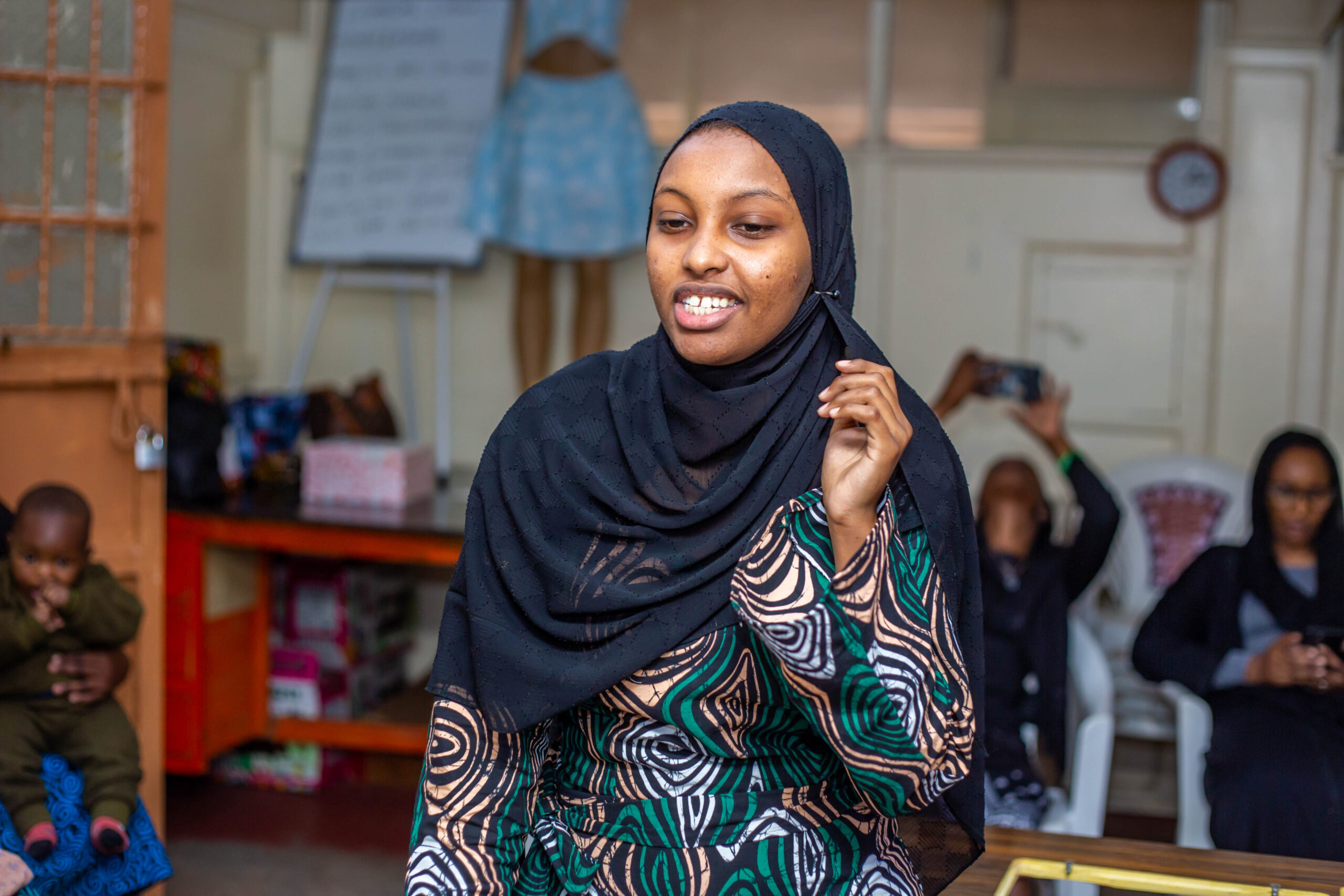
A friend later told her about the fashion and design training offered through Save a Girl, Save a Generation.
“I thought, what would I do if I stayed at home? Let me come and try,” Taslima said.
The training gave her a new direction. She learnt to make dresses and gradually developed a passion for fashion and design.
Taslima now hopes to use the skills to become financially independent. She plans to travel to Eastleigh to look for employment, save money and eventually raise capital for her own business.
“Within the next five or six months, I hope to have opened my own shop and started working for myself,” she said.
She thanked the organisation for giving her an opportunity to acquire practical skills and encouraged other young people interested in fashion and design to seek similar opportunities.
“Instead of staying at home and wasting time, come and learn, gain skills and achieve something,” she said.
Connecting Women to Support
Silas Olanya of Shining Hope for Communities (SHOFCO) said the organisation works with communities through mobilisation, financial literacy and empowerment programmes targeting women and other vulnerable groups.
Through its urban network department, SHOFCO trains women in business skills and group formation while identifying members who need additional support and referring them to organisations and programmes that can assist them.
“We try to empower the community with the skills we have,” Olanya said, adding that the organisation focuses on understanding individual needs rather than simply providing handouts.
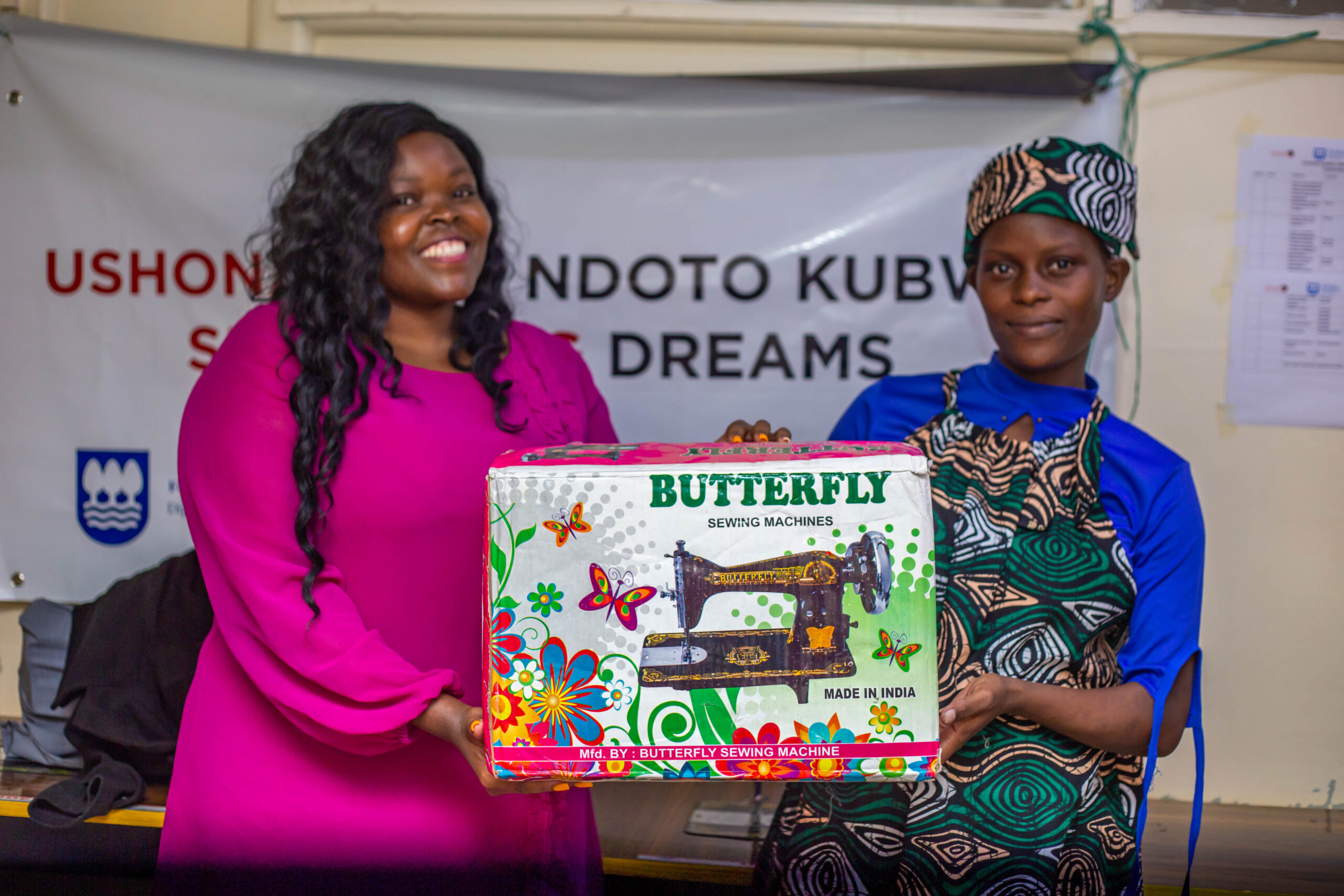
He said referrals are particularly important for community members who lack the capacity to meet their basic needs, enabling them to access financial and other forms of support.
Olanya said SHOFCO would continue linking graduates to opportunities that can strengthen their livelihoods.
“We still hope to work together more closely so that we can reach more girls and women who are struggling,” he said.
Community Partnerships Widen Access
Georgina Mueni, a human rights, youth and gender advocate at Kariobangi Social Justice Center, said the organisation documents, reports and monitors cases while referring people to relevant services.
Its work includes addressing gender-based violence, sexual and reproductive health rights, climate justice, gender and governance, with a focus on young people and marginalized women.
Through a partnership with Save a Girl, Save a Generation, the centre refers women to skills training programmes, including tailoring.
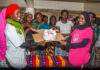
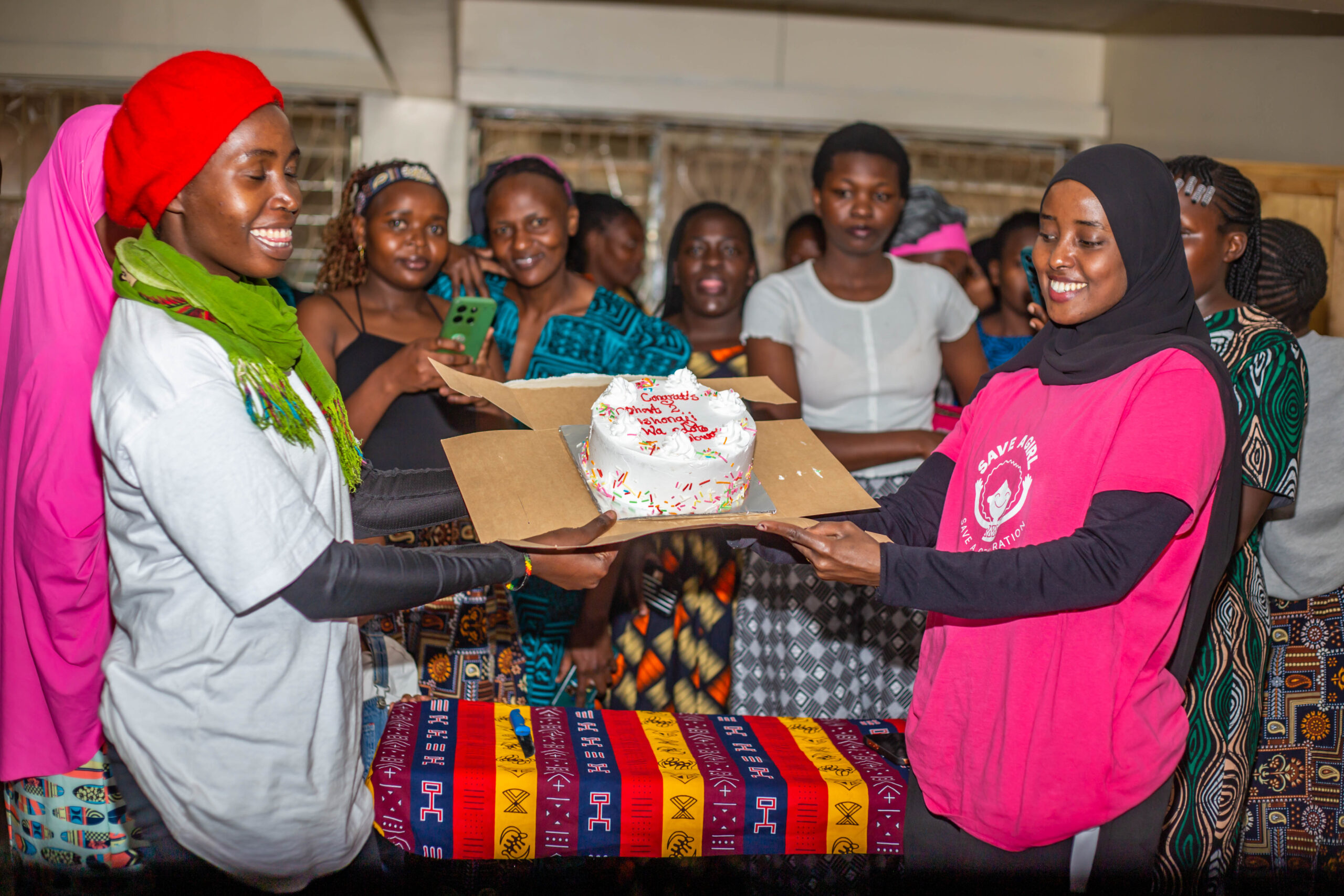
“We have referred some of our members to the programme, and five of them are graduating today,” Mueni said.
The centre is also mobilising women for the next cohort. Mueni said seeing trainees complete the training was encouraging because many had previously faced limited opportunities.
She said community-based organisations play an important role in identifying people who need assistance and connecting them to programmes that can strengthen their ability to pursue better futures.
Supporting Women Beyond the Classroom
Rosemary Nasimiu, a fashion design tutor and consultant with Save a Girl, Save a Generation, said the Ushonaji wa Ndoto Kubwa programme targets women from Kariobangi, Dandora, Korogocho, Umoja, Mathare and nearby informal settlements.
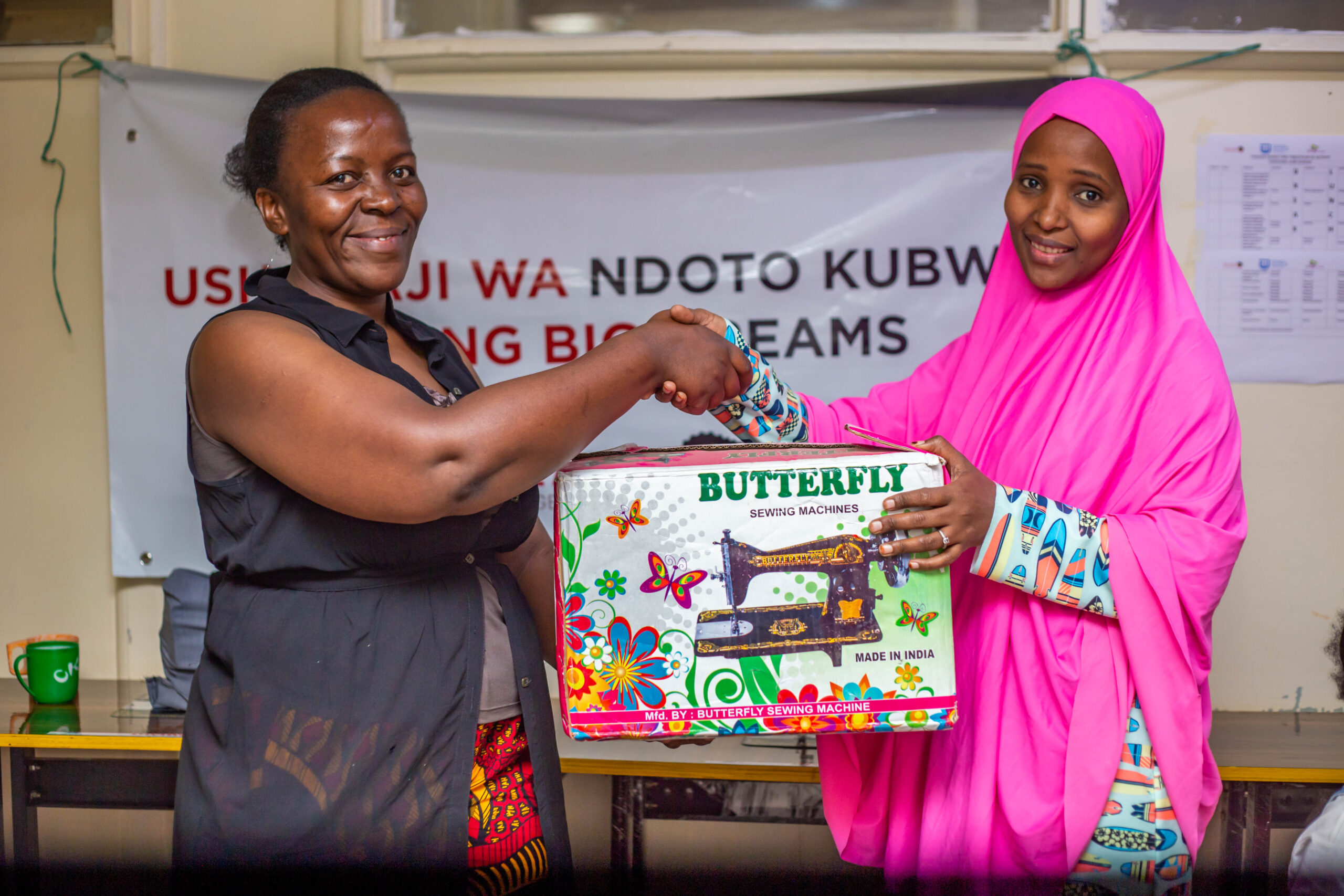
The programme supports women affected by gender-based violence through fashion design and tailoring training. Cohort One enrolled 15 women, four of whom dropped out because of personal challenges. All 19 women in Cohort Two completed the course, while 15 women are being targeted for Cohort Three.
“The women are happy with the skills they have acquired, which have empowered them to pursue their dreams and build better futures,” Nasimiu said.
One challenge is the lack of a daycare facility. Some mothers attend classes with their young children, making it difficult to concentrate while caring for them.
Save a Girl, Save a Generation and its partners provide training materials and equipment, while graduates receive start-up support after completing the course.
The programme also follows up with graduates to understand their progress, challenges and areas where further assistance may be needed.
Tackling Barriers to Economic Independence
Jacinta Kahwai, Project Manager of Save a Girl, Save a Generation Kenya, said the organisation works to prevent female genital mutilation (FGM), early and forced marriage and gender-based violence.
“Save a Girl, Save a Generation exists to end and prevent FGM, early and forced marriage, and all forms of gender-based violence,” Kahwai said.
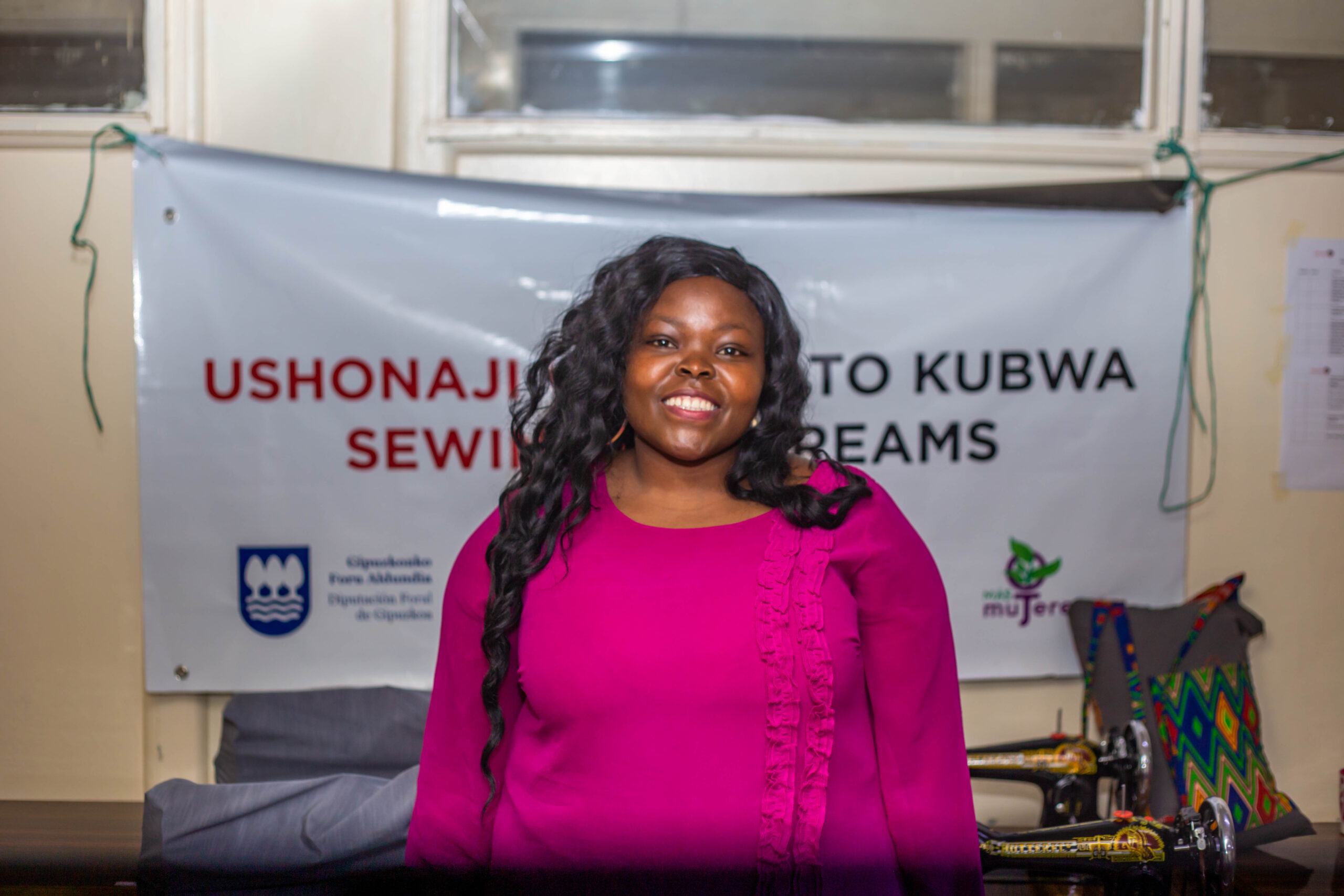
Based in Nairobi, the organisation runs programmes that provide protection, education and economic opportunities for women and girls. Through Safe in Nairobi, women who have experienced violence can access shelter, counselling, social support and skills training. Its literacy programme supports women who lack basic reading, writing and numeracy skills, while their children can also receive basic education.
In Eastleigh, its FGM prevention programme educates women about the health and psychological effects of FGM and their rights. Kahwai said some beneficiaries have returned to their communities to educate others and protect girls.
The organisation’s economic empowerment programme, Ushonaji wa Ndoto Kubwa, helps vulnerable women gain tailoring skills while also learning about their rights and recognising forms of violence they may have normalised.
Hunger and childcare remain challenges for some trainees. The organisation has created a small space where children can stay during training.
Certification is another barrier. Women seeking employment may require National Industrial Training Authority (NITA) certification, but the examination costs about KSh6,000, which many cannot afford.
“We are looking for ways to support them and are also linking graduates to opportunities after the programme,” Kahwai said.
She said the organisation is seeking partnerships with other organisations to expand its reach and support more women and girls.
“We would like to partner with other organisations so that we can support more women and girls and give them opportunities to improve their lives,” she said.