|
Getting your Trinity Audio player ready...
|
By Liz Anyango
Bomet, Kenya: In nature, rivers do not recognize political boundaries. They keep flowing, carrying water and everything that happens along their course from one landscape to another.
The Mara River is a living example. It begins in Kenya, flows through the Maasai Mara and crosses into Tanzania, where it supports the Serengeti ecosystem and communities along its course. What happens upstream therefore does not remain upstream.
Water flowing through the Mara River carries with it everything that happens along its journey from the forests and farms in its upper catchment in Kenya to the communities, wildlife and economies that depend on it downstream in Tanzania.
When the catchment is degraded, the effects do not stop at the border. When pollution enters the river, it travels. When rainfall changes, communities and wildlife on both sides feel the consequences.
That is the challenge facing the Mara River, a lifeline for communities, livestock, agriculture, tourism and wildlife in Kenya and Tanzania.
For 15 years, Kenya and Tanzania have marked Mara Day as a reminder of the need to protect the shared ecosystem. But with the river facing pressure from land degradation, pollution, increasing demand for water and climate change, a harder question is emerging: can the commitments made around the river finally translate into action that people can see on the ground?
The question was central as stakeholders gathered in Bomet County, Kenya, for the 15th Mara Day celebrations held on September 15
Held under the theme “Mara River, Diverse Lives: Keep It Thriving,” the celebrations brought together government officials, communities, conservation organizations and representatives from Kenya and Tanzania. Activities leading to the main event included tree planting, clean-up campaigns, exhibitions and marking of riparian setbacks along the basin.
But the problems facing the river are not new.
When I covered Mara Day in 2024, the conversation was already about a river under pressure. Communities and conservationists spoke about deforestation, sand harvesting, pollution, changing rainfall patterns and the growing demands placed on the river.
The Talk Africa article is here: Saving the Mara River: A Battle for Water, Wildlife, and Life but ttwo years later, the concerns remain, but there is now a stronger push to turn years of discussions into practical interventions.
The Mara is more than a river running through one of Africa’s most famous wildlife destinations. It is a permanent source of water for the wider Mara ecosystem and supports people whose lives and incomes depend on the river.
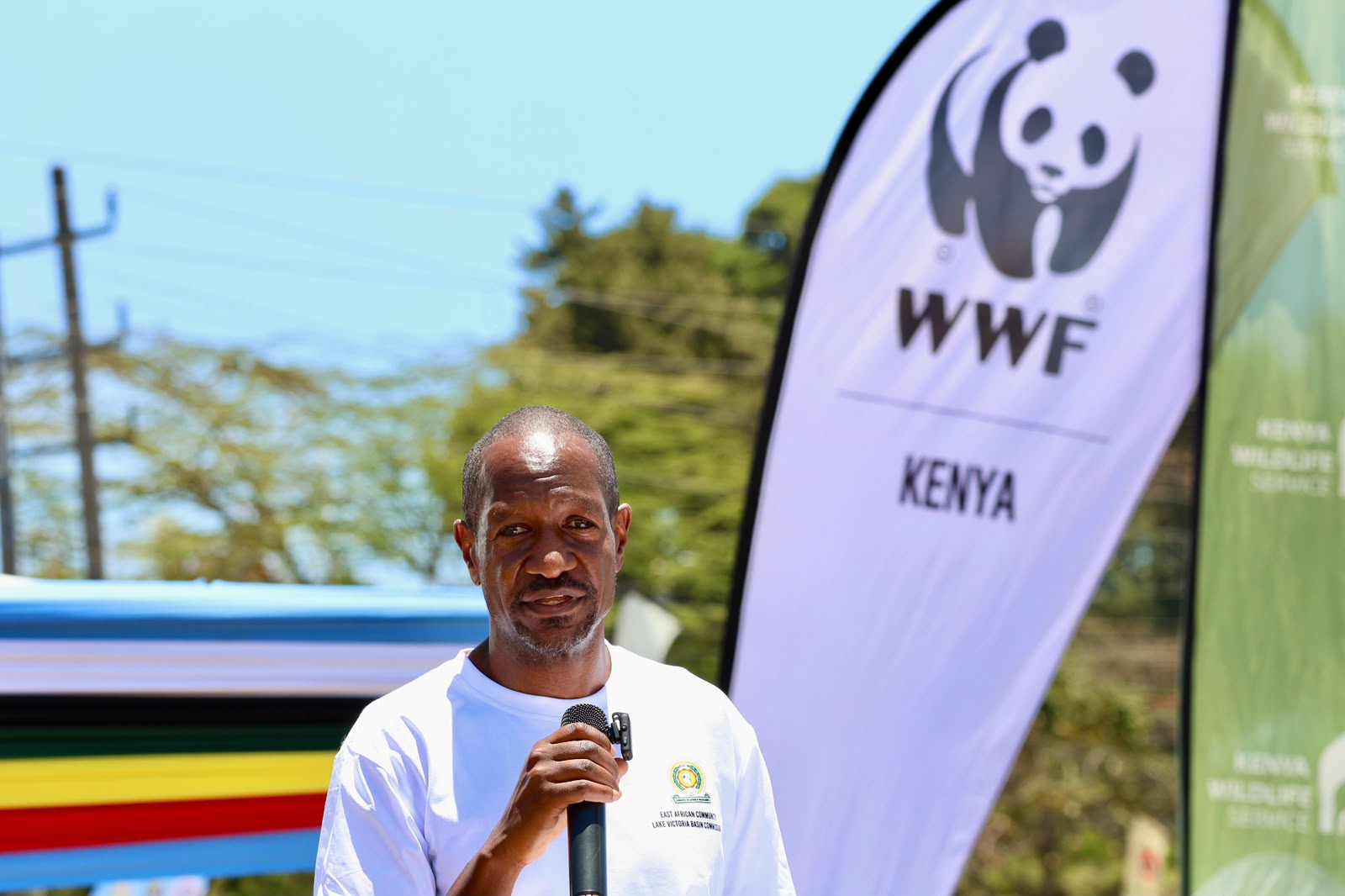
For the World Wide Fund for Nature-Kenya (WWF-Kenya), which has worked in the Mara since 2003, one of the significant changes over the years has been the growing involvement of communities in managing natural resources.
WWF-Kenya works across Kenya on conservation issues including protection of forests and freshwater ecosystems, wildlife conservation, climate action, sustainable livelihoods and efforts to reduce threats to nature. Its work in the Mara has included working with communities and other partners to strengthen institutions that can take part in managing forests and water resources.
Kevin Gichangi, Manager of the Kenya Rift Lakes Region at WWF-Kenya, said the organization has worked with partners to strengthen community institutions, including Community Forest Associations and Water Resource Users Associations, in Kenya and Tanzania.
“Over those many years, we have continued to collaborate with different partners, including development partners, and we have seen significant changes, especially in the formation and strengthening of community-based institutions in both Kenya and Tanzania,” Gichangi said.
Such institutions matter because protecting the Mara does not begin at the point where the river meets the eye. It begins in the forests, farms, wetlands and communities that determine what eventually reaches the river.
And because the Mara crosses a national boundary, what happens on one side can affect people on the other.
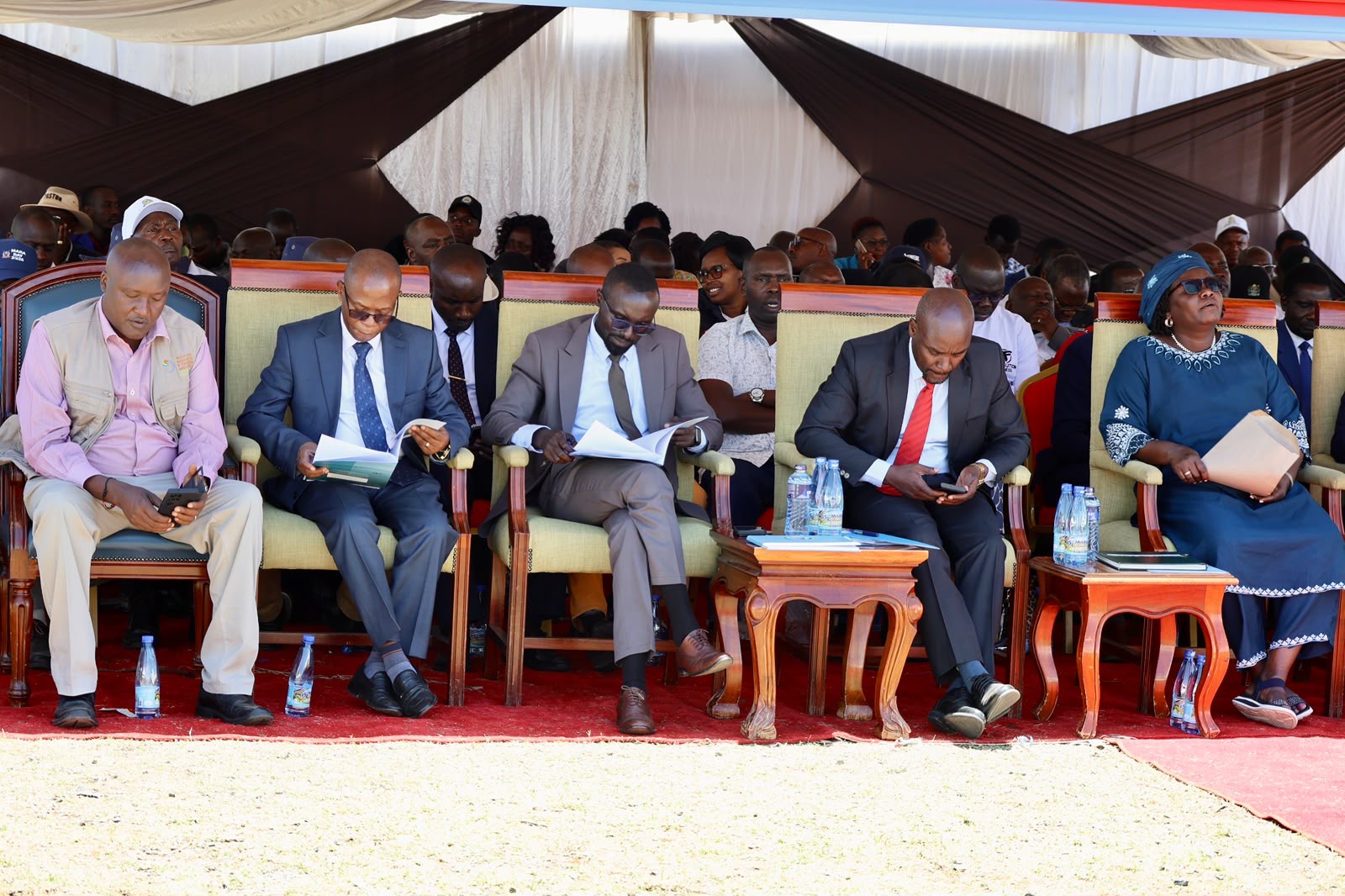
Bomet Governor Prof. Hillary Kipng’eno Barchok said the river cannot be sustainably managed through fragmented approaches.
He called for stronger cooperation between Kenya and Tanzania and greater involvement of governments, communities, researchers, conservation organisations and the private sector.
But he also offered a challenge to those involved in the annual event.
“Mara Day must therefore be a platform not only for celebration, but also for accountability and delivery,” he said.
That accountability is increasingly tied to the ability to understand what is happening to the river in real time.
Water, Sanitation and Irrigation Cabinet Secretary Eng. Eric Mugaa said Kenya, working with the Lake Victoria Basin Commission and East African partners, has installed hydrometric and gauging stations in several catchments.
The stations provide real-time information on river flows. That information can help authorities monitor water levels, issue warnings to communities living in flood-prone areas and improve the monitoring of dams.
For communities living along the Mara, such systems could become increasingly important as rainfall patterns become less predictable.
But knowing what is happening to the water is only one part of protecting it. What happens to the land feeding the river remains just as important.
Conservation Secretary at the State Department for Wildlife, Dr John Kipkorir Chumo, said the government is working with other agencies to protect and restore important catchment areas, including the Mau Forest.
Healthy rivers, he said, are essential for hippos, crocodiles and the wider aquatic ecosystem.
Pollution is Another Concern
The river’s health affects not only wildlife but also people using its water for agriculture, livestock and other livelihoods.
Beatrice Askul Moe, Cabinet Secretary for the Ministry of East African Community, ASALs and Regional Development, said declining water quality, unsustainable land use, degradation of upstream watersheds, pressure on forests and increasing demand for water are among the threats facing the Mara.
She called for Kenya and Tanzania to deepen cooperation through the East African Community and the Lake Victoria Basin Commission, with priorities including catchment protection, restoration of degraded landscapes, climate resilience and responsible water use.
The need for cooperation is difficult to ignore.
The Mara begins its journey in Kenya before flowing into Tanzania, where it supports the Serengeti ecosystem and communities along the river. What happens upstream therefore has consequences downstream.
That is why Mara Day has become more than an annual celebration.
The day was established by the East African Community in 2012 and has provided a platform for Kenya and Tanzania to discuss the conservation and sustainable management of the shared basin. The celebrations rotate between the two countries, with the 14th edition held in Butiama, Tanzania, in 2025.
But after 15 years, the challenge is no longer convincing people that the Mara matters.
The harder task is making sure that agreements and promises translate into restored catchments, protected riverbanks, cleaner water, sustainable farming, responsible water use and communities that have the support to protect the resources on which they depend.
Gichangi says the experience of the Mara has shown the importance of bringing different actors together. For the government, improved monitoring and early-warning systems are part of the response. For communities, conservation has to make sense alongside livelihoods. And for Kenya and Tanzania, managing a shared river requires looking beyond the border.
The Mara therefore presents a test that is bigger than one celebration.
It is a test of whether two countries can manage one ecosystem together, whether communities can benefit from protecting the natural resources around them and whether years of conservation conversations can finally be measured in healthier landscapes and a healthier river.
Fifteen years after Mara Day began, the message remains clear: the Mara supports diverse lives.
The question now is whether the actions taken to protect it will be strong enough to keep those lives thriving.