|
Getting your Trinity Audio player ready...
|
By Gideon Mutembei
Nairobi, Kenya: Nearly two-thirds of Kenyan journalists report experiencing moderate to severe symptoms of depression, while one in three intends to abandon the profession as soon as possible due to low pay and job insecurity.
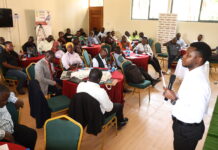
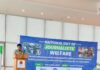
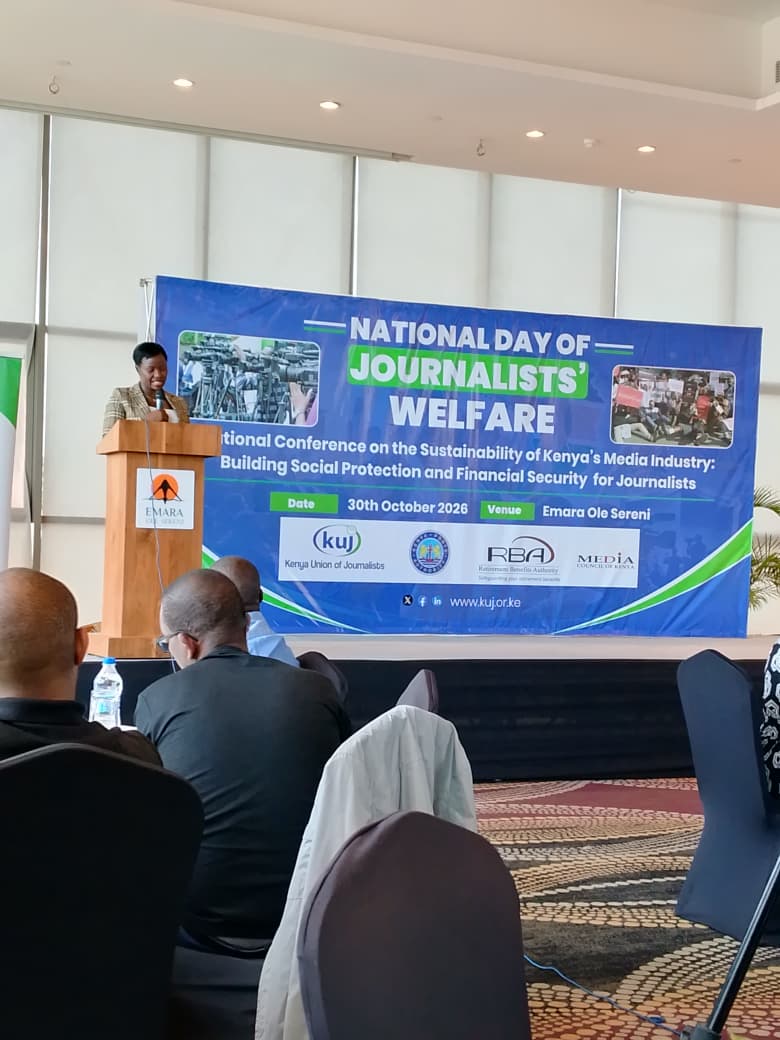
These findings were presented in the State of Journalists’ Welfare Survey, recently published by the Kenya Union of Journalists (KUJ) alongside the Media Council of Kenya (MCK) during the National Conference on Sustainability of Kenya Media Industry: Building Strong Social Protection and Financial Security for Journalists.
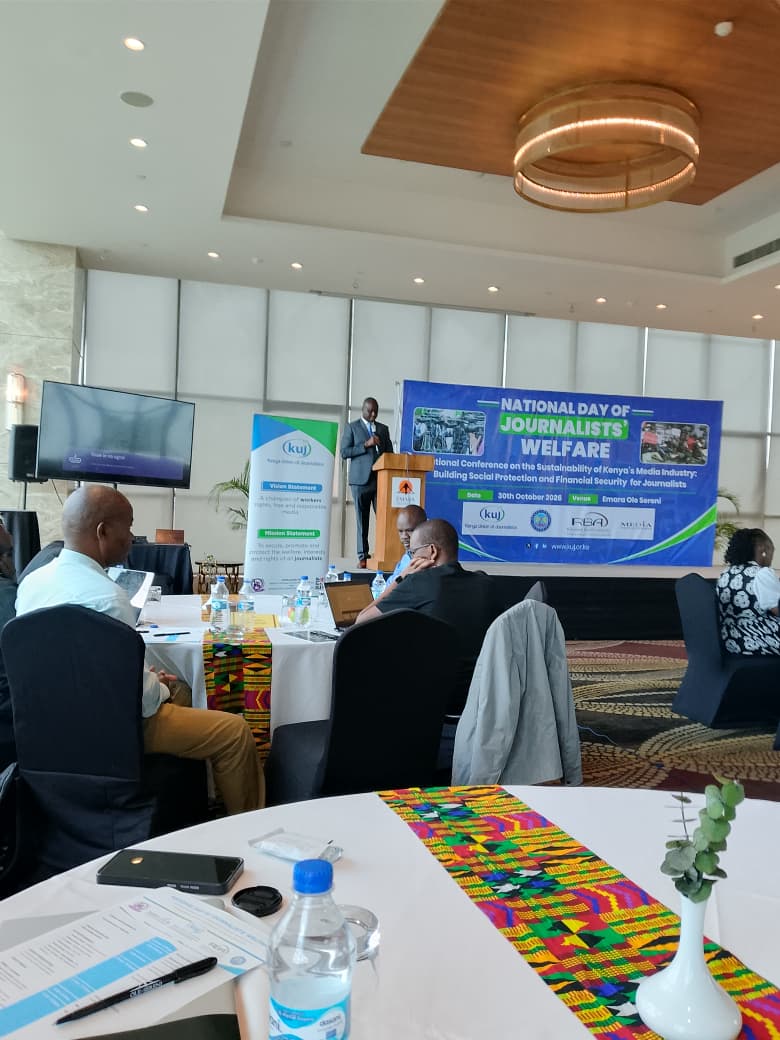
The research gathered data from 120 media professionals across various roles and news organizations.
Survey Key Findings
Pay Crisis: From the survey, Kenyan Journalists earn an average of KES 63,000 (~USD 485), but 52% earn less than KES 50,000 (~USD 385) — below the national average wage of KES 86,000 (~USD 660).
48% have not had a pay review in over 3 years, and 82% do not receive allowances or bonuses.
Job Insecurity: 55% lack job security, engaged as correspondents, freelancers, or contributors.
Workload: Journalists work 8.5 hours daily, with over 65% facing increased workloads in the last 5 years without a pay increase.
Mental Health: 65% show depressive symptoms, including thoughts of self-harm and suicidal ideation, yet only 25% have sought professional mental health support.
Mass Exit Looming: 89% are actively looking for a job outside their current workplace, while 1 in 3 wants to leave journalism completely.
Speaking at the launch, KUJ Secretary-General Eric Oduor said,
“We cannot turn a blind eye to the welfare of journalists because their morale has an impact on their output. We cannot expect a journalist who is not properly remunerated to play the watchdog role, speak truth to power and serve the common good of the society.”
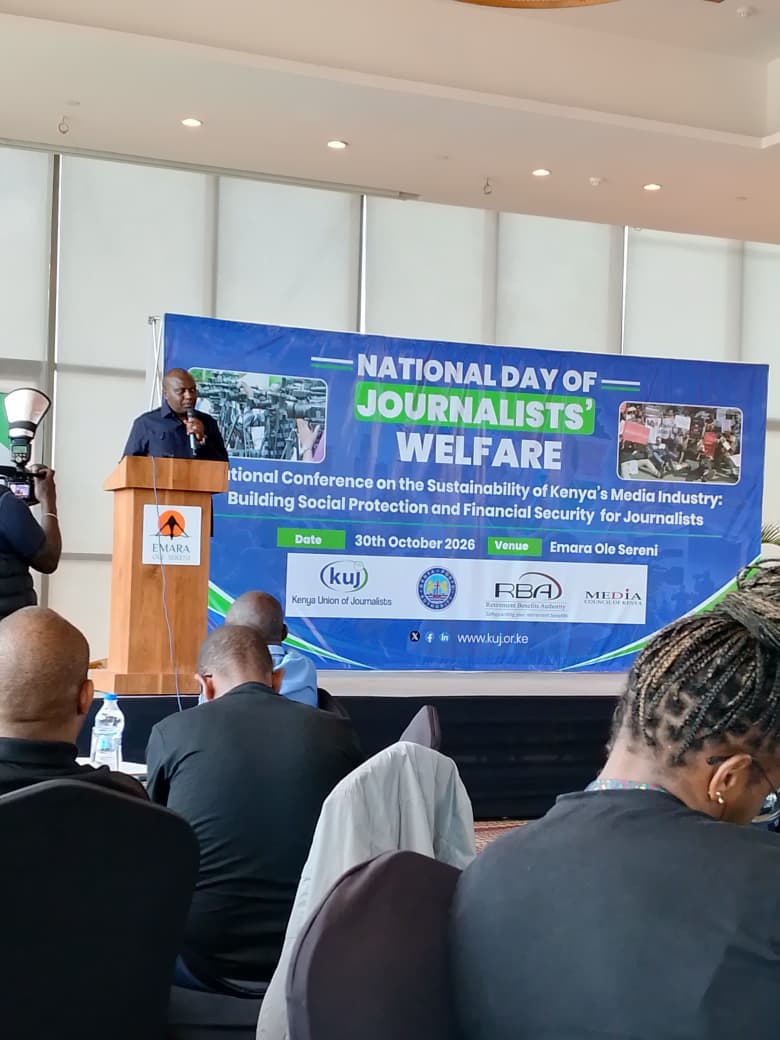
MCK CEO David Omwoyo said the survey moves the conversation from individual experiences to an informed industry-wide discussion.
Principal Secretary for MSMEs Development Susan Mang’eni said journalists’ welfare is tied to a healthy economy, urging journalists to join hands with the government,
“The government is not an enemy.”
Addressing financial security, James Ratemo, Head of Corporate Communications at the Retirement Benefits Authority (RBA), advised journalists to establish saving habits early.
He emphasized that individuals need not wait for a higher income to start preparing for retirement, noting that retirement is no longer strictly bound by age and can occur sooner than expected. He highlighted that a young journalist’s greatest asset is time rather than a high salary.
“You do not have to wait until you earn a large salary to begin saving and retirement is no longer pegged on age, it can come early” said Ratemo.
Adding “The greatest advantage a young journalist has is not a big income. It is time”
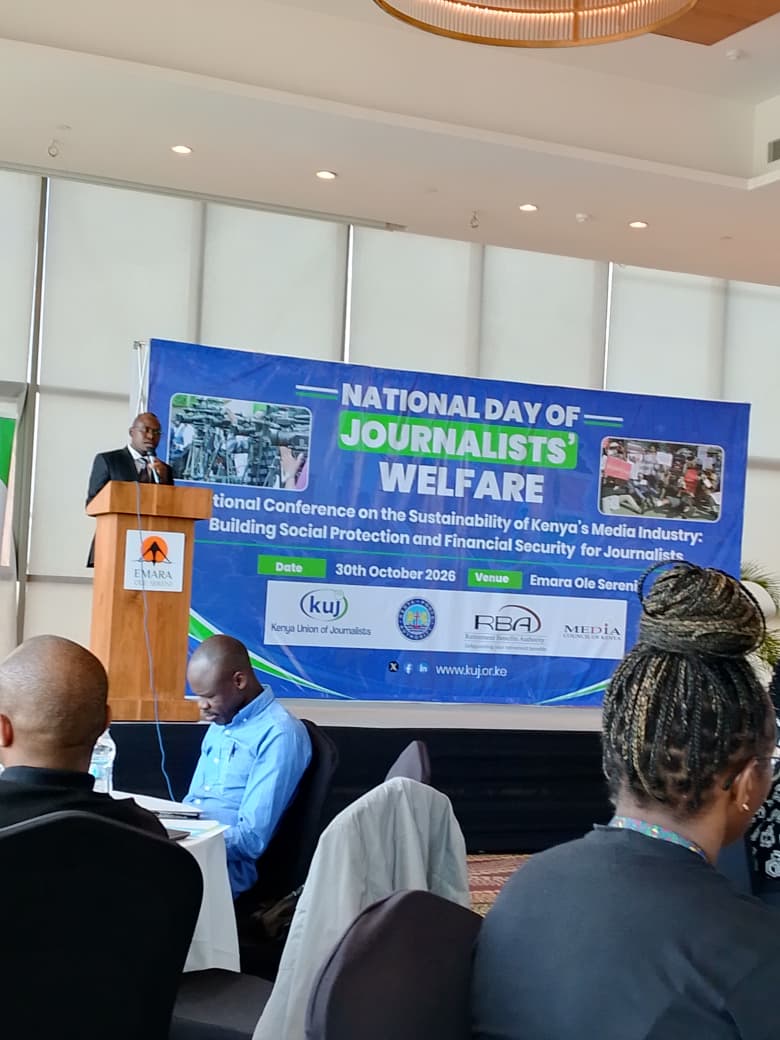
RBA also pledged to support KUJ to establish a Press Pension Scheme for non-permanent journalists, including freelancers and correspondents.
The mood lightened when the Ratemo further turned the lens on the journalists themselves. In a remark that drew laughter, he noted the irony that journalists who aggressively demand financial accountability from government and corporations often neglect their own financial planning.
“You do not have to wait until you earn a large salary to begin saving. The greatest advantage a young journalist has is not a big income. It is time,” he advised.
To avert an impending turnover crisis that endangers both press freedom and the public’s right to information, attendees at the conference called for swift corrective measures.