|
Getting your Trinity Audio player ready...
|
By Mary Mwendwa
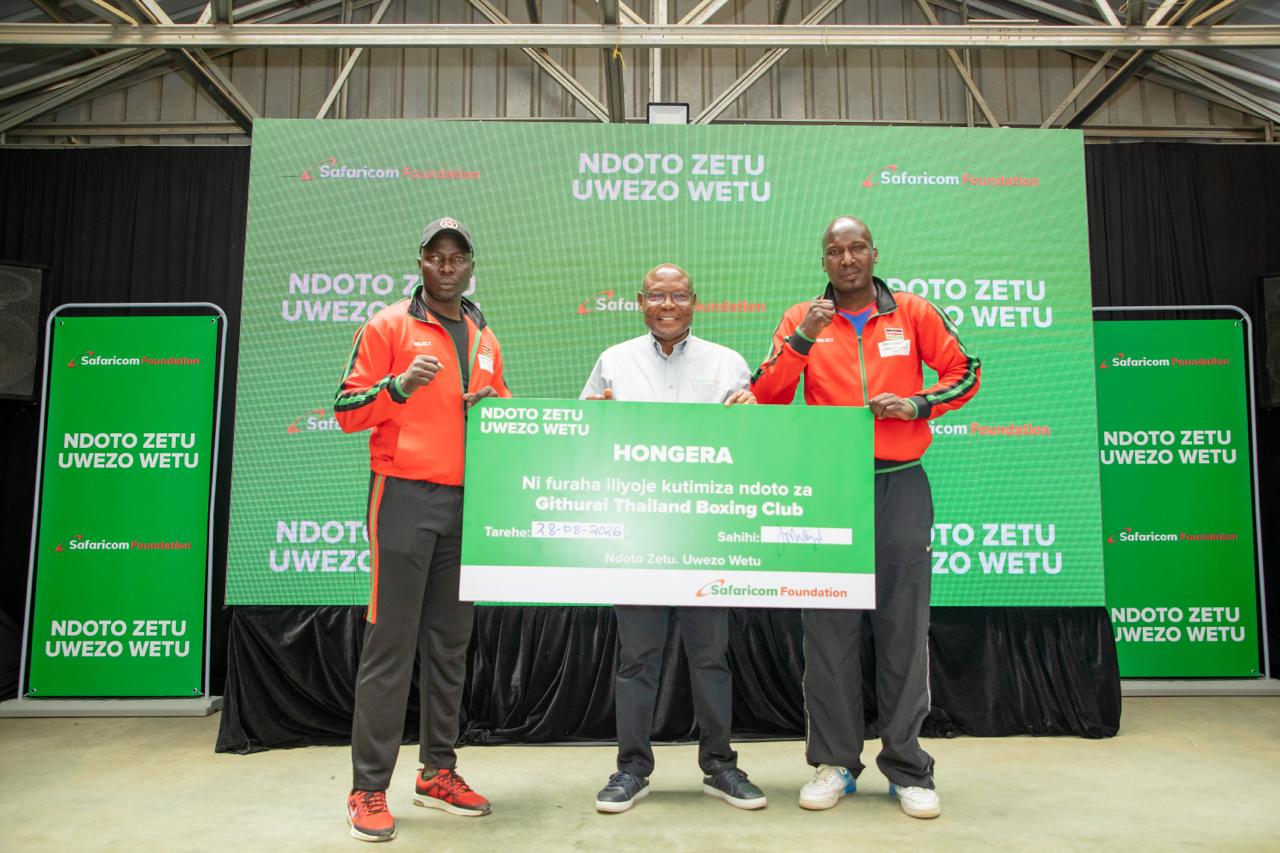
The Safaricom Foundation has officially launched Phase 8 of its flagship Ndoto Zetu initiative. The program has reaffirmed its long-standing commitment to sustainable, community-driven development in health, education, and economic empowerment across all 47 counties.
Since its inception in 2019, Ndoto Zetu (Our Dreams) has grown into one of Kenya’s most significant grassroots development programmes, turning local aspirations into tangible solutions. The initiative operates on a simple yet powerful premise: ordinary Kenyans understand the challenges facing their communities best, and with the right support, they can drive meaningful change.
In this eighth phase, the Foundation will invest KES 100 million, bringing total investment in the initiative to KES 700 million since 2019. This cumulative commitment has supported over 2,300 community projects, directly improving the lives of more than 7.1 million Kenyans nationwide. In Phase 7 alone, 301 projects were approved, benefiting over 1.9 million people.
This year’s phase introduces a distinctive approach: the Foundation will revisit proposals from previous applicants whose projects were not funded, offering them a renewed opportunity to secure support. The focus will be on identifying submissions with strong potential to deliver significant and lasting community impact, ensuring that no promising idea is left behind.
“With Ndoto Zetu, we are inspired by everyday Kenyans who dare to dream not just for themselves, but for their communities,” said Joseph Ogutu, Chairman of the Safaricom Foundation. “As we move into the eighth phase, we are giving Kenyans who have long wanted to create positive change in their communities another opportunity to make their dreams a reality. This year, we will consider impactful proposals from previous applicants that have not yet received funding from the Foundation.”
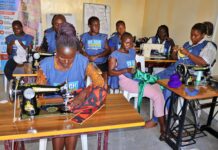
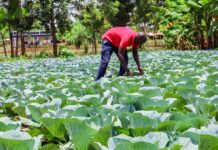
Since its launch, the Ndoto Zetu initiative has focused on three core pillars—health, education, and economic empowerment—with projects ranging from the distribution of sanitary towels and donation of maternity equipment to the construction of classrooms, water systems, and vocational training facilities. In 2024 alone, 400 projects were handed over, including 294 in education, 52 in health, and 54 in economic empowerment.
The project aligns with Kenya’s Vision 2030 and the Sustainable Development Goals, leveraging innovation and partnerships to scale community solutions through grants and low-cost financing. By partnering directly with communities to identify and address local challenges, Ndoto Zetu continues to create sustainable and meaningful impact across the country.