|
Getting your Trinity Audio player ready...
|
By Talkafrica Correspondent
Kampala, Uganda – A broad coalition of civil society groups, legal experts, and human rights organizations operating under their umbrella body, Community Advocates Solidarity for Civic Action (CASCA), has petitioned the Constitutional Court of Uganda to strike down the Protection of Sovereignty Act.
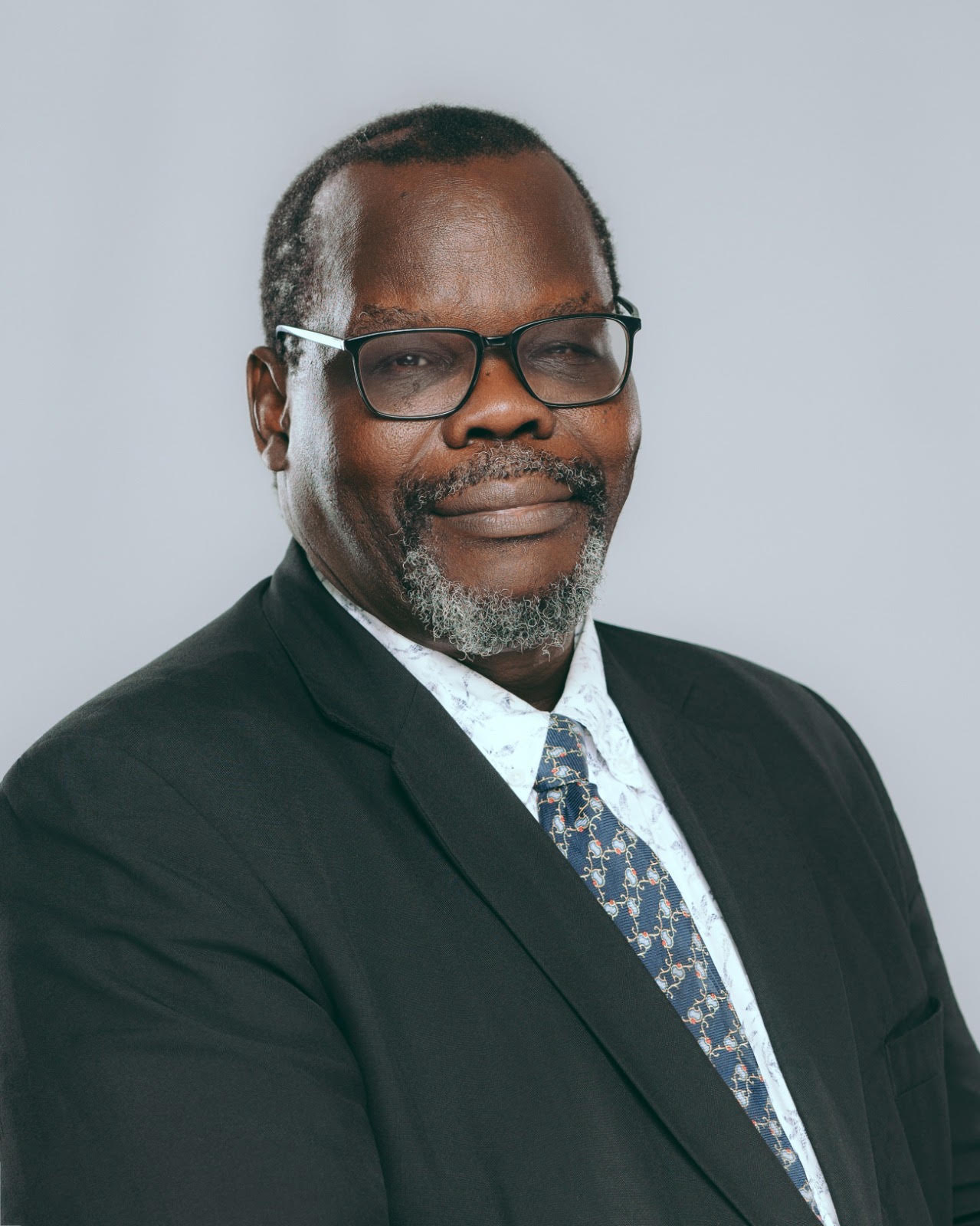
Constitutional law scholar Dr. Henry Onoria and the Ubuntu Law and Justice Centre filed the petition against the Attorney General
. This legal action aligns with principles upheld by the East African Court of Justice (EACJ) by challenging systemic rights violations, the criminalization of regional civic participation, and the discriminatory classification of East Africans as foreigners.
“A law such as this is dangerous, and we are confident it will not stand constitutional scrutiny,” warned lead petitioner Dr. Onoria. “The 1986 change was supposed to deliver Uganda from the echoes of dictatorship. Instead, the Protection of Sovereignty Act takes us back to pre-1986 tumultuous times, threatening all human rights progress. We are filing this petition to have it struck down as Ugandans continue their struggle for justice and freedom.”
Derrick Tukwasiibwe, a human rights lawyer, described the law as imposing an inherent and unfair burden on Ugandans who are working hard to earn a living to support their families, communities, and the nation. He further cautioned against the weaponization of the law by the Government of Uganda.
“There is a severe contradiction between the Act and the Ugandan Constitution,” Tukwasiibwe said, noting that while Article 1 mandates that all state authority emanates from the citizens, Section 13 criminalizes government scrutiny under the guise of economic sabotage. The clause levies harsh penalties on individuals and entities for publishing information deemed damaging to the economic system.
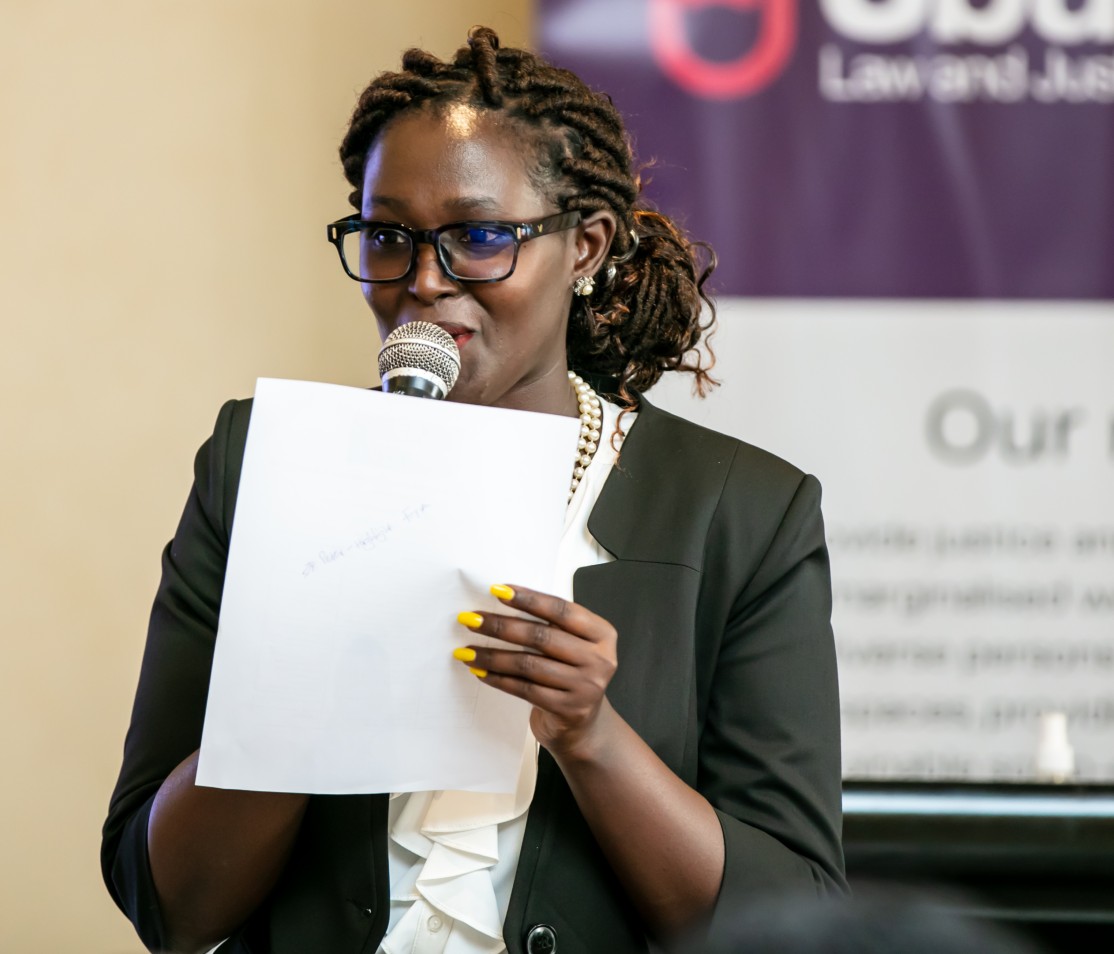
Interjecting, Frida Mutesi, a constitutional and human rights lawyer, stated that the Section 1 definitions, such as disruptive activities and interests of Uganda or foreign entities, are overly broad, conflicting with the principle of legality and constitutional norms.
“What happens when the people’s voice is taken away for fear of being seen as foreign agents?” Mutesi inquired. “Whose sovereignty are we talking about?”
Terming the new legislation aggressive, Dr. Onoria warned that it threatens the very survival of dissent and can be weaponized against anyone at any time. This legal environment forces Ugandan civil society organizations to walk a dangerous tightrope, with many pausing vital projects due to sweeping uncertainty.
Mutesi shared this bleak outlook, lamenting: “Under the harsh glare of a law that could declare one a foreign agent under wide and ambiguous conditions, many Ugandans are living in fear reminiscent of the historical times when Uganda experienced conflict and blatant dictatorships.”
A Troubled History: From 1986 to the Sovereignty Act
When President Yoweri Museveni’s National Resistance Movement seized power in January 1986, it raised hopes of security, political stability, and respect for human rights in a nation that had suffered wave upon wave of brutal atrocities under leaders like Idi Amin. The 1986 change was supposed to deliver Uganda from the echoes of dictatorship, as Dr. Onoria noted.
However, enthusiasm gave way to caution as the new government struggled with political crises, including treason charges against Cabinet ministers and growing concerns about arbitrary arrests and human rights abuses. Since 1986, state-civil society relations have been shaped by what scholars describe as a model of “technocratic governance” based on donor-driven economic growth, institutional reform, and political monopoly—a system where militarism and authoritarian rule have consistently limited democratisation.
Over the decades, the Museveni government has progressively restricted civic space. Following increased criticism of government policies, authorities passed laws requiring newspapers to register with a government-controlled Media Council that could revoke their licenses. In the wake of protests over high fuel and food prices, further restrictions were placed on civil society groups, including an NGO registration amendment act requiring organisations to re-register every three years, increasing bureaucratic hurdles that the government exploited to maintain control.
The Protection of Sovereignty Act, passed in just 20 days in May 2026, represents the latest and most aggressive chapter in this history. The Bill was fast-tracked through Parliament, with the government suspending Rule 170 of Parliament’s Rules of Procedure—which ordinarily guarantees clause-by-clause consideration and public scrutiny—to bypass deeper oversight. Critics warned that the law risks entrenching state overreach under the guise of national protection.
Data from the Uganda Law Society reveals the significant impact of the law: Uganda receives approximately $2.5 billion annually in diaspora remittances that keep families housed, fed, and educated. The law’s original draft controversially classified Ugandan citizens living abroad as “foreigners,” a provision only removed after public backlash. Had it remained, remittances critical to the economy could have been affected. The Economic Policy Research Centre has documented that Uganda relies heavily on these diaspora inflows, which contribute billions of shillings each year.
Amnesty International has documented that since the January 2026 general elections, repression has increased against all those perceived to oppose the Government, with at least 50 opposition leaders and supporters, five human rights defenders, and five journalists subjected to human rights violations, including enforced disappearance, torture, and arbitrary detention. The UN High Commissioner for Human Rights denounced the crackdown on dissent alongside a gradual erosion of the rule of law and increased military involvement in civilian institutions.
The Uganda Law Society has launched a Shs2.301 billion “Sovereignty Defence Fund” to challenge the law, warning that journalists working with foreign media houses, NGOs operating on donor funding, and lawyers retained by foreign clients could face prosecution. The Society’s President, Isaac K. Ssemakadde, warned: “A journalist who files a story for an international wire, or who simply takes a call from a foreign editor, could face years in prison”.
As Dr. Onoria and the coalition bring their petition to the Constitutional Court, the case will test whether Uganda’s constitutional protections—rooted in the 1995 Constitution’s promise of fundamental rights and freedoms—can withstand a law that critics argue takes the country back to the tumultuous times it sought to leave behind.