|
Getting your Trinity Audio player ready...
|
By Winnie Kamau
Nairobi, Kenya: Kenya and Azerbaijan are transforming their two-decade-old diplomatic ties into a strategic partnership covering trade, energy, agriculture, technology, urban development, education, and security. High-level momentum accelerated in 2025 and 2026 through visits and bilateral talks between President William Ruto and President Ilham Aliyev.
Driven by a shared focus on South-South cooperation, both nations are positioning themselves as regional gateways to foster economic, technological, and cultural exchange.
The shift has been particularly visible in 2025 and 2026, with Presidents William Ruto and Ilham Aliyev holding bilateral talks, senior officials exchanging visits and the two countries expanding cooperation across several sectors.
According to the Embassy of Azerbaijan in Kenya, the relationship is increasingly being shaped around South-South cooperation and at the centre of the emerging partnership are opportunities.
“A few years ago, the people of Azerbaijan and Kenya knew very little about one another,” the embassy notes, arguing that the relationship is now moving towards expanded trade, technological exchange and stronger cultural and people-to-people ties.
Ruto-Aliyev Diplomacy
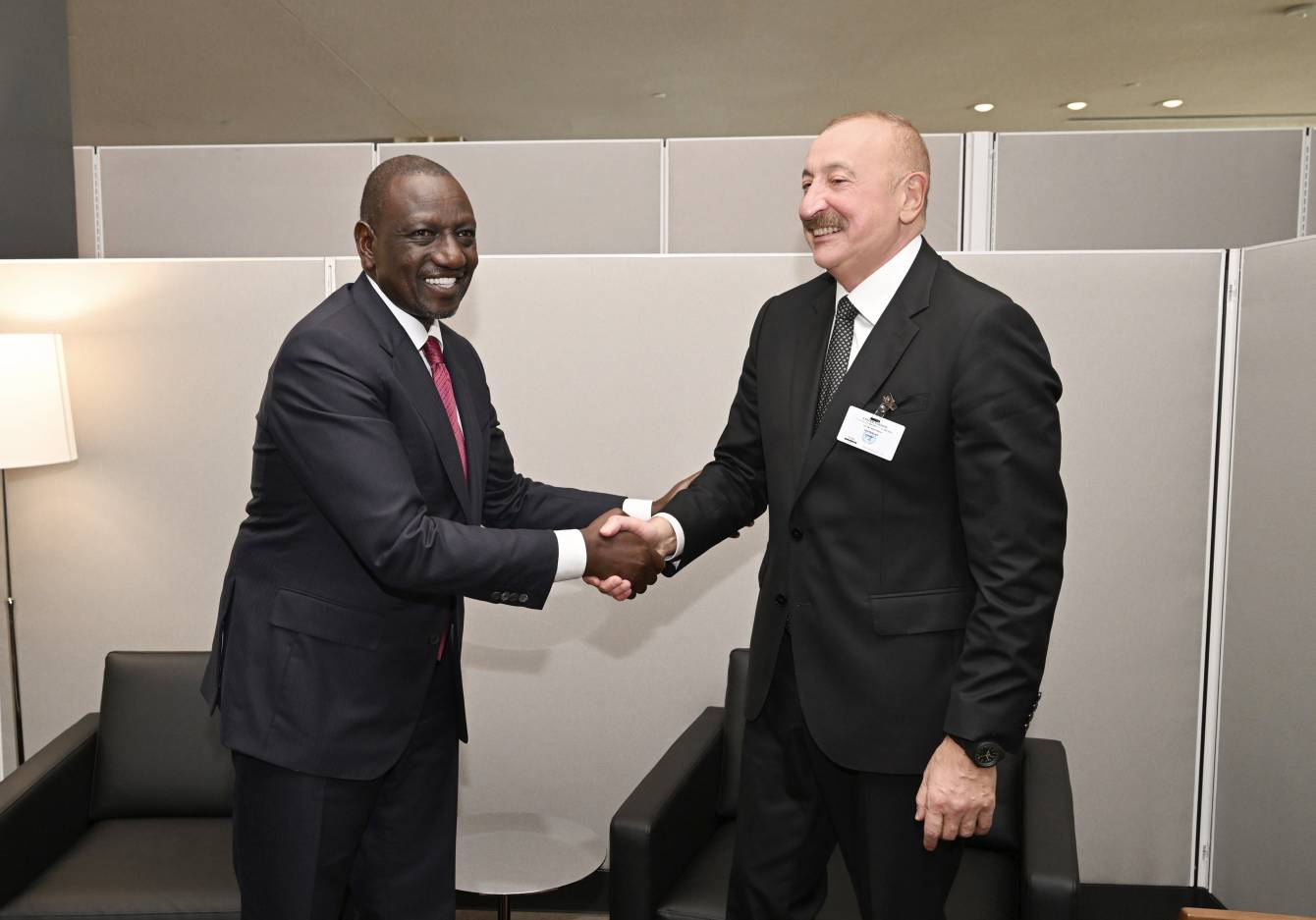
The relationship received fresh momentum early in the year in May 2026 when President Ruto met Azerbaijan’s President Ilham Aliyev on the sidelines of the 13th Session of the World Urban Forum in Baku.
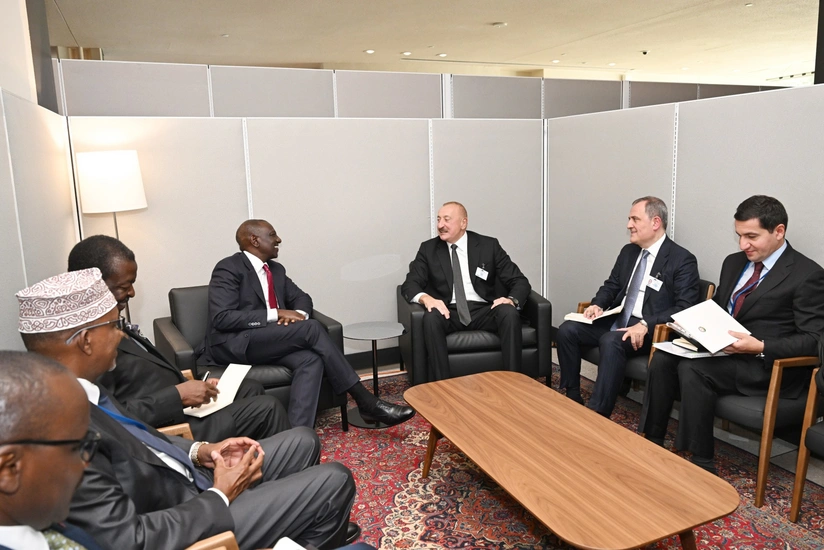
The two leaders discussed expanding economic, trade and strategic cooperation and exchanged invitations for official state visits.
The discussions identified several areas for cooperation, including oil and gas, renewable energy, affordable housing, trade and agriculture, infrastructure and defence. The meeting came as both countries seek partnerships that can support economic development and strengthen their international engagement beyond traditional regional alliances.
President Ruto also held talks with Rovshan Najaf, President of the State Oil Company of the Republic of Azerbaijan (SOCAR), focusing on potential cooperation in energy transition, technical exchange, oil and gas and renewable energy.
The engagement is particularly significant for Kenya as it seeks to attract strategic investment to expand energy generation and accelerate its transition towards cleaner energy sources.
Energy and Green Transition
Energy is emerging as one of the most promising areas of cooperation between the two countries. While Azerbaijan has long been associated with oil and gas, the country is also seeking to position itself in the renewable energy and energy-transition space.
For Kenya, which has built a reputation around geothermal, wind and other renewable energy resources, cooperation could provide opportunities for technical exchange and investment.
Azerbaijan’s Ambassador to Kenya, Sultan Hajiyev, said the two countries are already discussing areas that are considered national priorities.
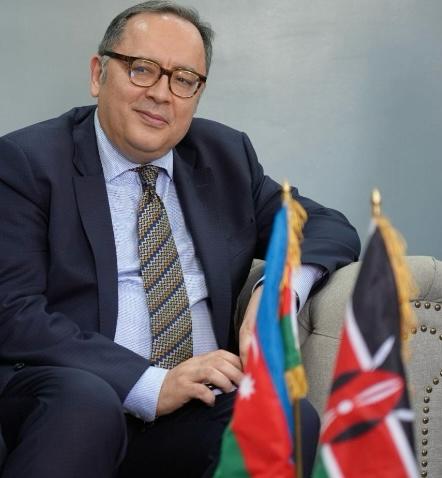
“Kenya and Azerbaijan are working actively on the areas considered among national priorities by both countries e.g. sustainable urban housing, climate change and energy, including green energy transition and beyond, ICT, agriculture, youth empowerment through education and more,” Hajiyev said.
Adding “The bond between Azerbaijan and Kenya represents a forward-looking South-South partnership,” he said.
From Urbanisation to Affordable housing
A deepened collaboration on sustainable urban development forged during the 2nd African Urban Forum (AUF2) held in Nairobi, Kenya and joint initiatives linked to the World Urban Forum (WUF13), convened by UN-Habitat and the Government of Azerbaijan at the Baku Olympic Stadium in May, 2026. Also present was the Assistant to the President of Azerbaijan and the Head of the Foreign Policy Affairs Department of the Presidential Administration H.E. Hikmet Hajiyev.
Urban development is another area where Nairobi and Baku are looking to exchange experience.
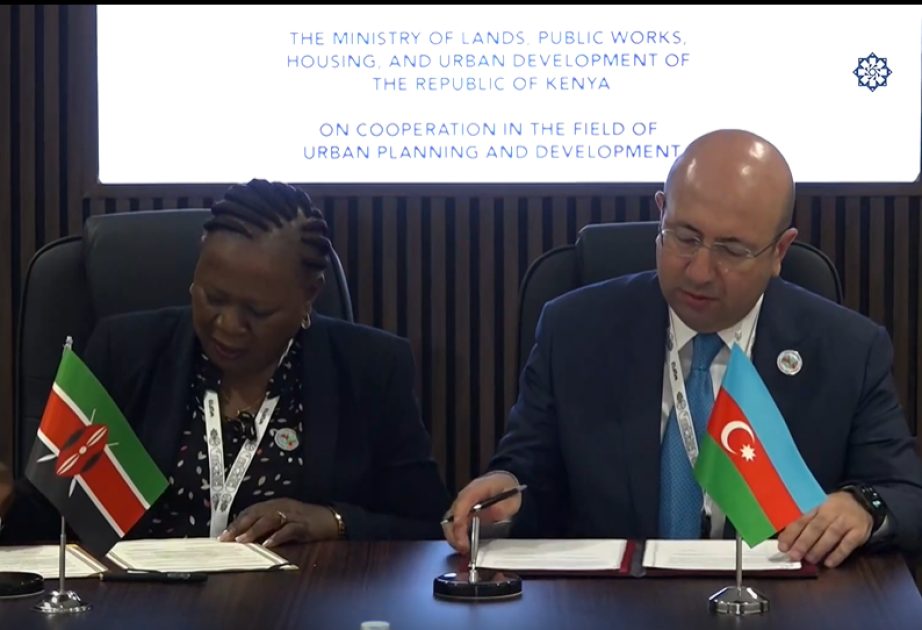
Kenya’s Cabinet Secretary for Lands and Housing, Alice Wahome, and Azerbaijan’s Chairman of the State Committee for Urban Planning and Architecture, Anar Guliyev, signed a Memorandum of Understanding in Baku in May 2026. For Kenya, the partnership comes as the country grapples with rapid urbanisation, a housing deficit and the need to develop more sustainable cities.
 Azerbaijan, meanwhile, is presenting its own experience in urban transformation as part of the engagement.
One example is Baku’s White City project, which transformed a former industrial and oil-refining area known as Black City into a modern urban development with residential complexes, green spaces, public transport and business centres.
The project followed a government environmental action plan launched in 2006 and is presented by the embassy as an example of combining environmental restoration with urban development.
Agriculture and Trade on the Agenda
Agriculture is also emerging as an important component of the partnership. The two countries are exploring opportunities to expand two-way agricultural trade, including Kenyan exports such as tea and coffee, alongside broader trade and investment opportunities.
The embassy says the partnership is also looking at professional opportunities in hospitality and technical vocational sectors, as well as cultural tourism. For Kenya, expanding access to new markets remains a priority as the country seeks to diversify its export destinations.
Deepening engagement with Kenya provides Azerbaijan with a strategic doorway into East Africa and broader markets across the continent. Far from a mere diplomatic gesture, this evolving alliance promises to function as a vital economic link connecting East Africa and the continent as a whole.
Education and Youth
Education and youth empowerment are another growing area of cooperation where Kenyan students are benefiting from fully funded higher education opportunities under a scholarship programme named after Azerbaijan’s national leader, Heydar Aliyev.
The Azerbaijani government and the Heydar Aliyev Foundation have also supported humanitarian initiatives in Kenya.

During her December 2024 visit to Kenya, Leyla Aliyeva, Vice-President of the Heydar Aliyev Foundation, discussed cooperation in education, healthcare, environment and culture.
She visited Nairobi Secondary School, where the foundation supported the establishment of a computer room, and Kangemi Health Centre, which received support including incubators for infants.
Through collaboration between the Azerbaijan International Development Agency (AIDA) and the Kenya Institute of Special Education (KISE), the two nations have launched a Youth and Innovation Hub at KISE. Bilateral cooperation also encompasses a historical heritage preservation initiative alongside the National Museums of Kenya in Nairobi and Mombasa, as well as a specialized project supporting St. Ursula’s Special School for Children with mental disabilities in Chamakanga.
Justice and institutional cooperation
The bilateral collaboration extends into the judicial sphere, highlighted by exchange visits and institutional agreements between both nations. Chairperson of the Supreme Court of Azerbaijan, H.E. Mr. Inam Karimov, visited Nairobi in February 2025.
Subsequently, in June 2026, Kenya’s Chief Justice Martha Koome led a delegation to Baku for high-level meetings with Mr. Karimov and H.E. Mr. Farhad Abdullayev, Chairman of the Constitutional Court of Azerbaijan.
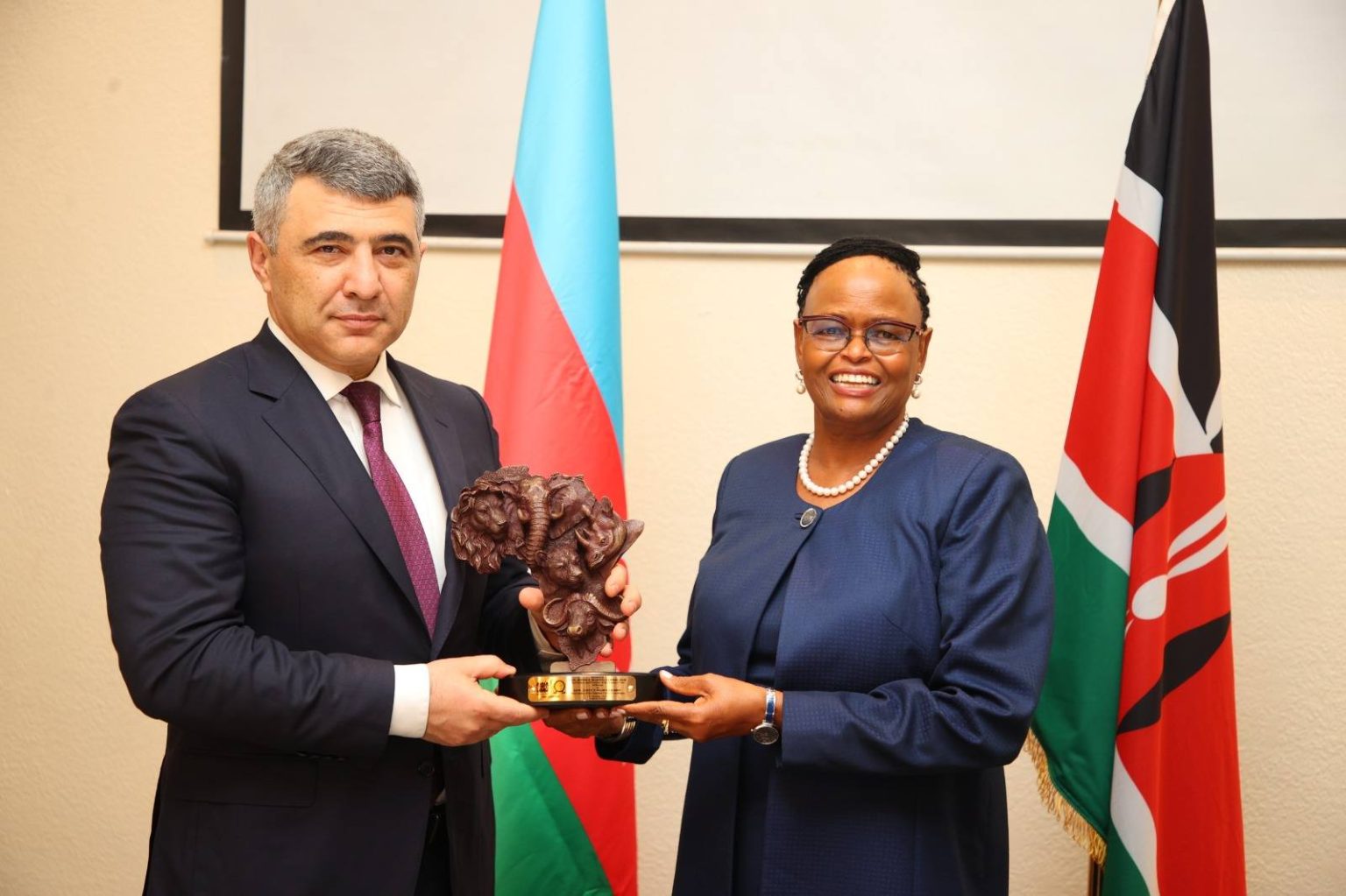
During this visit, the two Supreme Courts signed a landmark Memorandum of Understanding centered on judge capacity-building and enhancing specialized adjudication standards in energy, commercial, and environmental law.
Discussions between Kenya’s Director of Public Prosecutions, Mr. Renson Ingonga, and Azerbaijan’s Prosecutor General, Mr. Kamran Aliyev, during the latter’s June 2025 visit to Nairobi centered on legal reforms and the roles of their respective government institutions. The parties agreed to solidify their cooperative framework to jointly combat corruption and transnational crime.
Partnership between Penitentiary Systems of Kenya and Azerbaijan with both PS Salome Muhia-Beacco, Principal Secretary for Correctional Services having visited Baku and her Azerbaijani counterpart, Mirsaleh Seyidov, Deputy Minister of Justice of Azerbaijan and Head of the country’s penitentiary having attended Correctional Services week in Nairobi in 2025.
Security and humanitarian cooperation
Security cooperation is another element of the expanding relationship. Azerbaijan’s Minister of Defence Industry, Vuqar Mustafayev, visited Nairobi in November 2025 and met President Ruto.
Beyond standard diplomatic channels, the two nations are advancing dialogue on humanitarian mine action. In November 2025, a delegation representing the Mine Action Agency of Azerbaijan (ANAMA), under the leadership of Deputy Board Chairman Mr. Samir Poladov, was received by the International Peace Support Training Centre (IPSTC). This engagement provided the delegation with direct insight into the training capacities and operational initiatives of the Humanitarian Peace Support School regarding mine action.
Kenyan officials later participated in the International Mine Action Conference in Baku in September 2026.
A new Diplomatic Chapter
The latest phase of the relationship builds on a series of diplomatic milestones where in June 2025, Azerbaijan’s Foreign Minister Jeyhun Bayramov made his first official visit to Nairobi, where he met President Ruto and senior Kenyan officials.
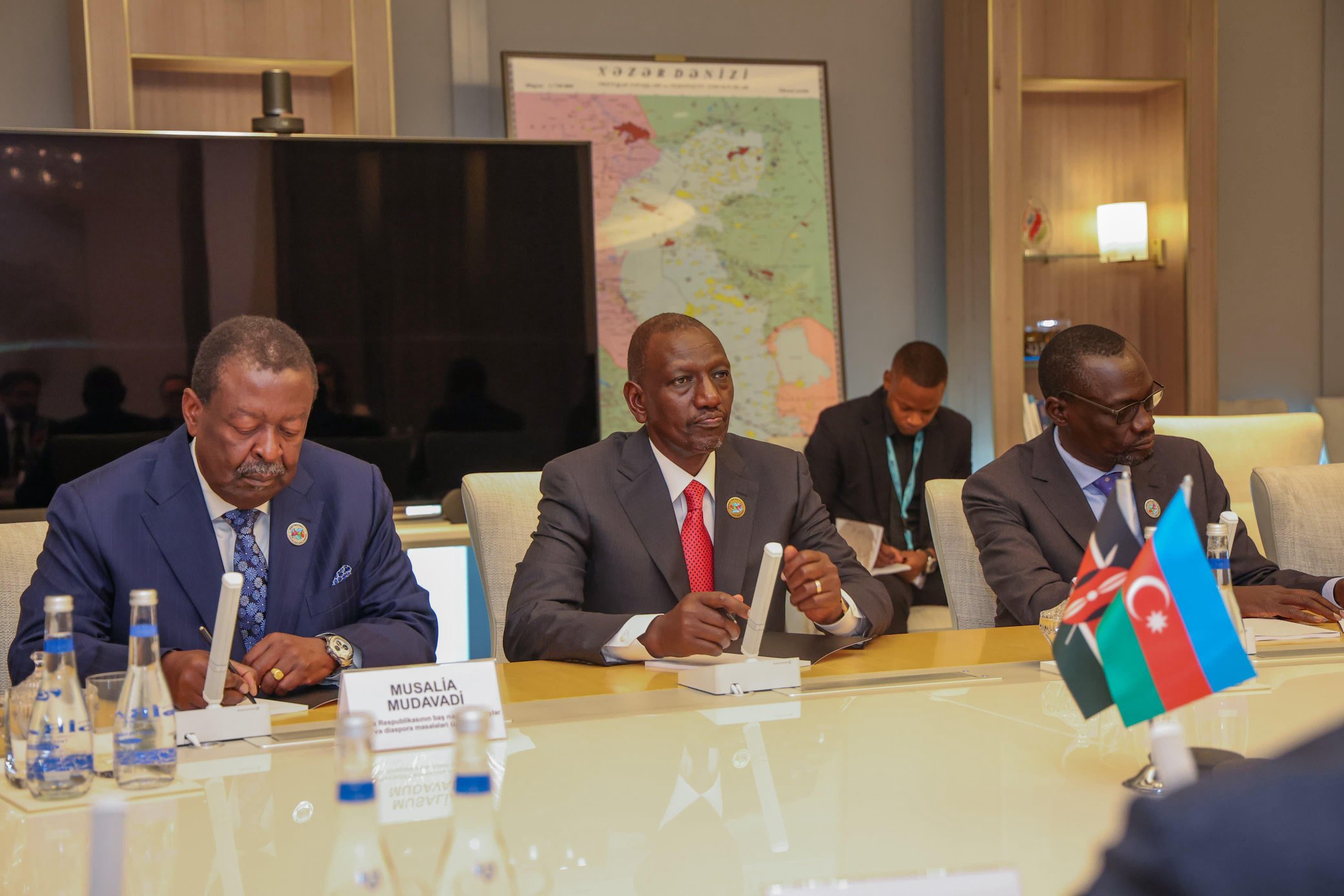 The visit coincided with the inauguration of the Embassy of Azerbaijan in Nairobi, marking a significant institutional step in the relationship alongside the celebrations for Azerbaijan’s Independence Day. The visit also underscored Azerbaijan’s growing foreign policy focus on African nations with Kenya as a key strategic partner and aimed to cement structural, diplomatic, economic, and legislative cooperation.
Bayramov also held discussions with Prime Cabinet Secretary and Cabinet Secretary for Foreign and Diaspora Affairs Musalia Mudavadi, National Assembly Speaker Moses Wetang’ula and Senate Speaker Amason Kingi.
The meeting with the National Assembly Speaker Wetang’ula centered heavily on the legislative branch of diplomacy on the margins of the visit, and it discussed advancing the parliamentary dimension of bilateral relations to build mutual understanding, shared values, and long-term legislative backing.
The meeting with Speaker of the Senate Kingi and Bayramov focused on institutionalizing grassroots and structural legislative ties between the two nations, developing inter-parliamentary dialogue as well as fostering direct interaction between parliamentary friendship groups and standing committees to enhance people-to-people and institutional bonds.
Beyond Government-to-Government Ties
The relationship is also being shaped by cultural and media exchanges. Azerbaijan has hosted international journalists at the Shusha Global Media Forum, with Kenyan journalists among those participating in the 2026 edition.
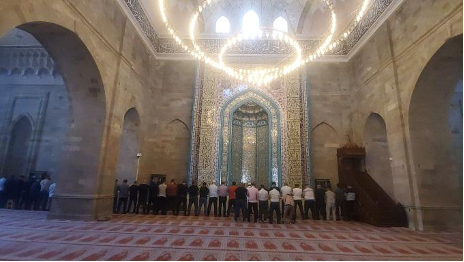 Held under the theme “The Mission of Media in Promoting Peace: Restoring Truth and Rebuilding Trust,” the forum brought together more than 100 international journalists and government representatives.
For journalists travelling between the two countries, such exchanges offer another dimension to the relationship allowing them to see beyond official diplomacy and understand the histories, cultures and ambitions of both societies.
A feature on the experience by Kenyan journalists Muhoro Pius W. and Bob Samuel describes Azerbaijan as a country where ancient heritage and rapid urban transformation coexist.
Their account highlights Baku’s Old City, the transformation of the former industrial Black City into White City, Azerbaijan’s cultural traditions and its hospitality.
From Diplomatic ties to Strategic Partnership
The challenge for Kenya and Azerbaijan now is to turn the growing number of agreements, meetings and exchanges into tangible outcomes for citizens.
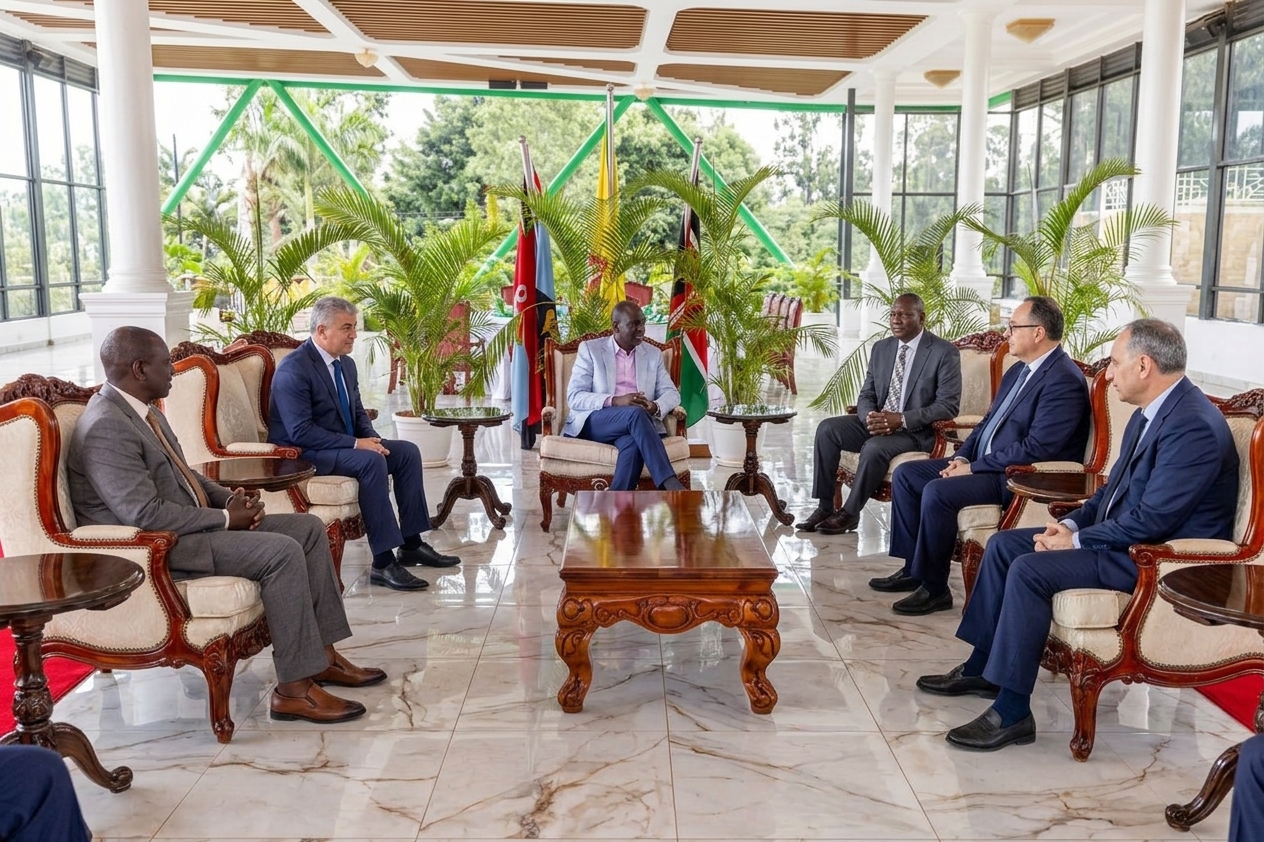
The trajectory suggests that the relationship is moving beyond traditional diplomatic engagement towards a more commercially and development-oriented partnership.
For Kenya, Azerbaijan offers a potential partner in a region with which East Africa has historically had limited economic and diplomatic interaction.
For Azerbaijan, Kenya provides a strategic gateway into East Africa and a platform for deeper engagement with the African continent.
As Ambassador Hajiyev puts it, the relationship is increasingly being framed as a “forward-looking South-South partnership.”
The next test will be whether that partnership can translate diplomatic goodwill into trade, investment, technology transfer, jobs and development outcomes for their people in both countries.