|
Getting your Trinity Audio player ready...
|
By Mercy Kachenge
Nairobi, Kenya: The Government has set aside KSh1 billion (7.68m USD) to support healthcare coverage for vulnerable adolescents, including pregnant teenagers, in a programme designed to address financial barriers that can leave young mothers and their newborns without adequate medical protection.
The initiative is also set to target adolescent refugees and minors without parents or guardians, with the Ministry of Health saying county governments must accelerate registration to ensure eligible beneficiaries access the programme.
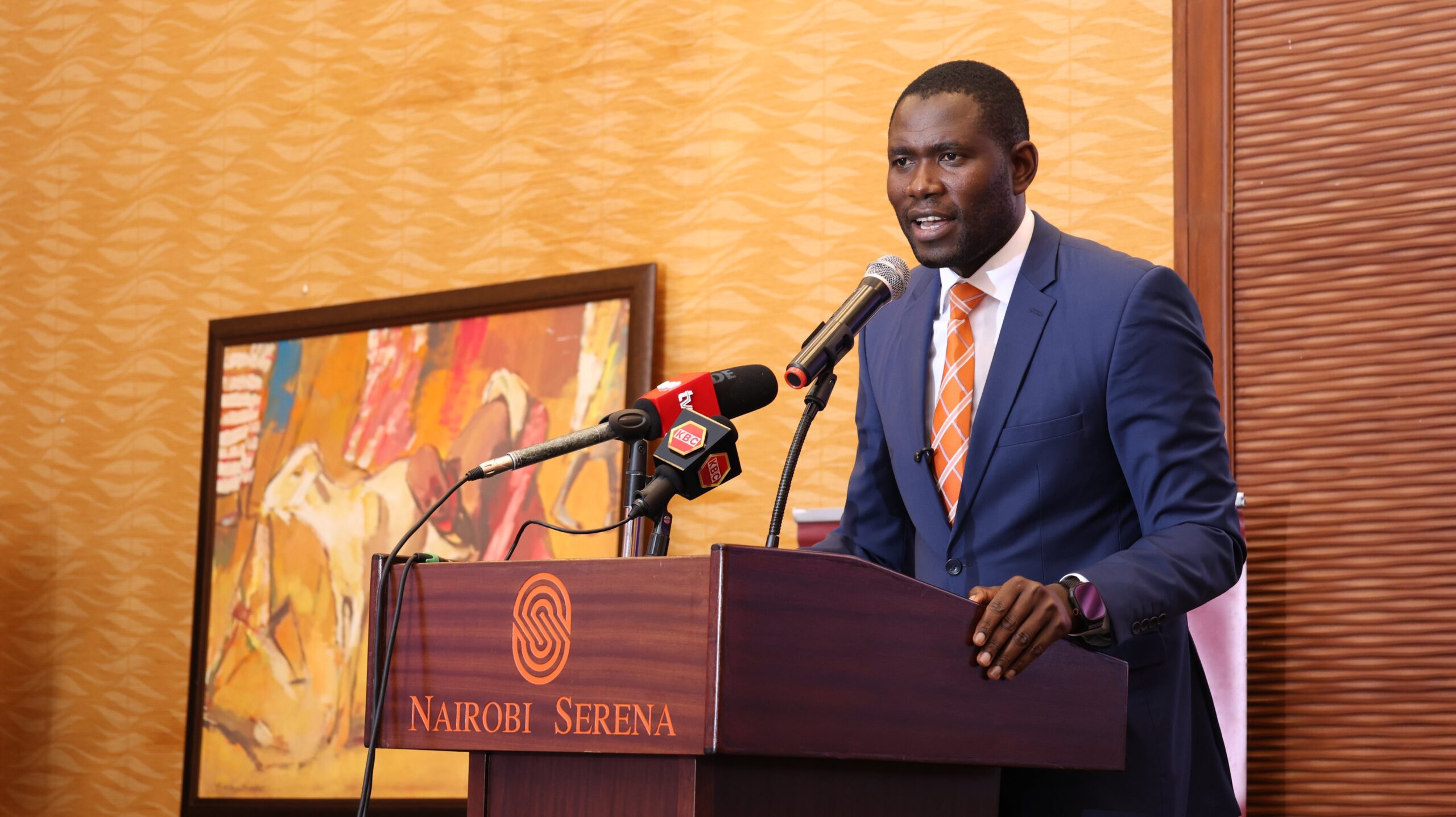
Principal Secretary for Medical Services Dr. Ouma Oluga said the government had made KSh1 billion (7.68m USD) available for the adolescent health package, with approximately KSh635 million still awaiting utilisation as counties mobilise and register eligible adolescents in health facilities.
Under the arrangement, the government pays health insurance premiums through the Social Health Authority (SHA), ensuring both the adolescent mother and her baby receive coverage.
Oluga said the approach addresses a gap in previous maternity coverage arrangements, where attention was largely focused on the mother without adequately accounting for complications that could affect the newborn.
“One of the challenges we’ve had with adolescent pregnancies is complications that come with the babies. And we needed a mechanism that covers both the mother and the baby,” he said.
The programme is expected to provide coverage to eligible beneficiaries until they reach 19 years of age.
To facilitate access, the ministry is working with county governments to establish a registration mechanism that assigns unique identification numbers to eligible adolescents through the relevant registration systems.
The arrangement is particularly significant for minors who may lack the documentation, family support or financial resources required to independently navigate healthcare services.
However, the availability of funding does not automatically translate into access.
Dr. Oluga said approximately KSh635 million (4.87m USD) remained unspent because county governments were yet to complete the mobilisation and registration of eligible adolescents across health facilities.
This places responsibility on county administrations to identify beneficiaries and ensure they are enrolled so that the allocated resources translate into actual healthcare services.
The programme comes against the backdrop of broader concerns about adolescent sexual and reproductive health in Kenya.
Dr. Oluga said teenage pregnancies account for almost 15% of pregnancies nationally, identifying the issue as one of the country’s major public health challenges.
He linked the intervention to the government’s wider triple-threat reduction agenda, which targets sexual and gender-based violence, teenage pregnancies and new HIV infections among adolescents and young people.
The Principal Secretary also highlighted the burden of new HIV infections among people aged 15 to 24, saying the age group remains particularly affected.
The government’s approach therefore seeks to address adolescent health through a combination of financial protection, improved identification and access to services.
For pregnant adolescents, the financial implications of pregnancy extend beyond antenatal appointments and childbirth.
Newborns may require additional medical attention following delivery, particularly when complications arise. Without a mechanism that covers both mother and child, families can face additional financial pressure at a time when they are already vulnerable.
By extending coverage to newborns, the government hopes to reduce the risk of families being left to meet healthcare costs associated with complications after delivery.
However, the effectiveness of the programme will depend on how quickly counties complete registration and whether health facilities can provide the services beneficiaries are entitled to receive.
The announcement also raises broader questions about the implementation of Kenya’s universal health coverage ambitions, particularly for adolescents who may face additional barriers to accessing services.
Beyond allocating money, the government will need to ensure that eligible teenagers are identified, enrolled and able to access quality healthcare without discrimination.
With KSh635 million (4.87m USD) still awaiting utilisation, the next test for the programme will be whether county governments can turn the financial commitment into accessible maternal and newborn healthcare for vulnerable adolescents.