|
Getting your Trinity Audio player ready...
|
By Mercy Kachenge
Nairobi – Gender-based violence remains a major public health and human rights challenge in Kenya, with more than one in three women reporting experiences of physical violence—raising concerns over the effectiveness of prevention, protection and survivor support systems.
A new feature by the World Health Organization (WHO) highlights the scale of violence against women and girls, including intimate partner abuse, sexual violence, early marriage and increasingly technology-facilitated forms of abuse.
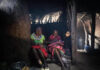
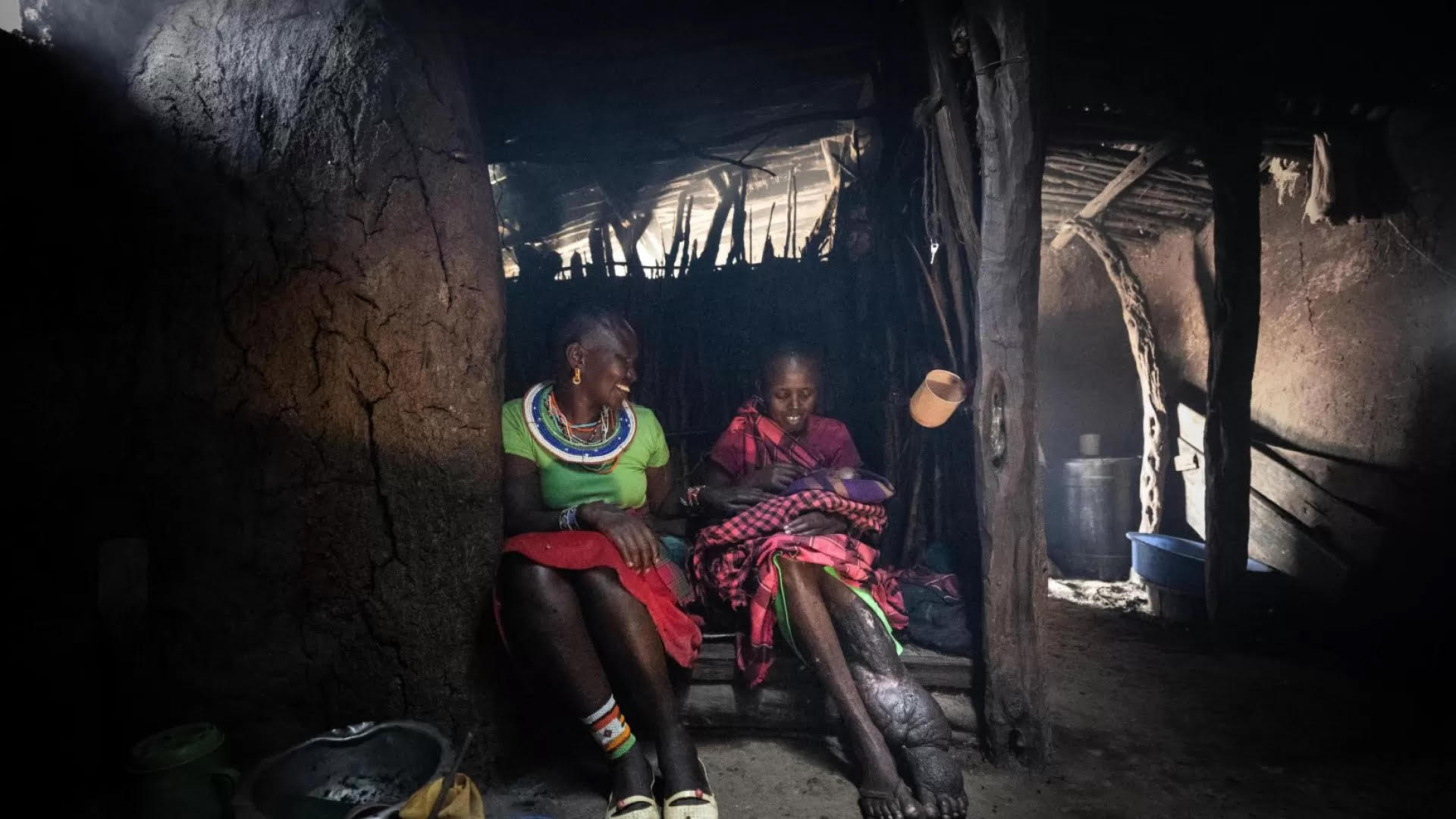
The report draws attention to the experience of Mparakoni Leabune from Samburu County, who was married at 14 and became the third wife in a polygamous household. Leabune endured repeated physical abuse during her marriage, leaving her with a serious leg injury that has required multiple medical interventions. Following the breakdown of her marriage, she returned to live with her mother.
Her experience illustrates how gender-based violence extends beyond physical assault, with harmful practices such as child marriage exposing girls to further risks and limiting their opportunities.
Data from the 2022 Kenya Demographic and Health Survey shows that 34 per cent of women have experienced physical violence since the age of 15, while 13 per cent have experienced sexual violence during their lifetime. In nine out of 10 cases, perpetrators are current or former husbands or intimate partners, highlighting the extent to which violence occurs within relationships and domestic settings.
The challenge is also evolving beyond physical spaces. Findings from the 2025/2026 Kenya Mini-Demographic and Health Survey indicate that more than a quarter of women aged 15–49 have experienced technology-facilitated gender-based violence. Such abuse includes online harassment, cyberbullying and digital monitoring or controlling behaviour intended to intimidate, exploit or harm women.
In Samburu, healthcare workers say entrenched social norms and unequal power relations continue to prevent survivors from seeking medical assistance. Samson Esward Leerte, a nurse and reproductive health coordinator for adolescents and young people in the county, says some women endure violence without accessing treatment because of the patriarchal structures within their communities.
Kenya has established a legal and policy framework to address these violations. The 2010 Constitution safeguards individuals against violence and harmful cultural practices, while the government adopted the National Policy on Gender-Based Violence and the National Policy for the Eradication of Female Genital Mutilation in 2019. However, translating these commitments into effective protection and accessible support services remains a critical challenge.
In January 2025, President William Ruto established a technical working group to examine gender-based violence, including femicide. The group subsequently presented recommendations to the President in November 2025, proposing interventions to address femicide and female genital mutilation, alongside the establishment of operational one-stop gender-based violence recovery centres in every county.
The government advanced these discussions in July 2026 through a national consultative forum convened by the State Department for Gender and Affirmative Action, under the Ministry of Gender, Culture and Children Services, together with partners. The consultations focused on implementing the recommendations and ensuring their long-term sustainability.
The Ministry of Health says strengthening the healthcare system’s capacity to identify, manage and refer survivors remains central to the national response. Mary Gathitu, Sexual and Reproductive Health and Rights Programme Lead at the Ministry of Health, says the government is prioritising timely, quality and survivor-centred healthcare, alongside stronger prevention, early identification and coordination between the health sector and other institutions.
WHO has also been supporting these efforts through assessments of the readiness of health facilities to manage gender-based violence cases in six counties. Since 2025, the organisation has trained more than 250 healthcare workers in the clinical management of survivors and participates in the technical working group supporting the Ministry of Health’s interventions.
Dr Rita Arogo, WHO Kenya’s Maternal and Reproductive Health Officer, describes gender-based violence—particularly intimate partner and sexual violence—as a public health and human rights concern deeply rooted in unequal gender norms and power relations. She says eliminating violence requires sustained advocacy and prioritisation at the highest levels of decision-making.
As Kenya strengthens its policy and institutional response, the challenge will be ensuring that commitments translate into accessible services, effective protection and accountability for perpetrators—including in communities where social and cultural barriers continue to discourage survivors from seeking help.