|
Getting your Trinity Audio player ready...
|
By Jackson Okata
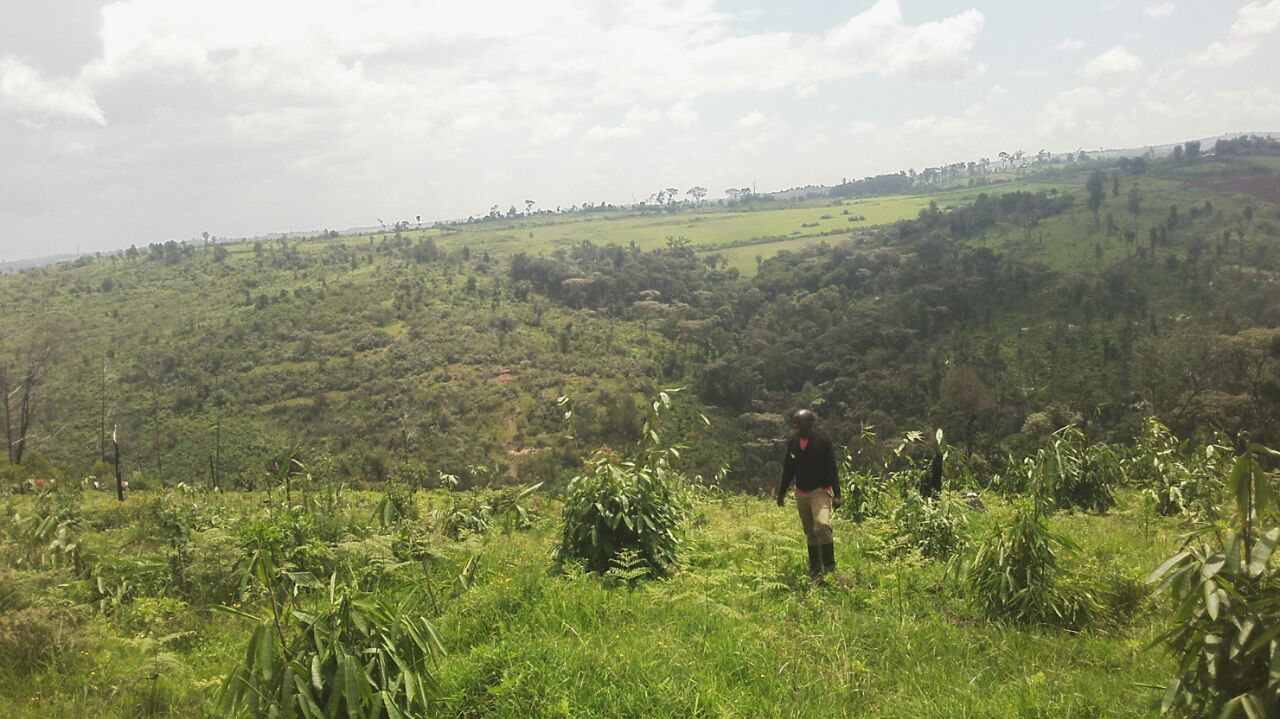
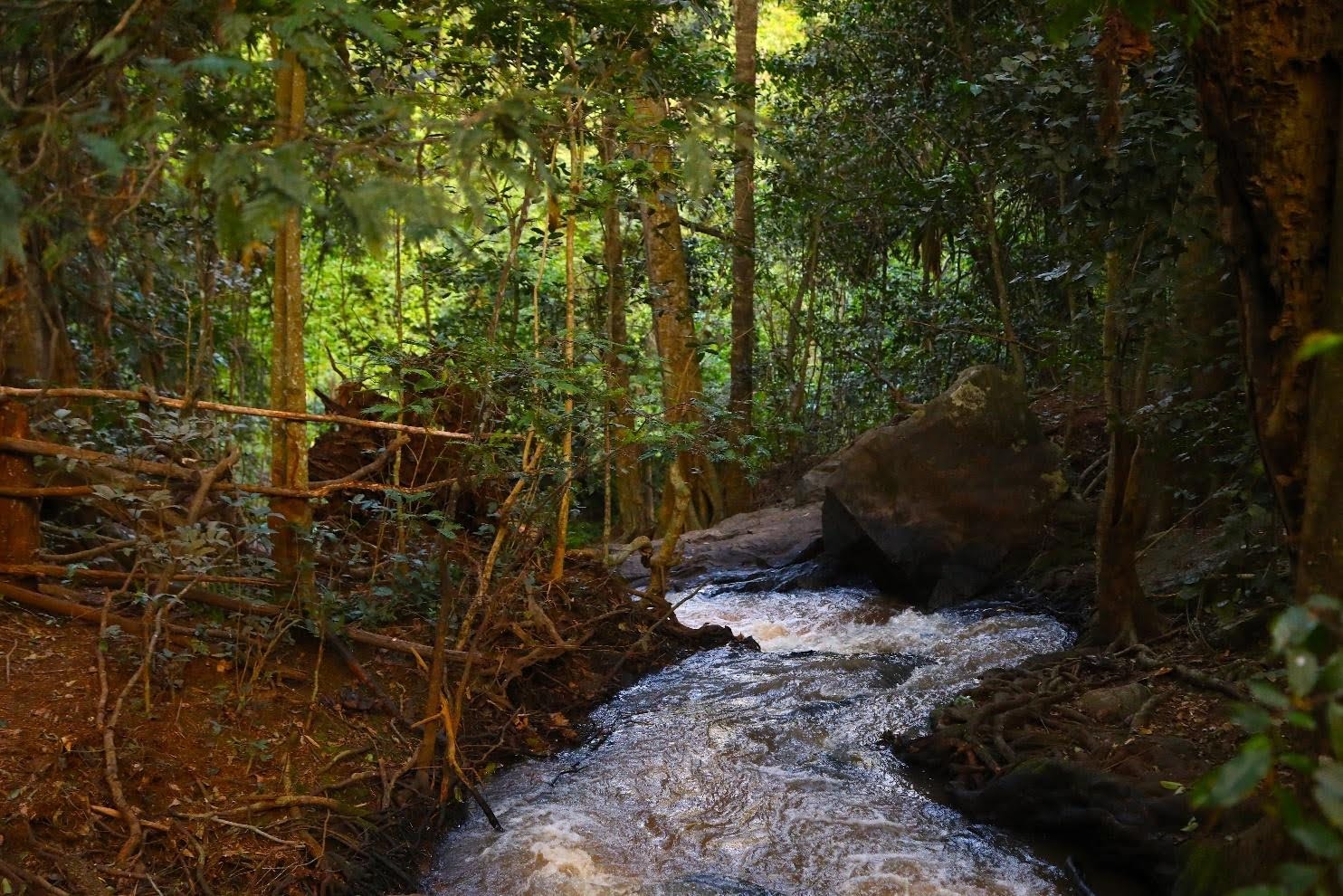
Nairobi- Indigenous tree growing is helping restore the ecological health of Karura Forest, one of Nairobi’s most important urban green spaces, as ongoing efforts seek to recover its native vegetation and protect its biodiversity.
For decades, large sections of the forest were dominated by exotic tree species, particularly eucalyptus and cypress, planted during the colonial period for commercial timber and fuelwood.
Their dominance came at an ecological cost.
Eucalyptus trees consume significant amounts of water, while some exotic species can alter soil conditions and limit the regeneration of indigenous vegetation.
Their spread also reduced habitat and food-source diversity for local wildlife.
The forest is now gradually transitioning towards greater indigenous tree cover, supported by restoration efforts involving Landscape Alliance (formerly CIFOR-ICRAF), Friends of Karura Forest (FKF) and the Kenya Forest Service.
Indigenous trees are central to Karura’s ecological recovery.
Because they are naturally adapted to local environmental conditions, they provide food and habitat for birds, insects, and other wildlife, while contributing to soil health, water regulation, and the resilience of forest ecosystems.
However, restoring the forest requires more than removing aging exotic trees and planting indigenous species.
It depends on a reliable supply of diverse, high-quality seeds and seedlings, as well as scientific knowledge to ensure that the right species are selected for specific restoration sites.
Through its Right Tree, Right Place – Seed Project (RTRP-Seed), Landscape Alliance has partnered with Friends of Karura Forest to strengthen the supply of high-quality seeds and seedlings of native tree species for forest and landscape restoration.
The project is supported by the International Climate Initiative (IKI) of the Federal Government of Germany and implemented by Landscape Alliance in partnership with Botanic Gardens Conservation International (BGCI) and Unique Land Use.
A key component of the project is establishing a Multi-Species Breeding Seed Orchard (MBSO) at Karura.
The orchard will be established from selected parent trees of different indigenous species to provide a future source of quality seeds while maintaining genetic and species diversity.
These seeds will support seedling production for forest restoration and help secure a more reliable supply of suitable planting materials.
Sylvia Buleti, Agroforestry Scientist at Landscape Alliance, says access to quality tree seed is one of the biggest challenges to successful tree growing.
“The quality of the tree seed is directly linked to its source. If the source is of poor quality, then the seed you get from it will also be of poor quality,” said Buleti.
The partnership also supports the expansion and provision of infrastructure for the Karura indigenous tree nursery to increase the availability of diverse native species.
The expanded nursery is expected to double its seedling production capacity, while improvements to irrigation and other facilities will strengthen the production of healthy, high-quality seedlings.
Peter Fundi, Ecosystem and Biodiversity Coordinator at Friends of Karura Forest, said restoring Karura Forest is about more than increasing tree cover; it’s also about rebuilding a healthy, diverse ecosystem that supports indigenous wildlife, strengthens ecological functions, and benefits people.
“This requires a long-term commitment to restoring native species, managing invasive vegetation and helping the public understand the value of biodiversity in an urban forest,” said Fundi.
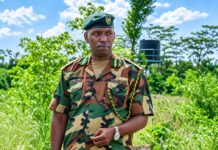
Kenya Forest Service Senior Conservator in charge of Karura Forest, Edward Munene, observed that the priority is to restore a resilient forest ecosystem that supports biodiversity and sustains the many benefits people and nature depend on.
“This means promoting a diversity of indigenous tree species that will strengthen the forest’s ability to support life for generations to come,” said Munene.
Beyond ecological restoration, Munene notes that the long-term health of Karura Forest also depends on the active involvement of surrounding communities.
“Local communities bring valuable indigenous knowledge and traditional practices that complement scientific approaches to conservation. By working alongside communities and supporting their existing conservation efforts, forest managers can strengthen local stewardship and build a shared commitment to protecting the forest for future generations.”
Restoration efforts in Karura Forest are also supported by Landscape Alliance’s wider scientific infrastructure, including its Tree Seed Laboratory and Genebank at the ICRAF Campus in Nairobi.
The genebank conserves and promotes the sustainable use of agroforestry tree genetic resources and holds over 200 agroforestry tree species.
Genebanks play an important role in connecting tree conservation with restoration.
They safeguard genetic resources, helping preserve the diversity needed to support future research, seed improvement, and the sustainable use of tree species.