|
Getting your Trinity Audio player ready...
|
By June Lance
Mombasa- Every morning in Bangladesh, residents of an informal settlement in Mombasa face the same question: will the taps run today? More often than not, they don’t. Instead, families queue for bowsers, haggling over 20-litre jerrycans that cost up to kSh30 each, while some resort to collecting seawater for washing. Yet the bills from water service providers keep coming.
Across Mombasa, Kilifi and Kwale counties, thousands of people live beside the Indian Ocean with a constitutional right to clean water that, for many, remains a promise on paper. As the Mwache Dam nears completion, we examined why the coast is running dry, who is profiting from the gap, and whether relief is finally in sight.
Article 43 of the Constitution of Kenya guarantees every person the right to clean and safe water in adequate quantities. Yet for thousands of residents across Mombasa, Kilifi and Kwale counties, access to reliable and affordable water remains a daily challenge.
Despite the region’s proximity to the Indian Ocean, many households experience prolonged water shortages, with some residents reporting dry taps even as they continue to receive bills from water service providers. Families are increasingly turning to private vendors, adding to the financial pressure on already stretched household budgets.
To understand the causes of the shortage, our team visited affected communities, spoke to residents and water sector stakeholders, and examined ongoing and proposed interventions.
Dry taps and rising costs
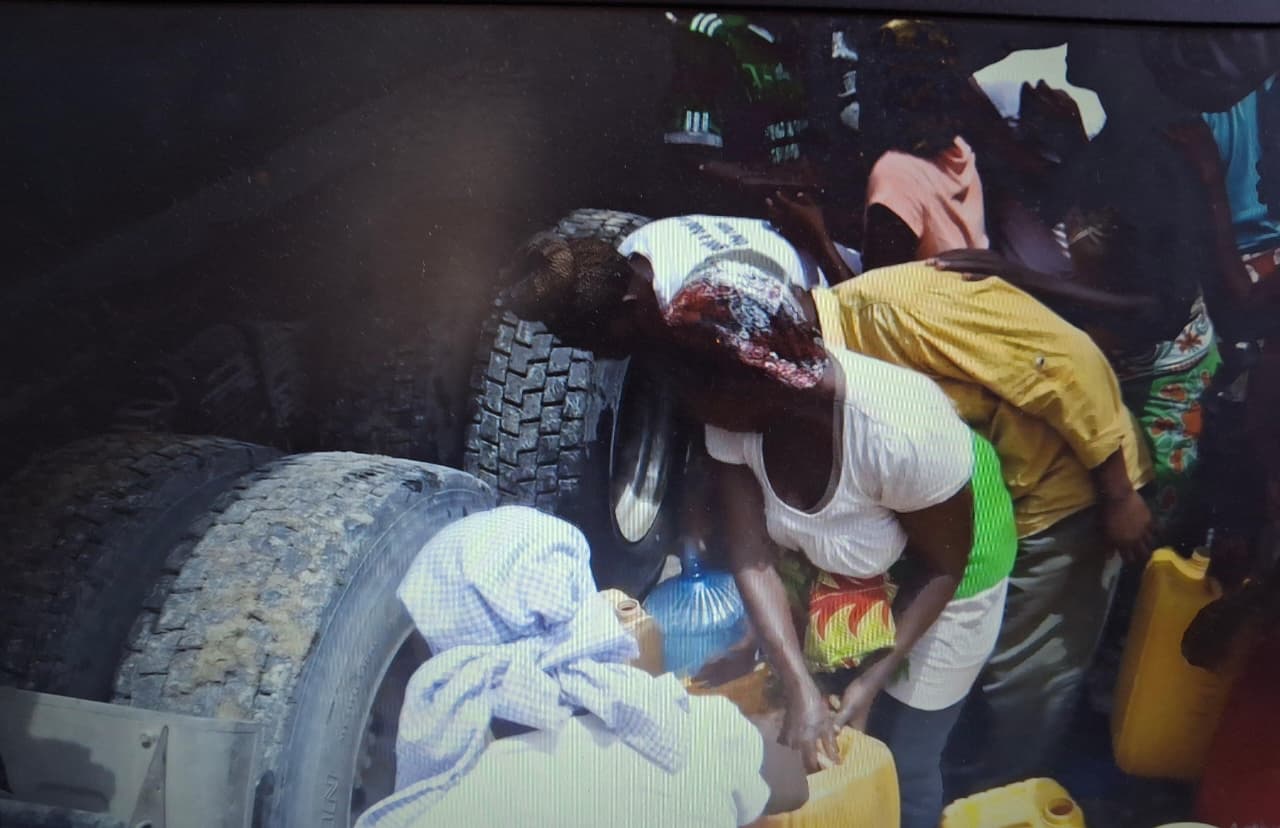
Agatha Anyango from Bangladesh says that although water pipes are present, supplies are often unavailable. When water bowsers arrive, residents must compete for limited supplies, with a 20-litre jerrycan reportedly costing between kSh20 and kSh30. She adds that collecting water presents additional difficulties for people living with disabilities.
The shortage also affects sanitation and reproductive health. Abraham Ogutu says the lack of clean water creates difficulties for girls and women who use reusable sanitary pads, which require proper washing. He reports that some residents have resorted to collecting seawater for washing and other domestic purposes, raising concerns about hygiene and potential health risks.
Young people have also sought intervention. Eddison Nzai recalls demonstrations aimed at drawing leaders’ attention to the shortage, but says residents are still waiting for lasting improvements.
Their accounts illustrate the daily challenges facing communities where installed water infrastructure does not consistently translate into reliable household supplies.
Kahoweni residents question water project
In Kahoweni village, Kaloleni Constituency, Kilifi County, residents depend heavily on a water pond known as Mtsara. Originally dug to collect rainwater for livestock, the pond has become an important source of domestic water.
Women travel considerable distances to collect water, while some households use donkeys to transport it. Residents have expressed concern about its suitability for human consumption and fear that continued reliance on the pond could expose the community to waterborne diseases.
Residents are calling for accountability, restoration of the pond’s capacity and investment in boreholes as a possible alternative source of safer water.
Annette Nyundo, a Kaloleni parliamentary seat aspirant, describes water scarcity as a longstanding problem that continues to affect residents’ health, dignity and economic well-being.
Private vendors fill the supply gap
In Mombasa, private water vendors have become an important source of supply for households and businesses that cannot depend on piped water.
Some residents suspect that deliberate interference with water infrastructure contributes to shortages and benefits individuals involved in water sales. However, our investigation did not establish evidence confirming these allegations.
Checks on selected water bowser operators indicated that they obtained supplies from designated water points. A search of the National Transport and Safety Authority platform also showed that the trucks examined were registered to private individuals.
These findings do not establish the conduct of every operator or rule out illegal connections and interference elsewhere. Determining whether such practices occur would require further investigation by the relevant water companies, regulators and law enforcement agencies.
Gabriel Ondego, a private water supplier, says vendors help meet community needs when piped supplies are unavailable. He also says he receives monthly bills despite experiencing interruptions in his own piped supply.
Private vendors provide an important service in underserved areas, but the affordability and regulation of their operations remain significant concerns.
Officials point to inadequate sources and infrastructure
Kwale County Executive Committee Member for Water Services, Hon. Hemed Mwabudzo, identifies inadequate water sources and overstretched treatment, pumping and distribution infrastructure as major challenges facing the region.
He explains that natural springs have limited capacity and depend partly on rainfall. Protecting vegetation in the Shimba Hills catchment area could help improve water availability over the longer term, while additional boreholes and dams are among the interventions being pursued.
Mwabudzo also advocates stronger cooperation between county governments and the national government’s Coastal Water Works Development Agency to improve the management and sharing of bulk water resources.
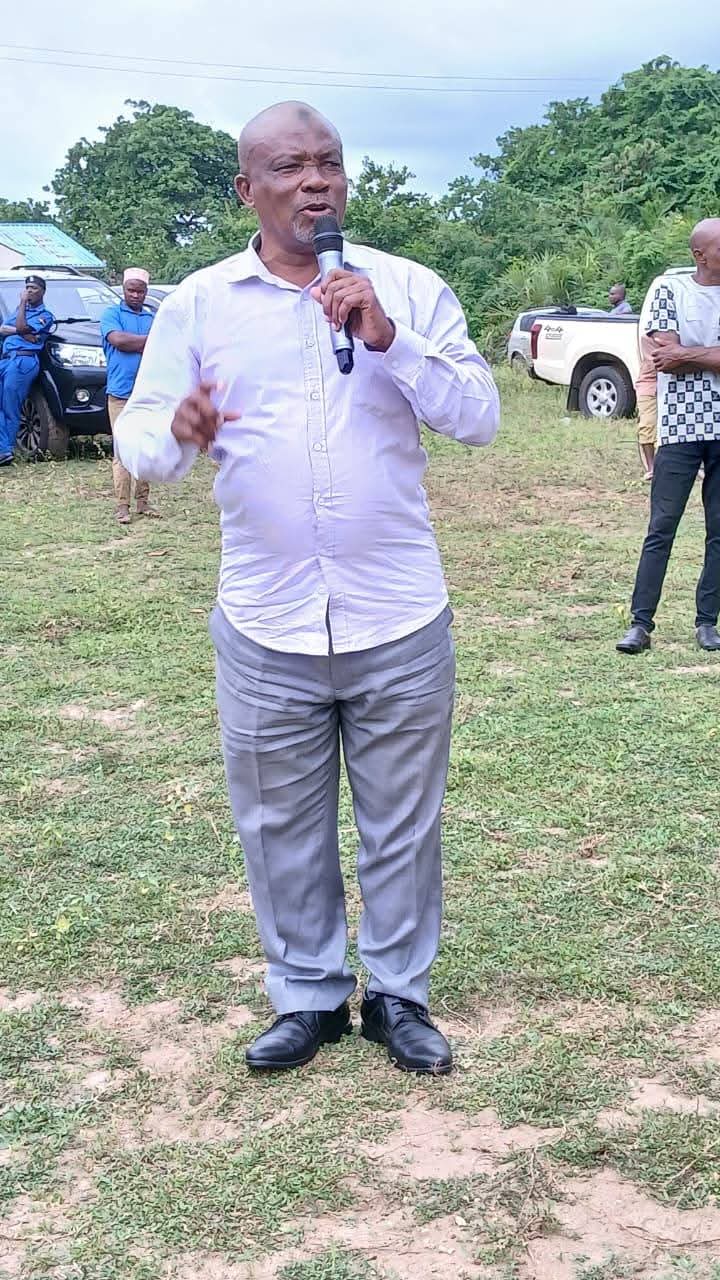
He points to structural challenges that extend beyond the activities of private vendors, including the need to expand water sources, improve distribution networks and manage existing resources more effectively.
Meanwhile, a desalination plant proposed in 2018 to convert seawater into drinking water has yet to deliver the anticipated relief to residents.
We sought responses from Mombasa County Executive Committee Member for Water and Sanitation Kibibi Abdallah Hamisi and Mombasa Water Supply and Sanitation Company Managing Director Habiba Ali Bore. Our calls were not returned, and our requests for comment had not received responses by publication time.
Similar efforts to reach Kilifi County Water CEC Omar Said and Kilifi-Mariakani Water and Sewerage Company Managing Director Catherine Baya were unsuccessful.
Human rights activists say the persistent shortage requires stronger accountability and more effective implementation of existing laws and policies.
Alex Mwarua of Huria argues that gaps in the enforcement of water-related laws have limited communities’ ability to benefit from available resources. Mathia Shipeta of HAKI Africa says access to clean and reliable water remains a major issue in political campaigns, particularly in coastal communities that continue to experience water shortages. He notes that politicians frequently promise solutions, including desalination — a process of removing salt from seawater to make it suitable for human consumption — as well as expanding water infrastructure to reach more households. However, the recurring promises have kept water access at the centre of political debate, with residents looking for lasting solutions that will ensure a reliable supply of affordable, clean water rather than continued dependence on water vendors and other costly alternatives.
Their concerns underscore the need to assess public commitments against measurable progress and ensure that proposed projects translate into improved access.
Mwache Dam offers hope
The Mwache Multi-Purpose Dam in Kwale County is among the major projects expected to improve water supply in the coastal region.
The project is expected to produce approximately 200,000 cubic metres of treated water every day for residents of Mombasa and Kwale counties, while also providing water for irrigation. This translates to about 200 million litres daily, enough to significantly boost water supplies for households, businesses and institutions, depending on how the water is distributed. The project is also expected to support agricultural activities by improving access to water for irrigation, potentially helping farmers increase crop production and improve their livelihoods.
As of August 2026, reports indicated that construction was nearing completion, with plans to begin filling the reservoir in October 2026. Bulk water infrastructure, including large pipes in parts of Mombasa such as Nyali, was also being developed.
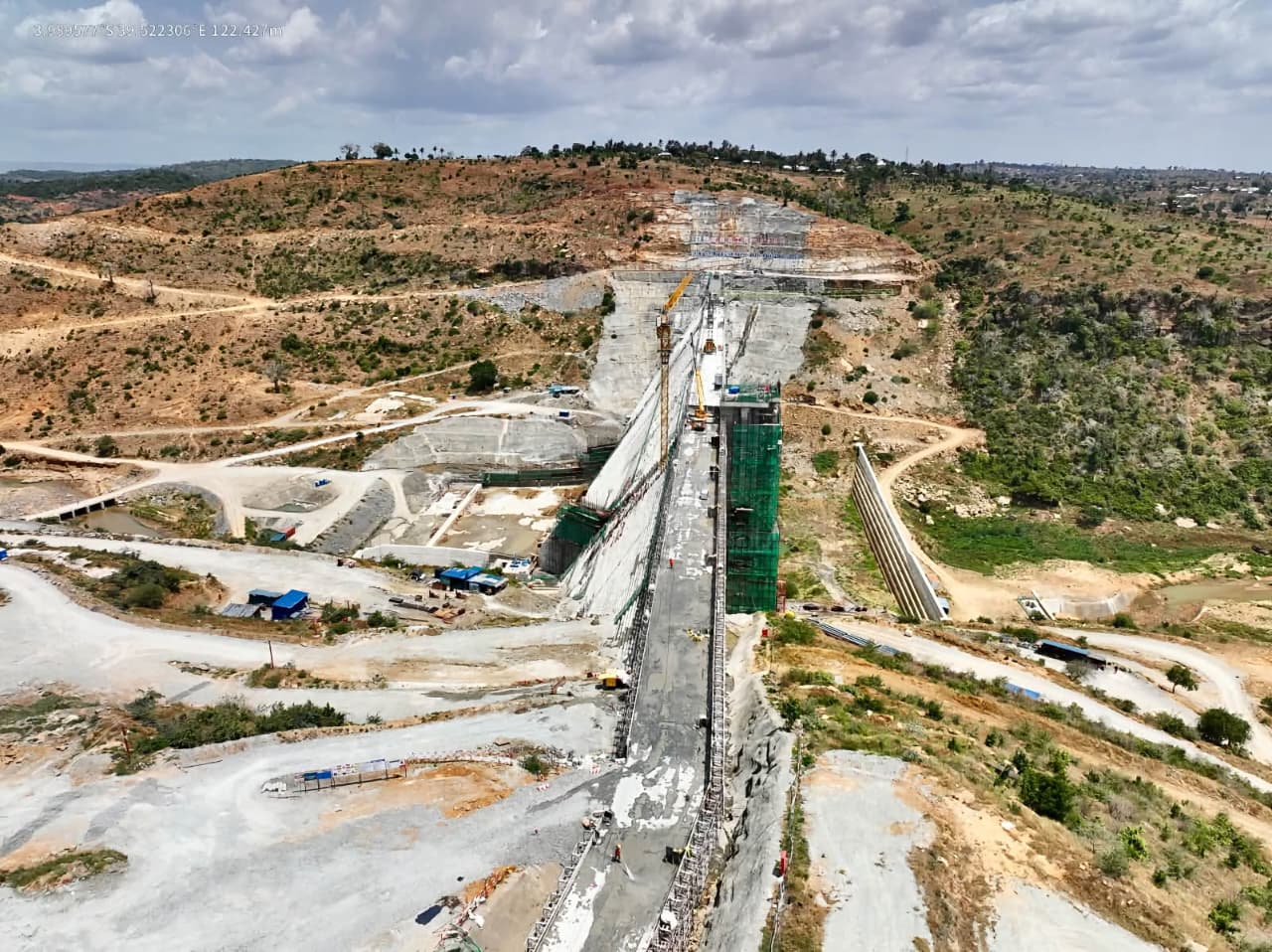
Cabinet Secretary for Water, Sanitation and Irrigation Eng. Eric Mugaa says the main dam wall will stand 84 metres high. Construction began in 2023, and the wider project includes additional dam structures intended to support water storage and supply.
If completed, commissioned and connected to the distribution network as planned, Mwache Dam could significantly increase the availability of treated water and ease pressure on existing sources.
However, its impact will depend on the readiness of treatment facilities, transmission pipelines and local distribution systems, as well as the affordability of connections and the reliability of service. Communities outside its direct supply area will continue to require appropriate local solutions.
The water crisis across Mombasa, Kilifi and Kwale reflects a combination of limited water sources, infrastructure constraints, uneven distribution and concerns about affordability and accountability.
Residents’ experiences point to the urgent need for reliable supplies, while officials identify longer-term investments and coordination as essential to addressing the deficit.
Addressing the shortage will require investment in new sources, effective maintenance, transparent procurement, meaningful public participation and stronger coordination between national and county governments.
Mwache Dam could mark an important step towards improved supply, but its success will ultimately be measured by whether households receive clean, safe and affordable water consistently.
For communities living beside the Indian Ocean, proximity to the sea is no guarantee of drinking water. Until dependable supplies reach homes and public institutions, the coastal region will continue to confront the enduring paradox of scarcity amidst plenty.
This publication was produced with support from the Mbegu Fund under the SAFIRI Programme, funded by the European Union.