|
Getting your Trinity Audio player ready...
|
By Winnie Kamau
Harare, Zimbabwe: At the 22nd Annual CAADP Partnership Platform (CAADP-PP), H.E. Moses Vilakati, AU Commissioner for Agriculture, Rural Development, Blue Economy, and Sustainable Environment, issued a stark warning regarding the upcoming El Niño season.
Opening with a sobering warning, Vilakati addressed the assembly: “Ladies and Gentlemen, we need to talk about El Niño.”
Highlighting an unprecedented dual climate threat, Vilakati called on African governments to enact proactive measures immediately to mitigate potential disasters across the continent.
Extreme Weather Divergence: Severe Drought vs. Heavy Flooding
Vilakati explained that the developing El Niño event will bring starkly divergent impacts. While several regions face severe rainfall deficits and prolonged drought, others are forecasted to experience intense, above-normal precipitation leading to extreme flood risks.
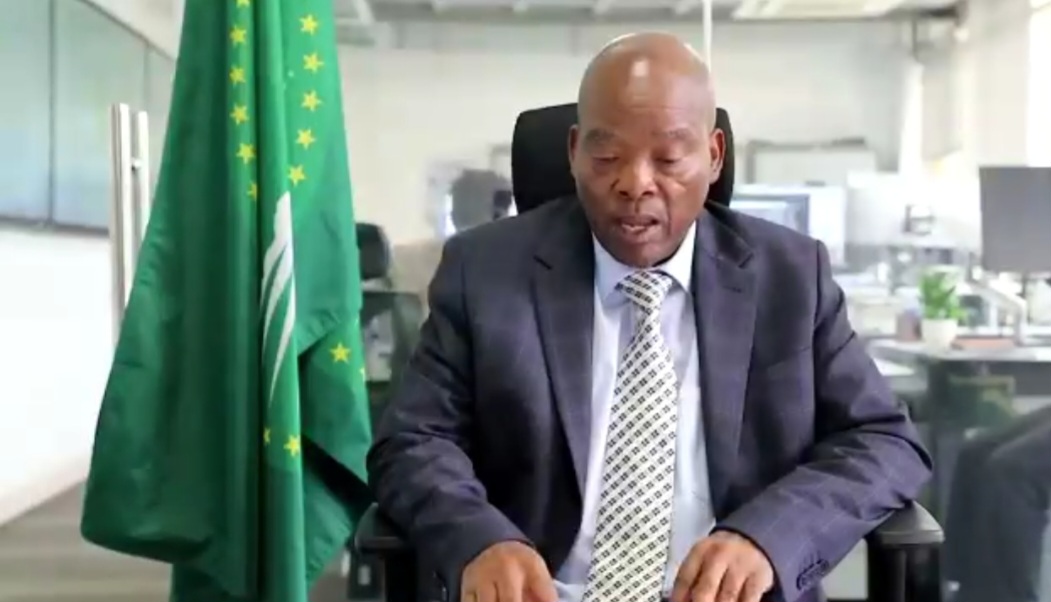 To prepare, the African Union is urging member states to urgently modernize their meteorological and hydrological infrastructure. By partnering with regional climate centers, nations can leverage early-warning data to initiate anticipatory action before devastating climate impacts take hold.
“El Niño is not only a weather event. It is a multi- sectoral risk within agriculture, water resources, food security, public health, energy production and national economies, among others” explained Commissioner Vilakati.
For Flood-Risk Countries: Five Priorities
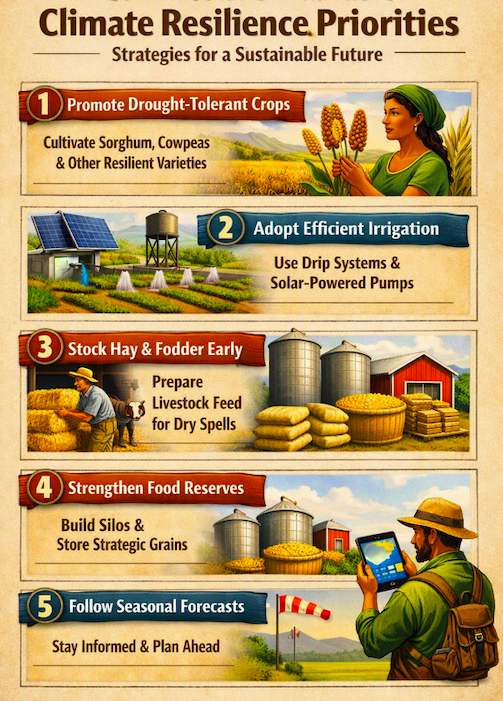
For nations anticipating excessive rainfall and potential flooding, Vilakati detailed five key priority actions: reinforcing dam and reservoir management, safeguarding critical infrastructure against flood damage, formulating evacuation strategies for high-risk zones, stockpiling emergency supplies prior to the rainy season, and maintaining robust early-warning communication for vulnerable communities.
‘Not the Responsibility of Just One Ministry’
Emphasizing the cross-cutting impact of the crisis, Vilakati stressed that El Niño preparedness extends beyond environmental agencies. He advocated for a unified, multi-sectoral strategy uniting agriculture, water resources, disaster management, infrastructure, and finance ministries to address the multi-faceted threat effectively.
“This should be treated as a national development priority and not the responsibility of just one ministry” noted Vilakati.
Although implementation remains a national responsibility, Vilakati reaffirmed the AU’s commitment to facilitating cross-border cooperation, regional data sharing, and early warning systems to bolster continent-wide resilience.
The AU’s Continental Tools
Highlighting existing institutional tools, Vilakati pointed to the African Drought Watch and the Continental Watch Committee as vital resources providing real-time intelligence for policy decisions. Furthermore, the expansion of multi-hazard early warning systems marks a critical shift from reactive crisis response to proactive risk management.
“Together we can protect lives, save livelihoods, strengthen food security and build a more resilient and more prepared society,” said Vilakati.
Adding “Our message is clear and simple: to prepare early, to work together, and to use the early warnings to protect lives”
In closing, Vilakati reiterated that early, unified preparation is essential to prevent severe humanitarian crises, reaffirming the AU’s commitment to guiding member states through comprehensive regional coordination.