|
Getting your Trinity Audio player ready...
|
By Gideon Mutembei
Nairobi, Kenya: The Independent Electoral and Boundaries Commission (IEBC) has told political reporters that the Commission and the media are inseparable, as the country prepares for the General Election in 2027.
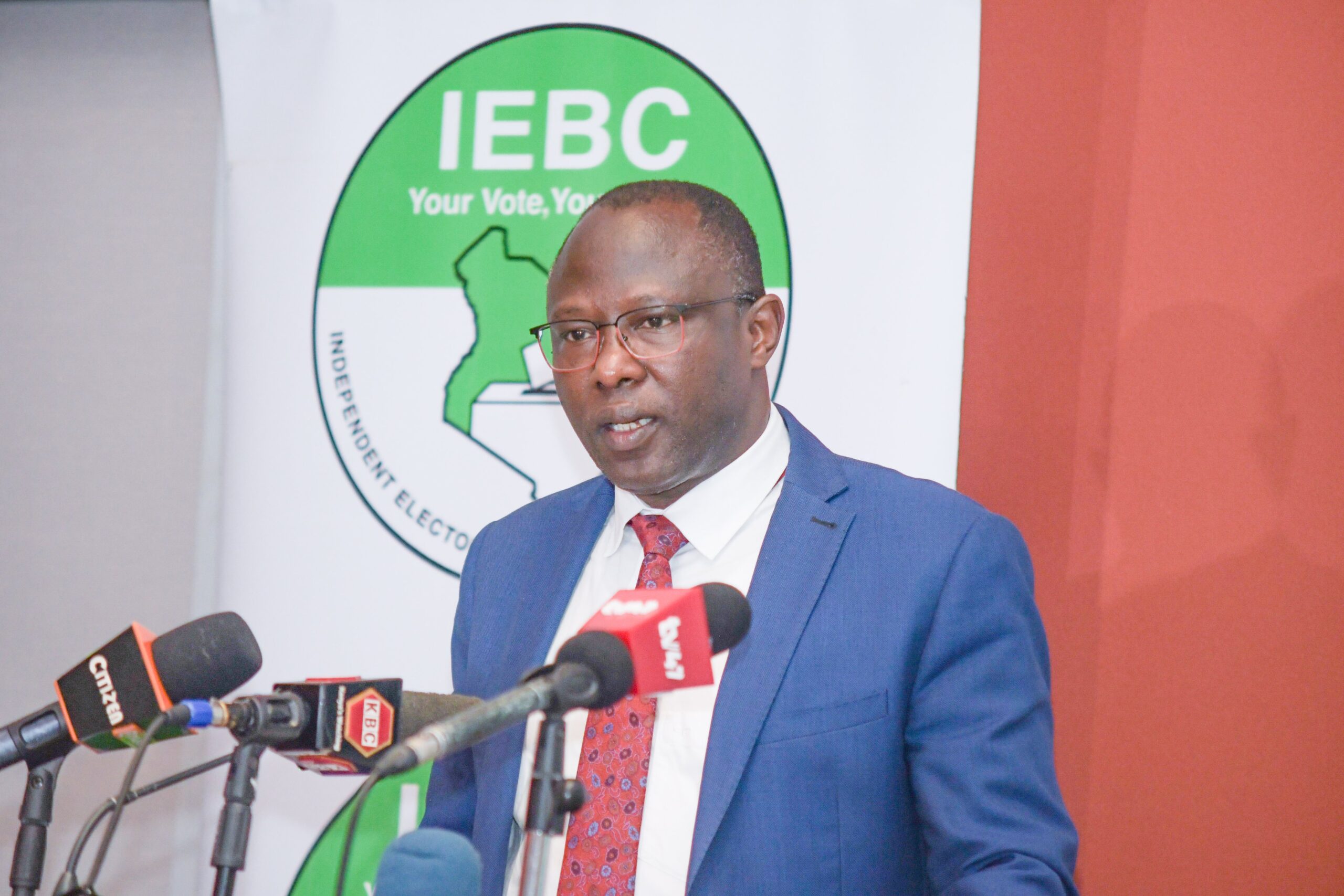
In an address to media stakeholders, the IEBC Chairperson, Erastus Edung Ethekon emphasized that the press serves as a key partner connecting the Commission with the public, far beyond just broadcasting news. He noted that publishing accurate information in a timely manner is essential to fostering public confidence.
“The single most important project for the Commission at the moment is conducting the 2027 polls in a fair and credible manner,” IEBC Chairperson Erastus Ethekon said.
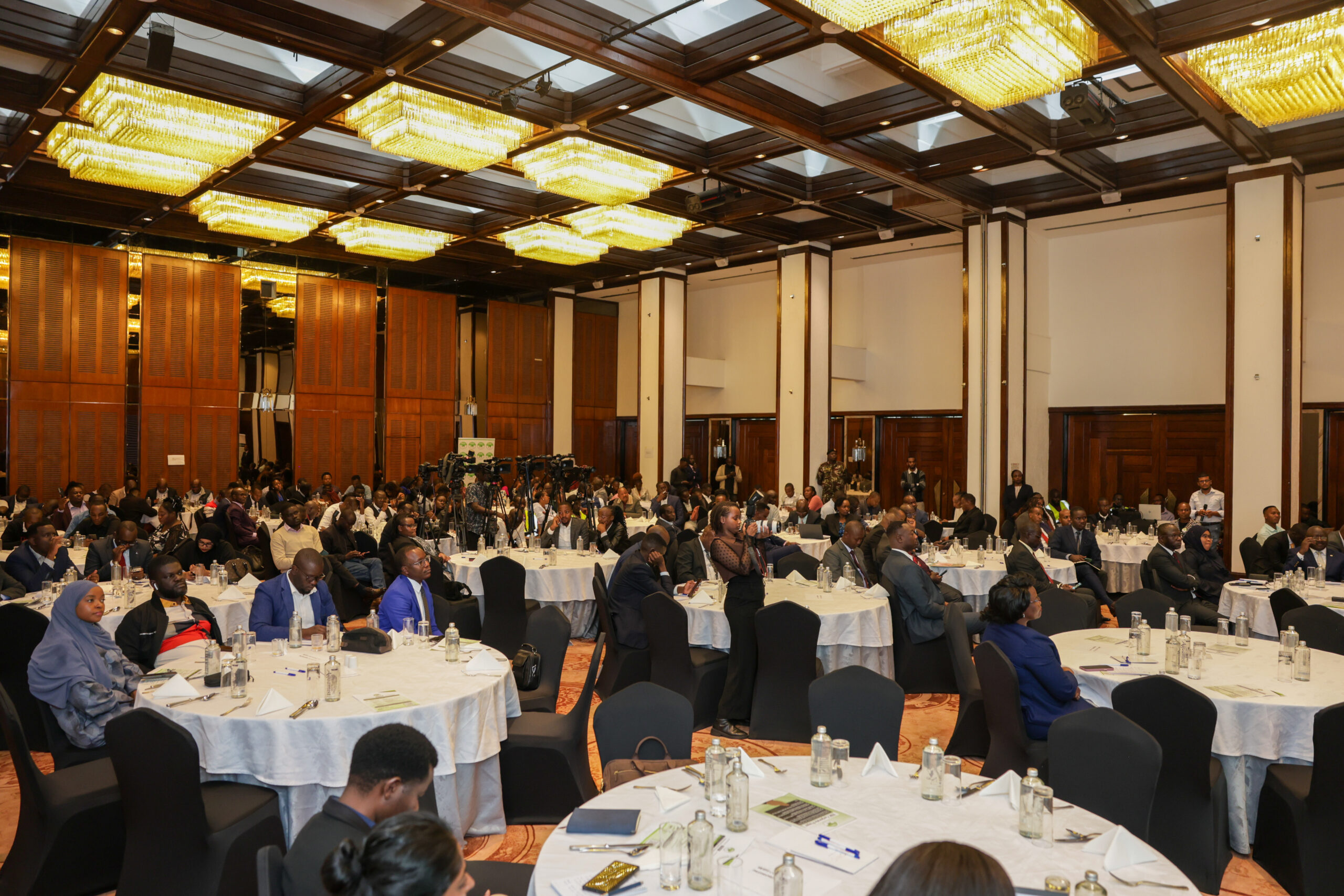
The meeting was convened to engage political reporters in establishing a collaborative framework for information sharing as Kenya approaches the 2027 elections. Through this dialogue, the IEBC aims to foster transparent operations, ensure accurate public information dissemination, and build a strong partnership with the media.
As a key milestone, the Commission revealed the signing of a Memorandum of Understanding (MoU) with the Kenya Media Sector Working Group to establish a collaborative framework. Aimed at ensuring precise coverage of the elections, this agreement outlines joint operational procedures and incorporates specialized training programs for journalists.
Key Operational Challenges Facing the IEBC
Nevertheless, as the Commission advances its preparations, it confronts a multitude of obstacles. Key among these are inadequate funding, procurement disputes, technological gaps, incomplete voter registration, staffing shortages, legal hurdles, and misinformation. Left unaddressed, these issues threaten to cause implementation delays, diminish voter coverage, and undermine public trust.
Commissioner Dr. Ann Nderitu, said the Commission is putting up efforts to mitigate the challenges envisaged.
“On voter registration, the Commission has approved Enhanced Continuous Voter Registration (ECVR II) to commence on 11th January 2027, targeting 3,263,691 additional voters” she said.
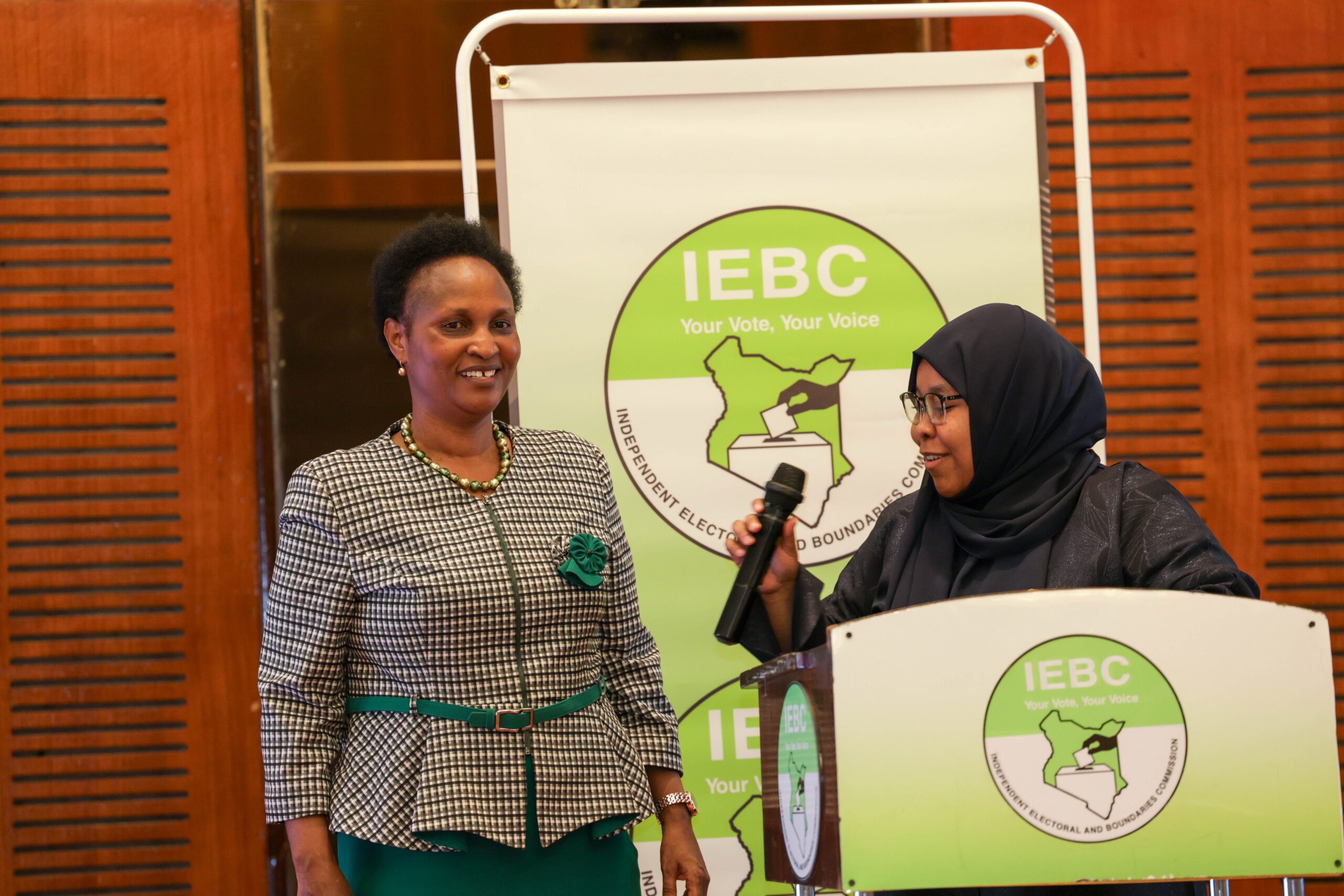
Adding “Mapping of citizens living outside Kenya has been completed, with a view to progressively register diaspora voters in line with the Constitution”.
The number of diaspora polling stations in 2027 is expected to increase.On election technology, Dr. Nderitu unveiled the Results Management Framework (RMF 2027).
“The RMF provides a clear results path for all six elective positions. It will use an Integrated Elections Management System (IEMS) for biometric registration of voters, biometric identification of voters, and electronic transmission of results, using simple, verifiable, accurate, transparent, accountable and secure technology” noted Dr. Nderitu.
On procurement, she said the Commission has already acquired some general election materials, while procurement of others is at different stages.
“The Commission is also reviewing policies, strategy and operations manuals to align with legislative amendments, including the Polling Station Diary, Voter Education, Partnerships, Gender and Social Inclusion, and the Results Management Framework” she responded.
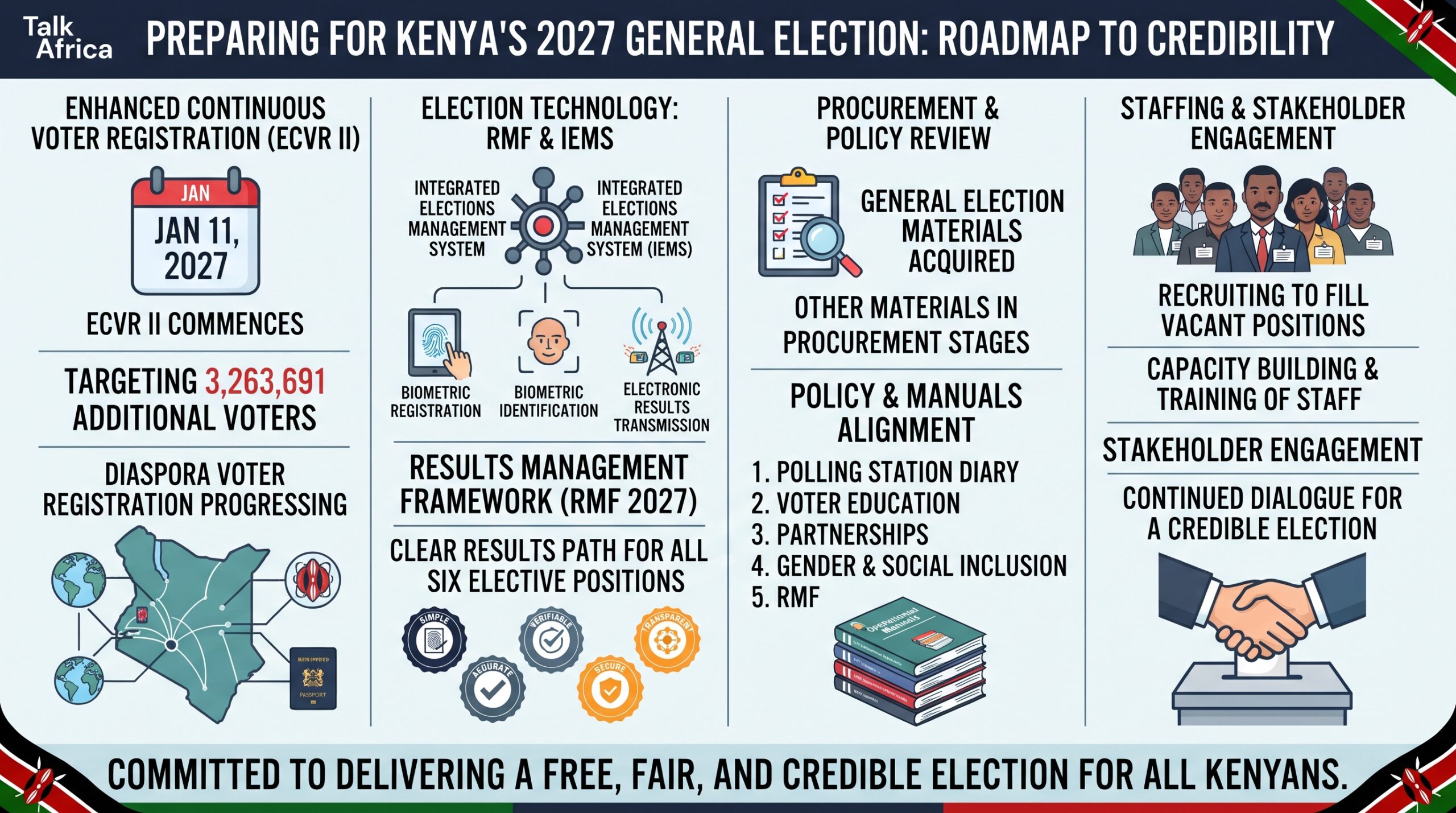
Regarding workforce capacity, Dr. Nderitu stated that the Commission said they are actively filling vacancies and conducting staff training across various cadres to ensure readiness for the upcoming election.
Concluding her remarks, Commissioner Dr. Ann reaffirmed their commitment to collaborating with key partners to navigate existing obstacles and guarantee a credible electoral process.