|
Getting your Trinity Audio player ready...
|
By Victoria Musimbi
Nairobi, Kenya: Many indigenous crop varieties remain undocumented, making it difficult for farmers to identify, preserve and protect the diversity of seeds passed down through generations. Limited recognition of farmer-managed seed systems and changing seed regulations further threaten this diversity. Across Eastern Africa, farmers, researchers and policymakers are exploring ways to document local varieties, improve access to diverse seeds and strengthen community-led conservation.
These solutions were discussed at the 1st Eastern Africa Indigenous Seeds Conference, convened by Seed Savers Network in Nairobi under the theme Realizing the Right to Food through Seed Sovereignty. The gathering brought together farmers, researchers, policymakers and development partners to explore ways of protecting indigenous seeds and strengthening farmer-managed seed systems.
Smallholder farmers account for roughly 80% of Africa’s farmers, while farmer-managed seed systems supply about 80% of the seeds they use. However, climate pressures, changing seed regulations and limited recognition of farmers’ varieties continue to challenge these systems.
For Nancy Wangari, a small-scale farmer from Gilgil, Kenya, protecting indigenous seeds begins with understanding the diversity farmers already have.
Wangari participated in a four-year project implemented through Seed Savers Network, which documented more than 70 crop seed varieties. She said the initiative transformed how farmers understood the seeds they had grown for generations and the importance of documenting them.
“Before we started the characterisation, we were not aware of its importance or why documentation was necessary. We would simply plant our seeds, harvest and keep some for the next planting season without knowing that we could do more with them,” said Wangari.
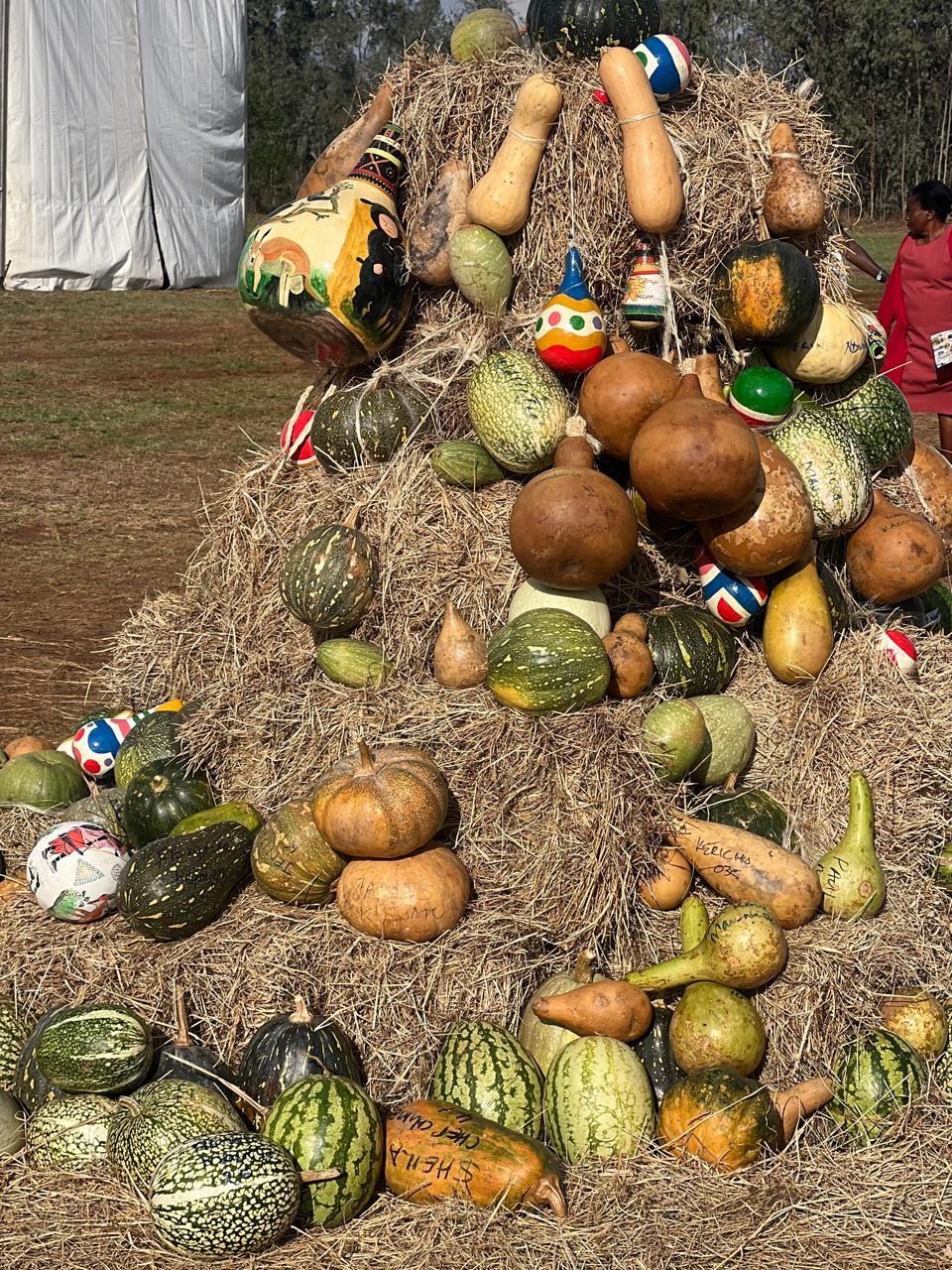
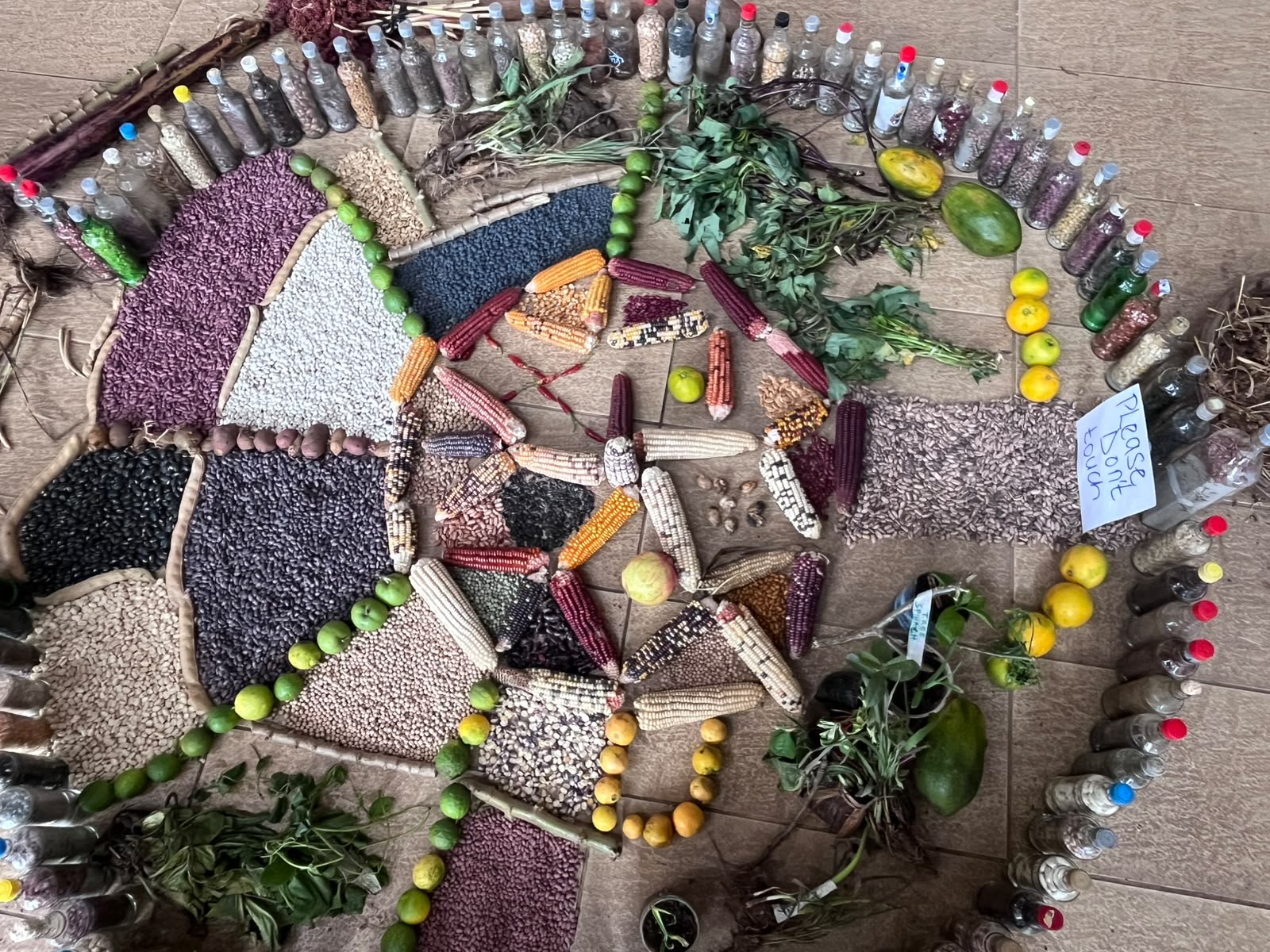
Through participatory variety selection and characterisation, farmers learned to distinguish varieties by colour, appearance and maturity period.
The exercise revealed a much wider range of crops than farmers had previously recognised in their communities.
“For example, in my area, we only knew one variety of white maize. But when we started characterising the seeds, we discovered about seven varieties of maize,” she said.
The same discovery was made with beans, which farmers had previously classified mainly into two categories: white and black.
“Initially, we thought we only had two types of beans. But through characterisation, we discovered that there were more than nine varieties in our area,” Wangari said.
Farmers also documented more than 12 sweet potato varieties.
She said the exercise strengthened farmers’ ability to identify different varieties and understand their characteristics.
“The benefit is that farmers become more knowledgeable. We now have an eye for identifying different varieties and understanding their characteristics,” she said.
While documenting indigenous varieties helps communities understand what they have, ensuring farmers can access, save, exchange and improve seeds is equally important.
Dr. Martin Oulu, coordinator of the Intersectoral Forum on Agrobiodiversity and Agroecology (ISFAA), said Kenya has an opportunity to recognise open-source seeds and integrate farmer-managed seed systems into its seed policy and legal framework.
ISFAA is a multi-stakeholder platform bringing together government, the private sector, civil society, researchers, academia and development partners. It also played a key role in facilitating the development of Kenya’s National Agroecology Strategy for Food Systems Transformation.
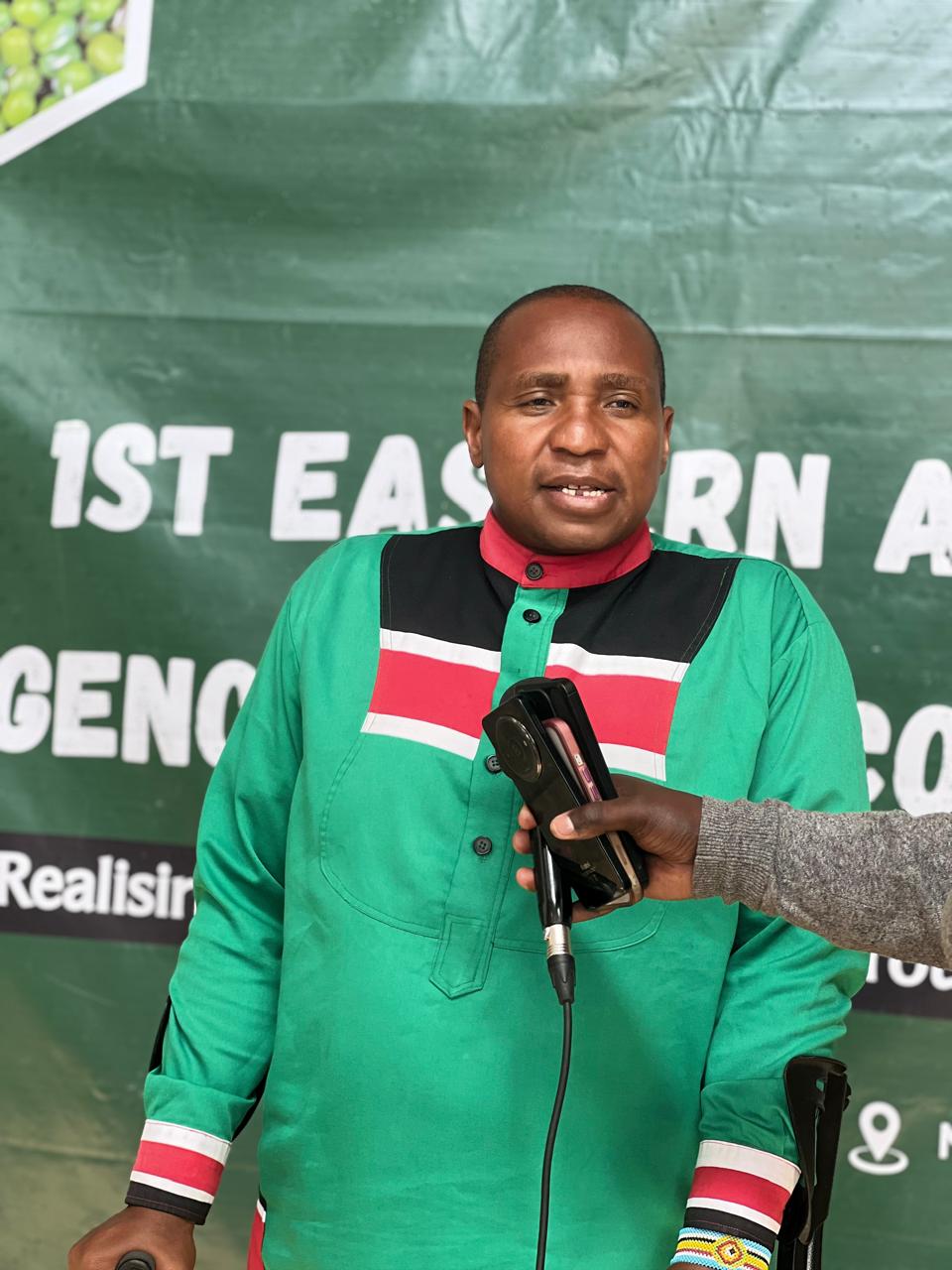
Oulu said the organisation has been lobbying the Ministry of Agriculture to review the Seed and Plant Varieties Act to accommodate farmers’ varieties and improve access to diverse seeds.
“We have introduced several lists, and one of those is the list of farmers’ varieties. I think now that we are discussing this, there is an opportunity to also include the element of open-source seeds,” he said.
He explained that open-source seeds would allow farmers, breeders and researchers to access and use varieties to develop new crops, provided clear licensing agreements guide how the seeds are shared and used.
“This is an opportunity to allow freer access to seeds that do not necessarily belong to anyone,” he said.
Experiences from neighbouring countries also demonstrate how national policies and community initiatives can support the conservation of traditional varieties.
Dr. Boaz Waswa of Uganda’s National Agricultural Research Organisation (UNARO) said the country’s 2018 National Seed Policy provides a framework for recognising farmers as custodians of agricultural diversity and involving different actors in the seed sector.
“When you read the National Seed Policy, you will see why it caused a lot of hard work. It provides a holistic environment for all players in the seed sector to be involved,” he said.
Among the measures is mapping and establishing community variety registers to document local seeds and recognise the farmers who conserve them.
“One of the strategies is mapping and creating variety registers within communities. It is important for us to know what is in the communities but also to recognise the farmers who own these varieties,” Dr. Waswa said.
He said Uganda had expanded its community seed banks from one around 2010 to more than 30, supported by civil society organisations and development partners. The country has also developed tools and guidelines to support their establishment and management.
Dr. Waswa further cited the National Plant Variety Protection Act of 2014, which provides for a Community Gene Fund to mobilise resources from the commercialisation of plant varieties developed using biodiversity. However, he noted that regulations needed to operationalise the fund were still pending.
Beyond national policies and community initiatives, protecting farmers’ seed rights also requires supportive legislation.
David Ole Sankok, a Member of the East African Legislative Assembly (EALA), called for laws that protect farmers’ rights to save, exchange and replant indigenous seeds, warning that restrictive legislation could favour large commercial seed companies at the expense of smallholder farmers.
“That is one of the most retrogressive laws, which I am sure is not acceptable to us as members of the East African Legislative Assembly,” he said.
Sankok said conference discussions and submissions would inform proposed amendments to the Seed and Plant Varieties Bill, 2025, which he said was already at an advanced stage. He explained that there was limited room to include indigenous livestock breeds and animal genetic resources in the same legislation.
He said he had engaged Seed Savers Network and other conference participants on the possibility of developing separate legislation to protect indigenous livestock breeds.
“If we had met this group before, then it would have been the Seed, Plant and Animal Variety Bill. But since it is already at an advanced stage, we cannot now start amending it from the name of the Bill, memorandum of the Bill and so on. We will pass it as it is, but develop another Bill specifically targeting animal varieties,” he said.
Sankok also urged governments to base agricultural policies on research and consultations with farmers and scientists. Citing proposals to import water buffaloes to address milk shortages in Kenya, he questioned whether the animals would adapt to local conditions and offer better returns than locally adapted cattle.
As countries consider reforms to their seed systems, documenting local varieties, improving access to diverse seeds, supporting community seed banks and recognising farmers’ knowledge and rights will be important in preserving agricultural diversity for future generations.