|
Getting your Trinity Audio player ready...
|
By Omondi Rodgers
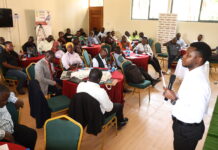
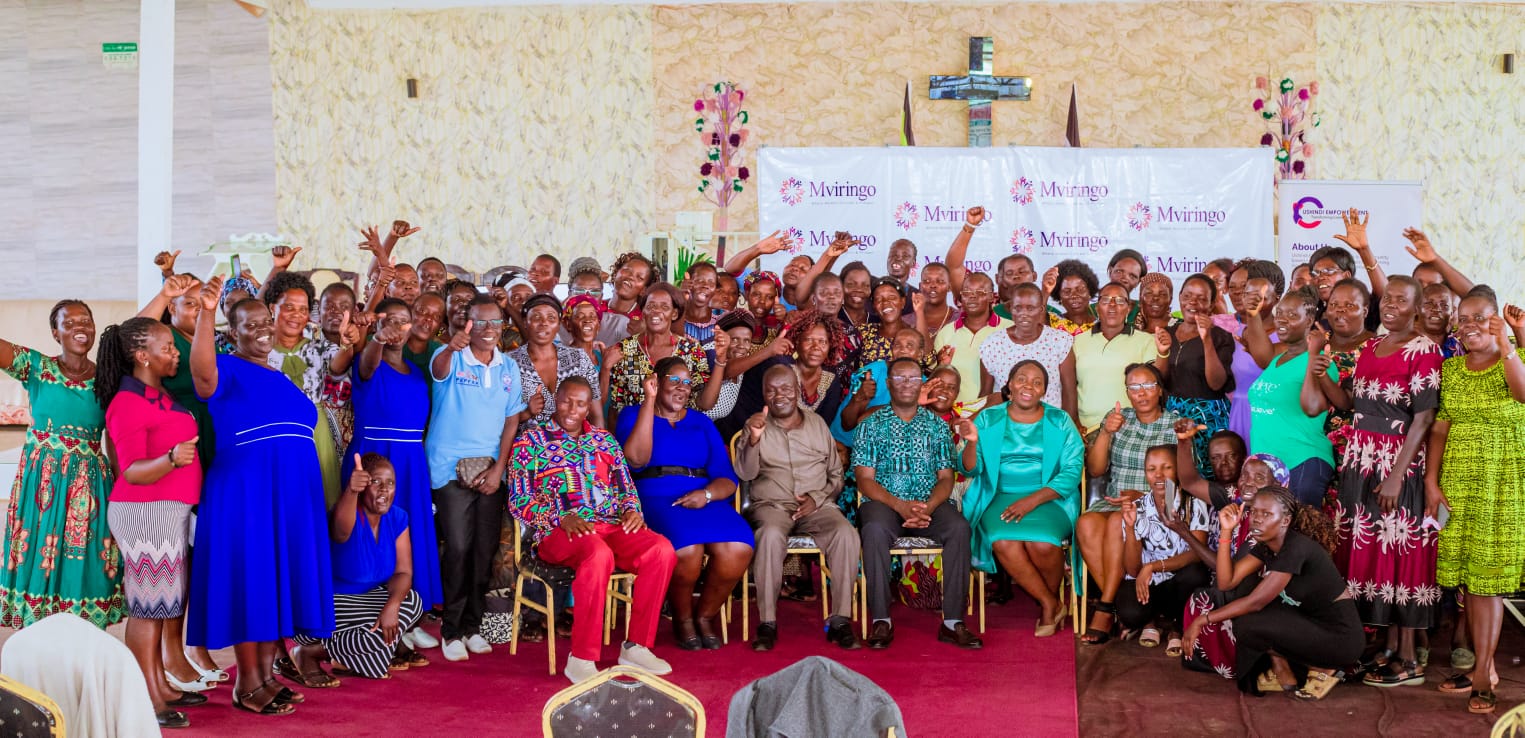
Busia-A total of 1,000 women from more than 60 women’s groups in Busia County have enrolled in a two-year programme to strengthen their entrepreneurial skills, leadership capacity, and economic independence.
The Muvirogo Women Training Programme, implemented by Ushindi Empowerment, will equip participants with business skills, advocacy knowledge, and an understanding of economic justice so they can expand their enterprises, influence decision-making, and improve their livelihoods.
Ushindi Empowerment Director Ella Wafula said Busia has many business opportunities, particularly because of its location on the Kenya-Uganda border, but women need training and collective action to benefit from them.
“The training will help women to aggregate economically and trade well. Busia County has got a lot of business opportunities due to the fact of being at the border. Training our women, aggregating our products, aggregating our policy and understanding our voice will help the collective growth of women in this county,” she said.
Wafula said leadership development is a key component of the programme, as women need the skills and confidence to take part effectively in leadership at the individual, group, and community levels.
“We are looking at a separate track that is targeting the leader and the leadership structure in our training design. We are investing time to nurture leadership at the individual level, group level and collective level. This creates a big success in ensuring a woman has a voice in the leadership of the community,” she said.
She added that the programme will build a strong network of women who can advocate for their interests, contribute to county and national development, and build linkages across the region.
Ushindi Empowerment Lead Trainer Eliud Wasike said the initiative seeks to close the gaps in business skills that have prevented many women from identifying and seizing economic opportunities.
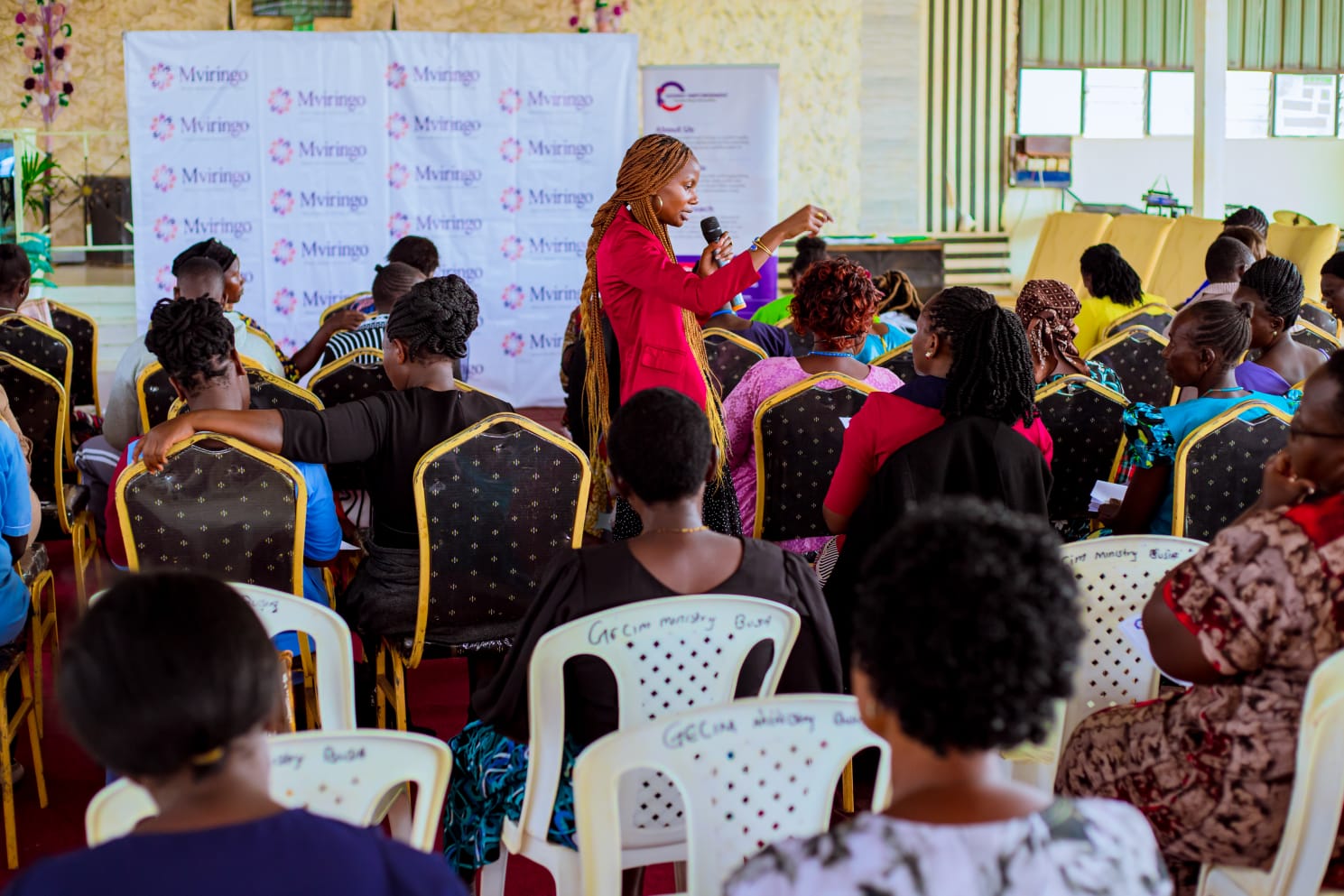
“We realized that there is a big number of women who lack skills in the business sector. We want to empower women in entrepreneurship and business start-up so that they can learn how to identify business opportunities within Busia County,” he said.
Wasike said the training will also strengthen women’s advocacy skills, enabling them to articulate the challenges affecting their businesses and communities and to engage more effectively with decision-makers.
He noted that economic justice is another critical area, particularly raising awareness of women’s right to own property and participate fully in economic development.
“We are training them on economic justice because many of them don’t know that they can own properties. They have the capability to contribute to the economy of the county and country. We are mobilizing them to work together through groups, where we train the leadership of the groups, and this enables us to reach many women,” he said.
According to Wasike, empowering women financially and equipping them with business skills will benefit entire households by improving their ability to provide for their children, strengthen food security, and contribute to environmental conservation.
Mercy Smith, a member of Pamoja Women Group in Butula who is taking part in the programme, said limited access to finance and inadequate business training remain major barriers for women seeking to start and grow enterprises.
“There is always a challenge for us women, mostly from local areas, to get finance to establish our businesses. Being empowered will help us to have the knowledge to identify and do business, which will help us improve our living standards,” she said.
Mathlidah Nafula of Amoni Muungano Women Group said the training has helped members appreciate the benefits of working together and supporting one another economically.
“The training has impacted us on how we can come together and benefit as a group and build each other as women. Women have remained vulnerable in society, but with such training, it is opening us up to understand that we have the ability to contribute to the economy and be able to own properties,” she said.
Nafula added that the knowledge gained will help women meet their family responsibilities, including educating their children and providing for their households, while strengthening their economic independence.