|
Getting your Trinity Audio player ready...
|
By Omboki Monayo
Nairobi-In an era of rapid urbanization, shifting climates, and interconnected global travel, health is no longer confined to hospital wards and laboratories. When a pathogen leaps from wildlife or livestock to humans, the ripples shatter economies, destabilize food security, and claim millions of lives.
Recognizing that human survival is inextricably linked to the well-being of animals and the environment, the Kenya Medical Association (KMA) and the Kenya Veterinary Association (KVA) are joining forces to host the landmark East Africa One Health Conference (EAOH). The hybrid event runs from Tuesday, 3rd November to Thursday, 5th November 2026 under an urgent theme: “One Health, One Future: Advancing Human, Animal and Environmental Well-being.”
One Health is an integrated, collaborative approach to optimizing the health of humans, animals, plants, and ecosystems. For decades, doctors, veterinarians, and environmental scientists worked in silos: physicians treated patients only after infections took root, veterinarians focused on livestock, and environmentalists monitored ecosystems independently.
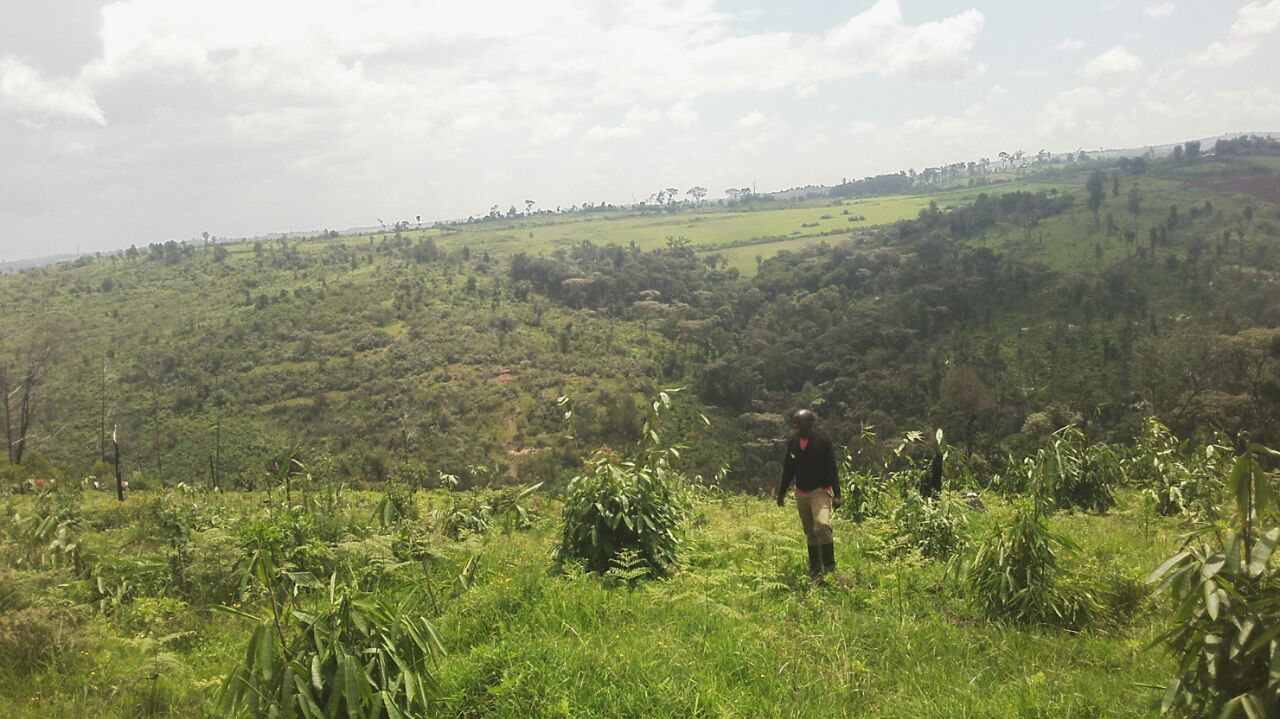
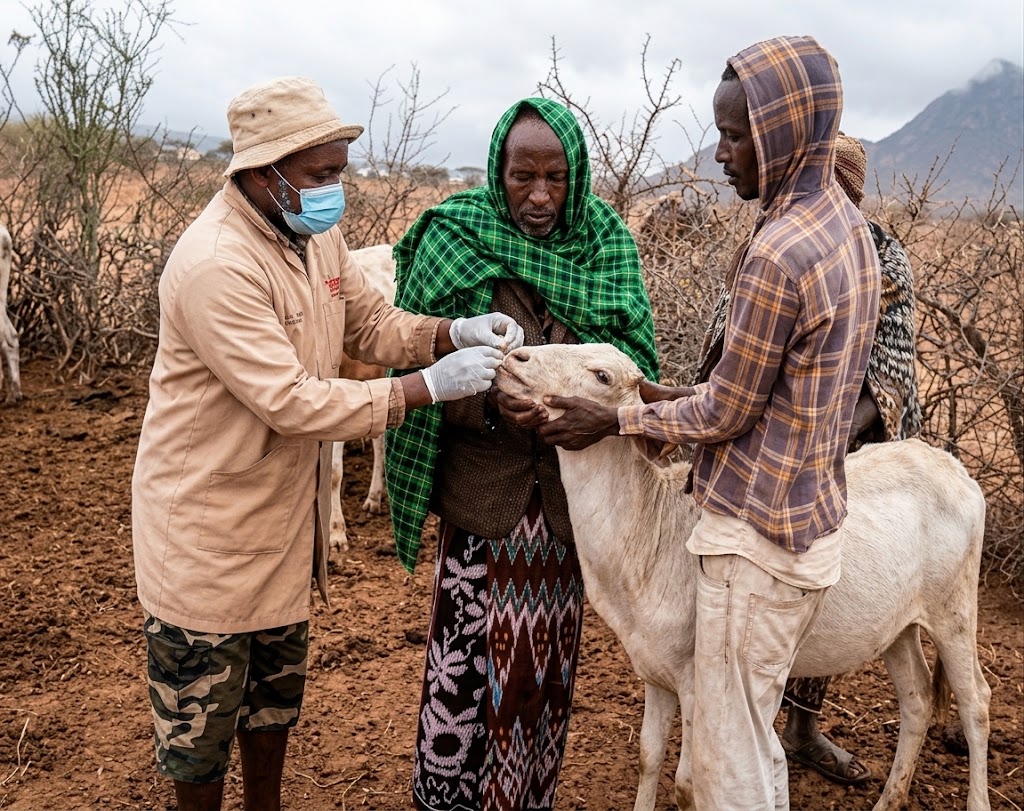
One Health breaks down those silos. An estimated 60% to 70% of emerging infectious diseases (EIDs) originate in animals, both wild and domestic. When deforestation, agricultural expansion, and climate disruption fragment natural habitats, wildlife is pushed into closer contact with human settlements. This ecological pressure cooker gives pathogens the chance to cross species barriers, with devastating consequences.
The cost of ignoring the link between animals, the environment, and humans is clear in recent history.
COVID-19 brought societies and economies to a grinding halt and exposed the fragility of health systems that react only after a virus crosses over, rather than intercepting it at the source. Avian influenza outbreaks have repeatedly jumped from wild birds and poultry to humans, threatening food security and showing how intensive farming interacts with vulnerable wild ecosystems.
Closer to home, Ebola shows how animal reservoirs, wildlife contact, and cross-border movement create volatile health security challenges. Together, these crises prove that human health surveillance alone cannot stop pathogens that originate, mutate, and multiply in the ecosystems around us.
The Dangerous Feedback Loop: Antimicrobial Resistance
Viewing healthcare through a strictly human lens is no longer sustainable. Environmental degradation, pollution, and climate change alter the habitats of vectors such as mosquitoes and ticks, expanding the range of diseases like malaria, Rift Valley Fever, and dengue.
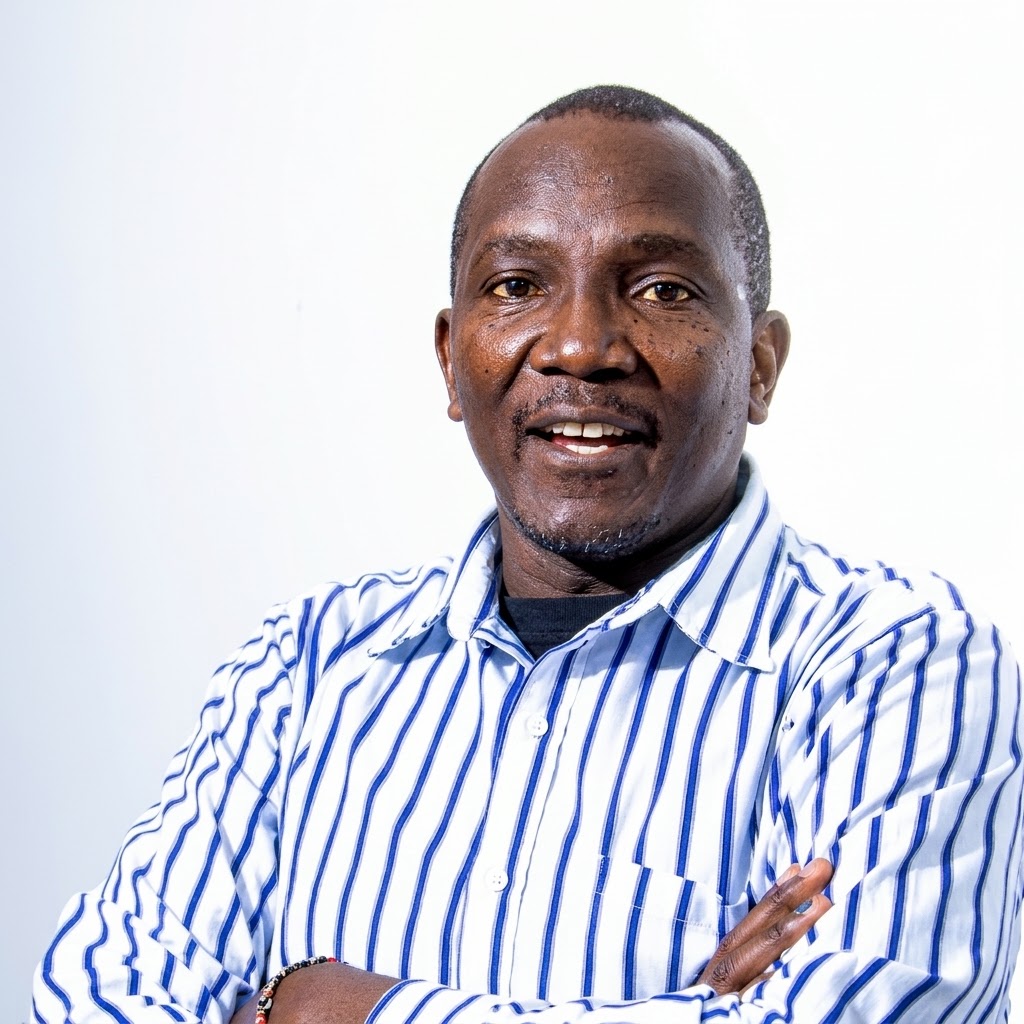
The misuse of antimicrobials in livestock farming is a ticking time bomb. Dr. Victor Yamo, chief executive officer of the Global One Health Advocacy Affairs NGO, has consistently called for action on the feedback loop between intensive livestock production and public health.
A University of Nairobi-trained veterinary surgeon, Dr. Yamo also holds an MBA from the University of the Free State (South Africa) and a certificate in Poultry Health and Management from the Poultry Health Institute in Deventer, Netherlands. He is renowned for his research on veterinary science and animal welfare, and he cautions farmers and agribusiness entrepreneurs against the routine, indiscriminate use of antibiotics in intensive poultry and pig farming.
“Antimicrobial resistance occurs as a result of the excessive use of antibiotics in intensive farming. This is where drugs are frequently deployed not just to treat disease, but as a crutch to manage overcrowded, poor sanitary conditions or to artificially accelerate growth,” he says.
The resulting “superbugs” are resistant strains of bacteria such as Escherichia coli and Salmonella that develop in heavily medicated farm environments and do not stay there.
“Through agricultural waste, wastewater runoff, and the food chain, these dangerous ‘superbugs’ find their way into human populations, severely undermining the efficacy of modern medicine in the process,” he explains.
Dr. Yamo advocates robust policy frameworks and tighter regulation of veterinary drug use.
“Protecting human health requires an aggressive, preemptive cleanup of how antimicrobials are managed and dispensed across the animal resource sector. We must regulate the way veterinary medicines are accessed, prescribed, dispensed and used,” he asserts.
Global Blueprints: Learning from International Frameworks
International case studies offer roadmaps for multi-sectoral integration, and Jordan’s use of the One Health approach to prioritize zoonotic threats holds useful lessons for regional health security.
Because most emerging infectious diseases originate in animals, Jordan’s multi-sectoral model produced a formal list of priority zoonotic diseases of national and regional significance, using joint human, animal, and environmental criteria.
The Eastern Mediterranean and its migratory bird flyways are a critical crossroads, so managing threats like avian influenza required joint surveillance guidelines, integrated laboratory networks, and coordinated rapid-response teams that could intercept spillovers before they reached community transmission.
The framework also addresses the overlap between animal production, environmental runoff, and human clinical care, stressing that unchecked antimicrobial use accelerates resistance that moves freely across species.
The recent pandemics were a stress test. They reinforced that health systems must move from reactive medicine to preemptive, cross-sectoral risk mitigation at the human-animal-environment interface.
By integrating animal and environmental health data into clinical and public health strategies, medical practitioners can anticipate outbreaks before they spill over into human populations.
The EAOH conference will tackle these realities through subthemes spanning zoonotic threats, antimicrobial stewardship, climate change impacts, sustainable food systems, and digital innovations such as artificial intelligence (AI) in health forecasting.
Whether you are a researcher, policymaker, healthcare worker, veterinarian, or environmental scientist, your insights and participation matter. The revolution to safeguard our collective future is not waiting on the horizon. It is starting right in our backyards.