|
Getting your Trinity Audio player ready...
|
By Mary Mwendwa
Nairobi- Kenya has become the first African country to join the Dengue Alliance, a global partnership working to develop treatments for dengue, with the Kenya Medical Research Institute (KEMRI) formally admitted at the Alliance’s meeting in Kuala Lumpur, Malaysia, on 27 October.
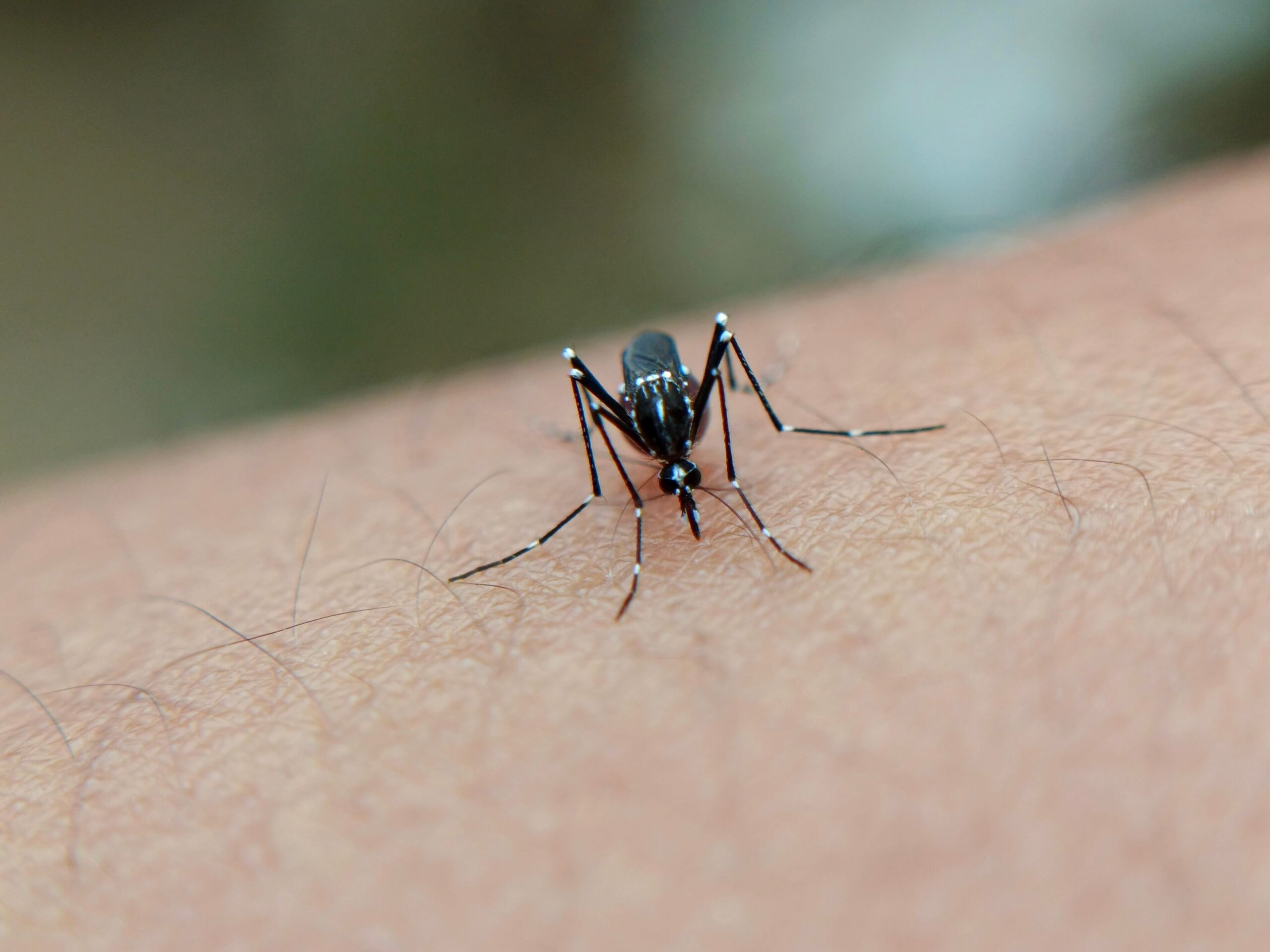
The move comes as dengue is spreading fast at home. According to the WHO, Kenya reported almost 10,000 cases between January and August 2026, up from 4,300 in all of 2025 and 1,400 in 2024.
All four dengue virus serotypes have been detected in Kenya since its first reported epidemic in 1982. Transmission is no longer confined to the coast and has now been reported in northern and western Kenya, as well as areas bordering Uganda, South Sudan and Ethiopia.
Experts believe the true burden across Africa is far higher than official figures show, because of underdiagnosis and underreporting.
“Dengue is a growing public health concern in Africa, but its true burden remains underestimated,” said Dr Erick Muok, Acting Director of Research and Development at KEMRI. He said the institute will contribute African expertise and evidence to global efforts on dengue research, surveillance, diagnostics and clinical management.
Founded in 2022, the Dengue Alliance links research institutions in dengue-endemic countries to speed up the development of safe, effective, affordable and accessible treatments. Its members include the Drugs for Neglected Diseases initiative (DNDi) and institutions from Brazil, Malaysia, India and Thailand.
Kenya’s entry widens the Alliance’s geographic and scientific reach and should ensure patients from Africa are prioritised in future studies.
“Their expertise in clinical research, diagnostics, surveillance, and outbreak response will help ensure dengue research responds to the needs of affected populations in Africa,” said Dr André Siqueira, Head of the Global Dengue Programme at DNDi.
He noted that while vaccines and vector control have advanced, there is still no specific treatment for dengue. “Dengue is no longer a disease confined to traditionally endemic regions, and addressing it requires global cooperation,” he said.
DNDi and the Serum Institute of India are advancing a promising treatment candidate into a Phase III clinical trial, expected to begin in early 2027 in Brazil, Thailand and Malaysia. The Alliance is also supporting research on antivirals and host-directed therapies.
Separately, DNDi-led studies in Senegal, Ghana and the Democratic Republic of the Congo have found that dengue transmission in Africa is more widespread than previously recognised. Detailed results are expected in early 2027 and should help guide policy on diagnosis, outbreak preparedness and resource allocation.
KEMRI will bring its expertise in arboviral diseases, clinical research, diagnostics, surveillance and climate-related health research to the partnership.